Did you know that proper preparation before a CT scan can significantly influence its accuracy and safety? If you’re scheduled for a CT scan, understanding the impact of drinking alcohol beforehand is vital. Alcohol consumption can affect your body’s hydration levels and potentially interfere with test results, leading to a false diagnosis or complications during the procedure.
Many patients may feel uncertain about what they can or cannot consume before their scan, which is completely normal. The goal of this article is to shed light on the risks associated with drinking alcohol prior to a CT scan, helping you navigate your preparation with confidence. By learning more about this important aspect of your care, you can ensure the best possible outcomes from your imaging procedure. Let’s explore the essential facts and recommendations that every patient should know.
What is a CT Scan and How Does It Work?
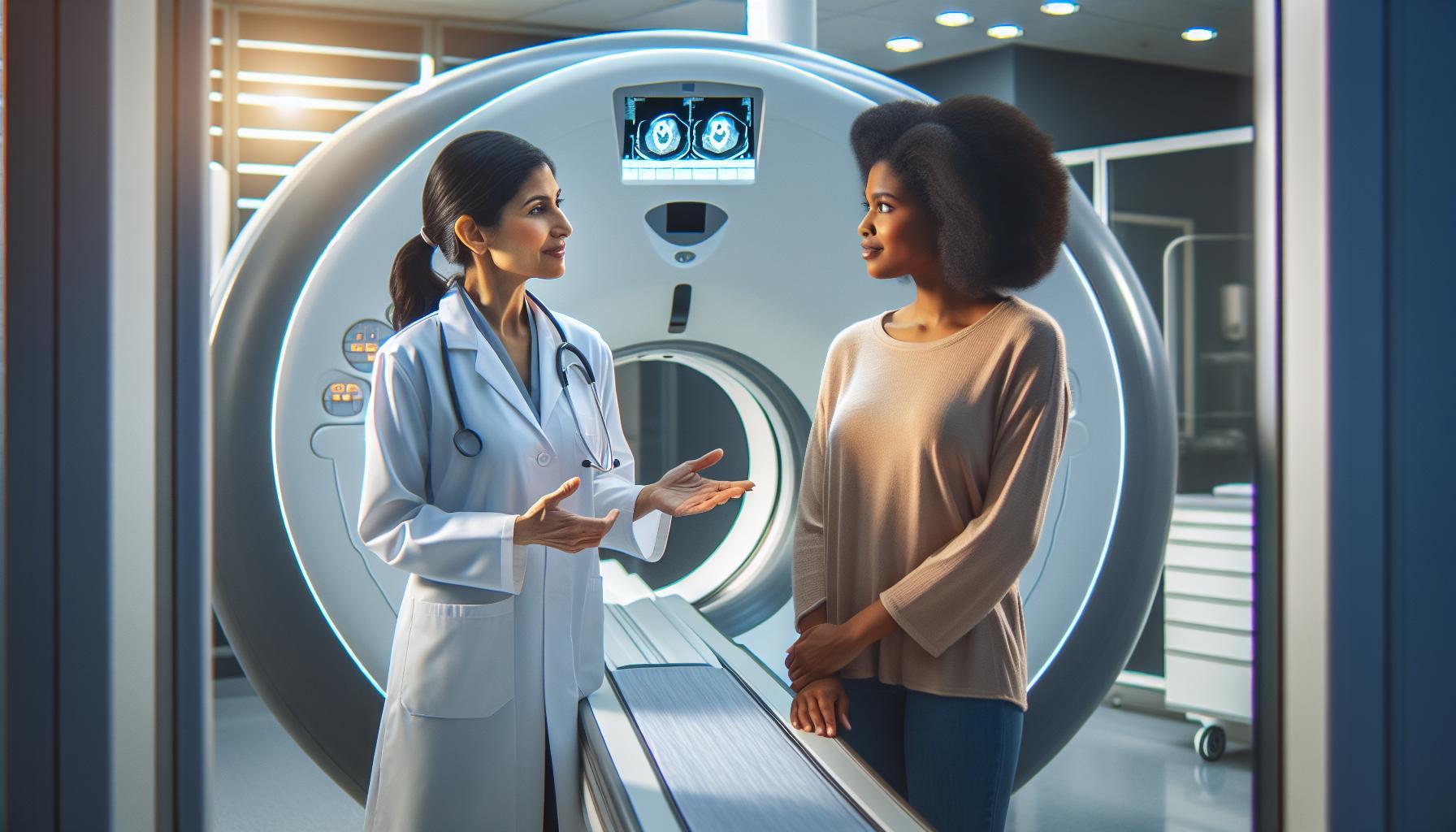
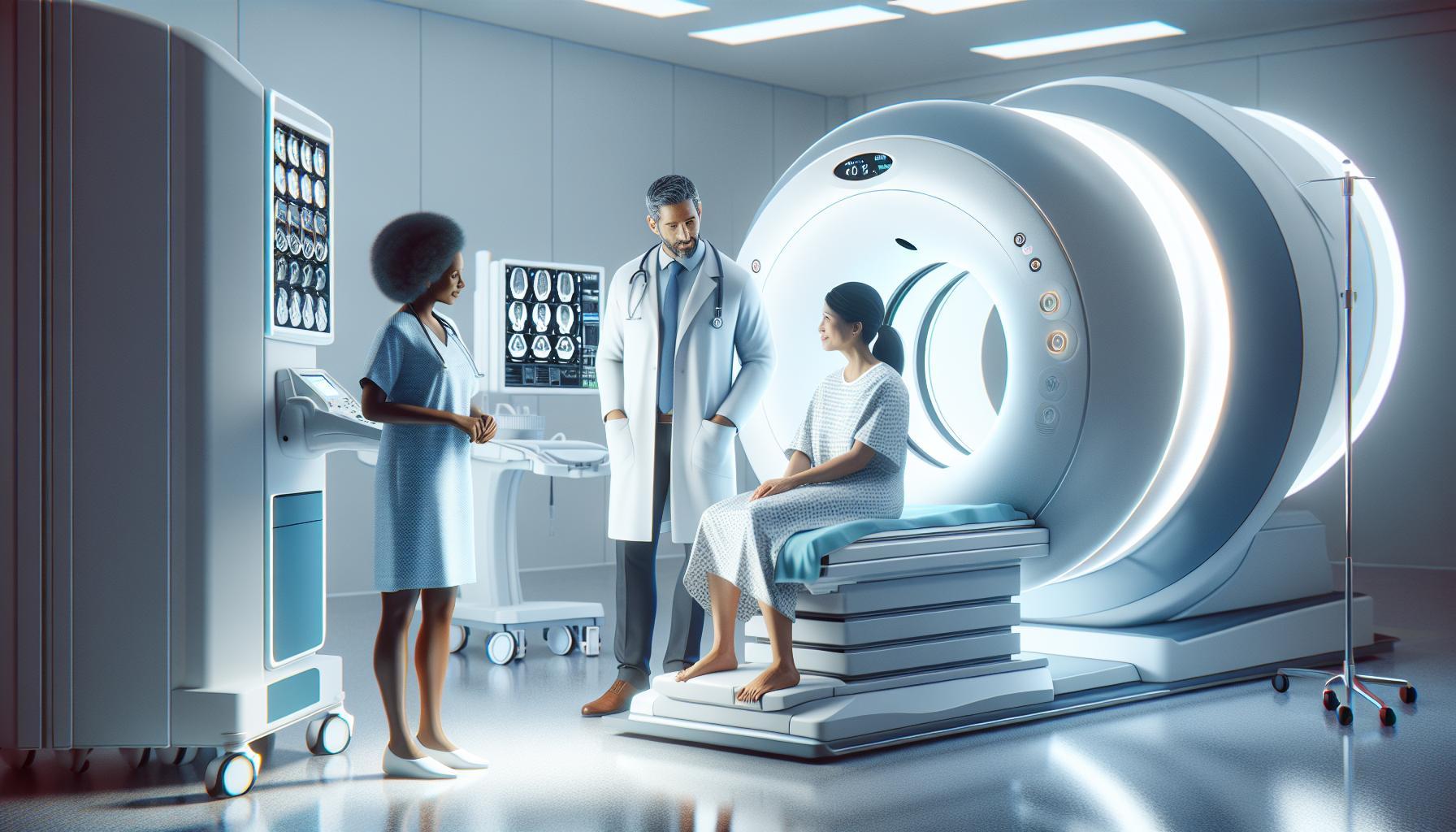
A CT scan, or computed tomography scan, is a powerful medical imaging tool that combines X-ray technology with computer processing to create detailed cross-sectional images of the body. This technology enables healthcare providers to visualize various internal structures, including organs, blood vessels, and bones, with exceptional clarity. The process begins when a patient is positioned on a motorized table that moves through a large, doughnut-shaped machine known as a CT scanner. As the scanner rotates around the patient, it captures multiple images from different angles; these images are then reconstructed by a computer to produce comprehensive 3D views.
One of the standout advantages of CT scans is their speed and accuracy, making them invaluable in emergency settings. For instance, CT scans play a critical role in diagnosing conditions like traumatic injuries, cancers, and cardiovascular diseases. By swiftly providing insights into the internal state of the body, they aid doctors in making informed decisions about treatment options. However, understanding the nuances of preparation, particularly regarding dietary restrictions like alcohol consumption, is crucial to ensuring the accuracy and effectiveness of the scan.
Proper pre-scan preparation enables the CT scan to yield the most precise results. Alcohol consumption before a scan can interfere with the imaging process and the interpretation of results. As it can affect your hydration and possibly alter physiological readings, patients are often advised to avoid alcohol and caffeine prior to the procedure to minimize any potential impact on heart rate, blood pressure, and dehydration levels. With mindful preparation, including a discussion with healthcare professionals about dietary restrictions, patients can help enhance the overall effectiveness of their CT scans and promote safer imaging experiences.
Understanding the Importance of Pre-Scan Preparation
Proper preparation before a CT scan can profoundly influence the clarity and accuracy of the results. When planning for your scan, it’s essential to understand how lifestyle choices, particularly alcohol consumption, can affect the outcome. Alcohol can interfere with the body’s physiology and hydration levels, potentially leading to altered imaging that may obscure diagnostic results. Therefore, being mindful of what you consume in the hours or days leading up to your scan can significantly enhance the quality of the images produced.
Alcohol dehydrates the body and can affect heart rate and blood pressure, which are critical factors during a CT scan. These physiological changes can complicate the radiologist’s ability to interpret the scan accurately. Additionally, alcohol may interfere with contrast agents sometimes used in CT scans, which are designed to outline structures in the body and provide clearer images. To ensure optimal imaging, healthcare professionals generally recommend avoiding alcohol 24 hours prior to the procedure. This period allows your body to stabilize and ensures that the scan can deliver the most accurate information for your healthcare provider.
Should you inadvertently consume alcohol before your scan, it’s crucial to communicate this to your healthcare team. They can provide guidance on whether to proceed with the scan or reschedule it for a later time. Ultimately, being open and honest about your pre-scan preparations is key to ensuring your safety and receiving the best medical care possible. Remember, your healthcare provider is your ally; consulting them about any concerns regarding preparation and procedure can alleviate anxiety and improve your overall experience with medical imaging.
How Alcohol Affects Your Body Before a CT Scan
Consuming alcohol before a CT scan can significantly impact both your body and the quality of the imaging results. Alcohol is a known dehydrator; it increases urine production and reduces hydration levels in the body. This dehydration can lead to a host of physiological changes, including fluctuations in blood pressure and heart rate, which are critical factors during the imaging process. When your body is not adequately hydrated, it may alter how tissues and organs appear on the scan, potentially obscuring important diagnostic details.
The effects of alcohol do not stop at dehydration; they also influence blood circulation and can interfere with the efficacy of contrast agents, which are sometimes utilized during CT scans. These agents help to illuminate specific structures within the body, making it easier for radiologists to detect abnormalities. If alcohol has altered your physiological state, the intended clarity that contrast agents provide may be compromised, leading to suboptimal images that could affect diagnostic accuracy.
Furthermore, excessive alcohol consumption can also lead to increased anxiety or discomfort during the scanning process. For patients already feeling apprehensive about medical procedures, alcohol might amplify those feelings and create additional stress. It’s essential to understand that the preparation phase, which includes abstaining from alcohol, is designed not just for optimal imaging but also to create a more comfortable experience for you as a patient.
To ensure the best outcome for your CT scan, healthcare professionals generally recommend avoiding alcohol for at least 24 hours before the procedure. This timeframe allows your body to rehydrate and stabilize its physiological parameters. If you find yourself having consumed alcohol within this period, communicate openly with your healthcare provider. They can assess your specific situation and guide you on the best course of action, including whether it’s appropriate to proceed with the scan or to reschedule it for another time.
Potential Risks of Drinking Alcohol Before a CT Scan
Drinking alcohol before a CT scan can have several significant risks that may impact both your health and the quality of the imaging results. Just a single glass of wine can lead to dehydration, as alcohol is a diuretic, increasing urine output and prompting the body to lose essential fluids. This dehydration can create fluctuations in blood pressure and heart rate, which are critical parameters during a CT scan, potentially leading to misleading or unclear imaging outcomes.
Additionally, alcohol can interfere with the effectiveness of any contrast agents that may be administered during the procedure. These agents are vital for enhancing the visibility of specific organs or tissues on the scan. If your body is in a dehydrated state, the contrast may not disperse as intended, which can obscure important diagnostic details. Suboptimal imaging can lead to delayed diagnoses or misinterpretations, ultimately complicating your healthcare journey.
Moreover, alcohol consumption can elevate anxiety levels, particularly in individuals already apprehensive about medical procedures. Increased anxiety not only affects your comfort but may also cause physical symptoms such as elevated heart rates or tense muscles, which can further distort imaging results. The preparation guidelines issued by healthcare professionals are in place to provide you with the best possible experience and outcomes. Adhering to these guidelines-especially the recommendation to avoid alcohol for at least 24 hours prior to your CT scan-can significantly enhance the clarity of the images captured and contribute to a smoother, more relaxed procedure.
In cases where alcohol has been consumed shortly before your scan, it’s crucial to communicate this with your healthcare provider. They can offer guidance tailored to your specific situation, determining whether it’s advisable to proceed with the scan or if postponement would be a safer option. Prioritizing your health and the accuracy of your test results starts with informed preparation and open conversations with your medical team.
Symptoms of Alcohol Impact During a CT Scan
Drinking alcohol prior to a CT scan can lead to various noticeable symptoms that could impact both your comfort and the quality of your imaging results. These effects often stem from the diuretic nature of alcohol, which increases urine production and can lead to dehydration. When dehydrated, you may experience symptoms such as dizziness, headaches, or increased heart rate-all of which can complicate the scanning process. Proper hydration is crucial not only for your comfort but also for ensuring that your body responds appropriately during the procedure.
Moreover, alcohol can heighten feelings of anxiety, especially if the individual is already apprehensive about medical procedures. This psychological impact can lead to physical manifestations, such as elevated heart rates, shallow breathing, or muscle tension. These symptoms not only affect how you feel during the scan but can also obscure the quality of the images captured, as movement or increased body tension may distort the results. Open communication with your healthcare provider about any alcohol consumption is essential, as they can provide tailored advice and determine the best course of action for your specific situation.
Another impact of alcohol consumption is its potential interference with contrast agents, which are sometimes used during CT scans to enhance the visibility of internal structures. If your body is not in the optimal state due to dehydration or altered heart rate, the effectiveness of these agents may be compromised. As a result, less accurate images can lead to misinterpretations and delayed diagnoses, prolonging any necessary treatment.
In summary, the symptoms resulting from alcohol consumption can range from physical discomfort and dehydration to anxiety and poor image quality, making adherence to pre-scan preparation guidelines crucial. If you’ve consumed alcohol before your appointment, consider discussing your situation with your healthcare provider beforehand, as they can best guide you on how to proceed for optimal health and imaging results.
Timing: How Long Before a CT Scan Should You Avoid Alcohol?
Prioritizing your health and the success of medical procedures is essential, especially when it comes to imaging studies like a CT scan. Abstaining from alcohol before your scan is not just a casual recommendation; it can profoundly influence the quality of your results. It is generally advised to avoid alcohol for at least 48 hours before your CT scan. This interval allows your body to fully process and eliminate alcohol, reducing the potential for any adverse interactions with contrast agents that might be used and enhancing your overall hydration status.
One of the primary concerns with consuming alcohol close to the time of your scan is the diuretic effect, which increases urine production and can lead to dehydration. Dehydration may not only cause discomfort during the procedure but could also lead to suboptimal imaging results. Moreover, alcohol can contribute to anxiety and agitation, which can further detract from the calm and stillness that the scan requires for accuracy.
In specific cases, healthcare professionals may provide tailored advice. For instance, if you have ongoing health conditions or are taking medications, the timeline for alcohol abstinence might vary. It’s essential to consult your doctor or radiologist for personalized guidance based on your medical history and the specific type of imaging procedure you’re undergoing. They can clarify the reasons behind the recommendations and help ease any worries about the process.
In summary, giving yourself a buffer by avoiding alcohol for at least 48 hours before your CT scan is a prudent choice. This simple step can enhance the clarity of your images and help ensure you receive the best possible care during your medical imaging procedure. Your health and peace of mind are worth this little extra precaution.
What to Do If You Accidentally Drink Alcohol Before Your Scan
Accidentally consuming alcohol before your CT scan can be concerning, especially if you are aware of the recommendations regarding abstinence. The key step after realizing you’ve had a drink is to remain calm. It’s important to recognize that occasionally drinking alcohol may not automatically disqualify you from undergoing the scan, but it could potentially impact the quality of the results.
First and foremost, if you find yourself in this situation, reach out to your healthcare provider or the radiology department performing your scan as soon as possible. They are best equipped to advise you on the appropriate course of action based on your individual health history and the specifics of the procedure you are scheduled for. Here are some points to consider:
- Timing Matters: Inform your healthcare provider about how long before the scan you consumed alcohol. If it was a significant amount of time before your scan, it’s likely that the alcohol has been metabolized, mitigating any immediate effects.
- Monitor Your Symptoms: Pay attention to how you feel. If you are experiencing symptoms like dizziness, confusion, or unusual anxiety, communicate these to your medical team, as they may influence their decision about proceeding with the scan.
- Follow Specific Instructions: Depending on your situation, your healthcare provider may advise you to stay well-hydrated to assist in alleviating any dehydration caused by the diuretic effects of alcohol. Drinking clear liquids can be beneficial.
- Consultation on Contrast Agents: If you are scheduled to receive contrast for the CT scan, it’s essential to disclose your alcohol consumption to the radiologist, as it may affect the choice or timing of contrast administration.
By taking these steps, you empower yourself to navigate the situation effectively while ensuring that you receive the best possible care. Your health is the priority, and medical professionals are there to help you make informed decisions about your imaging needs.
Alternative Guidelines: What to Consume Before a CT Scan
Before undergoing a CT scan, making informed choices about what to consume can significantly impact the outcome of your procedure. Staying adequately hydrated and selecting the right types of fluids can help optimize both your overall comfort and the quality of the images generated during the scan.
In the hours leading up to the scan, the most recommended beverage is water. Drinking clear, non-caffeinated fluids is vital as it helps keep you hydrated and aids the radiology team in obtaining clearer images. Avoiding alcohol and caffeine is essential, as these substances can lead to dehydration and may affect your heart rate and anxiety levels, thereby influencing the scan results (Stanford Health Care, AQ Imaging Network). If you’re unsure about your specific dietary restrictions leading up to the scan, it is always best to consult with your healthcare provider.
In addition to water, you may also consider consuming clear broths or herbal teas, which are gentle on the stomach and can offer more than just hydration. Foods that are easily digestible, such as toast or crackers, might be beneficial if you need to have something in your stomach before the scan, provided they are suitable for your unique health circumstances. Always ensure that any solid food is consumed at least a few hours prior to your procedure to facilitate digestion. Remember that communication with your medical team is key – they can provide personalized guidelines based on your particular situation and any required preparations for the scan.
By prioritizing these hydration and dietary guidelines, you can help ensure a smoother experience and more reliable results during your CT scan. Always consult with your healthcare professional if you have specific concerns or unique health conditions that might affect your pre-scan regimen.
Real Patient Experiences: Alcohol and CT Scans
Many patients have shared their experiences regarding alcohol consumption before undergoing a CT scan, highlighting the importance of understanding the implications such choices may have on their health and scan results. One compelling story comes from a patient who, feeling anxious before their scan, chose to drink wine to calm their nerves. Unfortunately, this decision led to increased heart rate and anxiety during the procedure, impacting the clarity of the images produced. Radiologists struggled to obtain the necessary views, ultimately requiring the scan to be repeated, which added unnecessary stress and delays.
Another individual recounted their experience of inadvertently consuming a cocktail a few hours prior to their scheduled scan. They reported feeling unusually restless and anxious when they arrived, which was attributed to the lingering effects of the alcohol. This patient emphasized the importance of pre-scan preparation, advising others to avoid alcohol entirely to ensure a smoother experience and clearer imaging results.
Patients have also reported that they were unaware of the guidelines concerning alcohol and CT scans, with many expressing a desire for more transparent communication from their healthcare providers about what to expect. These experiences underscore the need for clear and empathetic guidance, allowing patients to make informed decisions before their procedures.
To enhance your preparation, remember a few key points:
- Avoid alcohol at least 24 hours before your CT scan to minimize anxiety and improve image quality.
- Stay hydrated with water or clear liquids, which can help your body process the scan more effectively.
- If you mistakenly consume alcohol, inform your healthcare provider immediately for guidance on how to proceed.
By sharing these real-life experiences, patients can learn from one another and contribute to a safer, less stressful testing environment. Always consult your healthcare professional for personal advice tailored to your situation.
Consulting Your Healthcare Provider: Best Practices
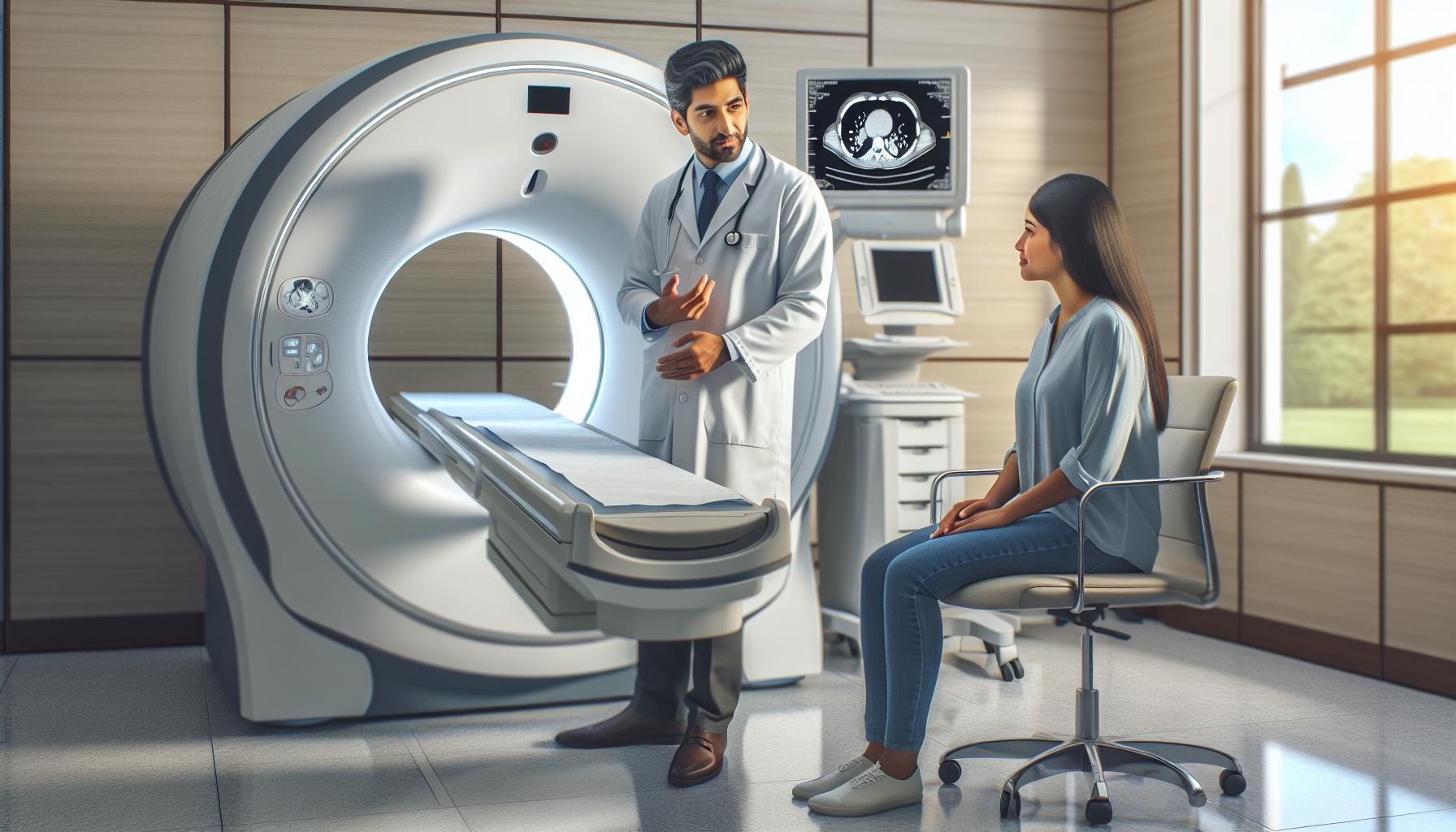
Before undergoing a CT scan, it’s crucial to have an open dialogue with your healthcare provider about any alcohol consumption and its potential impacts on your health and the scan results. Many patients may not realize that alcohol can affect your body in ways that might interfere with the clarity of the imaging or even the procedure itself. By discussing your alcohol consumption, including what and when you last drank, you allow your healthcare team to deliver the safest and most effective care tailored to your situation.
Healthcare professionals are equipped with the knowledge to assess the risks associated with drinking alcohol before a CT scan. They can provide personalized guidance and may recommend postponing the scan if they determine that recent alcohol intake could negatively influence the results. For instance, alcohol can elevate your heart rate and cause anxiety, which may lead to difficulties in remaining still during the scan. Such factors can compromise image quality, potentially requiring a repeat of the procedure, which can increase stress and delay your diagnosis.
If you’re uncertain about the guidelines surrounding alcohol consumption related to your upcoming scan, don’t hesitate to ask your healthcare provider. They can offer clear instructions about how long you should avoid alcohol prior to the scan to maximize both comfort and accuracy. Consider this an opportunity to clarify any other pre-scan preparations, including dietary restrictions and hydration recommendations, ensuring you’re as prepared as possible.
Furthermore, remember to be honest about your consumption habits, no matter how minor you think they are. This information is key to adjusting your care plan. By maintaining this level of communication, you not only enhance your safety but also contribute to a more efficient and successful imaging process. Your healthcare team’s goal is to ensure the best outcomes for you, and they are your greatest resource for navigating these questions and concerns.
Understanding the Role of Radiologists in Your Care
Radiologists play a critical role in your healthcare journey, especially when it comes to interpreting the results of a CT scan. Their expertise is not just limited to reading images; they understand the intricate details of how imaging works, the physics behind it, and how various factors, including recent alcohol consumption, might affect the outcome. It’s important to recognize that radiologists are your allies in ensuring that the imaging process is as effective and informative as possible.
When alcohol is consumed prior to a CT scan, it can potentially obscure the images and lead to misinterpretation. For instance, alcohol can influence vascular flow and organ appearance, complicating diagnostic efforts. Radiologists need accurate images to make proper assessments, so being clear about your alcohol consumption can aid them in adjusting their interpretations. In situations where alcohol might have been consumed, a radiologist may consider factors such as timing and quantity and may even recommend a repeat scan if they believe the initial images may not provide a clear representation of your health condition.
Additionally, radiologists are involved in discussing findings with your primary care physician and other specialists. Their insights can guide treatment decisions and next steps in your healthcare plan. If you’re unsure about the effects of alcohol on your scan, a conversation with your radiologist may offer reassurance and clarity. They are trained to communicate findings thoughtfully and can help you understand any implications related to your lifestyle choices prior to the scan.
Always remember that radiologists are part of a multidisciplinary team focused on your health. By engaging with them and discussing any concerns, including alcohol consumption, you contribute to a collaborative approach in your care. This communication not only fosters trust but also enhances the overall quality of the diagnostic process, leading to more accurate assessments and, ultimately, better health outcomes.
Faq
Q: Can drinking alcohol affect the results of a CT scan?
A: Yes, drinking alcohol before a CT scan can affect the accuracy of the results. Alcohol can alter liver function and other bodily processes, potentially leading to misleading imaging. It’s essential to follow pre-scan guidelines to ensure reliable outcomes. For more on preparation, see the section “Understanding the Importance of Pre-Scan Preparation.”
Q: How long should I wait after drinking alcohol before having a CT scan?
A: Ideally, you should avoid alcohol for at least 24 hours prior to a CT scan. This timeframe allows your body to metabolize the alcohol, reducing the risk of interference with imaging results. For specific recommendations, refer to “Timing: How Long Before a CT Scan Should You Avoid Alcohol?”
Q: What are the immediate effects of alcohol before a CT scan?
A: The immediate effects of alcohol consumption can include impaired judgment, dehydration, and changes in liver enzymes, which may compromise the scan’s quality. It’s crucial to refrain from drinking to ensure your safety and the effectiveness of the imaging process.
Q: Are there alternatives to alcohol that are safe before a CT scan?
A: Yes, alternatives to alcohol include water, herbal teas, or clear broths. Staying hydrated with non-alcoholic beverages can help prepare your body for the scan. For more detailed recommendations, check the “Alternative Guidelines: What to Consume Before a CT Scan” section.
Q: Will my doctor reschedule my CT scan if I drink alcohol before the appointment?
A: If you consume alcohol shortly before your CT scan and inform your healthcare provider, they may decide to reschedule the scan to ensure accurate imaging. Always communicate any concerns to your healthcare team for the best care.
Q: What symptoms might I experience if I drink alcohol before my CT scan?
A: If you drink alcohol before your CT scan, you might experience symptoms like dizziness, nausea, or dehydration. Such symptoms can hinder your ability to remain still during the procedure, impacting image clarity. For more details, see “Symptoms of Alcohol Impact During a CT Scan.”
Q: How does alcohol consumption impact medical imaging safety?
A: Alcohol consumption can increase the risk of complications, such as dehydration and interference with sedation, if used during procedures. Stay informed on safety practices by reviewing the “Consulting Your Healthcare Provider: Best Practices” section.
Q: What should I do if I accidentally drink alcohol before my CT scan?
A: If you accidentally drink alcohol before your CT scan, inform your healthcare provider immediately. They can assess whether to proceed with the scan or reschedule it to ensure clear and accurate results. For further guidance, see “What to Do If You Accidentally Drink Alcohol Before Your Scan.”
This FAQ section addresses potential risks and preparations associated with alcohol consumption before a CT scan, providing actionable advice while encouraging readers to seek guidance from their healthcare providers.
Closing Remarks
Drinking alcohol before a CT scan can pose significant risks to your health and the accuracy of the results. It’s crucial to prioritize your well-being by abstaining from alcohol prior to the procedure. If you’re concerned about your preparation or the implications of prior alcohol consumption, don’t hesitate to reach out to your healthcare provider for personalized guidance.
Ready to learn more? Explore our extensive resources on medical imaging, including preparation tips for a smooth CT scan experience and understanding what to expect before and after the procedure. You can also check out our articles on how imaging technology aids in accurate diagnoses and patient safety measures.
Stay informed and take charge of your health! Subscribe to our newsletter for updates on medical procedures, advice from experts, and more valuable content. Your health journey deserves the best information available-empower yourself today!