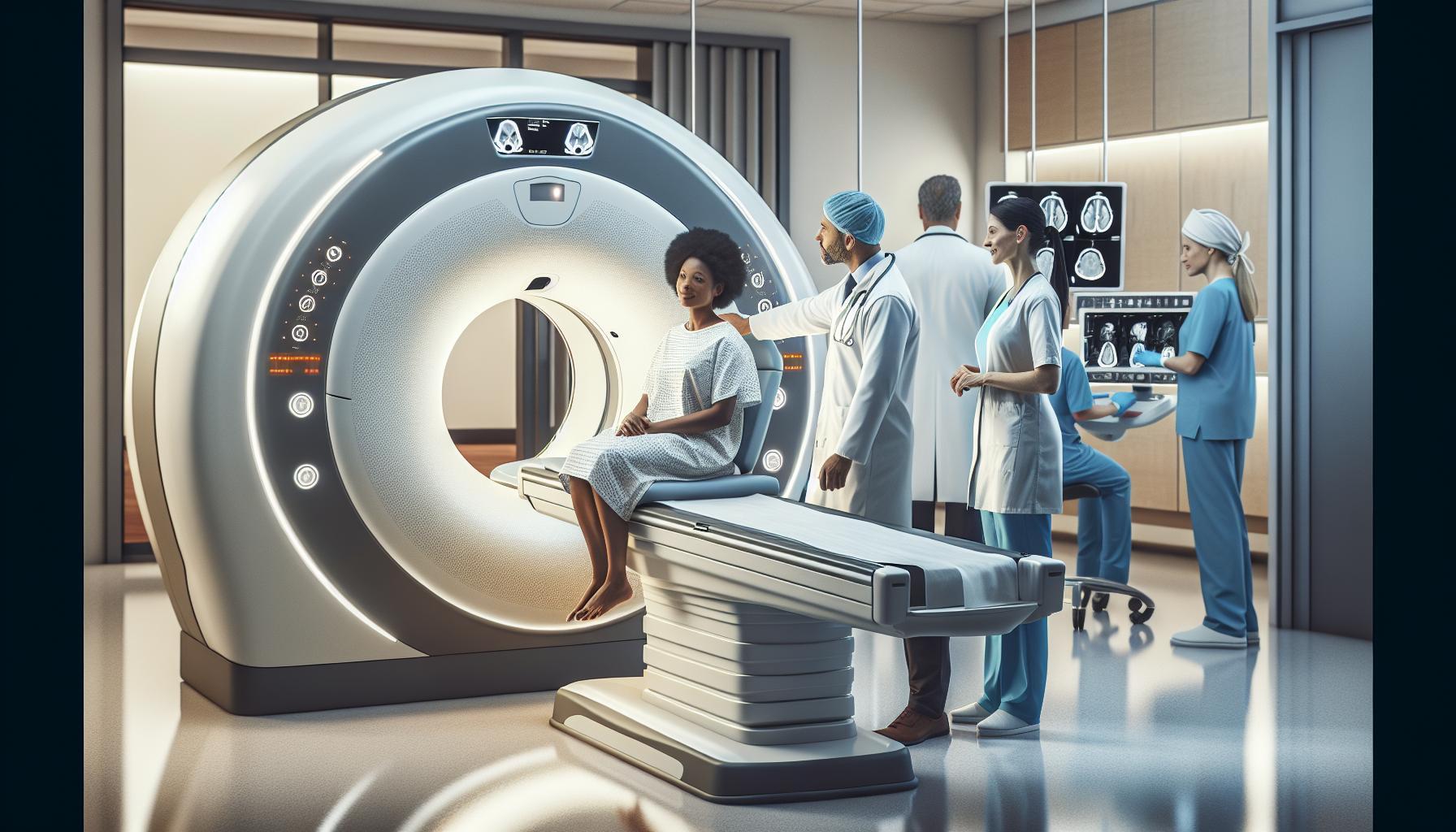
When facing gastrointestinal issues, understanding the duration and intricacies of a CT enterography can help alleviate anxiety and prepare you for the process. This advanced imaging technique is crucial for diagnosing conditions like Crohn’s disease and other bowel disorders, offering detailed images of your small intestine. Knowing how long the procedure will take, including the preparation and scanning time, can empower you to manage your schedule and expectations effectively.
Typically, you might need to set aside around 1-2 hours for the entire appointment, which includes pre-scan preparations and the actual CT scan, usually lasting about 20 minutes. This insight not only helps in planning your visit but also ensures you feel informed and more at ease about the entire experience. As we delve deeper into the specifics of CT enterography timing, you’ll gain a clearer understanding of what to expect, allowing you to approach your procedure with confidence and reassurance.
Understanding CT Enterography: A Comprehensive Overview
CT enterography represents a significant advancement in imaging technology, providing comprehensive views of the small and large intestines. This specialized form of computed tomography (CT) enables healthcare professionals to assess conditions such as inflammatory bowel disease more effectively. The primary advantage of CT enterography lies in its ability to visualize the entire thickness of the bowel wall, offering detailed insights that can be critical for diagnosis and treatment planning. It utilizes a contrast agent to enhance the clarity of the images, which allows for better differentiation of the bowel structures and any potential abnormalities.
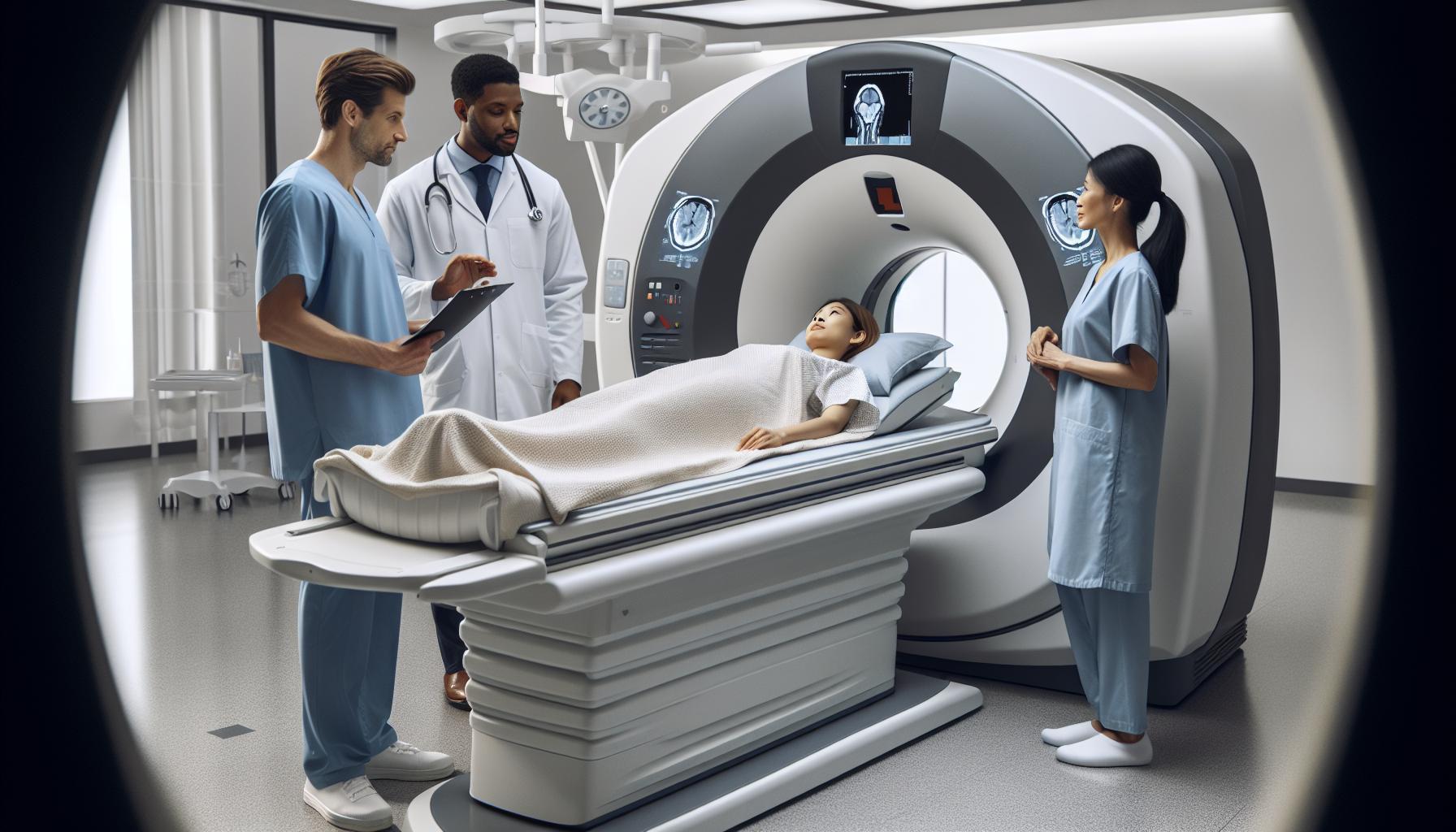
During a CT enterography procedure, patients typically lie on a table that moves through the CT scanner, which captures cross-sectional images of the abdomen and pelvis. The entire experience usually lasts about 30 to 60 minutes. However, preparation for the exam can influence this timing, as patients often need to fast beforehand and may require a bowel cleansing regimen to ensure optimal imaging results. Understanding the importance of preparation cannot be overstated, as it greatly affects the clarity and usefulness of the scans. Patients should feel reassured that the staff will provide clear instructions and support throughout the process, making the experience as comfortable as possible.
In terms of safety, CT enterography is considered a non-invasive procedure with minimal risks involved. Potential concerns such as exposure to radiation and allergic reactions to the contrast material are managed carefully. Most patients tolerate the procedure well and are able to resume their normal activities shortly afterward. It’s essential to discuss any allergies or medical history with the healthcare provider prior to the scan to ensure a tailored approach to care. By addressing these details, healthcare professionals can mitigate risks while maximizing the effectiveness of the imaging study.
What to Expect During a CT Enterography
Undergoing a CT enterography can feel daunting, but understanding what to expect can significantly ease any anxiety. Upon arrival at the imaging facility, patients will check in and may wait briefly before the procedure. It’s important to recognize that the entire process, including preparation, can take around 30 to 60 minutes, but actual imaging time is only about 20 minutes. This short, focused period of scanning allows for detailed assessment of the small bowel, which is a key component of diagnosing issues such as Crohn’s disease or small bowel strictures.
Before the imaging begins, a healthcare professional may provide oral contrast, a special liquid that enhances visibility on the scan. Patients typically drink around 1.5 liters of this contrast over approximately 30 to 60 minutes before the scan, which helps outline the intestines more clearly. This preparation is crucial as it can greatly influence the quality of the images obtained. During the scan, patients lie still on a table that moves through the CT scanner, with instructions to hold their breath briefly at certain moments to capture clear images.
A calm, supportive environment is essential during the CT enterography, and you will always have staff nearby to guide you through the process. They understand that the procedure can stir feelings of stress or discomfort, and they are trained to help make the experience as smooth and reassuring as possible. Remember, communication about any concerns you might have is encouraged, as your comfort and understanding play significant roles in the overall experience. With the right preparation and mindset, a CT enterography can be a straightforward step toward gaining important insights into your health.
Preparing for Your Bowel Imaging Appointment
Undergoing a CT enterography requires thoughtful preparation, but knowing what to expect can help ease the journey. One critical aspect of your preparation involves dietary restrictions and the intake of oral contrast. Typically, patients are advised to refrain from eating or drinking for approximately 4 to 6 hours before the scan. This fasting allows your intestines to be as clear as possible, which is vital for obtaining clear images. In addition to fasting, you’ll be required to consume about 1.5 liters of oral contrast – a specially formulated liquid that will help outline your digestive tract during the scan. This is usually done over the course of 30 to 60 minutes prior to the procedure, providing optimal visibility for your healthcare team.
It’s also essential to arrive at the imaging facility with plenty of time to allow for check-in procedures. A typical appointment may take around 30 to 60 minutes, while the actual imaging portion lasts approximately 20 minutes. This dedicated scheduling ensures that you aren’t rushed and can address any last-minute questions or concerns you may have with the medical staff. To maximize comfort and ease anxiety, don’t hesitate to communicate openly about your feelings regarding the procedure, as staff are there to support you and ensure a calm environment.
Considerations about personal items like jewelry and clothing should also be kept in mind. Patients are usually asked to wear comfortable clothing, and metal objects should be removed before entering the imaging room to avoid interference with the scan. Additionally, medications can typically be taken as prescribed, but it’s wise to consult your healthcare provider about any specific instructions related to your medications or health conditions.
This thoughtful approach to preparation not only ensures a smoother experience but also enhances the quality of the imaging results. Paying attention to these details helps lay a strong foundation for a successful procedure and brings clarity to the diagnostic process.
Average Duration of CT Enterography Scans
The time commitment for a CT enterography is a crucial aspect for many patients planning this diagnostic procedure. Generally, the entire process typically spans about 1 hour and 45 minutes, which includes a combination of preparation, imaging, and recovery time. Understanding the breakdown of this timeline can help demystify the procedure and alleviate any concerns about lengthy appointments.
Initially, patients will spend approximately 1 hour preparing for the scan. This includes the time needed for check-in, discussing the procedure with the medical staff, and consuming the oral contrast necessary for clear imaging. Patients are usually required to drink around 1.5 liters of this solution, which can take about 30 to 60 minutes, depending on individual comfort levels. This preparation is essential as it ensures that the intestines are adequately outlined, providing the clearest images for analysis.
The imaging portion, where the actual CT scan takes place, is relatively brief, lasting approximately 20 minutes. During this time, patients will be asked to lie still while the machine captures detailed images of the small bowel. After the scan is completed, there may be a short observation period to monitor any immediate reactions, especially if contrast materials were injected intravenously or ingested. Overall, the time spent in the imaging facility can be organized efficiently, allowing patients to return to their daily routines without undue delay.
Understanding this timeline not only prepares patients mentally for the visit but also promotes a smoother experience at the imaging center. Awareness of the average duration helps to set realistic expectations and allows for better planning, minimizing any anxiety associated with the procedure. For specific instructions and details tailored to individual circumstances, always consult with healthcare providers, as they can offer personalized guidance and support throughout the process.
Factors Influencing CT Scan Timing
Timing plays a critical role in the overall experience of a CT enterography procedure, as several factors can influence how long the entire process takes for each individual. Understanding these elements can help alleviate anxiety and set realistic expectations for patients preparing for this important imaging examination.
One of the primary factors affecting timing is preparation needs. Patients are typically required to abstain from all food and drink for about 4-6 hours prior to the exam to ensure clear images. During this fasting period, patients will also need to consume approximately 1.5 liters of oral contrast solution, which can take up to an hour to finish, depending on personal comfort and tolerance levels. This preparation is crucial as it enhances the quality of the images generated during the scan.
Additional considerations include individual health conditions and any potential pre-existing conditions that may necessitate further evaluation before the scan. For example, if a patient has a history of kidney issues, further tests may be required to ensure that it is safe to administer intravenous contrast. Furthermore, patient anxiety can also extend the time of the visit, as staff typically take time to address concerns and ensure comfort.
Lastly, the operational efficiency of the imaging facility itself can influence the duration of the visit. Depending on the day’s schedule, wait times may vary. Facilities with robust scheduling practices may have less downtime, allowing procedures to flow more smoothly. Patients are encouraged to arrive early for their appointment to accommodate any administrative steps and to discuss the procedure further with healthcare providers, which ultimately leads to a more seamless experience.
These factors collectively contribute to the overall timing of the CT enterography process, making it vital for patients to communicate openly with their healthcare team about their concerns and any specific health needs. This collaboration not only prepares patients but fosters a supportive environment throughout the imaging experience.
Post-Procedure: What Happens After Your Scan?
After your CT enterography scan, it’s natural to have questions about what comes next and how you should proceed. The good news is that the immediate aftermath of the procedure is typically straightforward and manageable. Once you’ve completed your scan, the healthcare team will usually allow you to rest briefly while they ensure there are no immediate adverse reactions to the contrast materials used during the imaging process.
Following the scan, you may be advised to drink plenty of fluids to help flush the contrast dye out of your system. Staying hydrated is essential, particularly if intravenous contrast was administered, as this can aid in minimizing any potential side effects such as a dry mouth, headache, or mild nausea. Although serious reactions are rare, be sure to communicate with your healthcare provider if you experience any unusual symptoms or concerns during this time.
In most cases, you can resume your normal activities immediately after the scan unless otherwise directed by your physician. It’s generally safe to eat, but you might want to start with light meals to see how your stomach feels after drinking the contrast solution prior to the exam. Additionally, it’s advisable to wait for your healthcare provider to inform you when you can expect to receive the results of your CT enterography. This generally takes a few days, as a radiologist will need time to review the images and prepare a report for your doctor.
Finally, maintaining an open line of communication with your healthcare team is crucial. If you have any lingering questions or if there’s anything about the procedure or the next steps that remains unclear, don’t hesitate to reach out. Empowering yourself with knowledge and support is an important part of your healthcare journey, ensuring that you feel informed and at ease throughout the process.
Comparing CT Enterography to Other Imaging Techniques
CT enterography stands out among imaging techniques due to its ability to provide detailed visualization of the small intestine and the surrounding structures. While there are several methods available to evaluate bowel health, such as traditional X-rays, MRI, and ultrasonography, CT enterography (CTE) is particularly favored for its ability to simultaneously assess both the luminal and extraluminal aspects of gastrointestinal disorders. This makes it an invaluable tool, especially for evaluating conditions like Crohn’s disease, where the extent of bowel wall involvement and adjacent tissue may influence treatment decisions.
One of the key advantages of CTE over other imaging modalities is its proficiency in visualizing the entire thickness of the bowel wall along with surrounding soft tissues. For instance, while MRI enterography can also provide high-quality images, it often requires longer scan times and may not be as accessible in certain settings. Conversely, ultrasound, while beneficial for pediatric patients and those avoiding radiation exposure, can be operator-dependent and may offer less comprehensive images in certain anatomical locations.
Patients often wonder about the timing and preparation involved in these imaging techniques. Typically, a CT enterography scan, including preparation and administration of contrast material, takes about 30 minutes to an hour. This can be significantly shorter than the time required for an MRI, which may exceed an hour, putting additional pressure on anxious patients. Thus, for those seeking efficient imaging of gastrointestinal conditions, CTE often represents a more promising option that balances rapid execution with diagnostic clarity.
It’s important to remember that the choice of imaging modality should be personalized based on the patient’s unique medical history and imaging needs. Consulting with healthcare professionals can provide tailored insights, ensuring that patients receive the most appropriate and effective imaging evaluation for their specific circumstances. Empowering yourself with knowledge about each imaging technique not only aids in understanding the process but also helps in navigating any concerns surrounding the procedure itself.
Understanding the Importance of Timing in Bowel Imaging
Timing plays a crucial role in bowel imaging, particularly when it comes to optimizing the accuracy and clarity of the results obtained from a CT enterography (CTE) scan. Knowing how long the entire process typically takes can help patients feel more prepared and at ease. Generally, the CT enterography scan itself, along with preparation and the administration of oral contrast, can take about 30 minutes to an hour. This is a notable advantage for those who experience anxiety during medical appointments, as the quicker the process, the less time there is for worry.
Being aware of the specific timing involved can also be beneficial for ensuring optimal image quality. For instance, patients are usually instructed to abstain from all food and drink for a period of 4 to 6 hours prior to the test. This preparation is essential, as it allows for the stomach and intestines to be clear for imaging, thus enhancing the diagnostic capability of the scan. Patient compliance with these guidelines not only aids in producing clearer images but also contributes to a more effective evaluation of conditions such as Crohn’s disease and other gastrointestinal disorders.
In addition to the direct duration of the scan, other factors can influence the overall time an appointment may take. Patients may need to factor in arrival time, check-in procedures, potential waiting times, and post-scan briefings with healthcare professionals, which can vary depending on the facility’s patient load on the day of the appointment. Being aware of these elements enables patients to manage their schedules more effectively, reducing any additional stress associated with time constraints.
Ultimately, understanding the timing of CT enterography and preparing accordingly can significantly contribute to a smoother experience. While it’s normal to have questions or feel apprehensive, having clarity about what to expect helps empower patients. As always, discussing any concerns or specific needs with your healthcare provider can ensure that your imaging experience is tailored to your situation while providing you with the most accurate information possible.
Potential Risks and Safety Considerations
Although CT enterography (CTE) is a powerful imaging tool for assessing gastrointestinal conditions, especially Crohn’s disease, it is essential to be aware of associated with the procedure. One notable concern is the exposure to ionizing radiation, which accompanies all computed tomography scans. While the radiation dose from a CTE is relatively low compared to other diagnostic procedures, it is vital to consider this factor, particularly for individuals undergoing multiple scans or for younger patients who may be more sensitive to radiation effects.
Before the procedure, patients may also be required to ingest oral contrast material, which is essential for achieving high-quality images. While most individuals tolerate this well, some may experience gastrointestinal discomfort, nausea, or allergic reactions. To mitigate these risks, it’s crucial to inform your healthcare provider about any known allergies, particularly to iodine-based contrast materials, as well as any previous adverse reactions to imaging agents.
Additional Considerations
In some cases, the procedure may not be suitable for individuals with certain pre-existing conditions, such as kidney dysfunction, as the use of contrast can pose additional risks. Therefore, your healthcare team will typically conduct a thorough assessment prior to scheduling the scan. Engaging openly in discussions about your health history and any potential concerns allows your medical team to provide you with the safest possible care tailored to your specific needs.
To help ensure a smooth experience, consider preparing beforehand by discussing any medications you are currently taking or medical conditions you have with your doctor. Remember, while the prospect of undergoing a CT enterography can seem daunting, your healthcare professionals are there to guide you every step of the way. They can answer questions, alleviate concerns, and ensure the procedure is performed safely and effectively, enhancing both your comfort and diagnostic accuracy.
Interpreting Your CT Enterography Results
Interpreting the results of your CT enterography (CTE) can be a pivotal moment in understanding your gastrointestinal health. After the imaging procedure, radiologists analyze the scans to identify any abnormalities within the intestines. This includes looking for signs of inflammation, blockages, tumors, or other gastrointestinal conditions, particularly those related to inflammatory bowel disease (IBD) like Crohn’s disease or ulcerative colitis.
When you receive your results, it’s common to have questions. The radiologist’s report may provide detailed descriptions of findings in terms of the condition of the bowel wall, presence of any strictures, fistulas, or other features. However, these medical terms can seem daunting without context. It’s essential to discuss these findings with your doctor, who can explain the implications in the context of your symptoms and medical history.
In terms of timing, the analysis of your CT enterography results may take some time. Radiologists often need to carefully review the images to provide an accurate reading. Generally, you can expect to receive your results within a few days to a week, depending on the facility’s workflow and the complexity of the findings. During this waiting period, remain engaged with your healthcare provider for updates and to prepare questions for your follow-up discussion.
Interpreting these results is not just about understanding what the images show; it’s also about planning the next steps in your care. Depending on the findings, this could involve further testing, changes in medication, or referrals to specialists. Remember, you are not alone in this process; your healthcare team is there to support you, ensuring that you understand your diagnosis and the path forward. Engaging in these conversations can empower you in managing your health, relieving anxiety, and fostering a proactive approach to your treatment.
Make sure to document your questions and concerns beforehand, as this can be a time filled with emotions and uncertainties. Also, if you feel anxious about the upcoming discussions about your results, consider bringing a loved one along for support. This collaborative effort can make interpreting your health information clearer and more manageable.
Managing Anxiety: Tips for a Calm Experience
In experiencing a CT enterography, many patients encounter feelings of anxiety, particularly regarding what the procedure entails and its implications. Understanding these feelings as a normal response to medical procedures is essential. Here are some strategies to help you manage anxiety and ensure a calmer experience.
First, educating yourself about the CT enterography process can significantly alleviate your concerns. Knowing that this imaging technique uses advanced X-ray equipment to visualize your bowel and is generally well-tolerated may bring some comfort. Understanding what to expect, such as the types of images produced and the use of contrast material, can help demystify the procedure. Visiting trusted medical websites or discussing with your healthcare provider allows you to gather all necessary information. Knowledge often serves as a powerful tool against anxiety.
Another effective strategy is to practice relaxation techniques before and during the appointment. Techniques such as deep breathing or visualizing a peaceful scene can help calm your mind. Consider arriving at the facility a little earlier than your scheduled time to take a moment for yourself in a quiet space. Engaging in mindfulness practices or listening to calming music can serve as effective distractions while waiting. Moreover, don’t hesitate to express your feelings of anxiety to the medical staff; they are trained to assist and can provide additional reassurance.
Lastly, involving a loved one in your experience can be remarkably soothing. Having someone you trust accompany you can provide emotional support, making the experience feel less daunting. It’s okay to lean on them to help ask questions during your appointment or hold your hand during the procedure, reinforcing a sense of safety and comfort. Remember, the goal is to not only undergo the imaging but to do so in an environment that respects your emotions and fosters a sense of well-being.
Frequently asked questions
Q: How long does a CT enterography procedure typically take?
A: A CT enterography scan usually takes between 15 to 30 minutes to complete. This duration refers solely to the imaging process, while preparation and post-scan procedures may extend the overall appointment time.
Q: What factors can affect the duration of a CT enterography scan?
A: Several factors can influence the duration, including the patient’s level of cooperation, the complexity of the condition being examined, and any additional imaging required. It’s important to discuss these factors with your healthcare provider for a more personalized estimate.
Q: How long should I expect my entire appointment to last for CT enterography?
A: While the scan itself takes about 15 to 30 minutes, you should allow a total of 2 to 3 hours for the whole appointment. This includes preparation time, such as ingesting contrast material, and post-scan evaluations.
Q: Can I eat before a CT enterography, and how does that affect the timing?
A: No, you should not eat or drink for 4 hours before your CT enterography. This fasting period is crucial for obtaining clear images and may slightly lengthen your appointment time due to preparation requirements.
Q: Will I be able to see the results of my CT enterography immediately?
A: Typically, you will not receive immediate results. The images need to be analyzed by a radiologist, and your healthcare provider will discuss the findings with you during a follow-up appointment, which may take a few days.
Q: How does CT enterography compare in time to other imaging tests like MRI?
A: CT enterography is generally faster than MRI scans, with most CT procedures lasting 15 to 30 minutes compared to MRI, which can take 30 minutes to an hour or more. This makes CT a preferred option for quick assessments of bowel conditions.
Q: Can anxiety about the duration of the scan be managed?
A: You can manage anxiety by discussing your concerns and knowing what to expect regarding timing. Engaging in relaxation techniques, such as deep breathing, before your appointment can also help alleviate stress.
Q: What should I do if my CT enterography takes longer than expected?
A: If your procedure takes longer than anticipated, remain calm and patient. Delays can occur due to various reasons like technical adjustments or additional imaging requirements. Communicate with the medical staff if you have any concerns.
In Conclusion
In conclusion, knowing how long a CT enterography takes can greatly improve your overall experience and prepare you for the procedure. Typically lasting between 30 to 60 minutes, this advanced imaging technique offers critical insights into your gastrointestinal health, particularly in diagnosing conditions like Crohn’s disease and small bowel obstructions. If you have any lingering questions, consider exploring our detailed guides on CT imaging safety and patient preparation tips to enhance your understanding further.
Don’t hesitate to reach out for a consultation if you’re considering this procedure or have concerns about your digestive health. For more valuable insights, check out our articles on the benefits of CT enterography and alternatives like MRI enterography. Subscribe to our newsletter for the latest updates and expert advice-empower yourself with knowledge for a healthier tomorrow!