Did you know that CT scans can reveal crucial insights into your dog’s health by providing detailed images of their internal structures? As a pet owner, understanding where to access these advanced imaging services can make a significant difference in diagnosing health issues promptly and effectively.
Finding the right imaging center for your dog is essential not only for peace of mind but also for ensuring the accuracy of the diagnosis and the best treatment plan. Whether you suspect an injury, need to evaluate a chronic condition, or just want to understand more about your furry friend’s health, locating a reputable pet imaging center nearby is a vital first step. This guide will help you navigate the process of finding the right facility, so you can focus on what truly matters-your dog’s well-being.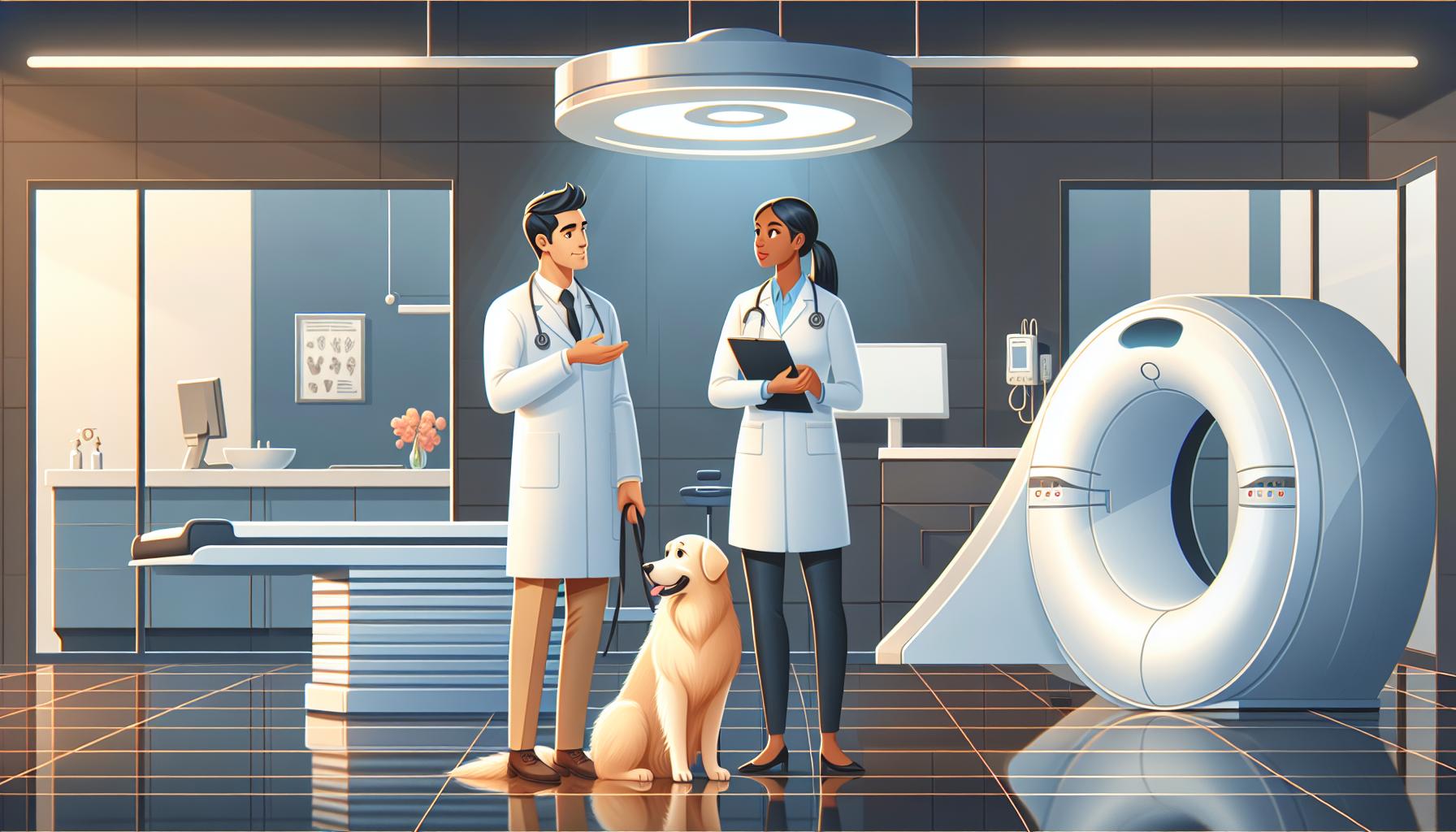
Where to Find Veterinary CT Scans Near You
Finding a veterinary CT scan facility can be a vital step in diagnosing your dog’s health condition, and knowing where to look can ease the process significantly. Many veterinary clinics and animal hospitals now offer advanced imaging services, including CT scans. To begin your search, consider reaching out to your primary veterinarian, as they often have partnerships with specialized imaging centers and can provide recommendations tailored to your dog’s needs.
Additionally, larger veterinary hospitals frequently have on-site CT scan capabilities. It’s beneficial to check their websites or call to confirm availability. Facilities affiliated with veterinary schools or universities are also equipped with state-of-the-art technology and experienced radiologists. They typically offer comprehensive diagnostic services and may even be involved in research, which can provide access to novel treatments and procedures.
When searching online, utilize keywords like “veterinary CT scan near me” or “pet imaging centers” to find options in your area. Websites such as the American Veterinary Medical Association (AVMA) or local veterinary organizations can also provide valuable resources and listings. Don’t hesitate to ask about the specifics of the imaging center, such as the qualifications of the technicians, the type of equipment used, and any necessary preparation for your pet prior to the scan.
By taking these steps, you can ensure that your dog receives the best possible care in an environment designed to reduce stress for both you and your pet. Always remember to consult with your veterinarian to discuss which imaging option is the safest and most effective based on your dog’s condition.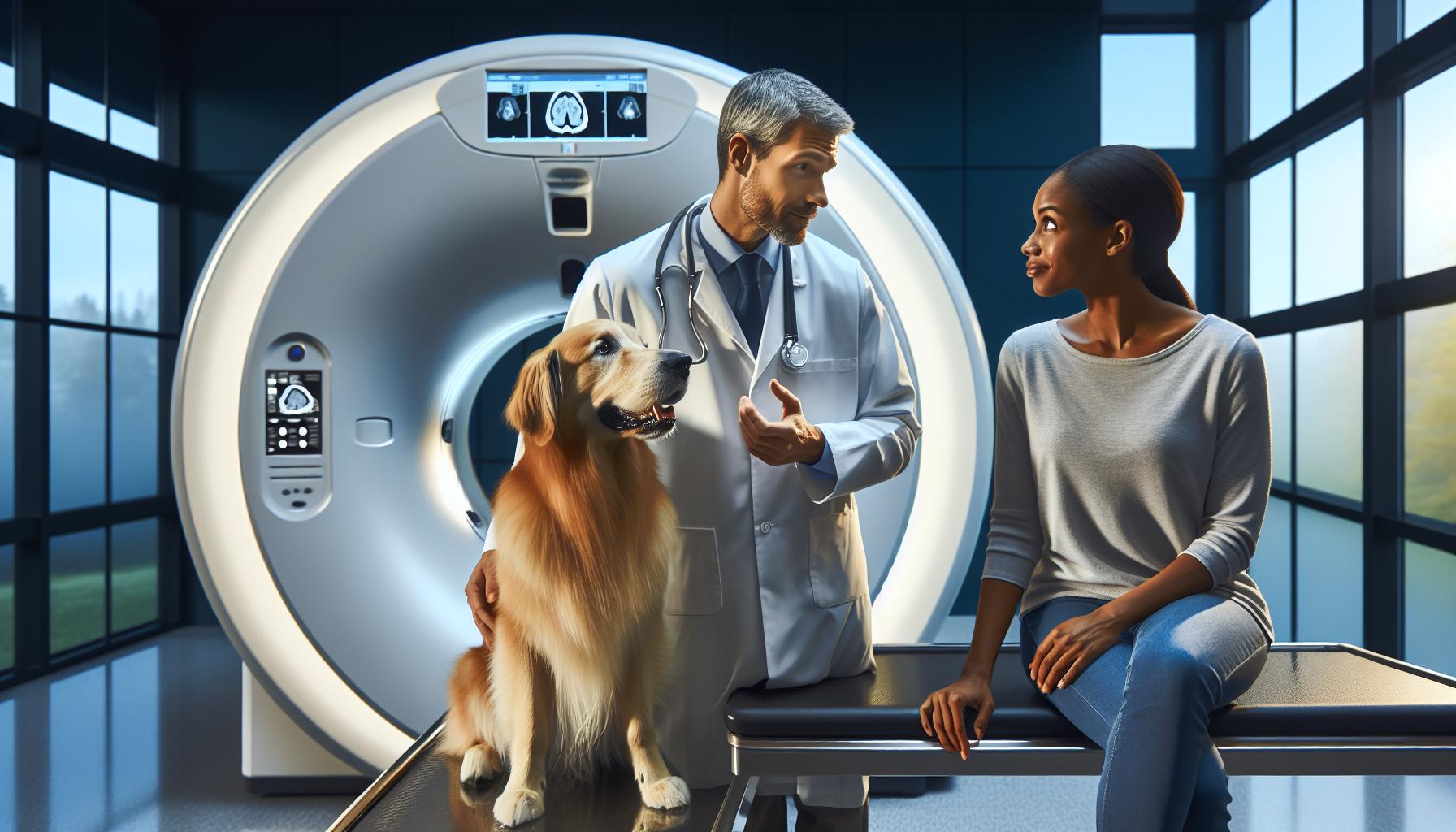
Understanding CT Scans for Dogs
Through the lens of advanced imaging technology, veterinarians can gain a clearer understanding of your dog’s health, particularly when it comes to complex diagnoses. A CT scan, or computed tomography scan, takes multiple X-ray images from various angles and uses computer processing to create cross-sectional images of your pet’s body. This detailed imaging helps veterinarians visualize internal structures in a way that traditional X-rays cannot, enabling them to identify issues such as tumors, fractures, and internal bleeding with greater precision.
One of the significant advantages of CT scans for dogs is the ability to provide comprehensive images of organs and tissues without invasive procedures. For instance, if a dog is suspected of having an underlying health issue, such as cancer or a neurological disorder, a CT scan can help substantiate the diagnosis and guide further treatment options. Moreover, specialized software can enhance the images, allowing radiologists to assess and interpret them efficiently.
While the idea of a CT scan may feel daunting, most pets undergo the procedure under sedation to ensure they remain still and calm throughout the imaging process. This sedation not only enhances image quality but also helps to reduce any anxiety or discomfort your dog might experience. Typically, the procedure lasts from 30 minutes to an hour, keeping your furry friend comfortable and secure in a controlled environment.
It’s essential to understand that while CT scans are a powerful diagnostic tool, they might not be necessary for every pet. Your veterinarian will assess your dog’s symptoms and previous medical history to determine if a CT scan is warranted. Engaging in an open conversation with your veterinarian about your pet’s health will empower you to make informed decisions regarding their diagnosis and care.
How CT Imaging Benefits Your Pet
CT imaging offers invaluable benefits for your pet by providing veterinarians with high-resolution images that help in diagnosing and managing various health conditions. Unlike traditional X-rays, which present a flat view of the body, a CT scan creates detailed cross-sectional images, allowing for a comprehensive examination of internal structures. This technology is especially advantageous in identifying critical issues such as tumors, bone fractures, and internal bleeding, all of which might not be visible through less advanced imaging methods.
One of the primary advantages of CT imaging is its ability to reduce the need for invasive surgical procedures. For example, if a veterinarian suspects that a dog has a tumor, a CT scan can confirm its presence and evaluate its size and location, guiding treatment options such as surgery or radiation therapy. This clear visualization not only enhances diagnostic accuracy but also aids in planning effective treatment strategies, ultimately improving outcomes for your pet.
Additionally, the speed and efficiency of CT scans can significantly ease the diagnostic process. Most scans are completed within a short timeframe, typically 30 to 60 minutes, and they can be particularly useful in emergency situations where time is critical. Having a clear and immediate understanding of your pet’s condition allows for prompt intervention, which can be a lifesaver in critical health situations.
It’s important to approach your veterinarian with any concerns about your pet’s health, as they can help determine if a CT scan is the right course of action. Engaging with a qualified veterinary healthcare team ensures that you are informed and confident in the decisions made for your pet’s diagnostic and treatment needs. By opting for CT imaging, you are taking a proactive step in safeguarding your furry friend’s health and wellbeing.
Preparing Your Dog for a CT Scan
Preparing for a CT scan can feel overwhelming, but understanding the steps involved can help ease both you and your dog’s anxiety. A CT scan, or computed tomography scan, is a safe and effective imaging technique that allows veterinarians to see detailed images of your dog’s internal structures. By being well-prepared, you can ensure that the process goes smoothly and your pet is as comfortable as possible.
Firstly, your veterinarian will provide specific instructions tailored to your dog’s needs, which is crucial to follow closely. Generally, you may be required to withhold food for 12 hours before the procedure, as this can help improve the quality of the images and reduce the risk of nausea during anesthesia. Always consult your veterinarian on whether water should also be withheld.
When the day of the scan arrives, bring your dog to the imaging center. It’s advisable to arrive a little early to allow time for paperwork and for your dog to acclimate to the new environment. You may want to bring along your dog’s favorite toy or blanket, as familiar scents can provide comfort. If your pet is anxious or reactive, inform the staff ahead of time so they can take extra precautions to create a calm environment.
During the CT scan, your dog will likely need to be sedated to ensure they remain still for accurate imaging. This sedation is typically safe, and the veterinary team will closely monitor your pet’s vital signs throughout the process. While waiting, rest assured that the procedure itself usually takes only about 30 to 60 minutes, during which the team will gather the necessary images for the veterinarian to evaluate.
In summary, involves following veterinary guidance on dietary restrictions, arriving early for the appointment, bringing comforting items, and understanding the sedation process. Clear communication with your veterinary team can help ensure that both you and your dog feel more at ease as you navigate this important diagnostic procedure.
What to Expect During a CT Scan
Undergoing a CT scan can be a crucial step in diagnosing and treating your dog, offering a detailed and clear view of their internal structures. This advanced imaging technique is designed to provide your veterinarian with the necessary information to make informed medical decisions, all while ensuring your pet receives the best possible care.
As you arrive at the imaging center, you and your furry friend will be greeted by a professional team experienced in handling both animals and their anxious owners. The environment is often calm and accommodating, designed to make the experience as stress-free as possible. Expect to fill out some paperwork while your dog gets acclimated. This is also an ideal time to speak with the veterinary staff about any last-minute concerns or questions you may have.
When it’s time for the scan, your dog will typically be guided to the CT machine, which resembles a large doughnut-shaped structure. This machine takes multiple X-ray images from various angles, which a computer then combines to create detailed cross-sectional views of your dog’s body. To ensure clear imaging, sedation is often required. This is administered safely, allowing your dog to remain still throughout the procedure. The entire process usually lasts between 30 to 60 minutes, during which the veterinary team will closely monitor your dog’s vital signs to ensure their safety and comfort.
After the scan, your dog will be taken to a recovery area where they will slowly wake up from the sedation. Staff will observe them until they’re ready to go home, providing reassurance that your pet is doing well. Once your dog is awake, you will receive post-procedure instructions, which may include monitoring them for any unusual behavior as the sedation wears off. Overall, understanding the CT scan process helps alleviate anxiety, making the experience smoother for both you and your beloved pet.
CT Scans vs. Other Imaging Options
Underneath the surface of your pet’s health, advanced imaging technologies play a crucial role in revealing hidden medical conditions. While CT scans are one of the most effective diagnostic tools, it’s important to consider how they compare to other imaging options available for your furry friend. Understanding these differences can empower you to make informed decisions about your dog’s care.
CT Scans Versus X-Rays
Although both CT scans and traditional X-rays utilize radiation to create images of the body, CT scans provide a far more detailed view. X-rays are primarily useful for identifying issues such as broken bones or detecting certain masses, but they can often overlook smaller problems nestled deep within the body. In contrast, CT scans produce cross-sectional images that allow veterinarians to examine organs, tissues, and bone structures in greater detail. This makes CT scans particularly beneficial for diagnosing complex conditions like tumors, abscesses, and internal injuries.
CT Scans Compared to MRI
Magnetic Resonance Imaging (MRI) is another powerful imaging option primarily used for soft tissue evaluation, such as the brain, spinal cord, and muscles. Unlike CT scans, which use ionizing radiation, MRIs use magnetic fields and radio waves, making them a safer option for certain cases, particularly in younger or smaller animals. However, MRIs can be time-consuming and more expensive than CT scans, and they may not provide the same level of detail for bone structures. Therefore, your veterinarian may recommend a CT scan for skeletal assessments and an MRI for neurological evaluations or soft tissue issues.
Ultrasound: A Different Approach
Ultrasound is another imaging method that utilizes sound waves to create images of internal structures. It’s particularly useful for examining organs in real-time and is often the go-to choice for assessing conditions affecting the heart, abdomen, or reproductive organs. Unlike CT scans, which provide a static cross-section of the body, ultrasounds can show movement and blood flow. However, they may not penetrate as deeply into the body, which can limit their applicative range for complex cases.
In making the best choice for your dog, consider the specific symptoms they are exhibiting and consult with your veterinarian. They can recommend the most appropriate imaging technique based on your pet’s needs, ensuring that you receive accurate and timely diagnoses that lead to effective treatment. Ultimately, each imaging modality has strengths and weaknesses, and understanding these can support you in making the best medical decisions for your beloved companion.
Cost of CT Scans: What You Should Know
When it comes to ensuring your pet receives the best care, understanding the costs associated with a CT scan is essential for planning and peace of mind. CT scans offer a detailed insight into your dog’s internal health, enabling veterinarians to make informed diagnoses. However, knowing the financial aspect can alleviate some stress during this crucial time.
Typically, the cost of a CT scan for dogs can vary significantly based on the location, the facility, and the complexity of the scan. On average, pet owners may expect to pay between $1,000 and $2,000 for a CT scan. This price usually encompasses not only the scan itself but also the consultation fees, any necessary anesthesia, and follow-up discussions regarding the results. It’s essential to reach out to local veterinary imaging centers to get a more precise estimate as costs can fluctuate based on specific services provided.
Factors Influencing the Cost
Several factors can influence the total cost of a CT scan for your pet, including:
- Geographical Location: Veterinary services in urban areas typically charge higher fees compared to rural settings.
- Facility Type: Specialty veterinary hospitals often have advanced technology and experienced staff, which may reflect in higher costs.
- Size and Condition of the Pet: Larger dogs or those with specific health conditions might require more extensive scans, potentially increasing the price.
- Follow-up Care: Additional tests or treatments recommended post-scan can add to the overall expense.
Investing in your pet’s health can feel daunting, but many facilities offer payment plans or financing options designed to ease the burden of upfront costs. Always discuss your concerns with your veterinarian. They can help clarify the necessity of the scan and its associated costs, ensuring you feel comfortable proceeding with the recommended care for your furry friend. This proactive approach not only aids in making informed decisions but also enhances the health and happiness of your beloved pet.
Safety of CT Scans for Pets
When it comes to ensuring the safety of your furry friend during a CT scan, understanding the process can greatly alleviate your concerns. CT scans are considered relatively safe for pets, with advanced imaging technology designed to minimize risks while providing crucial diagnostic insights. The amount of radiation exposure during a CT scan is typically low, especially when compared to other imaging techniques like traditional X-rays. Veterinary clinics and imaging centers utilize state-of-the-art equipment that adheres to strict safety protocols, ensuring that your pet is subjected to only the necessary amount of radiation.
Before the CT scan, veterinarians may provide specific instructions to prepare your pet, which can include fasting for a few hours. This preparation helps reduce the likelihood of complications during the procedure. Anesthesia may be required to keep your pet still and calm during the scan, which is a standard practice in veterinary medicine. Your veterinarian will discuss this option with you, addressing any concerns regarding anesthesia safety. They will consider your pet’s health history and current condition to ensure that the benefits of the scan outweigh any potential risks.
Post-scan, pets may exhibit slight grogginess if sedated, but this is generally temporary. It’s essential to observe your pet for any unusual behavior after the procedure and report anything concerning to your veterinarian. Their expertise and familiarity with your pet’s health status allow them to offer personalized guidance, ensuring both safety and comfort during the recovery phase. Ultimately, CT scans serve as invaluable tools in diagnosing various health issues, allowing for timely and effective treatment while prioritizing your pet’s well-being.
Understanding CT Scan Results for Dogs
A CT scan can reveal a wealth of information about your dog’s health, often uncovering issues that are not easily detectable through traditional methods. Understanding these results is crucial in decoding your pet’s health status and making informed decisions about their care. Typically, a veterinary radiologist will analyze the CT images and prepare a report that evaluates any abnormalities, such as tumors, fractures, or organ dysfunctions.
Interpreting CT results can be intricate, but here are some key points to consider:
- Normal vs. Abnormal Findings: The report will distinguish between normal anatomical structures and any anomalies detected. For example, a benign growth might be identified, indicating no immediate threat, while the presence of a tumor may require further investigation.
- Comparison with Other Imaging: Your veterinarian may compare CT findings with other imaging results (like X-rays or ultrasounds) to provide a comprehensive diagnostic overview. CT scans can often reveal more detailed insights, particularly for complex areas like the chest or abdomen.
- Follow-Up Recommendations: Depending on the results, your veterinarian may suggest additional diagnostic tests or specific treatments. They will guide you through the next steps, ensuring you understand the implications of the findings.
It’s natural to feel overwhelmed when discussing medical terminology and results. Don’t hesitate to ask your veterinarian questions or for clarifications regarding the report; they are there to help interpret the findings in a way that makes sense for you and your pet. Remember, CT scans serve as powerful diagnostic tools that can significantly assist in determining the right course of action for your furry friend’s health.
Finding Reputable Pet Imaging Centers
Finding the right imaging center for your pet can significantly impact their diagnosis and overall treatment. As CT scans for dogs require specialized equipment and skilled personnel, it is essential to seek out a reputable facility that prioritizes both the health of your pet and the expertise of their staff. Begin by asking your veterinarian for recommendations, as they often have established relationships with nearby imaging centers. They can provide insight based on the success rates and experiences of other pet owners.
When looking for a CT imaging center, consider reviewing online ratings and testimonials from fellow pet owners. Websites that focus on veterinarian reviews can be a treasure trove of information, giving you a glimpse into the experiences of others. Pay close attention to aspects such as the professionalism of staff, the cleanliness of the facilities, and the overall demeanor towards pets and their owners. A friendly and compassionate approach often goes hand in hand with quality care, reflecting a center’s dedication to pet welfare.
In addition to checking reviews, it’s crucial to explore the technology and services offered at the imaging center. Make inquiries about the specific types of CT machines they use, as advancements in technology can affect image quality and the accuracy of diagnoses. Moreover, find out if the facility employs board-certified veterinary radiologists or trained technicians who specialize in performing CT scans on animals. This expertise can lead to more precise interpretations of scan results and better suggestions for follow-up care.
Lastly, consider logistical aspects such as the location and availability of the imaging center, as well as the costs associated with the scan. Many centers will offer quotes or estimates upfront, which can assist in budget planning. During your initial contact with them, don’t hesitate to ask about their safety protocols, particularly regarding anesthesia, which may be necessary depending on your dog’s condition. By taking these steps, you can ensure that your furry friend receives excellent care in a supportive environment throughout their CT scanning process.
When to Consider a CT Scan for Your Dog
When it comes to your dog’s health, recognizing when a CT scan might be necessary can be challenging. CT scans represent a powerful diagnostic tool that provides detailed cross-sectional images of your pet’s internal structures, making them invaluable in specific situations. These scans are often recommended when your veterinarian suspects conditions that are difficult to diagnose using standard imaging methods like X-rays or ultrasounds. For instance, if your dog has persistent pain, unexplained weight loss, or swelling, a CT scan can help pinpoint underlying issues such as tumors, fractures, or internal injuries that might not be apparent through other imaging techniques.
You might also consider a CT scan if your dog is experiencing neurological symptoms such as seizures, coordination problems, or behavioral changes. These scans are particularly effective in assessing conditions related to the brain and spine, allowing veterinarians to visualize issues like herniated discs or brain tumors. In the case of trauma, such as being hit by a vehicle, immediate imaging can be critical in identifying internal injuries that require urgent attention.
If your dog is undergoing treatment for cancer, CT imaging can help evaluate the effectiveness of the treatment and determine whether a tumor has shrunk or spread. This diagnostic process can also guide surgical planning by providing a clearer view of the tumor’s borders and surrounding anatomy, which is essential for successful intervention. Equally important, if your vet is uncertain about a diagnosis, a CT scan can provide the additional information needed for a more precise evaluation.
In summary, CT scans can be a vital part of a comprehensive approach to your dog’s healthcare when other methods fall short, providing clarity and direction in treatment decisions. Always consult with your veterinarian to understand whether a CT scan is appropriate for your dog’s specific medical situation and what steps you might need to take to prepare for this important imaging procedure.
Real Pet Stories: CT Scan Experiences
When faced with the prospect of a CT scan for their furry friends, many pet owners experience a mix of emotions-anxiety, concern, and the hope for a definitive diagnosis. Real pet stories can shed light on this experience, reassuring those who may be apprehensive about the procedure. For example, one dog owner, Sarah, faced a difficult decision when her golden retriever, Bailey, showed signs of distress and persistent limping. After an initial examination and X-rays revealed inconclusive results, her veterinarian recommended a CT scan to gain a clearer understanding of Bailey’s condition.
Upon arriving at the imaging center, Sarah was pleasantly surprised by the warm and welcoming atmosphere. The staff took the time to explain the entire process, alleviating her worries. They assured her that Bailey would be well cared for, sedated if necessary for comfort and stillness during the scan. The point of the scan was not just to get images but also to ensure Bailey’s well-being, which led Sarah to feel more at ease. The scan revealed a small fracture that had been missed in the X-rays, allowing for a targeted treatment plan that ultimately led to Bailey’s swift recovery.
For many pet owners, understanding what to expect can ease their anxiety significantly. Sharing experiences about how other pets have undergone the process-like a mischievous pug named Milo who found new friends at the imaging center, distracting him from the procedure-can transform the fear of the unknown into a rounded picture of care and support. Many imaging centers offer pre-scan tours to help pet owners familiarize themselves with the environment, contributing to a more positive experience.
These real-life scenarios emphasize the importance of communication between pet owners and veterinary professionals. Questions about the procedure, its purposes, and the potential outcomes are vital. Empowering conversations can leave owners feeling equipped to make informed decisions, bolstered by the knowledge that countless pets have gone through similar experiences with phenomenal outcomes. Ultimately, these stories serve as a gentle reminder: when the need for advanced imaging arises, veterinary CT scans are not just about technology; they represent a step towards healing and understanding our beloved companions.
Faq
Q: What types of veterinary clinics offer CT scans for dogs?
A: CT scans for dogs are typically available at specialized veterinary hospitals and diagnostic imaging centers. Look for facilities that focus on advanced imaging technology, including emergency veterinary clinics, university veterinary schools, and dedicated pet imaging centers. Check their websites for services and equipment details.
Q: How can I locate pet imaging centers in my area?
A: You can locate pet imaging centers by searching online using terms like “CT scans for dogs near me” or “veterinary imaging services.” Additionally, your primary veterinarian can provide referrals and recommendations based on your location.
Q: What should I consider when choosing a pet imaging center?
A: When selecting a pet imaging center, consider the facility’s accreditation, the experience of the veterinarians and technicians, the types of imaging equipment available, and reviews from other pet owners. Also, inquire about the availability of emergency services and follow-up care.
Q: Are there emergency services that provide CT scans for dogs?
A: Yes, many emergency veterinary clinics offer CT scans for dogs. These facilities are equipped to handle urgent situations and can provide timely imaging services to diagnose critical issues. Check local emergency vets for their imaging capabilities.
Q: What are the benefits of getting a CT scan for my dog?
A: CT scans provide detailed cross-sectional images of your dog’s internal structures, allowing for accurate diagnosis of conditions like tumors, fractures, or internal bleeding. This technology enhances treatment planning by offering a clearer view compared to traditional X-rays.
Q: How much does a CT scan for a dog typically cost?
A: The cost of a CT scan for a dog varies widely based on location and facility but generally ranges from $1,000 to $3,000. Some centers may offer financing options or payment plans. Always check with the imaging center for detailed pricing and insurance coverage.
Q: Is a referral necessary to get a CT scan for my dog?
A: In many cases, a referral from your veterinarian is necessary for your dog to receive a CT scan. Your vet will evaluate whether a CT scan is needed and can guide you to an appropriate imaging facility based on your dog’s specific condition.
Q: What steps should I take after my dog has a CT scan?
A: After your dog’s CT scan, follow the veterinarian’s post-procedure care instructions. This may include monitoring your pet for any adverse reactions and scheduling a follow-up appointment to discuss the results and potential treatment options.
The Conclusion
When it comes to the health and well-being of your dog, knowing where to find reliable CT scans is crucial. By exploring specialized pet imaging centers, you can ensure your furry friend receives the diagnostic insights they need for prompt and effective treatment. Don’t hesitate-book an appointment today to give your pet the care they deserve.
For more detailed insights, check out our guides on preparing for your pet’s imaging procedures and understanding the costs associated with CT scans. Whether you’re seeking information on X-rays, MRIs, or general veterinary care, we have a wealth of resources to help you make informed decisions.
Stay connected and empowered by signing up for our newsletter, where you’ll receive the latest updates and expert advice right to your inbox. Your pet’s health is our priority, and with the right information, you can navigate their care with confidence. Explore these valuable resources now, and don’t forget to share your experiences or questions in the comments below!