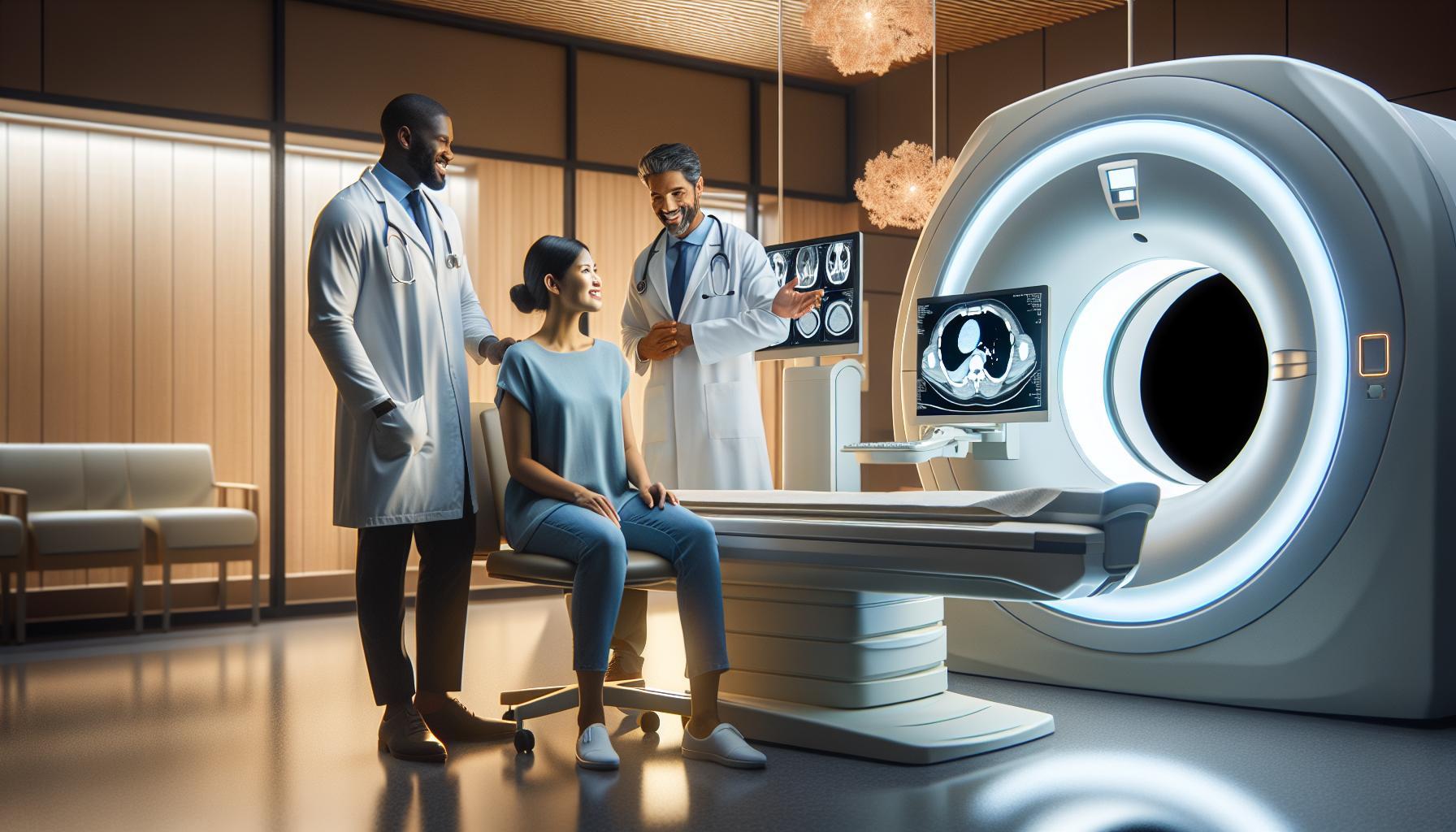
When it comes to diagnosing tumors, CT scans offer a powerful imaging method that can reveal potential growths within the body. With the rapid advancements in medical technology, understanding how effectively CT scans detect tumors can alleviate some of the anxiety associated with diagnostic procedures. Many patients worry about whether their symptoms will lead to a clear diagnosis and if any underlying issues will be missed.
CT scans provide detailed images that can help identify tumors, their size, and their location, aiding healthcare professionals in making informed decisions. This insight is essential for early detection and treatment, impacting overall outcomes. As you read further, we’ll explore the process of CT scans, what you can expect, and how they play a crucial role in tumor detection, empowering you with the knowledge to navigate your healthcare journey confidently.
Do CT Scans Detect All Tumors?
While CT scans are a powerful tool for detecting a range of medical conditions, they do not have the capability to detect every tumor. Their effectiveness largely depends on factors like the type of tumor, its size, location, and the specific characteristics inherent to CT imaging. For instance, certain types of tumors-such as those in very thin tissues-may be difficult to visualize clearly, while others may not be apparent until they reach a certain size.
Tumors that are highly vascularized or have distinct cellular characteristics are generally more identifiable. One common example is the detection of lung nodules, which CT scans are particularly effective at identifying. However, small tumors, particularly those that are less than a few millimeters in diameter, can easily be overlooked. Moreover, some tumors may exhibit similar density characteristics as surrounding tissues, further complicating detection.
The skill of the interpreting radiologist also plays a crucial role in tumor detection. Their experience and expertise can significantly influence whether a tumor is spotted. In some instances, advanced imaging techniques like MRI or PET scans may be needed to further evaluate suspicious areas that a CT scan has identified. It is always essential for patients to discuss their specific circumstances with a healthcare professional, who can recommend an appropriate imaging strategy based on medical history and symptoms.
Ultimately, while CT scans provide valuable insights and are a cornerstone of modern diagnostic medicine, they are not infallible. Regular follow-ups and a comprehensive approach to diagnosis can ensure that potential issues are caught early and managed effectively.
Understanding Tumor Visibility on CT Scans
A CT scan, or computed tomography scan, has revolutionized the way medical professionals visualize the internal structures of the body, providing critical insights into various health conditions, including tumors. However, the visibility of tumors during a CT scan is not guaranteed and can be influenced by several distinct factors. Understanding these nuances can help demystify the process for patients and alleviate some of the anxiety surrounding diagnostic imaging.
One of the primary factors determining tumor visibility is the tumor’s size and location. Generally, larger tumors are more easily detected. For instance, a tumor that measures over a few centimeters is likely to be visible on a CT scan, while smaller tumors, particularly those measuring less than a few millimeters, can be easily missed. Additionally, tumors nestled in complex anatomical structures or those lying adjacent to organs with similar density characteristics may blend in with surrounding tissues, diminishing their visibility.
Tumor characteristics also play a significant role in detectability. Tumors that are more vascularized or have distinctive cellular features tend to appear clearer on imaging. For example, lung nodules, often monitored via CT scans, usually present as well-defined spots with contrasting density compared to lung tissue. However, some cancers exhibit minimal differences from normal tissue, complicating detection. It’s important to remember that the interpreting radiologist’s expertise can also impact the ability to identify tumors; seasoned professionals are typically more adept at spotting subtle abnormalities.
Ultimately, while CT scans are an invaluable tool in tumor detection and overall patient diagnosis, they are not foolproof. Factors such as tumor size, location, and characteristics can significantly affect outcomes, alongside the expertise of the radiologist conducting the interpretation. Patients are encouraged to discuss their individual circumstances with healthcare providers to determine the most effective imaging strategies tailored to their unique medical profiles. Regular communication and follow-up care can enhance the likelihood of detecting potential health issues early on.
Common Types of Tumors Identified by CT Imaging
Many types of tumors can be identified through CT imaging, each presenting unique characteristics that can help medical professionals make informed decisions about diagnosis and treatment. Among the most commonly detected tumors are those in the lungs, liver, kidneys, and pancreas, as these organs are frequently examined using CT scans due to their prevalence in various cancers.
Lung Tumors
Lung tumors are among the most commonly identified malignancies through CT imaging. These can manifest as solitary nodules or masses and are often evaluated using CT scans to determine their size, shape, and density. The appearance of these nodules can provide crucial insights into whether they are benign or malignant. For example, a well-circumscribed, dense nodule may raise suspicion for lung cancer, while calcified nodules are more likely indicative of benign conditions.
Liver Tumors
CT scans are also highly effective in identifying tumors within the liver, including hepatocellular carcinoma and metastatic liver disease. These tumors often display distinctive characteristics on CT, such as specific patterns of enhancement that occur after contrast administration. Radiologists are trained to recognize these patterns, enabling them to differentiate between various types of liver lesions.
Kidney Tumors
In the kidneys, tumors such as renal cell carcinoma can be visualized with CT scans, which help assess the size and extent of the disease. These tumors typically appear as solid masses that may enhance with contrast material. The detection of renal masses through CT can guide further management, including the need for biopsy or surgery.
Pancreatic Tumors
Pancreatic tumors, including pancreatic adenocarcinoma, are notoriously challenging to diagnose in their early stages, making CT imaging invaluable. The scans can reveal masses or changes in the pancreas that may suggest malignancy, often enabling earlier intervention, which significantly impacts prognosis.
By effectively visualizing these tumor types, CT imaging plays a vital role in the early detection and management of various cancers. Each tumor’s characteristics, combined with the expertise of the radiologist, help refine diagnoses and tailor patient treatment plans. Always consult with healthcare professionals to understand the significance of imaging results and any subsequent steps in your care pathway.
Factors Affecting Tumor Detection on CT Scans
Certain factors can significantly influence the ability of CT scans to detect tumors, affecting the accuracy and effectiveness of this imaging technique. One primary consideration is the size of the tumor. Generally, smaller tumors, especially those measuring less than 1 centimeter, may not be easily visible on CT scans. A study shows that the detection rate increases as tumors grow larger; thus, early-stage cancers may evade detection until they reach a more significant size.
Moreover, the location of the tumor plays a crucial role in its detectability. Tumors located in areas with complex anatomy, such as the pancreas or behind other organs, can be more challenging to identify. For instance, pancreatic tumors may initially present no clear signs on imaging due to their deep position and the surrounding structures that can obscure visibility. Similarly, tumors situated adjacent to the chest wall or within the folds of the liver might also blend into the background, complicating their detection.
Contrast enhancement during CT imaging significantly boosts tumor visibility. When a contrast agent is administered, it improves the clarity of the images by highlighting differences in tissue density. Tumors often absorb the contrast differently than surrounding healthy tissues, making them more distinguishable. However, certain factors such as patient allergy to contrast materials or the presence of renal impairment may limit its use, thereby impacting the scan’s effectiveness.
Lastly, patient factors such as body habitus and motion during the scan can affect image quality and tumor detection. A larger body size may result in a lower resolution of images, while patient movement can blur the scan results. Ensuring patient cooperation and promoting a calm environment can help mitigate these challenges, improving the likelihood of accurate tumor visualization.
In essence, while CT scans are a powerful tool for detecting various tumors, the intricate interplay of tumor size, location, imaging techniques, and patient characteristics can all influence their visibility. Understanding these factors empowers patients with knowledge about the imaging process, emphasizing the importance of thorough consultations with healthcare professionals for personalized advice and optimal care pathways.
Preparing for a CT Scan: What You Need to Know
A CT scan is a vital tool in medical imaging, providing crucial information that can aid in the detection of tumors. Preparing adequately for this procedure can make a significant difference in its effectiveness and the clarity of the results. To ensure a smooth experience, it’s essential to follow specific guidelines regarding preparation.
Before your scheduled CT scan, it’s important to discuss with your healthcare provider any medications you are currently taking, as some may need to be paused prior to the scan. Additionally, you should inform them about any allergies, particularly to contrast materials, as this could affect your treatment on the day of the scan. If your scan requires contrast enhancement, be prepared for an intravenous (IV) line to be inserted, which will facilitate the administration of the contrast agent.
Most importantly, dietary restrictions may also apply. Your healthcare provider might advise you to avoid eating or drinking for several hours before the scan, particularly if a contrast agent is involved. To avoid nausea and ensure clearer images, it’s generally recommended to have an empty stomach. This fasting period can vary based on the type of CT scan, so always clarify the requirements with your doctor.
On the day of the scan, wear comfortable, loose-fitting clothing. You may be asked to change into a hospital gown, particularly if your scan will assess areas covered by clothing. Leave any jewelry or metal accessories at home, as these can interfere with imaging. Arriving a bit early can also help ease any anxiety and give you time to ask final questions about the procedure.
By understanding and following these preparations, you can help ensure your CT scan is as effective as possible, thereby benefiting from the most accurate assessment of your condition. Always feel empowered to discuss any concerns or questions you might have with your healthcare team, as their guidance is essential in navigating the process.
CT Scan Procedure: Step-by-Step Guide
The process of undergoing a CT scan can feel overwhelming, but knowing what to expect can significantly alleviate anxiety. A CT scan, or computed tomography scan, uses X-rays to create detailed images of the inside of your body, helping doctors identify and evaluate tumors. The procedure is relatively quick, often taking just 15 to 30 minutes from start to finish, and understanding each step can make the experience smoother and less intimidating.
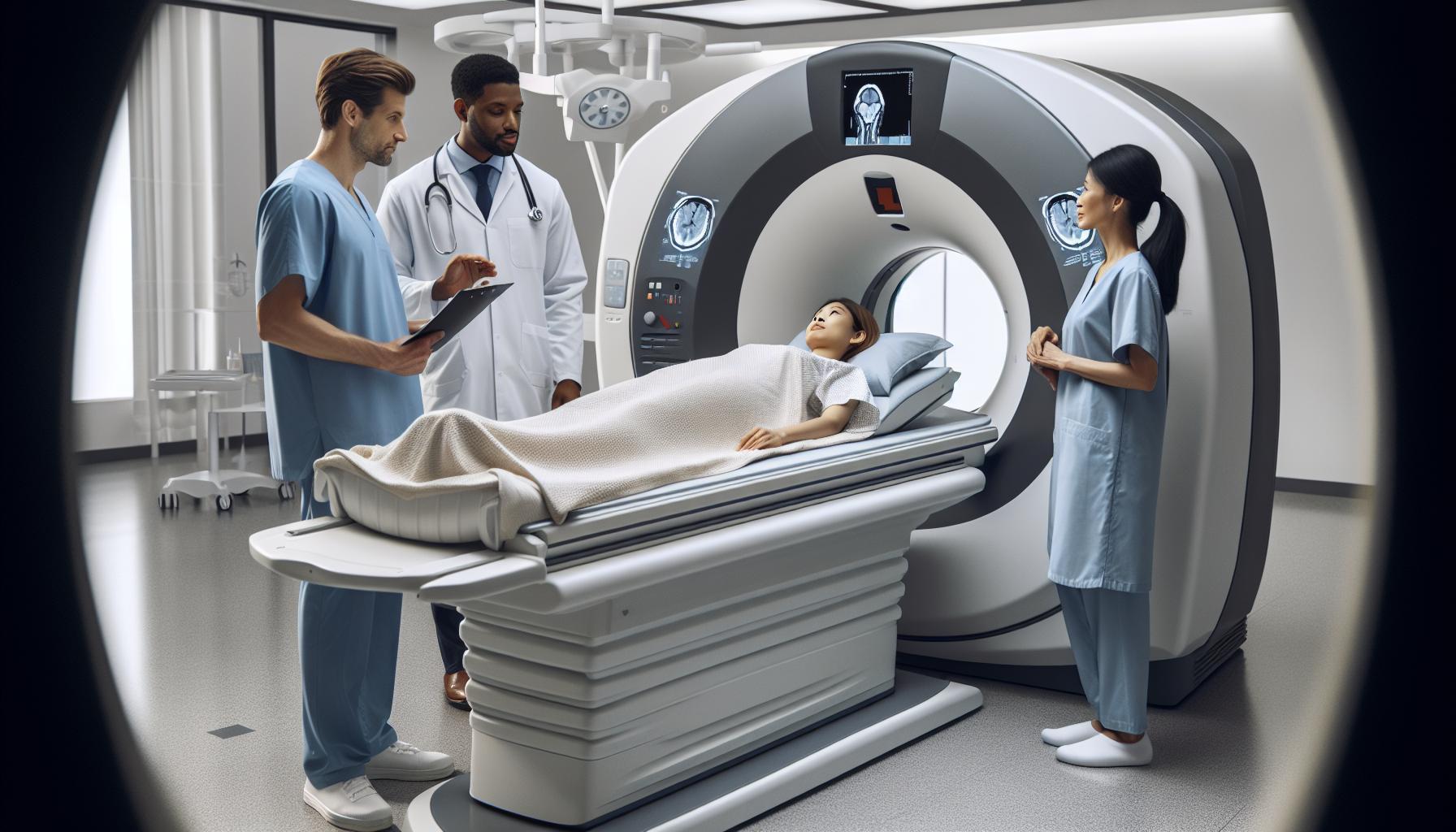
Upon arrival at the imaging center, you will check in and may be asked to complete a brief medical questionnaire. This information is essential for ensuring that the scan is performed safely and effectively. If your scan requires a contrast material to enhance image clarity, an intravenous (IV) line may be inserted into your arm to administer the dye. This step is crucial, as it helps highlight blood vessels and certain tissues, making tumors more visible on the resulting images.
Once prepared, you will be escorted to the CT room, where you may be asked to change into a hospital gown. The CT machine resembles a large, doughnut-shaped device, and you’ll be positioned on a narrow table that slides into this opening. It’s important to remain still during the scan, as any movement can blur the images. A technician will instruct you when to hold your breath and when it’s okay to breathe normally, ensuring the most accurate results. Many patients find the scanning process surprisingly quick, and the noise produced by the machine can sound like a series of mechanical whirs and clicks.
Ultimately, after the scan, the images are reviewed by a radiologist, who will interpret the results and share them with your physician. They will discuss findings with you and outline any necessary next steps. Feeling informed about the procedure can transform a daunting experience into a manageable one, allowing you to focus on the reasons for your scan and the potential outcomes. Remember, if you have any concerns or questions about the procedure, it’s always best to communicate those with your healthcare provider for personalized advice tailored to your situation.
Interpreting CT Scan Results: A Patient’s Perspective
Understanding the results of a CT scan can be a pivotal moment for patients, as it often leads to the next steps in diagnosis or treatment. It’s natural to feel a mix of anticipation and anxiety while waiting for results, especially if the scan was conducted to investigate a possible tumor. It’s important to remember that CT scans provide crucial insights into your health but are one part of the broader diagnostic process.
After a CT scan, your images will be evaluated by a radiologist who specializes in interpreting medical imaging. They will look for any abnormalities, such as tumors, that may require further investigation. Results may be communicated through your physician, who will discuss the findings with you. Before this discussion, consider jotting down questions you may have about the scan, the images, and their implications for your health. Common questions include the size or location of any identified tumors, what these findings might mean for your symptoms, and whether additional tests are necessary.
It’s also helpful to understand the terminology that may arise during the discussion. For example, terms like “mass,” “lesion,” or “nodule” can sound alarming, but they do not always indicate cancer. Many factors can influence how tumors appear on a CT scan, including their type, size, and location. It’s essential to have an open dialogue with your healthcare provider, as they can clarify any confusing aspects and contextualize the results concerning your overall health.
In some cases, despite advanced imaging techniques, certain tumors may not be visible on a CT scan, or they may be mistaken for benign structures. This is why follow-up imaging or additional diagnostic tests may be suggested. Remember that your medical team is there to support you, providing explanations and options tailored to your situation. Listening to their guidance, asking questions, and expressing concerns can empower you to take an active role in your health journey, alleviating anxiety and fostering a collaborative approach to your care.
Limitations of CT Scans in Tumor Detection
A common understanding is that CT scans are powerful diagnostic tools, but they come with certain limitations, particularly in tumor detection. It’s crucial to recognize that not all tumors are visible on a CT scan, and several factors can influence this visibility.
One significant limitation is the size and type of the tumor. Smaller tumors or those located in challenging anatomical areas may evade detection simply because they do not create a discernible shadow against surrounding tissues. For instance, very small lesions, particularly in the early stages of cancers, might not yet be large enough to appear on imaging. Tumors that lie close to other structures, such as blood vessels or intestines, can also be masked or misinterpreted due to overlapping tissues. Additionally, certain tumor types, particularly those that are more diffuse or infiltrative, can be difficult to isolate on a scan, leading to potential diagnostic challenges.
The timing of the scan can also play a crucial role. For example, a tumor’s characteristics may change between imaging sessions, and a tumor that was previously visible might become less distinct if it shrinks, transforms, or responds to treatment. Moreover, inflammatory processes or benign conditions can resemble tumors on imaging, leading to further diagnostic confusion.
Another aspect to consider is the quality and settings of the imaging equipment. Not all CT scanners provide the same resolution or clarity, and scanning parameters such as slice thickness or contrast use can affect the detectability of tumors. As a result, if a patient undergoes a CT scan in a facility with less advanced technology, the risk of overlooking a tumor increases.
Recognizing these limitations can empower patients to have informed discussions with their healthcare providers about the appropriateness of further imaging or additional diagnostic tests, such as MRIs or PET scans, which may be recommended if there is a concerning clinical suspicion. While CT scans are effective tools, understanding their boundaries can help patients approach their diagnosis with informed expectations, reducing uncertainty and anxiety. Consulting healthcare professionals to create a tailored and comprehensive diagnostic strategy can aid in achieving the best outcomes.
Advanced Imaging Techniques: When CT Isn’t Enough
In situations where CT scans may fall short in detecting tumors, advanced imaging techniques offer valuable alternatives to enhance diagnostic accuracy and patient care. For example, Magnetic Resonance Imaging (MRI) is particularly useful for visualizing soft tissues and can reveal tumors that CT scans might miss, especially in regions like the brain or spinal cord. MRIs employ powerful magnets and radio waves to create detailed images, making them a preferred choice for neurological and musculoskeletal evaluations.
Another effective tool is the Positron Emission Tomography (PET) scan, which utilizes a radioactive tracer to highlight areas of metabolic activity. Since many tumors exhibit increased metabolic rates compared to surrounding tissue, a PET scan can sometimes identify tumors earlier than CT scans. This technique is especially beneficial in cancer staging, monitoring treatment response, and detecting recurrence.
For patients with concerns about radiation exposure, these advanced imaging methods often provide additional context and insights without significantly increasing risk. Utilizing a multi-modality approach, healthcare providers can combine the strengths of CT, MRI, and PET scans to achieve more comprehensive imaging outcomes.
Moreover, integrating Ultrasound imaging can also be advantageous, especially for monitoring tumors in certain organs like the liver and kidneys. Ultrasound is a non-invasive option that uses high-frequency sound waves and can be safely employed alongside other imaging modalities to clarify uncertain findings.
Ultimately, if a CT scan presents ambiguous results or if there is high clinical suspicion of a tumor, discussing advanced imaging options with a healthcare provider is crucial. Doctors can tailor the imaging strategy to each patient’s specific situation, ensuring a thorough investigation while prioritizing patient comfort and safety. By staying informed and engaged in your healthcare journey, you can play an active role in ensuring the most accurate diagnosis and effective treatment.
Cost of CT Scans: What to Expect
Undergoing a CT scan can be a crucial step in diagnosing health issues, but understanding the associated costs is essential for planning your care effectively. The price of a CT scan can vary significantly based on several factors, including the facility where the scan is performed, the complexity of the imaging required, and whether you have insurance coverage. On average, patients can expect the cost of a CT scan to range from $300 to $3,000, depending on these variables.
One important factor that influences the cost is the type of CT scan performed. For instance, a simple CT of the abdomen may cost less than a specialized scan with contrast materials. Furthermore, facilities like outpatient imaging centers often provide more competitive pricing than hospitals. Insurance coverage also plays a critical role; many insurance plans partially or fully cover the cost of medically necessary scans, but copayments and deductibles will vary.
To prepare for potential expenses, consider the following strategies:
- Check with your insurance provider: Before scheduling your CT scan, contact your insurance company to understand your coverage, out-of-pocket expenses, and any required pre-approval.
- Compare facility prices: Don’t hesitate to call different imaging centers to get estimates; prices can vary widely between locations for the same procedure.
- Ask about financial assistance: Some facilities may offer payment plans or financial assistance for patients without insurance or those facing high costs.
Being informed about the financial aspect of your care can alleviate anxiety and allow you to focus on the importance of the scan itself. If you have any concerns regarding costs, discussing them with your healthcare provider can also lead to additional resources or alternatives that fit your budget while maintaining the quality of care you need.
Safety of CT Scans: Understanding Radiation Exposure
Undergoing a CT scan can understandably raise concerns about radiation exposure. It’s important to know that while CT scans do use X-rays, the amount of radiation a patient is exposed to is carefully managed and is generally considered safe for most individuals when the procedure is medically necessary. In fact, the benefits of obtaining accurate diagnostic information often outweigh the risks associated with this imaging technology.
CT scans provide critical insights into the body that can assist in diagnosing various conditions, including the detection of tumors. The radiation dose of a CT scan is significantly higher than that of a standard X-ray but remains within a range deemed acceptable for medical imaging. It’s noteworthy that advances in technology have led to modern CT scanners which are designed to minimize radiation exposure while still delivering high-quality images. For instance, features such as automatic exposure control and iterative reconstruction help reduce radiation doses without compromising diagnostic quality.
Patients may feel more at ease if they know that medical professionals follow strict guidelines regarding the use of CT scans. Prior to the procedure, it is routine for healthcare providers to evaluate the necessity of the scan, weighing the potential benefits against the risks. If you’re concerned about radiation exposure, don’t hesitate to discuss your thoughts with your healthcare team. They can provide reassurance, explain the rationale for the CT scan, and suggest alternative imaging methods if appropriate.
In rare cases, individuals who require multiple scans over time may accumulate higher doses of radiation, which is why healthcare providers consider previous imaging studies when planning further scans. To keep radiation exposure at the forefront of patient care, many facilities implement dose management protocols and encourage patients to maintain open communication regarding their medical history.
Understanding these aspects of safety can help alleviate fears surrounding CT scans, empowering you to make informed decisions about your health. Always consult with your healthcare provider to address any lingering concerns or questions related to your specific situation.
The Role of Radiologists in Tumor Detection
Radiologists play a pivotal role in the detection and diagnosis of tumors through imaging technologies, particularly CT scans. These specialists are trained to interpret complex images and identify abnormalities that may indicate the presence of tumors. Their expertise transforms raw data from imaging studies into actionable insights that guide treatment decisions and further diagnostic assessments. When a patient undergoes a CT scan, the radiologist analyzes the resulting images for various characteristics, such as shape, size, and density that could suggest the presence of malignant or benign tumors.
Understanding the Expertise of Radiologists
Radiologists utilize their extensive training and experience to differentiate between normal tissues and potential tumors, which often requires a keen eye and an in-depth understanding of human anatomy. In scenarios where tumors are suspected, radiologists look for specific qualities in the images. They employ advanced techniques such as:
- Post-processing methods: These enhance image clarity and accuracy, providing a better view of the area of concern.
- Contrast agents: Administered before scanning to highlight certain areas, making tumors more visible.
- Segmentation techniques: Isolating the tumor or the surrounding tissues for detailed analysis.
The ability to read and interpret CT images accurately can have significant implications for the patient’s treatment pathway. For instance, identifying a tumor early can lead to a timely intervention, increasing the chances of successful treatment outcomes.
Communication and Collaboration
Beyond the technical analysis, radiologists also play an essential role in communicating their findings to the referring physician and, ultimately, to the patient. They prepare detailed reports that summarize their observations, making it easier for healthcare providers to plan further tests or treatments if needed. This collaborative approach ensures that patients receive comprehensive care tailored to their specific conditions.
Moreover, radiologists are crucial in multidisciplinary teams, where they discuss imaging findings with oncologists, surgeons, and other specialists to devise a well-rounded treatment plan. Their insights can sometimes prompt additional imaging or testing to further clarify the diagnosis or assess treatment responses, showcasing their central role in ongoing patient management.
In summary, radiologists are indispensable in the tumor detection process, armed with skills that go beyond mere image interpretation. They provide crucial information that aids in the diagnosis, treatment planning, and patient care journey, ensuring that each individual receives the most appropriate approach based on the findings of their CT scans. As imaging technology continues to advance, the role of radiologists will only become more integral to the field of oncology, embodying a partnership between technology and expert human insight that prioritizes patient health and wellbeing.
Q&A
Q: How accurate are CT scans in detecting tumors?
A: CT scans are generally very accurate in detecting tumors, particularly larger ones, with sensitivity rates ranging from 70% to 90%. However, their accuracy can be influenced by tumor type, size, and location. Early-stage tumors may be more challenging to identify. For comprehensive accuracy, consult your healthcare provider.
Q: What types of tumors cannot be detected by CT scans?
A: Certain tumors, especially small, early-stage ones or those located in challenging areas such as the brain, may not be effectively detected by CT scans. Additionally, some tumors may require more sensitive imaging techniques, like MRI or PET scans, for better visualization.
Q: How long does it take to get CT scan results for tumors?
A: CT scan results can typically be available within 24 to 48 hours. The radiologist will analyze the images, and your physician will discuss the findings with you. Factors like the facility’s workload can affect the timing, so it’s best to check with your healthcare provider for specifics.
Q: Can CT scans distinguish between malignant and benign tumors?
A: While CT scans can provide valuable information about the characteristics and appearance of tumors, they cannot definitively distinguish between malignant and benign tumors. A biopsy is often necessary to confirm the nature of a tumor.
Q: Why might a doctor recommend additional imaging after a CT scan?
A: A doctor may recommend additional imaging, such as an MRI or PET scan, if the initial CT scan results are inconclusive, or if detailed information about the tumor’s metabolic activity or soft tissue characteristics is needed. This can help guide treatment decisions.
Q: Is it safe to have multiple CT scans for tumor monitoring?
A: While CT scans involve radiation exposure, having multiple scans is generally considered safe if medically justified. However, it’s crucial to discuss individual risks and benefits with your doctor, who may suggest alternative imaging methods if necessary.
Q: What should I do if I feel a lump but my CT scan was clear?
A: If you detect a lump despite a clear CT scan, it’s important to discuss your concerns with your healthcare provider. They may recommend further evaluation, including a physical examination, ultrasounds, or even a biopsy to ensure accurate diagnosis and monitoring.
Q: How can I prepare for a CT scan to improve tumor detection?
A: Proper preparation may enhance the effectiveness of your CT scan. Follow your doctor’s guidelines regarding fasting, hydration, or any necessary medications. Being calm and relaxed during the scan also helps in securing clear images for optimal tumor evaluation.
To Conclude
Understanding whether tumors can be detected on CT scans is vital for your health journey. These scans are powerful tools that can identify abnormalities and provide critical insights into your condition. If you’re feeling unsure or anxious, remember that discussing your concerns with a healthcare professional can clarify their effectiveness and what to expect.
For further guidance, explore related topics such as “CT Scan Preparation: What You Need to Know” and “Understanding Your Imaging Results.” These resources can provide deeper insights into navigating your imaging experience. Don’t hesitate to subscribe to our newsletter for the latest updates and information that can empower your health decisions. Your journey to understanding your health is important-take action today to stay informed and proactive. Share your thoughts and experiences in the comments below; we’re here to support you every step of the way.