When facing a medical issue, understanding your diagnostic options can be empowering. A Computed Tomography (CT) scan without contrast, also known as a non-enhanced scan, is a common imaging procedure used to evaluate various conditions, from fractures to tumors. Unlike scans that utilize contrast agents to enhance visibility, non-contrast CT scans offer a safer and quicker alternative for patients concerned about potential allergies or side effects.
This type of scanning is particularly beneficial for patients with kidney issues, as contrast agents can pose risks. By providing clear images of internal structures, non-enhanced scans help healthcare providers make informed decisions about your care. As you explore this article, you will discover the advantages, procedures, and potential results of CT scans without contrast, helping to alleviate any uncertainties you may have about this essential diagnostic tool. Understanding the process can enhance your confidence and participation in your healthcare journey.
What Is a CT Scan Without Contrast?
A CT scan without contrast, also known as a non-enhanced CT scan, is a medical imaging technique that utilizes X-rays to create detailed cross-sectional images of the body without the use of contrast agents. These scans offer invaluable insights into various medical conditions by providing clear images of soft tissues, organs, and bones, enabling doctors to assess and diagnose issues effectively. During this type of scan, a machine rotates around the patient, capturing multiple images from different angles, which are then reconstructed by a computer to form comprehensive visual data of the anatomical structures.
One of the primary advantages of a non-enhanced CT scan is that it is generally quicker and involves fewer potential side effects compared to enhanced scans, where contrast materials are administered. Patients who may have allergies to contrast agents or kidney issues may benefit greatly from a non-contrast scan as it avoids the risks associated with contrast materials. Moreover, non-contrast CT scans are often sufficient for diagnosing conditions like bone fractures, certain tumors, and conditions affecting the lungs or abdomen.
Ultimately, while the method relies solely on X-ray technology, it provides a surprisingly rich source of information that helps healthcare providers make informed decisions. Non-enhanced scans can be particularly appropriate for first-line evaluations before doctors decide whether further imaging with contrast is required. As with any medical procedure, discussing any concerns or questions with your healthcare provider is essential to ensure the best care tailored to your specific needs.
Benefits of Non-Enhanced CT Scans
One of the notable advantages of opting for a non-enhanced CT scan is its ability to provide critical diagnostic information while minimizing potential risks. Without the introduction of contrast agents, which can sometimes trigger allergic reactions or affect kidney function, these scans significantly reduce the chances of adverse effects. This is especially beneficial for patients who may have underlying health issues, such as kidney disease, or for those who have previously experienced allergic reactions to contrast materials. Non-contrast scans allow for the examination of critical conditions without adding layers of concern about the imaging process itself.
Another important benefit is the speed and convenience associated with non-enhanced CT scans. The procedure typically takes less time than enhanced scans since there is no need to wait for contrast material to circulate within the body. This efficiency can be particularly beneficial in emergency situations where timely diagnosis is essential. For conditions like bone fractures or certain types of tumors, non-contrast CT scans often provide sufficient detail for accurate assessment, allowing doctors to make quicker, more informed decisions about treatment plans.
Additionally, non-enhanced CT scans can serve as an effective first step in the diagnostic process. They enable healthcare providers to quickly assess a patient’s condition and determine if further imaging, including contrast-enhanced scans, is necessary. This stepwise approach not only effectively minimizes unnecessary exposures to contrast agents but also streamlines patient care. It empowers healthcare professionals to utilize the imaging modality best suited for the patient’s specific situation, ensuring that each patient receives personalized and effective care.
Overall, the extend beyond safety; they embody a patient-centered approach to diagnostic imaging. By prioritizing patient health and comfort while delivering essential medical insights, these scans help to foster trust and alleviate the anxieties often associated with medical procedures. Engaging in an open dialogue with healthcare providers can further enhance understanding and help patients feel more confident about their imaging choices.
When is a CT Without Contrast Recommended?
Opting for a CT scan without contrast can be a beneficial choice for many patients, particularly those with specific medical conditions or concerns. This type of imaging is often recommended in situations where the risk associated with contrast agents outweighs the potential benefits of enhanced detail. For instance, individuals with a history of allergic reactions to contrast materials or those who have existing kidney problems may be advised to undergo a non-enhanced CT scan. The body can analyze the images without the added possibility of complications related to contrast, ensuring a safer imaging experience.
Another scenario where a non-contrast CT scan is valuable is in emergency settings. When rapid diagnosis is crucial, such as in cases of suspected fractures, non-enhanced scans can deliver critical information quickly. These scans provide sufficient detail to assess conditions like kidney stones, certain lung diseases, and bowel obstructions, allowing healthcare providers to make immediate decisions regarding patient care. Moreover, it serves as a first step; if results indicate abnormal findings, further imaging with contrast can be pursued as needed.
Additionally, for routine screenings or follow-ups on known conditions, a non-enhanced CT can provide clear images that help monitor changes over time. Patients undergoing surveillance for conditions like lung nodules may find non-contrast scans effective in showing baseline changes without necessitating the addition of contrast agents. This approach not only preserves patient safety but also aligns with a careful and measured strategy towards imaging, minimizing unnecessary exposure to potentially harmful substances.
Ultimately, understanding when a CT scan without contrast is recommended can empower patients to have informed conversations with their healthcare providers, ensuring optimal choices are made in line with their individual health needs. As always, discussing personal medical histories, potential allergies, and the specific reasons behind imaging choices with a healthcare professional is essential for tailored recommendations.
How Does a Non-Enhanced CT Scan Work?
A non-enhanced CT scan operates on a fundamental principle of imaging that relies on X-rays to create detailed cross-sectional images of the body. During the procedure, a rotating X-ray machine captures multiple angles of the targeted area, allowing the computer system to reconstruct these images into a comprehensive view. Notably, unlike enhanced CT scans that use contrast agents to highlight certain tissues or blood vessels, a non-enhanced CT scan utilizes the natural differences in tissue density to form the image.
The process begins when the patient lies on a motorized table that slides into the CT scanner. As the scan commences, the machine emits a series of X-ray beams that pass through the body, with denser structures, like bones, appearing whiter while softer tissues show up in varying shades of gray. This difference in density provides diagnostic information that helps healthcare providers identify a variety of conditions, from tumors to internal bleeding, without the additional complexity of contrast materials.
While the images produced by a non-enhanced CT scan might not have the same level of detail as those enhanced with contrast, they are still invaluable for certain diagnoses. Medical professionals can effectively evaluate conditions such as kidney stones, fractures, and lung diseases, providing critical insights that guide further treatment options without the risks associated with contrast use. For instance, in emergency situations where time is critical, a non-enhanced scan can quickly reveal life-threatening issues that require urgent care.
By understanding how a non-enhanced CT scan works, patients can approach their imaging experience with greater confidence. It’s important to communicate with healthcare providers about any concerns or specific needs prior to the procedure. This open dialogue ensures that the scan is performed safely and effectively, maximizing the benefits for the patient’s health while minimizing anxiety associated with medical imaging.
What to Expect During Your Non-Contrast CT Scan
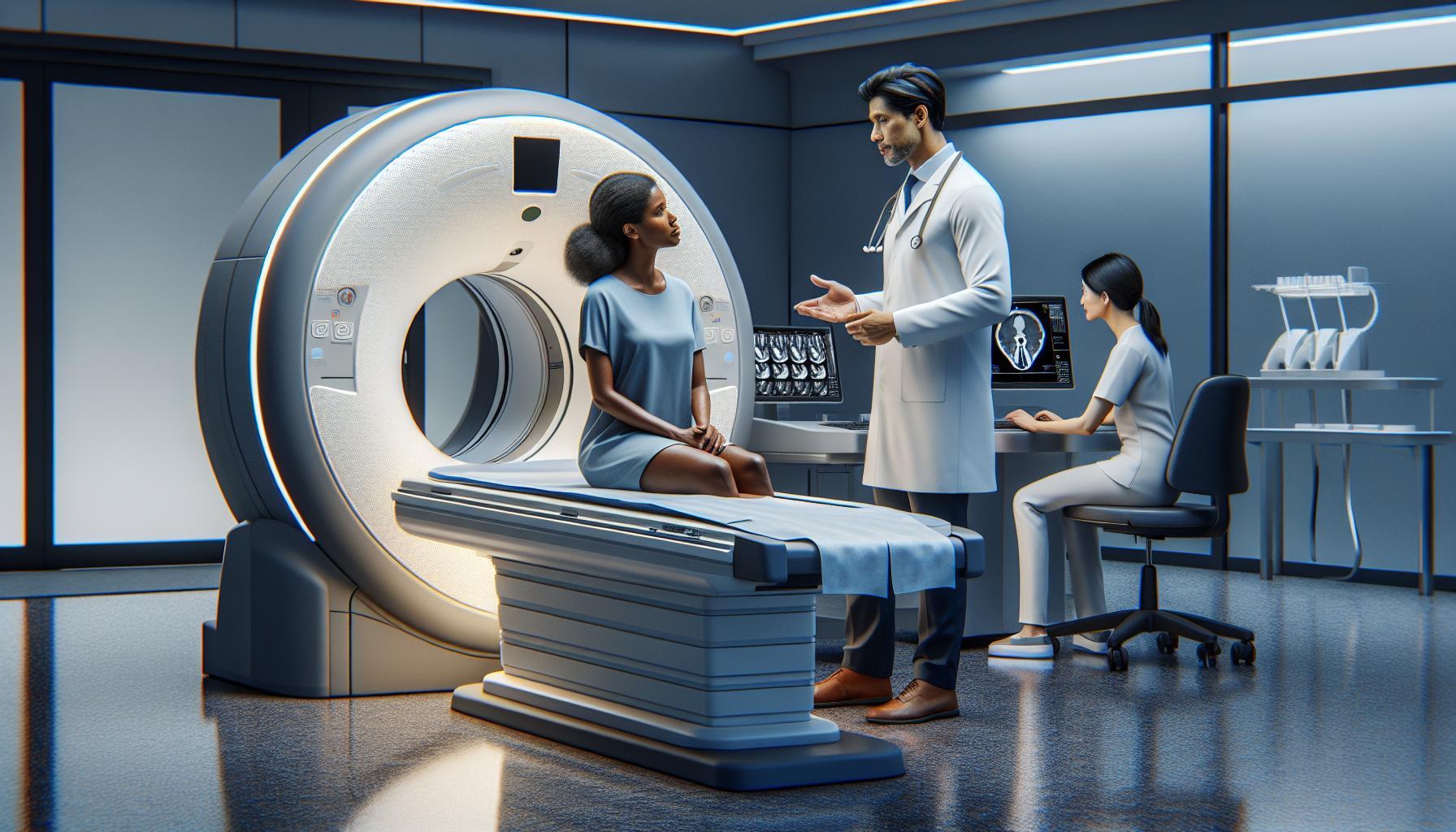
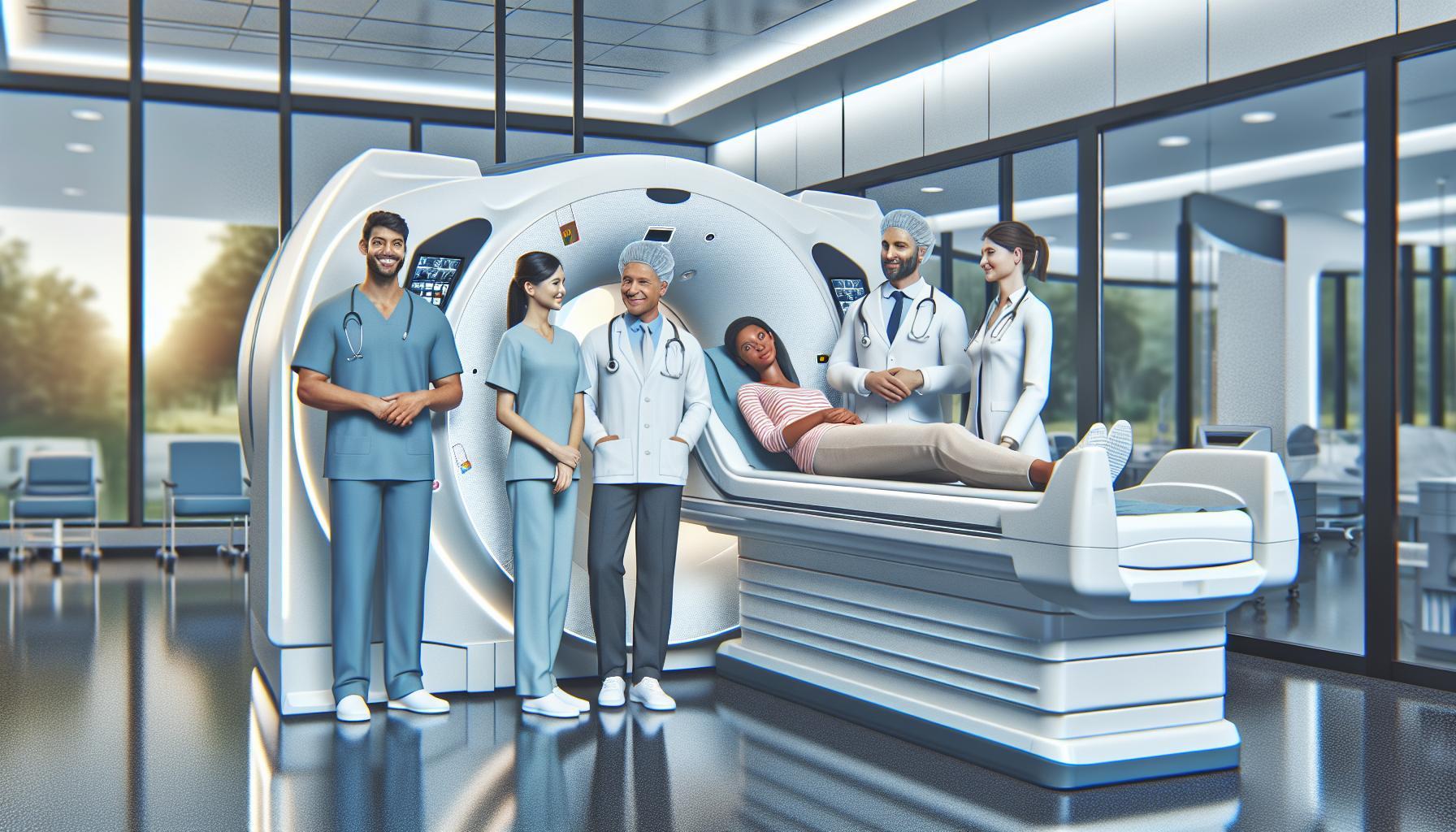
During a non-contrast CT scan, patients can expect a straightforward and efficient imaging procedure that typically lasts only a few minutes. Upon arrival at the imaging center, you’ll be greeted by healthcare professionals who will guide you through the process. Prior to the scan, they will verify your information, explain the procedure in detail, and answer any questions to ensure you feel comfortable and informed. Remember, this imaging technique is designed to provide clear insights into various medical conditions without the need for contrast agents, which can sometimes cause allergic reactions or other complications.
As you prepare for the scan, you will be asked to lie on a motorized table that gently slides into the CT scanner, a large, doughnut-shaped machine. During the scan, you will hear a series of clicking sounds as the scanner rotates around you, capturing multiple images from different angles. It’s important to remain as still as possible while the images are being taken; this helps prevent blurriness and allows for more accurate results. Most patients find the experience non-invasive and quick, with the entire process usually taking no more than 10 to 15 minutes from start to finish.
Tips for a Smooth Experience
- Dress Comfortably: Wear loose-fitting clothing without metal fasteners, as metal can interfere with the imaging.
- Follow Pre-Scan Instructions: Depending on your medical history, your doctor may provide specific guidelines such as avoiding food or drink for a certain period.
- Communicate: If you have any concerns or previous experiences that make you anxious, don’t hesitate to share these with the staff.
After the scan, there is typically no recovery time needed, and you can resume your normal activities immediately. The radiologist will review the images and send a report to your doctor, who will discuss the findings and next steps during your follow-up appointment. This collaborative approach ensures you receive the best care tailored to your unique health needs, providing peace of mind as you await the results.
Preparing for Your Non-Enhanced CT Scan
Preparing for a CT scan without contrast can be a straightforward process, yet it’s essential to follow specific guidelines to ensure optimal results and a comfortable experience. One of the primary benefits of a non-enhanced CT scan is its ability to help diagnose various medical conditions without the use of contrast agents, which can lead to complications for some patients. Understanding how to prepare properly will empower you to approach your appointment with confidence.
To start, dress in loose-fitting clothing that doesn’t have any metal fasteners, such as zippers or buttons, as these can interfere with the imaging process. Also, it’s advisable to remove any jewelry or accessories that could obscure views during the scan. Your healthcare provider may give specific instructions based on your medical history, like fasting for a period before the scan, especially if it involves examining the abdomen or pelvis. Being well-informed about these instructions can alleviate anxiety and ensure a smooth experience.
As you prepare for the scan, be sure to communicate openly with the medical staff. If you’re feeling anxious or have had previous experiences that caused discomfort, let them know. They can provide additional reassurance and work with you to create a supportive environment. On the day of the scan, arrive early to fill out any necessary paperwork and to give yourself time to settle in. Once you’re there, you can expect the staff to guide you through the procedure, allowing for a pleasant and worry-free experience.
Following these preparation tips will help you navigate the process of having a non-enhanced CT scan confidently, paving the way for accurate diagnostic results and a tailored approach to your healthcare needs. Always remember to consult your healthcare provider for personalized advice, ensuring that your experience is as comfortable and efficient as possible.
Common Uses of CT Without Contrast
Many patients may wonder when a CT scan without contrast is appropriate and how effective it can be in diagnosing medical conditions. Non-contrast CT scans are especially valuable in various clinical situations where contrast dye may not be safe or necessary. This type of imaging can provide essential insights into a patient’s health, making it a crucial tool in modern medical diagnostics.
One of the primary uses of a non-enhanced CT scan is in emergency settings, where quick assessments are needed. For instance, CT scans without contrast are often utilized to evaluate suspected fractures, especially in the head or spine, as they can reveal bone injuries clearly without any delay caused by administering contrast agents. Likewise, in cases of trauma, a non-contrast CT of the abdomen can help identify internal bleeding or organ damage.
Another common application is the evaluation of lung conditions. CT scans without contrast can help detect lung nodules or masses, pneumonia, and certain chronic lung diseases. They are particularly beneficial for patients with kidney issues, as they can detect kidney stones and lesions without exposing the patient to the risks associated with contrast media.
In addition to these scenarios, non-contrast CT scans are frequently employed to monitor certain conditions, such as cancers. They allow physicians to track tumor size and response to treatment over time. In patients with allergies to contrast dye or those with compromised kidney function, a non-enhanced CT scan can still provide vital diagnostic information without additional risk.
In summary, a CT scan without contrast plays an essential role in diagnosing and managing various conditions without the complications that sometimes accompany contrast usage. Patients should always discuss their specific needs and concerns with their healthcare provider to determine the best imaging approach tailored to their circumstances. This personalized guidance ensures the use of safe, effective diagnostic methods, contributing to optimal care and peace of mind.
Safety and Risks of Non-Enhanced Scanning
While non-enhanced CT scans are considered generally safe, it’s natural for patients to have questions and concerns about the safety and risks associated with the procedure. Understanding these factors helps to alleviate anxiety and enhances the overall experience of the diagnostic process.
One of the primary considerations is radiation exposure. CT scans do involve a certain amount of ionizing radiation, which is higher compared to standard X-rays. However, the benefits of obtaining crucial diagnostic information often outweigh the risks. Medical professionals adhere to the principle of “as low as reasonably achievable” (ALARA) to minimize exposure. Patients should discuss their specific circumstances with their healthcare team to understand the necessity of the examination and whether the potential benefits outweigh any risks involved.
It is also essential to consider patient-specific factors. Non-enhanced CT scans are particularly advantageous for individuals with pre-existing health conditions that may be aggravated by contrast materials, such as those with chronic kidney disease or allergies to iodine-based contrast agents. In such cases, opting for a non-contrast scan eliminates the associated risks of adverse reactions to contrast media. Furthermore, individuals who are pregnant should always inform their healthcare provider, as CT scans, even without contrast, can pose potential risks to the developing fetus.
Despite the generally low risk profile of non-enhanced CT scans, patients should be aware of possible consequences from the findings. In some cases, results that indicate serious conditions may lead to further testing or invasive procedures, which come with their own sets of risks. Hence, it is vital for patients to engage in open conversations with their physicians about the implications of their results and any follow-up steps that may be necessary. This proactive approach ensures that patients make informed decisions about their health care and are prepared for what comes next.
In summary, while non-enhanced CT scans carry certain risks, understanding them within the context of individual health needs and the diagnostic landscape can empower patients. By fostering clear communication with healthcare providers, patients can navigate the complexities of imaging procedures, ensuring they receive safe and effective care tailored to their unique situations.
Understanding CT Scan Results Without Contrast
The results from a non-contrast CT scan can reveal crucial information about various health conditions, but understanding what those results imply can sometimes feel overwhelming. Unlike enhanced scans, which utilize a contrast agent to provide additional detail on specific areas, non-enhanced CT scans primarily focus on structural observations. This means that while they can effectively identify certain abnormalities-such as tumors, fractures, or internal bleeding-they may not show how well certain organs are functioning or provide as clear a picture of vascular issues compared to a contrast-enhanced scan.
Typically, radiologists look for specific markers in the images produced by a non-enhanced CT scan. For example, a non-contrast scan of the abdomen might reveal the presence of masses or cysts in organs like the liver or kidneys. It can also help in evaluating trauma damage to bones or hollow organs without the complications of contrast media. As a patient, it’s important to recognize that while serious conditions can be identified, some nuances may remain undetected without the aid of contrast. Common findings might lead to further investigation or alternative imaging methods to confirm a diagnosis.
After your CT scan, results generally take some time to process. If the findings are straightforward, your healthcare provider may reach out to explain them within a few days. However, more complex cases may require a discussion with a specialist, which can take longer. It’s advisable to keep the lines of communication open with your healthcare team. They can provide clarity on your results, explain what further actions may be needed, and reassure you about any follow-up procedures. If you’re ever unsure about what a result means, don’t hesitate to ask for further explanation; becoming informed can greatly reduce any anxiety associated with your health concerns.
Understanding that you are not alone in feeling uncertain about scan results is vital. Many patients share similar experiences, so take comfort in knowing that your healthcare provider is there to guide you through this process, helping you understand your health on a deeper level.
Alternatives to CT Scans Without Contrast
Many patients may find themselves seeking alternatives to CT scans that don’t use contrast agents, either due to allergies, sensitivities, or personal preferences. Understanding these alternatives can empower you to make informed choices about your diagnostic imaging options.
One commonly recommended alternative is MRI (Magnetic Resonance Imaging). Unlike CT scans, MRI uses powerful magnets and radio waves to generate detailed images of organs and tissues without ionizing radiation. MRI is particularly useful for examining soft tissues, making it an excellent choice for assessing brain, spinal cord, and joint conditions. However, it may not be as readily available as CT scans in some healthcare settings, and it can be more time-consuming.
Another option is Ultrasound, which employs sound waves to create images of structures within the body. Ultrasound is especially useful for evaluating abdominal organs, such as the liver, gallbladder, and kidneys, and is often the first-line imaging choice for conditions like gallstones or kidney stones. It is painless, does not require contrast, and can be performed quickly, providing real-time images.
X-rays can also be an effective alternative for certain situations, particularly when assessing bone fractures or infections. While they provide less detail about soft tissues compared to CT scans, their ability to quickly visualize skeletal structures makes them invaluable in emergency settings and routine evaluations.
Health care professionals will often choose the best imaging modality based on the specifics of your condition. It’s vital to discuss your options thoroughly with your healthcare provider, who can guide you to the imaging method that best meets your diagnostic needs while considering any concerns you may have about contrast use. Remember, being proactive in your healthcare journey is crucial, so feel empowered to ask questions, seek clarifications, and understand the rationale behind the chosen imaging strategy.
Cost Considerations for Non-Contrast CT Imaging
The financial aspect of undergoing a non-enhanced CT scan can be as important as the procedure itself. Patients often face a wide range of costs based on numerous factors, including the facility’s location, the specific type of CT scan, and whether they have insurance coverage. Understandably, potential patients may feel anxious about these expenses, especially when faced with unexpected medical bills.
Generally, the cost of a CT scan can vary significantly. For instance, while average total charges for a CT scan may soar to around $3,000 or even higher, many insured patients see their out-of-pocket costs drop to between $300 and $800, particularly when obtaining scans from outpatient facilities [[2](https://www.talktomira.com/post/how-much-does-a-ct-scan-cost-without-insurance)]. It’s worth noting that non-contrast CT scans may sometimes cost less than their contrast-enhanced counterparts, primarily because they often require fewer preparatory steps and less specialized equipment.
Here are some key factors to consider regarding costs:
- Facility Type: Costs may differ between hospitals, specialized imaging centers, and outpatient clinics. Researching local options could yield significant savings and help you find the most affordable facility for your needs.
- Insurance Coverage: Reviewing your insurance plan for specific imaging benefits is crucial. Understanding your deductible and co-payments can help you budget effectively.
- Payment Options: Many facilities offer payment plans or discounts for upfront payments. Asking about these options can lead to immediate savings.
- Shop Around: Prices can vary by location and provider. Utilizing services like MDsave could provide opportunities to pay drastically lower prices-sometimes up to 50% off by purchasing in advance [[1](https://www.mdsave.com/t/imaging-radiology/ct-scan)].
Navigating the financial landscape of a non-enhanced CT scan doesn’t have to be daunting. With careful consideration and planning, you can manage costs more effectively while ensuring you receive the imaging necessary for your health. Always consult with your healthcare provider regarding the best imaging approach and collaborate with your insurer to fully understand the expenses involved.
Patient Experiences: Real Stories from Non-Enhanced CT Scans
Real stories from patients who have undergone non-enhanced CT scans can provide valuable insights into what to expect and how to prepare for the process. Many individuals express initial anxiety surrounding imaging procedures, particularly concerning the unfamiliarity of the experience. However, most found that clear communication from the medical staff and understanding the procedure greatly alleviated their worries.
Patients often recount how a non-contrast CT scan was less intimidating than they anticipated. For instance, Sarah, a 32-year-old mother of two, shared her experience of getting a CT scan of her abdomen. “I was nervous at first because I wasn’t sure what it would feel like, but the technician guided me through every step. She explained that a non-enhanced scan requires no special preparations aside from lying still,” she said. Such stories highlight the importance of asking questions before the procedure; knowing what to expect can help diminish anxiety.
Another common theme in patient experiences is the speed and efficiency of non-enhanced CT scans. Tim, a 45-year-old man with a history of kidney stones, mentioned, “The actual scan took only about 10 minutes! I thought it would take longer, but I just had to lie still and breathe normally.” This quick turnaround often allows patients to leave the facility the same day and receive results relatively fast, providing peace of mind.
Furthermore, many patients appreciate the cost-effectiveness associated with non-contrast CT scans. They often report feeling relieved to learn that their out-of-pocket expenses would be lower than those for scans requiring contrast agents. This factor not only eases financial concerns but also reinforces the practicality of opting for non-enhanced options when suitable.
In summary, hearing about real patient experiences with non-enhanced CT scans can significantly demystify the procedure, making it feel more approachable. Gaining knowledge about the process, understanding what to expect, and recognizing the overall efficiency and affordability of non-contrast scans can empower potential patients to undergo their imaging with greater confidence and calm.
FAQ
Q: What are the differences between a CT scan with and without contrast?
A: A CT scan with contrast uses a special dye to enhance the visibility of specific areas, helping to better identify abnormalities. In contrast, a non-enhanced CT scan does not use any contrast materials, providing a basic image that can be sufficient for certain conditions. Consult the “Benefits of Non-Enhanced CT Scans” section for more details.
Q: Why might a doctor recommend a CT scan without contrast?
A: A doctor might recommend a non-contrast CT scan when the necessary information can be obtained without the use of a contrast agent, such as when assessing bone injuries or monitoring certain conditions like kidney stones. This approach avoids potential risks associated with contrast substances, as discussed in “When is a CT Without Contrast Recommended?”
Q: How long does a non-enhanced CT scan take?
A: A non-enhanced CT scan typically takes about 10 to 30 minutes, depending on the area being scanned and the patient’s specific needs. For more insights, refer to the “What to Expect During Your Non-Contrast CT Scan” section.
Q: Can I eat or drink before a non-contrast CT scan?
A: Generally, you can eat and drink before a non-contrast CT scan. However, following your doctor’s specific instructions is essential, especially if you’re undergoing scans for certain conditions. Check the section on “Preparing for Your Non-Enhanced CT Scan” for more information.
Q: What are common conditions identified by a CT scan without contrast?
A: Common conditions diagnosed through non-contrast CT scans include kidney stones, fractures, and lung issues. These images can quickly assess critical situations without contrast. For an extensive list, see “Common Uses of CT Without Contrast.”
Q: What happens if a doctor finds something concerning on a non-contrast CT scan?
A: If a concerning finding arises, the doctor may recommend further imaging with contrast or additional tests to clarify the results. Understanding CT scan results can be complex; refer to the “Understanding CT Scan Results Without Contrast” section for assistance.
Q: Are there any risks associated with non-enhanced CT scans?
A: Non-enhanced CT scans carry minimal risks, primarily related to radiation exposure. Unlike scans with contrast agents, there are fewer complications. For a thorough discussion on safety, see the “Safety and Risks of Non-Enhanced Scanning” section.
Q: How should I prepare for my CT scan without contrast?
A: Preparation typically involves staying hydrated and following any specific instructions from your doctor, which may include dietary restrictions. Detailed preparation steps can be found in the section “Preparing for Your Non-Enhanced CT Scan.”
These questions and answers enhance the reader’s understanding of non-enhanced CT scans and help guide them in preparing for this medical imaging procedure. For further details, sections in the main article offer comprehensive insights and guidance.
The Way Forward
Understanding what a CT scan without contrast entails is crucial for making informed decisions about your health. This non-enhanced imaging method can provide significant insights into various conditions, making it an essential tool in diagnostics. If you have further questions or need clarification about the procedure, we encourage you to consult a healthcare professional for tailored advice.
Don’t miss out on valuable information! Explore related topics like “Preparing for Your CT Scan” and “Understanding CT Scan Results” to enhance your knowledge. If you found this article helpful, consider subscribing to our newsletter for more insights or reach out to schedule a consultation with our expert team. Your health is our priority, and we’re here to support you every step of the way. Stay informed and empowered in your healthcare journey!