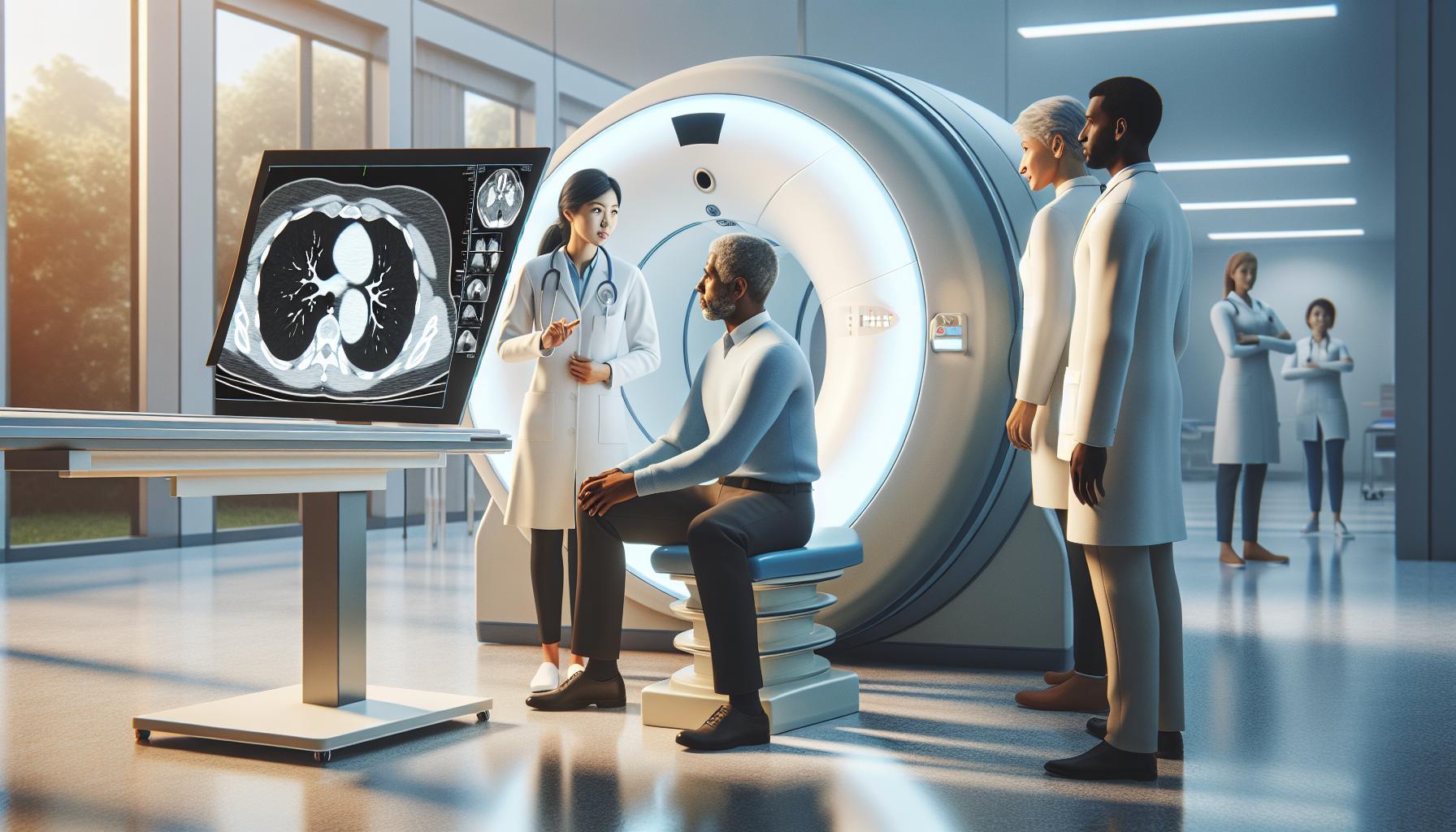
In the quest for early cancer detection, understanding the role of imaging technology is essential. A CT scan, or computed tomography scan, is a powerful tool that can help reveal the presence of tumors or other abnormalities within the body. This non-invasive procedure uses sophisticated X-ray technology to create detailed cross-sectional images, offering critical insights that can lead to timely diagnosis and treatment.
Many patients worry about what might be revealed during a scan, and it’s normal to have concerns about the implications of the results. Knowing how CT scans work and what they can detect empowers you to take control of your health journey. Understanding this process not only eases anxieties but also highlights the importance of regular screenings, especially for those at higher risk. This article delves into how effective CT scans are in detecting cancer and what you can expect from the experience, guiding you toward informed decisions about your health.
Understanding CT Scans and Cancer Detection
In the realm of cancer detection, CT scans have revolutionized the way medical professionals visualize internal structures and identify potential abnormalities. Computed Tomography (CT) scans are advanced imaging techniques that provide detailed cross-sectional images of the body, allowing doctors to observe organs, tissues, and bones in great detail. This intricate imaging can detect masses, tumors, and changes in tissue density, often before symptoms arise. Such early detection is pivotal in the management and treatment of cancer, which is sometimes asymptomatic in its initial stages.
How CT Scans Aid in Cancer Detection
CT scans excel in identifying a wide range of cancers due to their precision and ability to produce detailed images. They are particularly useful for detecting abnormalities in the lungs, abdomen, and pelvis. For example, in patients at high risk for lung cancer, such as smokers, a CT scan can reveal early signs that may not show up in traditional X-rays. This capability underscores the importance of timely screenings, especially for those with risk factors.
Patience & Preparation
While undergoing a CT scan, patients can feel a bit anxious, which is completely normal. Understanding the process can help alleviate some of this stress. Typically, preparation involves drinking plenty of fluids, wearing comfortable clothing, and possibly fasting before the procedure if a contrast dye is used. The day of the scan, you will lie on a table that will slide into a large, donut-shaped machine. The scanning itself is quick and non-invasive, usually taking only a few minutes, while the entire visit may last an hour.
As scans are reviewed, interpretation by trained radiologists is crucial. They look for variations in tissue density and the presence of masses, considering the patient’s history and other diagnostic results. After the scan, healthcare providers will discuss findings and potential next steps. While CT scans are an invaluable tool, being aware of their limitations is also important; not all abnormalities are cancer, and some cancers may not be detectable through this imaging alone. Therefore, keeping open communication with your healthcare team is essential for a comprehensive understanding of your health.
How CT Scans Work: A Simplified Overview
Computed Tomography (CT) scans represent a significant advancement in medical imaging, using X-ray technology to create detailed, cross-sectional images of the body. This method allows for a comprehensive view of internal structures, enabling healthcare professionals to identify abnormalities, tumors, and changes in tissue density. Unlike traditional X-rays, which provide a two-dimensional view, CT scans produce three-dimensional images by taking multiple X-ray measurements from different angles around the body. This process involves sophisticated computer algorithms that reconstruct the data into precise images, facilitating accurate diagnosis and treatment planning.
During a CT scan, the patient lies on a table that moves through a donut-shaped machine, known as a CT scanner. The entire process is typically quick, often lasting only a few minutes, although preparation and waiting times may extend the overall visit. Patients may receive a contrast dye to enhance the visibility of certain areas, such as blood vessels or organs, leading to clearer images. This visual clarity makes CT scans particularly effective in assessing conditions like lung cancer, where early detection can significantly influence treatment outcomes.
A critical aspect of CT imaging is the interpretation of the results, a task performed by trained radiologists who study the images for any anomalies indicative of cancer or other health issues. Utilizing their expertise, they analyze the variations in tissue density and shape, correlating these findings with the patient’s medical history and other diagnostic tests. The insights gained from CT scans not only aid in identifying malignancies but also help in monitoring the progression of known cancers, thus playing a vital role in the overall management of oncological care.
For patients, understanding how CT scans operate can alleviate concerns associated with the procedure. Knowing the steps involved-from preparation to recovery-can empower individuals and help them approach their medical care with confidence. Therefore, maintaining open communication with healthcare professionals about expectations and results is essential for a supportive and effective healthcare experience.
What Types of Cancer Can Be Detected on a CT Scan?
The ability of CT scans to detect various types of cancer significantly enhances early diagnosis and treatment options, potentially changing outcomes for patients. CT scans are particularly effective in identifying cancers that may not present noticeable symptoms in early stages. For instance, lung cancer is one of the most common cancers detected by CT scans due to the detailed images they produce of the lungs and surrounding structures. This capability allows doctors to spot small tumors early when treatment is most likely to be effective.
Cancers Commonly Detected by CT Scans
CT scans can be instrumental in diagnosing and monitoring a variety of cancers, including:
- Lung cancer: High-resolution CT scans can detect even small nodules in the lungs, making them critical for early diagnosis.
- Abdominal cancers: Tumors in the liver, kidneys, pancreas, and other abdominal organs can be effectively visualized, helping to identify issues such as tumors or metastasis.
- Colorectal cancer: CT scans can help identify abnormal growths in the colon, especially when used in conjunction with other diagnostic methods.
- Head and neck cancers: CT imaging is useful for visualizing tumors in the thyroid, salivary glands, and lymph nodes.
- Bone cancers: CT scans are effective at assessing bone lesions and diagnosing primary bone tumors or metastases.
The precision of CT technology not only facilitates the detection of tumors but also aids in evaluating their size, shape, and location, information that is crucial for treatment planning. The clarity of the images can help oncologists determine whether tumors are operable or if additional therapies, such as chemotherapy or radiation, are necessary.
As with any diagnostic tool, it is essential to understand that while CT scans are powerful in detecting various cancers, they are often used in conjunction with other imaging techniques and diagnostic procedures. Always consult healthcare professionals to discuss any symptoms or concerns, and consider incorporating screening tests as recommended based on individual risk factors. Your proactive involvement in your health can significantly influence your care journey and outcomes.
Early vs. Late-Stage Cancer Detection: The Role of CT
Detecting cancer in its earliest stages can be critical to improving treatment outcomes, and CT scans play a pivotal role in this process. These advanced imaging techniques enable healthcare providers to visualize internal organs and structures in high detail, which is essential for identifying abnormalities that may indicate cancer. For patients, understanding the differences in how CT scans can impact early versus late-stage cancer detection provides valuable insights into healthcare decisions and next steps.
In early-stage cancer detection, CT scans can identify small tumors that may not yet have caused noticeable symptoms. For example, lung cancer screenings often utilize low-dose CT scans to detect subtle changes in lung tissue, significantly increasing the chances of identifying the disease when it is most treatable. Similarly, CT imaging can reveal abnormalities in abdominal organs, potentially catching issues in the liver or pancreas early on. The benefits of early detection include a greater range of treatment options, less invasive procedures, and improved overall survival rates.
Conversely, late-stage cancer detection often reveals larger tumors or advanced disease that may have already spread to other parts of the body. CT scans are still vital at this stage, providing essential information regarding the size, location, and extent of the disease, which can guide further treatment strategies. However, the options may be limited compared to early-stage detection. Late diagnosis can lead to more aggressive treatments, including extensive surgeries or palliative care approaches, which can significantly affect a patient’s quality of life.
Ultimately, the role of CT scans in cancer detection underscores the importance of regular screenings, especially for individuals with risk factors such as family history or lifestyle choices. By engaging in proactive health monitoring and open discussions with healthcare professionals, patients empower themselves to make informed decisions about their health. Regular screenings not only enhance early detection possibilities but also foster a collaborative approach to managing cancer risks, leading to a more optimistic outlook for patient care and outcomes.
Preparing for a CT Scan: Patient Guidelines
Preparing for a CT scan can seem daunting, but understanding what to expect and how to prepare can significantly ease your anxiety. These scans are crucial tools in the detection of various conditions, including cancer, giving healthcare providers a detailed look inside the body. Here’s how to prepare effectively for your upcoming procedure, ensuring that the process runs smoothly and that you feel as comfortable as possible.
First and foremost, follow any specific instructions given by your healthcare team. This may include dietary restrictions, such as fasting for a few hours before the scan. It’s common for CT scans involving contrast material to require you to refrain from eating or drinking prior to the examination. This preparation improves the quality of images, making it easier for the technician to identify abnormalities. If contrast dye is required, you’ll need to discuss any allergies or previous reactions to contrast materials, as this can help determine the safest approach.
Medication Management
It’s also crucial to inform your doctor about any medications you are currently taking. Some medications may need to be paused or adjusted. For instance, if you take blood thinners, your doctor might advise you on how to manage these leading up to the scan. Always bring a list of your medications, including dosages and any supplements, to help your healthcare provider assess your condition comprehensively.
Arrival and Comfort
Arrive at the appointment early to allow time for check-in and any last-minute preparations. Comfortable clothing without metal clasps, buttons, or zippers is recommended, as you may be required to change into a gown for the scan. When it’s time for the procedure, the technician will explain the process step-by-step, allowing you to ask questions and express any concerns. Knowing that a CT scan typically lasts about 10-30 minutes can also help ease pre-scan jitters.
Lastly, bring a friend or family member for support if this would ease your stress. While it is generally not permitted inside the scanning room, having someone in the waiting area can provide comfort during what may feel like a prolonged wait. By preparing thoroughly for your CT scan, you’re taking proactive steps in your healthcare journey, enhancing not only your comfort but also the effectiveness of the procedure itself. Always consult your healthcare provider for personalized guidance tailored to your unique needs and situation.
What to Expect During a CT Scan Procedure
During a CT scan, you’ll be guided through a series of steps designed to ensure your comfort and the accuracy of the imaging results. Understanding this process can ease anxiety and help you feel more in control. First, you’ll check in at the facility, where you’ll typically be asked to complete some paperwork and confirm your medical history. It’s essential to use this time to share any medications you’re taking, including over-the-counter drugs and supplements, as they can affect the scan results or the use of contrast materials.
Once you’re ready, a technician will escort you to the scanning room. The CT machine resembles a large donut, with an opening in the center through which you’ll pass. You’ll be instructed to lie down on a motorized table, which will slide into the machine. It’s important to remain still during the scan, as movement can blur the images. The scan itself is quick, usually lasting only about 10 to 30 minutes. During this time, you’ll hear humming or clicking sounds from the machine, but rest assured that this is normal.
If your scan involves a contrast agent to enhance the images, it may be administered either through an IV line in your arm or by mouth. This contrast material helps the radiologist see different tissues more clearly. While some people may feel warm or experience a metallic taste during the injection, these sensations typically subside quickly. Throughout the procedure, a technician will be present, monitoring your comfort and the quality of the images being captured.
After the scan, you’ll be allowed to change back into your clothing and may be asked to wait briefly until your healthcare provider reviews the images. There will be no immediate results, but your doctor will discuss the findings in a follow-up appointment. Always remember that the insights gained from a CT scan can be crucial for early cancer detection, helping guide treatment decisions and potentially improving outcomes. If you ever feel uncertain about the process or results, consulting with your healthcare provider can offer additional clarity and reassurance.
Interpreting CT Scan Results: Key Factors
The insights gleaned from a CT scan can play a pivotal role in the early detection of cancer, acting as a powerful tool in a clinician’s arsenal. However, understanding the results from a CT scan can be a source of anxiety for many patients. Interpreting these results accurately requires considering several key factors. First and foremost, the expertise of the radiologist who reviews the images is crucial. Their training enables them to distinguish between benign conditions and potential malignancies by analyzing size, shape, and the density of masses within the scanned area.
Key Factors in Interpretation
When reviewing CT scan results, healthcare professionals typically look for specific characteristics that may indicate cancer. These include:
- Size and Shape: Tumors are often irregularly shaped and larger than the normal surrounding tissues.
- Density: Different types of tissues absorb radiation differently; tumors may appear as areas of abnormal density.
- Location: The site of the detected mass can provide clues. For example, masses in certain organs may be more likely to indicate malignancy.
- Contrast Enhancement: If a contrast agent was used, evaluating how the mass absorbs the contrast provides additional insights into its nature.
Moreover, the clinical context-the patient’s medical history, symptoms, and any prior imaging-significantly contributes to interpreting the scan. For instance, if a patient presents with a persistent cough and the CT shows a lung nodule, this increases the concern for lung cancer. In contrast, the same nodule without respiratory symptoms might be deemed less alarming.
It’s important to acknowledge that while CT scans are invaluable for detecting tumors, they are not foolproof. False positives and negatives can occur, demanding further investigation through additional imaging or biopsies if necessary. The incorporation of multidisciplinary teams, which include radiologists, oncologists, and primary care providers, facilitates a comprehensive approach to interpreting results and planning ensuing actions.
Being informed and proactive can significantly reduce anxiety related to CT scan results. Patients are encouraged to actively engage with their healthcare providers, asking questions about what the results mean and understanding the next steps. This engagement not only boosts patient confidence but also aids in making informed decisions regarding their health.
Limitations of CT Scans in Cancer Diagnosis
CT scans are valuable tools in the early detection of cancer, but they come with certain limitations that patients should be aware of. One of the foremost concerns is the potential for false positives-situations where a scan indicates the presence of cancer when there is none. This can lead to unnecessary anxiety, additional testing, and procedures, which may not only be physically taxing but also mentally draining. For instance, a benign growth may appear suspicious due to its size or shape, prompting further investigations like biopsies that could have been avoided.
Another limitation lies in the detection sensitivity. CT scans may not be effective at identifying certain types of cancers, especially if they are small or in the early stages. Some tumors, particularly those in organs that aren’t easily visible on traditional CT imaging, might not show up until they have progressed. For example, pancreatic cancers are notoriously difficult to detect early with standard imaging techniques, making the overall diagnostic process challenging.
Furthermore, the use of contrast agents, while enhancing image clarity, can create complications for some patients, particularly those with allergies or kidney issues. These agents can sometimes obscure the interpretation of images, leading to misjudgment in diagnosis. Additionally, the need for multiple imaging techniques may arise to confirm a diagnosis, as relying solely on a CT scan can be misleading.
Lastly, while digital imaging technology is advancing, radiation exposure remains a concern. The cumulative effect of multiple scans over time can increase a patient’s risk for developing cancer later in life. This reality makes it all the more important for patients to have open discussions with their healthcare providers regarding the necessity and frequency of CT scans, as well as any alternative diagnostic methods available.
In conclusion, understanding these limitations helps foster a more proactive and informed approach to cancer diagnosis. Being engaged in discussions about your care and considering second opinions when necessary can lead to better outcomes. Always consult with healthcare professionals who can provide tailored advice based on your individual circumstances and health history.
Comparing CT Scans to Other Imaging Techniques
When it comes to cancer detection, understanding the differences between imaging techniques can empower patients to make informed decisions about their health. CT scans (computed tomography) are widely recognized for their ability to generate detailed images of the body’s internal structures, but they are not the only option available. Other imaging modalities, like MRI (magnetic resonance imaging) and PET (positron emission tomography), each have their own strengths and limitations that can influence the diagnostic journey.
CT scans are particularly effective for visualizing solid tumors and are often used to monitor lung, liver, and pancreatic cancers. They provide cross-sectional images that can reveal the size and location of tumors, making them invaluable in assessing cancer spread. However, MRI shines in its ability to differentiate between various types of soft tissue. For example, it is the preferred modality for evaluating brain tumors and for detecting cancers in the pelvic region due to its superior contrast resolution. Additionally, MRI does not use ionizing radiation, which can be a significant advantage for patients concerned about cumulative exposure.
Understanding PET Scans
PET scans, often used in conjunction with CT scans, can provide metabolic information about tumors. While they do not produce detailed anatomical images like CT, PET scans can indicate how actively a tumor is growing by using a radiotracer that highlights areas of high glucose consumption, a hallmark of cancerous activity. This functional imaging capability is essential for staging cancers, planning treatment strategies, and evaluating the effectiveness of therapy. The combination of CT and PET allows for a comprehensive view of both structure and function, helping healthcare providers to tailor treatment plans that are customized to the patient’s specific situation.
Both MRI and PET scans come with considerations of their own. For instance, patients with certain implants may not be suitable for MRI, while the availability and cost of PET scans can vary. Moreover, insurance coverage might affect the extent to which patients can access these advanced imaging techniques.
In conclusion, while CT scans are a powerful tool in the early detection of cancer, they are part of a broader landscape of imaging modalities. Patients are encouraged to have discussions with their healthcare professionals to choose the most appropriate imaging technique based on their specific medical needs, history, and the particular type of cancer being investigated. Educating oneself about these options can alleviate anxiety and empower patients to actively participate in their diagnostic process.
The Future of CT Scanning in Oncology
The advancements in CT scanning technology herald a new era for oncology, promising more accurate cancer detection and management. With ongoing innovations in imaging techniques, the future looks bright for diagnosing cancer earlier and monitoring treatment responses more effectively. Recent developments include the integration of artificial intelligence (AI) in analyzing CT images, allowing for enhanced detection of subtle changes that might be missed by the human eye. Such technologies can assist radiologists in identifying tumors at their earliest stages, significantly improving patient outcomes.
In addition to AI, the use of dual-energy CT scans offers great potential. This technology allows for the differentiation between various types of tissues and enhances the characterization of tumors by utilizing multiple energy levels of X-ray radiation. This capability can provide more accurate information about the chemical composition of tumors, which can be crucial for tailoring personalized treatment plans. Moreover, ongoing research aims at reducing radiation exposure during scans while maintaining high-resolution imaging, addressing patient concerns regarding safety.
As the role of CT scans in cancer detection evolves, the incorporation of molecular imaging techniques is gaining traction. By combining traditional anatomical imaging with functional assessments, such as blood flow and metabolic activity measurements, healthcare professionals can garner a more holistic view of a patient’s condition. This integrative approach not only aids in early diagnosis but also plays a critical role in monitoring treatment efficacy, enabling timely adjustments to therapy.
In light of these advancements, patients are encouraged to stay informed and discuss with their healthcare providers the most suitable imaging options available. By understanding the cutting-edge technologies at their disposal, they can better advocate for their health needs and decisions in their cancer journey. As CT scanning continues to evolve, it promises to remain a cornerstone in the fight against cancer, enhancing predictive capabilities and personalizing treatment like never before.
Cost of CT Scans: What Patients Should Know
The journey through cancer detection often begins with various imaging studies, notably CT scans, which are vital tools in identifying early signs of disease. Understanding the financial implications of these scans is crucial for patients navigating their healthcare options. The cost of a CT scan can vary significantly depending on multiple factors, including geographic location, the facility where the scan is performed, and whether the patient has health insurance. Patients may find that full self-pay costs for a CT scan can range from $300 to $3,000, depending on the complexity and type of the procedure.
Health insurance often plays a pivotal role in determining out-of-pocket costs. Many insurance plans cover CT scans when deemed medically necessary, but it’s essential for patients to confirm their coverage details beforehand. This may include checking deductible amounts, co-pays for imaging services, and whether the radiology center is in-network. For those without insurance, negotiating the price or discussing payment plans with the healthcare provider can often lead to more manageable costs.
Financial Assistance and Resources
For patients facing financial challenges, some hospitals and imaging centers offer financial assistance programs. These can help cover the cost of a CT scan. Additionally, non-profit organizations sometimes provide resources or grants specifically aimed at helping patients afford necessary medical imaging. It can be beneficial to inquire about these options during consultations.
In any case, it’s essential to have open discussions with healthcare providers regarding the necessity of the scan and its costs. Clear communication can help demystify the process, alleviate anxiety, and empower patients to make informed choices regarding their care. Ensuring financial clarity helps patients focus on their health and the next steps in their cancer journey, rather than being burdened by unexpected costs.
Consulting Healthcare Professionals: Your Next Steps
Navigating the complexities of cancer detection through CT scans can feel overwhelming, but knowing how to effectively communicate with healthcare professionals can smooth the path ahead. After receiving a recommendation for a CT scan, it’s essential to compile your thoughts and questions beforehand. This proactive approach can significantly enhance clarity and ease any concerns you may have regarding the procedure, results, and next steps.
Before your appointment, consider jotting down specific questions you want to ask your physician. Useful topics might include:
- What is the purpose of this CT scan? Understanding why a scan is needed can provide insight into the potential findings.
- What types of results can I expect? Knowing what a CT scan can reveal in terms of cancer detection-such as the size, shape, and location of any abnormalities-can prepare you for the outcomes.
- What will the process involve? Inquiry about the scanning procedure itself, including preparation requirements and what to expect during and after the scan.
- How will you communicate the results to me? Clarifying the timeline and process for receiving your results can alleviate anxieties about waiting.
- What are the next steps if cancer is detected? Understanding the follow-up care, treatment options, and support mechanisms can empower you to make informed decisions.
It’s crucial to view these discussions as a partnership with your healthcare team. Physicians and radiologists are there to guide you, and don’t hesitate to voice any anxieties or doubts you may have. Sharing your concerns will help them provide tailored information and reassure you about your health journey.
In addition to your physician’s guidance, consider seeking support from cancer-focused organizations or patient advocacy groups. They can provide resources and connect you with individuals who have navigated similar situations. Remember, while the prospect of undergoing imaging tests can seem intimidating, it plays a pivotal role in enabling early detection and improving outcomes in cancer treatment. Engaging with healthcare professionals openly can empower you and help ensure you are equipped to take the next steps confidently on your health journey.
Faq
Q: Can a CT scan detect early-stage cancer?
A: Yes, a CT scan can detect early-stage cancer by identifying abnormal growths or changes in tissue density. However, the accuracy can vary based on the type of cancer and the location of the lesion. For detailed insights, refer to the section on “Early vs. Late-Stage Cancer Detection.”
Q: What are the signs that cancer may show up on a CT scan?
A: Signs that cancer may show up on a CT scan include the presence of tumors, enlarged lymph nodes, or unusual fluid collections. A qualified radiologist will interpret these findings to provide a diagnosis.
Q: How reliable are CT scans for cancer diagnosis?
A: CT scans are generally reliable for cancer diagnosis but may have limitations. Factors such as overlapping tissues and the timing of the scan may affect results. It is essential to consult a healthcare professional for accurate interpretation.
Q: What should I discuss with my doctor before getting a CT scan for cancer detection?
A: Before a CT scan, discuss your symptoms, medical history, and any previous imaging studies with your doctor. They can help you understand the need for the scan and what to expect during the procedure.
Q: Are there risks associated with CT scans in cancer detection?
A: While CT scans expose you to some radiation, the benefits of accurate cancer detection typically outweigh the risks. The maximization of scan safety protocols helps reduce radiation exposure. Always consult with your healthcare provider regarding concerns.
Q: How do I prepare for a CT scan aimed at detecting cancer?
A: Preparation varies by the type of CT scan. Generally, you may need to avoid eating for a few hours before the procedure and inform your doctor of any medications or allergies. Refer to the section “Preparing for a CT Scan” for detailed guidelines.
Q: What happens if a CT scan shows abnormal results?
A: If a CT scan shows abnormal results, your healthcare provider will discuss further diagnostic steps, which may include additional imaging, biopsies, or referrals to specialists for a comprehensive evaluation.
Q: How does a CT scan compare with other imaging methods for cancer detection?
A: CT scans provide detailed images and are often faster than other imaging techniques like MRI or PET scans. However, the choice of imaging method depends on various factors, including the type of cancer being investigated and the specific clinical scenario. For more, see “Comparing CT Scans to Other Imaging Techniques.”
Wrapping Up
In summary, understanding how cancer can be detected through CT scans is a vital step towards early diagnosis and effective treatment. If you or a loved one has concerns about potential symptoms, we urge you to consult your healthcare provider promptly to discuss imaging options and next steps. For more insight, check out our articles on the importance of early cancer detection and understanding different imaging techniques to empower yourself with knowledge.
Don’t hesitate to join our community by signing up for our newsletter, where you can stay updated on the latest health insights and resources. Your journey to understanding your health matters, and we’re here to provide support every step of the way. Remember, knowledge is power, and being informed about your options today can make all the difference tomorrow. Share your thoughts in the comments below, and feel free to reach out with any questions.