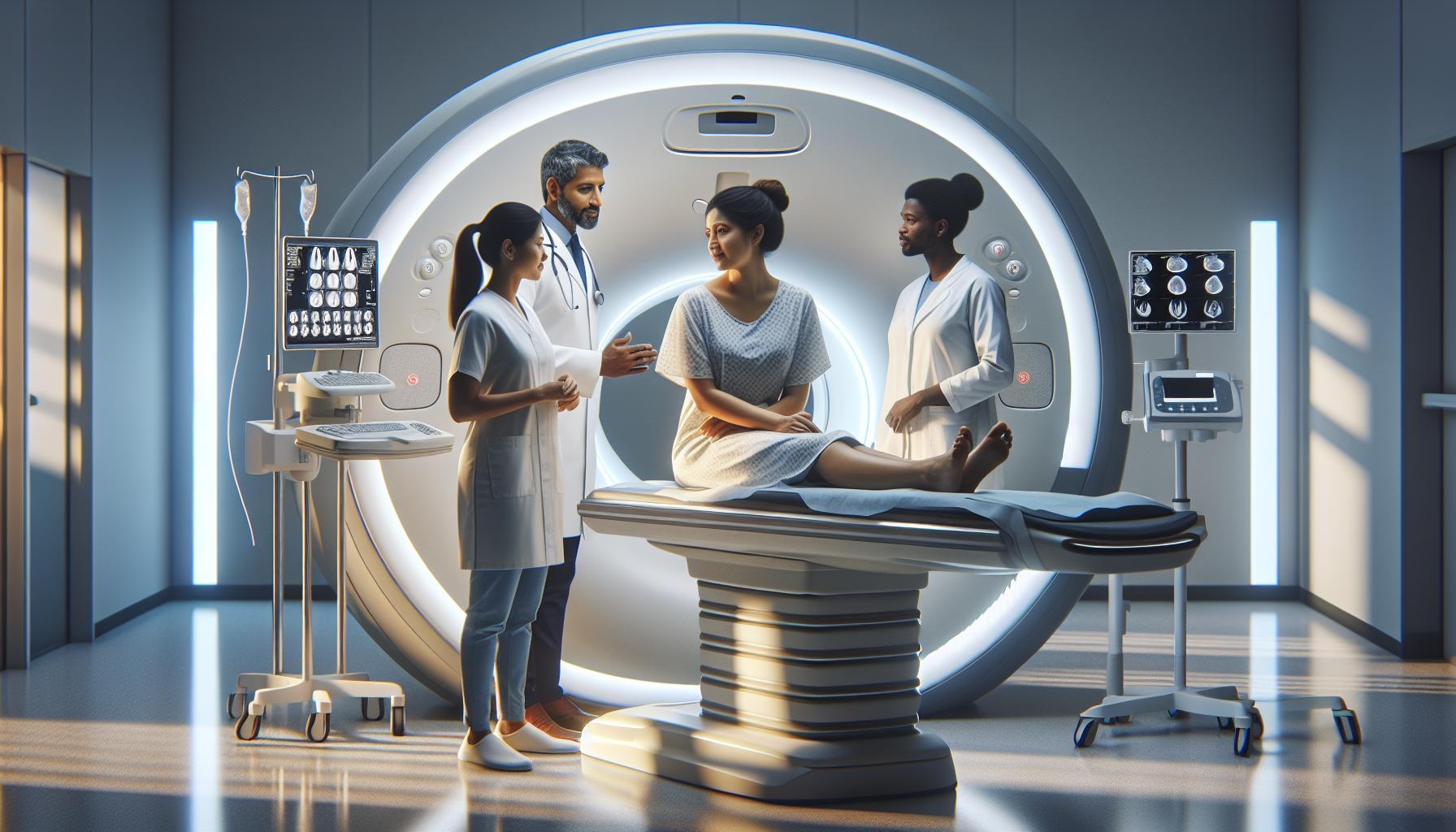
When it comes to medical imaging, understanding how long a CT scan of the head takes can significantly ease any anxieties you might have. A CT scan is a quick and efficient procedure that helps doctors visualize the brain and surrounding structures for a variety of conditions, from headaches to serious injuries. Typically, the actual scan lasts only about 10 to 30 minutes, making it a relatively brief experience in the context of medical diagnostics.
Understanding the timing of your CT scan can help you better prepare for your appointment and manage your expectations. It also allows you to focus on the importance of the results, which can be crucial for your health. In this guide, we’ll explore what happens during a CT scan, how long you can expect it to take, and answer any questions you might have about the process. Your journey to clarity starts here, empowering you with knowledge for a positive experience.
Understanding the CT Scan Process for Head Imaging
The journey through a head CT scan involves a meticulous process designed to ensure safety, accuracy, and comfort for patients. Computerized Tomography, or CT, utilizes low-dose X-rays to create detailed cross-sectional images of the head, assisting in the diagnosis of various conditions. In this non-invasive imaging technique, the patient lies on a table that moves through a large, doughnut-shaped machine, which captures numerous images in a matter of seconds. This technology is critical in emergency settings, particularly for assessing traumatic brain injuries, hemorrhages, or strokes, enabling swift medical responses.
Preparation is straightforward yet important. Patients are typically advised to remove any metal items such as jewelry or glasses before the scan, as these can interfere with image clarity. Depending on the reason for the scan, there may be instructions regarding food and drink intake prior to the procedure. For instance, if contrast dye is to be used, fasting for a few hours may be necessary. These preparatory steps help in producing the best possible images, thereby enhancing diagnostic accuracy.
During the procedure, it’s essential to remain still, as movement can blur the images. The scanning itself usually lasts only a few minutes, although the entire visit- including preparation and waiting-might take longer. Technologists focus on making patients feel at ease throughout the experience. For those who may experience anxiety, deep breathing techniques or even music can be beneficial during the scan.
After the scan, images are reviewed by a radiologist, who will then generate a report to share with the patient’s healthcare provider. Understanding this process can alleviate concerns and empower patients, reinforcing that their well-being is at the forefront of medical imaging technology. If you have specific questions or concerns about the procedure, always consult with your healthcare provider for personalized guidance and reassurance.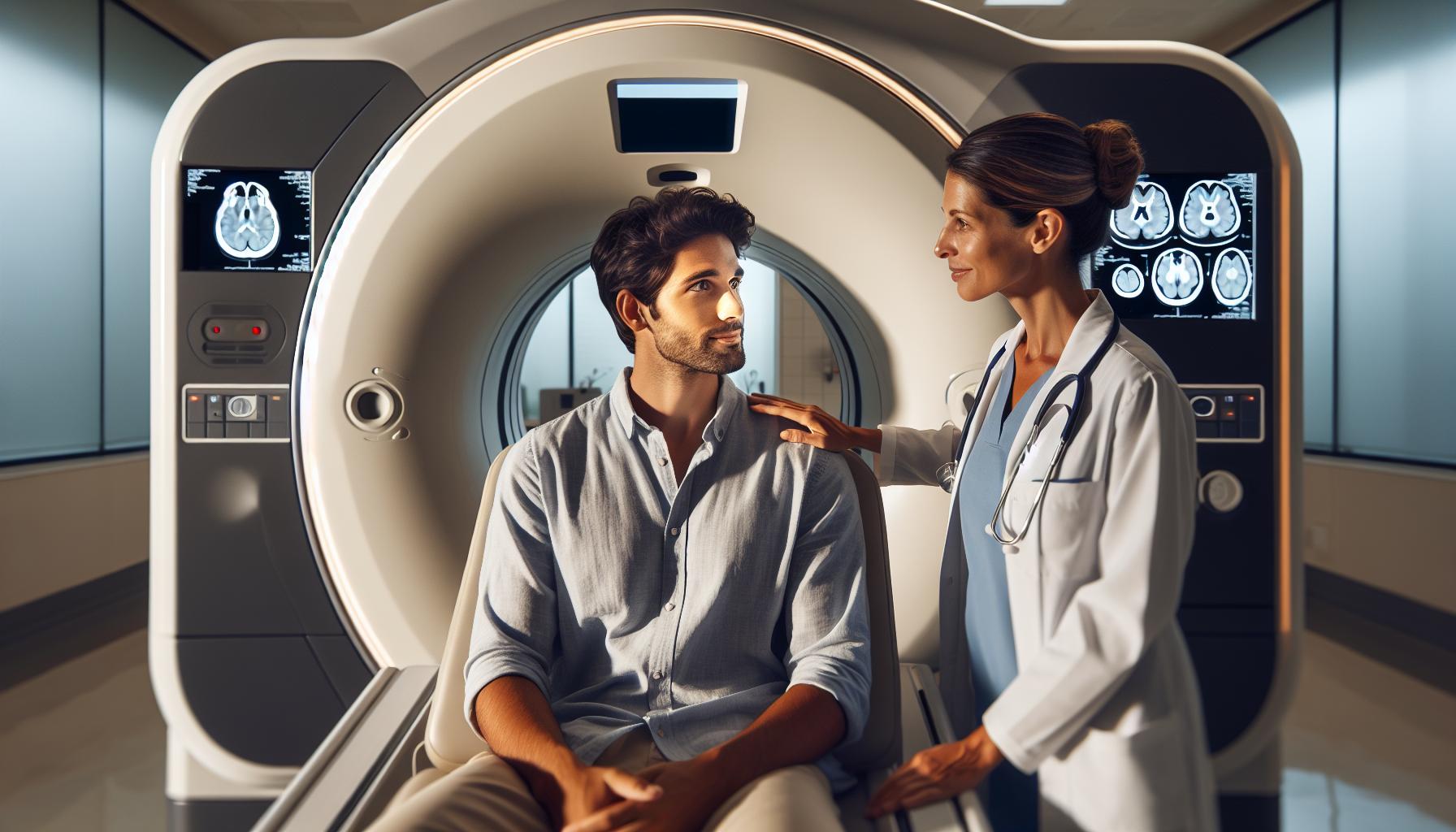
Typical Duration of a Head CT Scan
The experience of undergoing a head CT scan is often quick and efficient, typically lasting just a few moments once the actual scanning begins. While the scanning process itself may only take between 5 to 10 minutes, patients should anticipate a longer total visit duration. This includes preparation time-where you may need to change into a gown and remove any items that could interfere with imaging, such as jewelry-which can add an extra 15 to 30 minutes to your appointment.
Several factors can influence the overall time requirement for a head CT scan. Primarily, the purpose of the scan can dictate its length; for instance, if contrast dye is necessary to enhance image clarity, additional time for the injection and observation may be needed. Also, if any complications arise during the setup-such as finding it challenging to remain still for the imaging-this may prolong the procedure. Furthermore, during busy periods, a longer wait may be expected due to scheduling and patient volume.
It’s natural to feel some anxiety about the duration of the scan, but knowing that the process is designed with your comfort and safety in mind can help alleviate concerns. The technologist conducting the scan is trained to make the experience as smooth and reassuring as possible. They will guide you through each step, providing clear instructions and support throughout the process. Remember to communicate any discomfort or anxiety to the staff, as they can offer strategies to ease your experience, such as allowing you to listen to calming music during the procedure.
Overall, while the actual scan occurs quickly, preparing for it and waiting for results can extend your time at the facility. Understanding these timelines can empower you to manage your schedule, making for a more relaxed experience that prioritizes your health and well-being.
Factors Influencing Scan Length
The length of time required for a head CT scan can vary significantly based on several key factors, influencing not just the scan duration but also the overall experience at the facility. Understanding these factors can considerably alleviate any anxiety about the procedure and help you better prepare for your visit.
One primary factor is the utilization of contrast material. If your physician deems it necessary to enhance the clarity of the images, this will add time to your appointment. Generally, the contrast agent is injected via an IV, followed by a brief period of monitoring to ensure there are no adverse reactions. This process can extend your visit by 15 to 30 minutes. In addition to contrast administration, a patient’s physiological responses-like the ability to remain still throughout the scan-can impact duration. If a patient is anxious or uncomfortable, this may necessitate additional guidance from the technologist, potentially prolonging the session.
Moreover, the purpose of the scan can dictate how much time it takes. For instance, diagnostic scans aimed at complex conditions may require more extensive imaging, while routine scans may be more straightforward. Facility operational factors can also play a role; during busy periods, you might experience longer wait times due to scheduling overlaps or high patient volumes.
To maximize efficiency during your visit, it can be beneficial to arrive early and follow any pre-scan instructions provided by your healthcare team. Communicating openly about any concerns can also help ensure that your experience is as smooth as possible, allowing healthcare professionals to address your needs adequately. This proactive approach not only helps in managing your time but also contributes to a more comfortable and reassuring scan experience.
What to Expect During Your Head CT Scan
Receiving a head CT scan can be an overwhelming experience for many, but understanding what will happen during the procedure can help ease worries and foster a sense of control. During the scan, you’ll typically lie down on a table that slides you into a large, doughnut-shaped machine known as the CT scanner. This machine utilizes X-rays to create detailed images of your brain and skull, which is instrumental in diagnosing conditions ranging from tumors to bleeding. It’s essential to remember that the entire process is usually swift, often taking only about 10 to 15 minutes, excluding any preparatory steps.
Once you arrive for your appointment, you may be asked to change into a hospital gown. It’s a good idea to wear comfortable clothing without metal fasteners, as metal can interfere with the imaging. If your doctor has determined that contrast material is needed for a clearer view, you’ll receive an injection of contrast dye, which may feel warm or cause a brief metallic taste. After that, you’ll be positioned on the scanning table, where it’s crucial to keep still. Technologists are trained to support you during the procedure, offering reassurance and clear instructions throughout the process.
As the scan begins, you might hear a series of whirring and clicking sounds; this is entirely normal. The technician might ask you to hold your breath for a few seconds while the images are taken. This is to minimize movement and improve image quality. It’s completely natural to feel anxious, but technicians are aware of these concerns and are there to assist you every step of the way. Should any discomfort or uncertainty arise, don’t hesitate to communicate with them.
After the scan, you can typically resume your normal activities unless instructed otherwise. The images captured will be reviewed by a radiologist, who will then provide a report to your physician, typically within a short timeframe. Understanding these steps can significantly reduce anxiety and prepare you for a smooth experience as you navigate the world of medical imaging.
Step-by-Step Guide: Preparing for a CT Scan
Receiving a head CT scan can feel intimidating, but taking a few proactive steps can help make the preparation process smoother and less stressful. Understanding what is required before your scan can significantly reduce anxiety and improve the overall experience. Here’s a straightforward guide on how to prepare effectively for your CT scan.
Consult Your Doctor
Before your appointment, have a conversation with your healthcare provider to understand specific requirements and any personal factors that may affect the scan. Be sure to discuss your medical history, current medications, and any allergies, especially to contrast materials if they are to be used.
Dietary Preparations
In many cases, it is important to follow specific dietary guidelines before the scan. For example, you might be instructed to fast for several hours before the procedure, particularly if you’ll be receiving contrast dye. This helps ensure that the images are clear and that the contrast material doesn’t cause any adverse reactions. Always clarify these instructions with your healthcare team to ensure you follow them correctly.
Clothing and Accessories
Wear loose, comfortable clothing to your appointment, avoiding any items with metal fasteners, such as zippers and buttons, since metal can interfere with the imaging process. It may be recommended to remove jewelry, hairpins, and other accessories that could obstruct the scan.
Arriving for Your Appointment
Plan to arrive early, as you may need to complete paperwork and prepare for the scan. This time can also be used to ask any last-minute questions. Upon arrival, you’ll likely be escorted to a changing area where you will put on a hospital gown and prepare for the procedure.
What to Expect
During the scan itself, you’ll lie on a padded table that slides into the CT scanner. This process generally only takes about 10 to 15 minutes, during which you’ll need to remain still to obtain clear images. Technologists will guide you throughout, ensuring you feel comfortable and at ease.
Taking these preparations into account not only boosts the effectiveness of the scan but also fosters a feeling of control over the process. The clearer your understanding and preparation, the smoother the experience will be, potentially making the outcome more reassuring. Remember, your medical team is there to provide support and answer any lingering questions you may have.
Post-CT Scan: What Happens Next?
Following a head CT scan, understanding the next steps can ease any anxieties you may have about the procedure. Once the scan is complete, you will typically be able to return to your normal activities immediately, unless otherwise advised by your healthcare provider. The duration of the entire process, including preparation, scanning, and any recovery time, usually spans around 30 minutes to an hour, making it a relatively quick procedure compared to other imaging methods.
What Happens After the Scan?
After your scan, a radiologist will review the images and interpret the results. This usually occurs within a short time frame, though it may take a few hours or even a day for them to provide a detailed report. Your healthcare provider will typically reach out to discuss the findings and advise you on any necessary follow-up care or further testing. In some cases, your doctor may contact you the same day, particularly if urgent findings are revealed.
Managing Post-Scan Expectations
It’s common to feel apprehensive while waiting for results. Rest assured that many common conditions can be clearly assessed through a CT scan, allowing your healthcare provider to give you timely and appropriate care. If contrast material was used during your scan, be aware of potential minor side effects, such as a warm sensation, metallic taste, or slight dizziness. These effects are normal and generally resolve quickly. However, if you experience significant discomfort or symptoms like rash or difficulty breathing, seek medical attention immediately.
In the days following your scan, you may want to monitor yourself for any unusual symptoms, but this is typically unnecessary. Remember to stay in touch with your medical team, and don’t hesitate to reach out with any questions or concerns regarding your recovery or the next steps based on your results. Your understanding of the whole process contributes significantly to your peace of mind, and knowing what to expect can turn an otherwise daunting experience into a manageable one.
Safety Protocols and Considerations
Ensuring a safe and comfortable experience during a CT scan is paramount for both patients and healthcare providers. Every CT facility adheres to strict safety protocols designed to minimize risks and enhance patient well-being. During your head CT scan, one key consideration involves the use of contrast material, which may be administered to improve image clarity. It’s essential to inform your healthcare team if you have a history of allergies, particularly to iodine, as this can prevent adverse reactions. Always discuss any concerns you have regarding allergies or previous reactions to imaging contrast prior to the scan.
In addition to discussing allergies, patients can expect to undergo a screening for contraindications related to the use of CT scans. This screening will include questions about your medical history, medications, and any current health conditions. By sharing complete and honest information, you help the medical team tailor the procedure to your specific needs, ensuring a safer environment. Furthermore, safety measures, such as the use of lead shields, may be employed to protect other areas of your body from unnecessary radiation exposure.
Your comfort is also a significant consideration. Before the scan begins, the technician will guide you on how to position yourself properly on the scanner bed. You’ll be instructed to remain as still as possible, and clear verbal prompts will be given to help you understand when to hold your breath, if necessary. This clarity helps reduce anxiety and aids in producing the best quality images.
Lastly, it’s important to understand the radiation aspect of the CT scan. Modern CT technology is designed to use the lowest dose of radiation necessary to produce high-quality images. The benefits typically outweigh these risks, especially when considering the importance of accurate diagnosis and treatment plans. Always feel empowered to ask questions about the procedure and safety measures in place, as this knowledge contributes to reducing anxiety and enhancing your overall understanding of the scanning process. Remember, your healthcare provider is your best resource for personalized advice and safety considerations tailored to your medical history and current condition.
Understanding CT Scan Results and Reporting
Understanding the nuances of your CT scan results is key to managing your health effectively. When a CT scan of the head is completed, the images generated will be interpreted by a radiologist, a medical doctor specializing in diagnosing diseases and conditions through medical imaging. After analyzing the images, the radiologist will compile a report detailing their observations. This report is essential as it provides insight into various conditions affecting brain health, including tumors, bleeding, fractures, and other anomalies.
Typically, it can take anywhere from a few hours to a few days for the radiologist to finalize the report after the CT scan is performed. The time frame varies depending on the facility and the radiologist’s workload. Patients should not feel anxious if they do not receive results immediately; this waiting period is standard and allows for thorough review. Once completed, your healthcare provider will discuss the findings with you, translating any medical jargon into understandable terms.
It’s important to have an open dialogue during this follow-up appointment. Patients should feel empowered to ask questions about what the results mean for their health. Are there any further tests recommended? What are the next steps in treatment or monitoring? Clear communication can demystify the results, making it easier to understand your health situation.
In addition to verbal explanations, many healthcare facilities provide patients with copies of their reports and images. This transparency can foster a better understanding of your medical journey. Should any concerning findings arise, your healthcare provider will guide you on the best paths forward, which may include referrals to specialists or additional imaging studies. Remember, being informed and involved in your healthcare decisions is crucial, empowering you to take charge of your health confidently.
Comparing CT Scans to Other Imaging Methods
The advancement of medical imaging technologies has provided healthcare professionals with various tools to examine internal structures with precision, each method having its own strengths and weaknesses. Understanding how CT scans compare to other imaging techniques can empower patients to make informed decisions about their healthcare.
CT scans, or computed tomography scans, are widely used for their speed and ability to provide detailed cross-sectional images of the body, particularly useful for diagnosing conditions affecting the head. However, they are not the only option available.
CT Scans vs. MRI
Magnetic Resonance Imaging (MRI) offers distinct advantages, particularly when evaluating soft tissue structures within the brain. Unlike CT scans that use X-rays, MRIs utilize powerful magnets and radio waves, providing high-resolution images that can reveal brain tumors, aneurysms, and other anomalies with great accuracy. While MRI takes longer than a CT scan-often lasting 30 to 60 minutes-it does not expose patients to ionizing radiation, making it a preferred choice in certain clinical scenarios.
CT Scans vs. Ultrasound
Ultrasound is another imaging technique used frequently in various medical settings. It employs sound waves to create images and is particularly effective for monitoring aspects like blood flow or assessing certain conditions in infants and women during pregnancy. While CT scans are more effective for comprehensive head evaluations, ultrasounds can quickly assess certain surface conditions at a much lower cost and without radiation exposure.
CT Scans vs. X-rays
X-rays are often the first line of imaging for identifying bone fractures or certain diseases but are far less detailed than CT scans. A CT scan is essentially a series of X-rays taken from different angles and stitched together to provide a more comprehensive view, especially beneficial in emergency situations where rapid assessment is crucial, such as in head injuries.
In conclusion, while CT scans are invaluable for their speed and effectiveness in assessing conditions affecting the head, understanding the relative benefits of MRI, ultrasound, and X-ray can guide patients and providers in choosing the optimal imaging method based on clinical needs, costs, and convenience. As always, discussing these options with a healthcare professional can help ensure the most appropriate approach is taken for individual health concerns.
Costs Associated with Head CT Scans
The cost of a head CT scan can vary significantly based on several factors, including the facility where the scan is performed, whether a contrast agent is used, and whether the patient has health insurance. On average, patients can expect to pay anywhere from $300 to $3,000 for a head CT scan, though prices can reach higher in certain regions or specialized facilities. Understanding these costs is crucial for patients who may need this imaging test, as it can help them plan financially and avoid unexpected expenses.
Factors Affecting CT Scan Costs
Several elements contribute to the overall cost of a head CT scan:
- Facility Type: Scans performed at hospitals, especially emergency rooms, can be more expensive than those at outpatient imaging centers.
- Insurance Coverage: Patients with health insurance may have varying coverage plans, which can affect their out-of-pocket expenses. It’s important to check with both the insurance provider and the facility regarding coverage.
- Contrast Usage: If the scan requires the use of a contrast dye to enhance image quality, this can increase costs. Contrast materials are often used to help visualize soft tissues better.
- Geographic Location: Prices can differ based on location, with urban centers typically having higher costs compared to rural areas.
Insurance Considerations
For those with health coverage, it’s advisable to consult your insurance provider before undergoing a CT scan. Many plans have specific guidelines about which facilities are covered and what the patient may need to pay as a deductible or copay. This proactive approach can reduce financial strain and ensure that patients are fully informed about their potential expenses.
In conclusion, understanding the can alleviate some of the stress that accompanies obtaining medical imaging. By being informed and prepared, patients can make more confident decisions regarding their care and financial assistance. Always consult a healthcare professional for personalized advice and guidance based on your specific situation.
Frequently Asked Questions About Head CT Scans
When considering a head CT scan, many patients have pressing questions that can ease anxiety and clarify what to expect. One frequent concern is the duration of the scan itself. Generally, a head CT scan is a quick process, typically taking only around 10 to 30 minutes to complete, depending on the specific protocols used and whether any contrast is administered. This brief duration is reassuring for patients, especially those who may feel apprehensive about being confined in the imaging machine.
Another common query revolves around how to prepare for the scan. It’s essential to inform your healthcare provider about any medications you’re currently taking, as well as any allergies, particularly to contrast agents if they are required. Patients are usually advised to avoid eating or drinking for a few hours before the procedure, especially if sedation is needed. Ensuring that you wear comfortable clothing and removing any metallic accessories can further streamline the process, making it easier and quicker.
After the scan, many individuals wonder about the results. Typically, the radiologist interprets the images, and results are shared with your primary doctor within a few days. It’s advisable to follow up with your doctor to discuss the findings and any necessary next steps. Additionally, understanding if you’ll have access to scan images or reports is helpful for peace of mind, particularly for those who are proactive about their healthcare.
Lastly, patients often inquire about safety. CT scans utilize radiation, which can be a concern for many. However, modern CT technology has optimized doses for diagnostic quality while minimizing risks. If you have concerns about exposure, discussing these with your technician or physician can provide clarity and reassurance. Each of these questions underscores the importance of open communication with healthcare professionals to ensure that patients feel informed and supported throughout their imaging journey.
Faq
Q: How long does it take to prepare for a head CT scan?
A: Preparing for a head CT scan typically takes about 15 to 30 minutes. This includes completing paperwork, changing into a gown, and discussing your medical history with the technician. Refer to the section “Step-by-Step Guide: Preparing for a CT Scan” for more details.
Q: What should I wear for a head CT scan?
A: Wear comfortable, loose-fitting clothing without metal fasteners, as metal can interfere with imaging. Opt for a shirt that can easily be removed or consider changing into a hospital gown upon arrival.
Q: Can I eat before a head CT scan?
A: Generally, you can eat before a routine head CT scan. However, if you’re receiving contrast material, follow your doctor’s instructions regarding fasting, usually for at least a few hours prior. Check the “Step-by-Step Guide: Preparing for a CT Scan” section for specifics.
Q: Are there any side effects from a head CT scan?
A: Most patients experience no side effects from a head CT scan. When using contrast material, some may have mild reactions like itching or warmth. For a detailed overview, see the section on “Safety Protocols and Considerations.”
Q: How quickly will I get results after a head CT scan?
A: Results are typically available within 24 hours, but it may vary based on the facility. Your doctor will discuss the results and next steps. Consult the “Understanding CT Scan Results and Reporting” section for more information.
Q: What are your options if you are claustrophobic during a CT scan?
A: If you’re claustrophobic, let the technician know beforehand. They may offer calming techniques, provide sedation options, or use an open CT scanner. Check the “What to Expect During Your Head CT Scan” section for tips.
Q: How does the time of day affect head CT scan scheduling?
A: The time of day can influence scheduling, as facilities may have longer wait times during peak hours. Morning appointments might be less crowded. For advice on scheduling, refer to the “Typical Duration of a Head CT Scan” section.
Q: Will my insurance cover a head CT scan?
A: Coverage for a head CT scan depends on your insurance policy. Verify with your provider to understand specific coverage and any necessary pre-approval requirements. See the “Costs Associated with Head CT Scans” section for details on typical expenses.
Wrapping Up
Understanding how long a CT scan of the head takes can alleviate some concerns and set your expectations. While the procedure itself is typically quick, being well-prepared can enhance your experience and results. If you’re interested in learning more about CT scan safety protocols, check out our detailed guide on CT scan procedures, or explore our informative article on what to expect before and after your scan.
Ready to take the next step? Don’t hesitate to reach out for more personalized guidance or to schedule a consultation with a healthcare professional who can address your specific questions. If you found this information helpful, consider subscribing to our newsletter for more insights on medical imaging and health tips! Remember, the journey to understanding your health is just as important as the destination-stay informed and empowered.