When it comes to diagnosing abdominal issues, a CT scan can be a crucial tool for your healthcare provider. But just how long does this process take? Understanding the timeline of an abdominal CT scan not only helps alleviate anxiety but also assists you in planning your day effectively. This procedure typically unfolds in a series of straightforward steps, from preparation to the scan itself, and knowing what to expect can empower you as a patient.
Many individuals feel apprehensive about medical procedures, and an abdominal CT scan may evoke concerns about time and complexity. However, familiarizing yourself with the expected duration and flow of the scan can significantly ease those worries and ensure you feel more in control. As we delve into the specifics, you’ll discover valuable insights that will not only clarify the process but also highlight the importance of proper preparation for a smoother experience. Stay with us to navigate this important aspect of abdominal health diagnostics.
Factors Influencing the Duration of a CT Scan
The duration of a CT scan can vary significantly based on several factors, impacting not only the time spent in the scanner itself but also the overall experience. Understanding these elements can help to alleviate anxiety and prepare patients for their upcoming procedures.
First and foremost, the specific area being scanned plays a crucial role. For instance, abdominal CT scans generally take about 20 to 30 minutes to complete, including preparation and imaging time, while scans of different regions-such as the chest or head-may require slightly less or more time, respectively [1[1]. Furthermore, the need for contrast agents, which enhance imaging quality, can extend the duration of the visit. Patients receiving a CT scan with contrast need additional time for preparation, which may include an intravenous (IV) line placement and waiting for the contrast to circulate in the bloodstream.
The individual patient’s circumstances can also impact the timeline. Factors such as age, mobility, and any underlying health conditions may affect how quickly a patient can get into position and remain still during the scan itself. For example, children or patients with anxiety may require extra time to ensure they are comfortable and can remain still, which is essential for obtaining clear images.
It’s also important to consider the facility’s workflow and scheduling. During peak times, imaging centers may experience delays due to a higher volume of patients, which can extend wait times between the preparation and scanning phases. Being aware of these factors can help patients plan accordingly and reduce any pre-scan anxiety.
In summary, the duration of a CT scan, particularly an abdominal one, is influenced by the body part being scanned, the use of contrast, and individual patient factors. Understanding these elements allows patients to be better prepared for their appointment and to approach the procedure with greater confidence. Always consult with healthcare professionals for guidance specific to your situation, as they can provide insights tailored to your medical needs.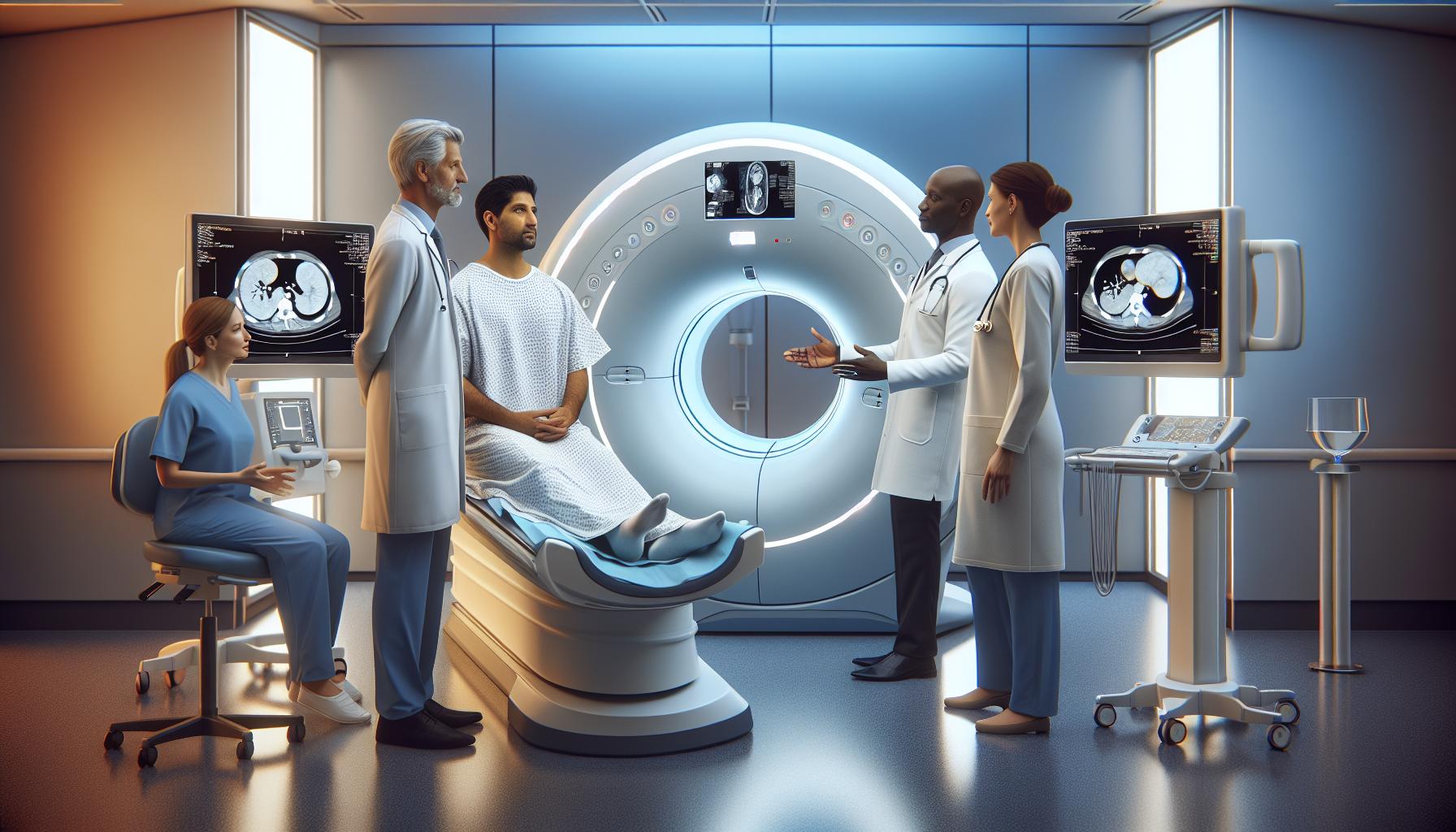
Typical Timeline of an Abdominal CT Scan Procedure
Undergoing an abdominal CT scan can feel daunting, but understanding the typical timeline of the procedure helps ease those fears. The entire process generally lasts about 30 minutes, though this can vary slightly depending on specific circumstances.
Upon arrival at the imaging center, you’ll typically spend a few minutes checking in and completing necessary paperwork. If your scan requires contrast material, you might need to drink a contrast solution or receive an intravenous (IV) contrast injection. This preparation may take about 10 to 15 minutes as the contrast needs time to work in your body. Once you’re prepared, a technician will lead you to the CT room.
During the scan itself, you lie on a motorized table that slides into the CT scanner. The imaging phase usually lasts around 5 to 10 minutes, though it may feel longer as you’ll need to remain still. The machine may emit noises, but these are normal and part of the imaging process. Once the scan is complete, the technician will assist you in getting up, and you are free to leave the facility right afterward.
Key Timeline Breakdown:
| Phase | Duration |
|---|---|
| Check-in | 5-10 minutes |
| Preparation (Contrast if required) | 10-15 minutes |
| CT Scan Imaging | 5-10 minutes |
| Total | ~30 minutes |
Understanding this process can help you feel more at ease. Always remember to communicate any concerns to your healthcare provider or the technician on the day of your scan, as they are there to ensure your comfort and safety throughout the procedure.
Preparation Steps: What to Expect Before Your Scan
Preparing for a CT scan can be simplified when you know what to expect. The process starts long before you arrive at the imaging center. Depending on the type of scan, especially for abdominal imaging, you may need to follow specific dietary guidelines. For instance, if your procedure requires intravenous (IV) contrast, it’s generally advised to avoid eating or drinking for at least four hours before the scan. This ensures that any necessary contrast dye used for clearer images will work effectively within your system.
As you prepare for your appointment, gathering the appropriate documents can ease your experience. Bring your photo ID, insurance cards, and a list of any medications you are currently taking. This information helps the medical team understand your health background and ensures that you receive the best care possible. Additionally, arriving slightly earlier than your scheduled appointment allows time for check-in and any last-minute questions you might have for your healthcare team.
If oral contrast is needed, you will likely be asked to drink a solution or water before entering the scan room. This step is crucial for abdominal scans, as it provides clearer images of the digestive tract. The preparation phase typically lasts about 10 to 15 minutes, during which the medical staff will make sure you are comfortable and understand the next steps.
Communication is key. Don’t hesitate to ask questions or express any concerns regarding the scan or the use of contrast materials. Remember, the healthcare professionals are there to support you and will do everything to ensure a smooth experience. Feeling informed about these preparatory steps can significantly reduce anxiety and contribute to a successful imaging process.
Understanding the CT Scan Process: Step-by-Step Overview
As you prepare for an abdominal CT scan, understanding the process can significantly ease any anxiety you may feel. The journey begins when you arrive at the imaging center, where the staff will greet you and guide you through the necessary paperwork. This initial interaction sets the stage for a supportive environment, so don’t hesitate to ask any questions you may have about the procedure, the technology, or what to expect next.
Once checked in, you will typically change into a gown to ensure that your clothing doesn’t interfere with the scan. The actual imaging process is relatively quick, lasting about 20 to 30 minutes for an abdominal CT. You’ll be asked to lie down on a motorized table that slides into the CT machine, which looks somewhat like a large doughnut. During the scan, the machine will rotate around you, capturing multiple images of your abdomen from various angles. At times, the technician may instruct you to hold your breath or stay still for a few seconds to achieve clearer images.
Throughout the procedure, you may feel a sense of warmth or a strange sensation if contrast material is used, but this is completely normal. The importance of the contrast is to enhance the visibility of organs and tissues in your abdomen, providing your healthcare provider with vital information for diagnosis. After the imaging is complete, you can quickly change back into your clothes and resume your normal activities unless otherwise instructed by your healthcare provider.
In summary, while the abdominal CT scan is a relatively short and straightforward process, being aware of the steps involved can help dispel fears and make the experience more manageable. The staff will always be there to support you, ensuring you understand each step, thereby empowering you to participate actively in your healthcare journey. Remember, open communication with your healthcare provider before, during, and after the scan is essential to addressing any concerns and ensuring the best possible care.
Technical Aspects of CT Imaging: How It Works
A CT scan, or computed tomography scan, is a remarkable technology that merges advanced imaging techniques to create detailed cross-sectional images of the body. This non-invasive procedure allows healthcare providers to visualize internal organs, bones, and soft tissues with exceptional clarity. Understanding how this technology functions can empower patients and reduce anxiety about the process.
At the heart of a CT scan is an x-ray tube that rotates around the patient, capturing multiple images from various angles. These x-rays pass through the body and are detected by sensors positioned on the opposite side of the tube. As the x-ray tube moves in a circular motion, it generates numerous images that a computer then processes to construct a comprehensive 3D representation of the scanned area. This innovative approach allows for intricate examination of the abdomen, identifying any abnormalities or conditions, such as tumors or internal bleeding.
Why Contrast Material Matters
In many cases, a contrast material may be used to enhance the visibility of certain structures within the abdomen. This substance, often administered through an intravenous line, can illuminate blood vessels or highlight specific organs, making it easier for radiologists to detect problems. Although some patients may feel warm or slightly uncomfortable during the injection, these sensations are generally mild and temporary.
It’s crucial to remember that the duration of the scan itself is relatively short, typically completed in about 15 to 30 minutes. However, additional time might be needed for preparation, such as receiving contrast material or undergoing a safety screening. Knowing this can help alleviate concerns about lengthy or uncomfortable procedures. After the scan concludes, the radiologist will interpret the images, and your healthcare provider will discuss the findings with you, paving the way for informed decisions about your health.
Post-Scan Process: Receiving Your Results
Receiving the results from your abdominal CT scan can be an anxious time, but understanding the post-scan process can help ease your worries. Typically, after the scanning is completed, radiologists begin the meticulous task of interpreting the images. This interpretation may take some time, as the images obtained from your scan are detailed and require careful examination to identify any abnormalities or conditions.
The Timeline for Results
While the scan itself is relatively quick, the overall timeframe for receiving your results can vary. Generally, the radiologist will provide a report within 24 to 48 hours. However, your healthcare provider will communicate the findings to you, which may take an additional day or two depending on their schedule and the complexity of your case. In some urgent situations, especially if critical conditions are suspected, your doctor may have access to preliminary results sooner.
Understanding the Report
Once your healthcare provider has the report, they will discuss it with you in detail. You can expect them to explain what the images reveal, including any identified issues. During this discussion, it is important to ask questions and express any concerns you may have. You can inquire about what the results mean for your health, potential next steps, or any further tests that may be necessary. Be aware that not all findings require immediate intervention; some may be monitored over time.
Follow-Up Appointments
Based on the outcome of your CT scan, your doctor may recommend follow-up appointments or additional imaging tests. This is a routine part of the process, as it ensures any developing issues are addressed as promptly as possible. It’s essential to maintain open communication with your healthcare provider and adhere to any suggested follow-up actions.
Navigating the waters of medical imaging results can be daunting, but remember that your healthcare team is there to support you. Utilizing this time for thorough discussion can help you feel more informed and empowered regarding your health.
Safety Considerations: Risks and Benefits of CT Scans
The benefits of a CT scan often outweigh its risks, particularly when it comes to diagnosing serious medical conditions. For example, a CT scan provides detailed cross-sectional images of the body, allowing healthcare professionals to identify issues such as tumors, internal injuries, or organ malfunctions that could otherwise remain hidden. This advanced imaging technique can expedite diagnosis and treatment, which is crucial in time-sensitive situations.
However, it’s essential to consider the potential risks associated with CT scans, mainly due to radiation exposure. While the radiation dose from a single CT scan is generally low and the benefits of accurate diagnosis and treatment planning are significant, repeated exposure can accumulate and potentially lead to an increased risk of cancer over time. This highlights the importance of discussing the necessity of the scan with your healthcare provider. They can help assess whether alternative imaging methods, such as MRI or ultrasound, might be more appropriate for your specific situation, especially for pediatric patients or those requiring multiple scans.
Before undergoing a CT scan, asking questions can help alleviate concerns about safety. For instance, inquire about the specific reasons for the scan, how the results will impact your treatment plan, and what measures are in place to minimize radiation exposure. It’s also worth noting that advancements in technology and protocols have continued to improve the safety of CT scans, making them reputable tools in modern medicine.
Ultimately, understanding both the benefits and risks of CT scans empowers you as a patient and allows for informed decision-making. Your healthcare team is there to guide you through this process, ensuring that every step you take is necessary and beneficial for your health. If you’re ever uncertain, don’t hesitate to seek clarification or further information to alleviate any apprehensions.
Cost Considerations: Abdominal CT Scan Expenses
The cost of an abdominal CT scan can vary significantly, depending on multiple factors including your location, the healthcare facility, and whether you have insurance. On average, without insurance, a CT scan can range from $500 to $3,000. However, many patients find that their insurance plans cover a significant portion of this expense. Knowing the typical costs and factors influencing prices can help alleviate some financial anxiety associated with these vital medical procedures.
- Location and Facility Type: Costs are often higher at hospitals compared to outpatient imaging centers. If you are seeking price-efficient options, consider local imaging centers that may offer competitive pricing.
- Insurance Coverage: It’s crucial to verify what your insurance policy covers and if there are any deductibles. Confirm with your provider about whether the scan is deemed medically necessary to ensure it qualifies for coverage.
- Type of Scan: A standard abdominal CT scan might be less expensive than a specialized scan using contrast. For example, an abdominal CT scan with contrast can cost between $425 to $755 in regions such as Virginia[[3]](https://www.mdsave.com/procedures/ct-scan-with-contrast/d781f5cc/virginia).
- Out-of-Pocket Expenses: Depending on your plan, out-of-pocket costs can range widely. Reviewing your insurance plan’s specifics before scheduling the scan will help you prepare for potential expenses.
Understanding these cost considerations can empower you to ask relevant questions during pre-scan discussions with your healthcare provider or insurance representative. This way, you can confidently navigate the financial aspects of your care while focusing on your health and wellbeing. It’s advisable to request a detailed quote based on your specific needs and circumstances, ensuring there are no surprises on your billing statement after the scan. By being informed and proactive, you can prioritize your health without compromising your financial stability.
Differences Between CT Scans and Other Imaging Techniques
Imaging techniques are essential tools in modern medicine, each designed with specific uses, benefits, and limitations. Among these, CT scans stand out for their speed and ability to provide detailed cross-sectional images of the body in a matter of minutes. In contrast, other imaging modalities such as X-rays, MRI, and ultrasound serve different purposes and have their unique advantages.
CT scans utilize X-ray technology and a series of images to construct a 3D view of structures inside the body, making them particularly effective for detecting abnormalities in organs, bones, and blood vessels. The rapid pace of a CT scan is why it often becomes the first choice in emergency settings, providing quick insights that can be critical for immediate treatment decisions. For example, a CT scan is typically preferred in cases of suspected trauma or internal bleeding, where time is of the essence.
In comparison, MRIs use magnetic fields and radio waves to create detailed images and are generally superior at differentiating soft tissues. While an MRI might take longer-sometimes 30 minutes to over an hour-it excels in visualizing issues related to the brain, spinal cord, and joints. Patients may find themselves in a narrow tube for the duration of an MRI, which can cause anxiety for some; however, this method avoids ionizing radiation, adding another level of safety.
Ultrasound employs sound waves to visualize internal organs and is often used for pregnancy examinations or in evaluating certain abdominal conditions. It is less detailed than CT or MRI but is entirely safe for patients of all ages and is quick, often taking only about 20 to 30 minutes. The absence of ionizing radiation makes it an excellent option for repeated imaging, a crucial factor when monitoring conditions over time.
When considering which imaging technique is most appropriate, understanding these differences can alleviate concerns and promote informed discussions with healthcare providers. Each modality, including CT, plays a unique role-enhancing diagnostics and ultimately aiding in effective patient care. If you’re anxious about the procedure, do not hesitate to talk to your physician about your concerns; their guidance can help you navigate the specifics of your situation with confidence.
Common Concerns and Myths About CT Scans
Many people have concerns about the safety and implications of undergoing a CT scan, but understanding the facts surrounding these imaging tests can alleviate worries. One common myth is that CT scans expose patients to dangerously high levels of radiation. While it’s true that CT scans do involve exposure to ionizing radiation, the doses are carefully controlled and minimized to provide essential diagnostic information while keeping risks to a minimum. In fact, the amount of radiation from a single abdominal CT scan is comparable to the amount of natural background radiation a person receives over several years. This fact underscores the importance of weighing the benefits of timely diagnosis against potential risks.
Another prevalent concern is that CT scans are lengthy and complicated procedures. However, the reality is often quite the opposite. An abdominal CT scan usually takes just 10 to 30 minutes from start to finish, including preparation time. Patients often find that the scanning process itself lasts only a few minutes. During this brief period, it is essential to remain still to ensure clear images; however, the technologist will guide you through the process, explaining every step and providing reassurance.
Many patients might also wonder about the need for contrast material, which can further stoke anxiety about the procedure. While contrast agents are used to enhance the visibility of specific areas within the body, they are generally regarded as safe. Most individuals tolerate them well, but it is crucial to notify your healthcare provider of any allergies, especially to iodine or shellfish, or if you have a history of kidney issues, as this may inform the use of contrast.
In light of these concerns, communication with healthcare providers is key. If you have questions about the procedure, potential side effects, or any other anxiety-inducing thoughts, it’s vital to openly discuss these with your physician. They can provide personalized explanations, help you understand the necessity of the scan, and outline how it contributes to effective diagnosis and treatment planning. By fostering trust and transparency, patients can approach their scans with a sense of calm and confidence.
Tips for Reducing Anxiety Before Your Scan
Feeling anxious before a medical procedure is entirely normal, especially when it involves imaging tests like a CT scan. Understanding what to expect and having strategies to calm your nerves can make the process more manageable. Here are some effective tips to help reduce anxiety before your abdominal CT scan.
Educate Yourself
Knowledge is a powerful tool in alleviating anxiety. Take the time to learn about the CT scan process, including how long it typically takes, what the procedure involves, and why it’s necessary. Knowing that an abdominal CT scan generally lasts only 10 to 30 minutes and that you’ll receive clear instructions from the technologist can help you feel more in control. If you have questions or concerns, don’t hesitate to reach out to your healthcare team for clarification.
Practice Relaxation Techniques
Incorporating relaxation techniques into your routine can be beneficial. Consider using deep breathing exercises, progressive muscle relaxation, or guided imagery to calm your mind and body. For instance, practice inhaling deeply for a count of four, holding your breath for a count of four, and exhaling slowly for a count of four. You could also visualize a peaceful scene to distract yourself from worries. Engaging in these practices before your appointment can create a sense of calm and ease any apprehension.
Bring Support
Having a trusted friend or family member accompany you on the day of your scan can provide emotional support and distraction. They can offer encouragement and help you stay focused on topics that bring you joy or comfort while waiting. If allowed, consider bringing a personal item, such as a book or music player, to engage your mind while you’re waiting for your scan.
Communicate Openly
Don’t shy away from discussing your anxiety with your healthcare provider or the radiologic technologist. They are trained to help patients feel comfortable and can offer reassurance. Let them know if you have experiences of claustrophobia or specific concerns about the procedure. This communication can lead to tailored suggestions that make your experience smoother, such as taking breaks during the scan if possible or using open MRI machines when available to alleviate feelings of confinement.
Implementing these strategies can significantly reduce anxiety and contribute to a more positive experience during your abdominal CT scan. Remember, being proactive about your mental well-being is just as important as physical health.
When to Consult a Healthcare Professional About CT Scans
Knowing when to seek advice from healthcare professionals regarding CT scans can significantly enhance your experience and understanding of the process. If you have specific health conditions, such as kidney issues or allergies to contrast material, it’s essential to consult with your doctor beforehand. They can provide personalized guidance on how these factors could impact your scan and help determine if any precautions are necessary.
Moreover, if you experience feelings of extreme anxiety or claustrophobia when thinking about undergoing a CT scan, don’t hesitate to reach out to your healthcare provider. Discussing these feelings can lead to solutions such as pre-scan medication to help manage anxiety or adjustments in the imaging process to help you feel more comfortable. It’s perfectly normal to have concerns, and open communication with your medical team can lead to a more positive scanning experience.
Also, if you have any lingering questions about the procedure or need clarity on the expected duration of the scan, talking with a radiologic technologist can be beneficial. They are trained to provide detailed explanations and address any uncertainties you may encounter, which can alleviate fears and improve your overall comfort level before and during the procedure.
In summary, don’t hesitate to reach out for support. Whether it’s understanding the logistics of your upcoming CT scan or addressing medical concerns, your healthcare team is there to help you navigate your imaging experience with confidence.
Frequently asked questions
Q: How long does an abdominal CT scan typically take?
A: An abdominal CT scan usually takes about 10 to 30 minutes. The actual scanning time is quick, typically around 5 to 10 minutes, but additional time may be required for preparation and positioning.
Q: What factors can affect the duration of an abdominal CT scan?
A: The duration of an abdominal CT scan can be influenced by factors such as the need for contrast material, the complexity of the scan, the technology used, and how quickly the patient can cooperate during the procedure.
Q: Is IV contrast always used for an abdominal CT scan?
A: No, IV contrast is not always necessary for an abdominal CT scan. Its use depends on the specific condition being assessed and the physician’s discretion. When used, it may add some extra time to the overall procedure.
Q: How should I prepare for an abdominal CT scan?
A: Preparation may involve fasting for a few hours before the scan and informing your doctor of any medications or allergies. This ensures the scan is as effective as possible and helps minimize discomfort during the procedure.
Q: Can I eat or drink before an abdominal CT scan?
A: Most often, you will be instructed to avoid eating or drinking for a few hours prior to the scan, especially if you will be using contrast material. Always follow your healthcare provider’s specific instructions regarding preparation.
Q: Will I receive my results the same day as my CT scan?
A: Generally, you’ll not receive immediate results the same day. Doctors usually need a few days to review the images and send the findings. However, some facilities may inform you of preliminary results quickly.
Q: How long does it take to get a copy of my abdominal CT scan?
A: You can typically request a copy of your abdominal CT scan images immediately after your procedure. However, receiving analyzed results from your healthcare provider may take 1 to 3 days, depending on the clinic’s protocol.
Q: Are there any risks involved with an abdominal CT scan?
A: While abdominal CT scans are generally safe, there are risks associated with exposure to radiation and the possibility of allergic reactions to contrast material. Always discuss potential risks with your healthcare provider before the scan.
To Conclude
Now that you have a clear understanding of how long an abdominal CT scan takes, you can approach the procedure with confidence. Remember, preparation is key to a smooth experience-ensure you follow any guidelines provided by your healthcare provider for optimal results. If you’re curious about the benefits and potential risks of a CT scan, or if you want to explore how this imaging technique compares to other diagnostic methods, check out our related articles on body CT scans and patient preparation tips.
Don’t hesitate to take the next step in your health journey. Whether it’s scheduling your scan or consulting with your healthcare provider about your results, staying informed empowers you. For ongoing updates and expert advice, consider signing up for our newsletter. Engage with us in the comments below or share your thoughts with others who might benefit from this information. Together, let’s demystify medical imaging and ensure you feel prepared and at ease. Your health and peace of mind matter!