Preparing for a CT scan with contrast can feel overwhelming, especially when you’re unsure about what you can eat or drink beforehand. Did you know that proper hydration can actually enhance the clarity of your scan? Understanding the guidelines around drinking water is crucial not only for accurate results but also for your comfort during the procedure.
Many patients wonder, “Can I drink water before my CT scan?” This question is important for not only managing anxiety but also ensuring that you’re well-prepared for your imaging appointment. The right preparation can make a significant difference in the quality of the images produced, which is pivotal for accurate diagnoses.
In this article, we’ll delve into the specifics of fluid intake before your scan and share essential tips to ensure a smooth experience. By addressing your concerns and providing valuable insights, we aim to empower you with the knowledge you need for a successful CT scan.
Can I Drink Water Before a CT Scan with Contrast? Understanding the Guidelines
It’s a common concern for patients preparing for a CT scan with contrast: should you drink water beforehand? Hydration plays a crucial role in the overall safety and effectiveness of the procedure. In general, most healthcare providers advocate for drinking clear fluids up until a few hours before your scan, as adequate hydration can help your body process the contrast agent used during the imaging. However, specific instructions may vary based on your individual health status, the specific contrast agent being used, and the timing of your appointment.
Before a CT scan with contrast, drinking water can aid in the clearance of the contrast material from your system after the procedure. Moreover, staying hydrated may help minimize potential side effects such as nausea or a feeling of warmth, which some patients report after receiving the contrast agent. It’s recommended to continue drinking water until a few hours prior to your scheduled scan time, but you should avoid drinking immediately before your procedure to ensure your stomach is clear for any potential sedation if you have been advised to undergo it.
Patients with certain medical conditions or allergies may receive different guidelines, so it’s essential to communicate with your healthcare provider about any specific recommendations tailored to your individual situation. If you have diabetes or kidney issues, for instance, your doctor might have special instructions regarding fluid intake and medication management prior to the scan. Always prioritize personalized medical advice-consulting your healthcare provider is the best way to ensure you are fully prepared for your CT scan while also optimizing your comfort and safety.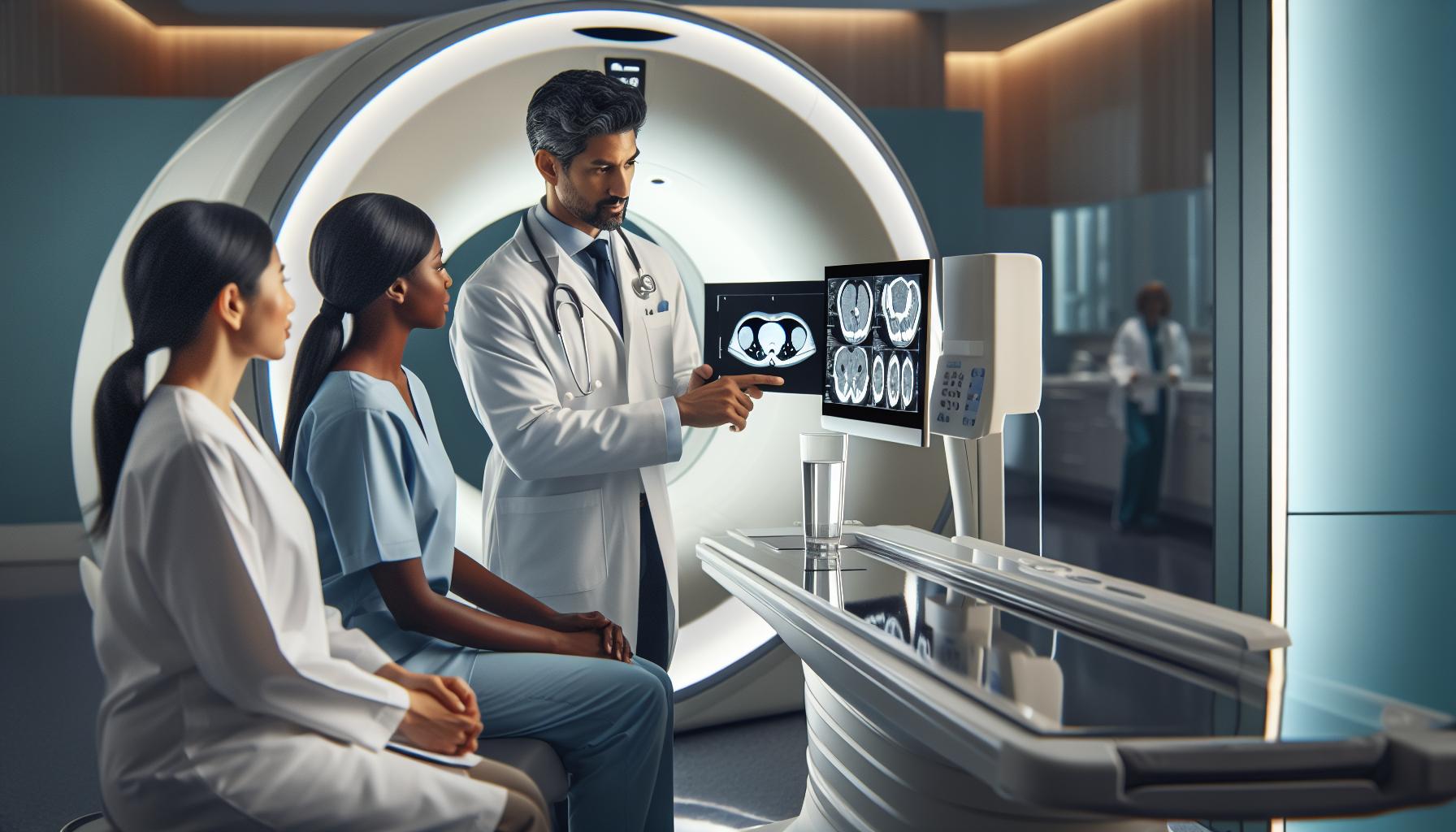
Importance of Pre-Scan Hydration
Hydration is a fundamental aspect of preparing for a CT scan with contrast, and understanding its importance can alleviate anxiety and enhance the effectiveness of the procedure. Keeping your body well-hydrated helps the kidneys, which are responsible for filtering out contrast material after the examination. When your kidneys are supported by sufficient fluid intake, they work more efficiently, reducing the risk of complications and ensuring a smoother recovery process.
In general, drinking clear fluids, especially water, is encouraged before your CT scan. This not only prepares your body for the procedure but can reduce potential side effects like nausea or a sensation of warmth that some patients experience after receiving the contrast. Proper hydration may also provide a calming effect, making you feel more at ease during the scan. It’s best to hydrate yourself in the hours leading up to the appointment while still adhering to your healthcare provider’s specific guidelines regarding when to stop drinking before the scan.
It’s essential to consider individual health circumstances when discussing pre-scan hydration. For patients with conditions such as diabetes or kidney dysfunction, customized fluid recommendations are critical to minimize any health risks. To navigate these nuances effectively, communication with your healthcare provider is vital. They can offer tailored advice that aligns with your health needs, giving you confidence as you prepare for your CT scan. Ultimately, focusing on hydration promotes not only your comfort during the procedure but also supports the overall diagnostic process.
Water Intake: Do’s and Don’ts Before a CT Scan
A well-hydrated body is essential for the optimal functioning of your organs, especially when preparing for a CT scan with contrast. Understanding the do’s and don’ts of water intake can help ensure the procedure goes smoothly and safely, while also alleviating any pre-scan anxiety.
Do’s of Water Intake Before a CT Scan
- Hydrate in Advance: Start drinking water well before your appointment. Aim for the hours leading up to the scan, as this will help improve kidney function and aid in the elimination of the contrast agent after the procedure.
- Follow Specific Guidelines: Always adhere to your healthcare provider’s instructions regarding hydration. If advised to drink water, follow their recommendations on how much and when to stop consuming liquids, as this can vary based on your individual health circumstances.
- Opt for Clear Fluids: Stick to clear fluids such as plain water, broth, or clear juices. This helps ensure your stomach is settled and reduces the likelihood of nausea during or after the scan.
Don’ts of Water Intake Before a CT Scan
- Avoid Dehydration: Do not skip drinking water entirely before your scan. Insufficient hydration can put a strain on your kidneys, making it harder for them to process the contrast dye effectively.
- Limit Other Fluids: Steer clear of caffeinated beverages, sodas, and alcoholic drinks before the scan. These can lead to dehydration and may affect the scan results.
- Follow Any Fasting Requirements: If your doctor has instructed you to fast for a specific period before the CT scan, be sure to comply. This may include avoiding water closer to the appointment time in certain situations.
By staying informed about how to approach your water intake prior to a CT scan, you can significantly enhance your experience and contribute to the safety and accuracy of the procedure. Always communicate with your healthcare provider regarding any specific needs or concerns, reinforcing that their guidance is crucial for tailored advice suited to your health situation.
Preparing for Your CT Scan: What You Need to Know
The thought of undergoing a CT scan can be daunting, especially when preparing for a procedure that requires contrast material. However, preparation plays a crucial role in ensuring the scan goes smoothly and yields accurate results. One of the key aspects of this preparation is hydration, specifically understanding the role water plays before your scan.
To set yourself up for success, starting your hydration well in advance is beneficial. Drinking ample water in the hours leading up to the scan can enhance kidney function, helping your body to efficiently process and eliminate the contrast agent. However, it’s important to follow your healthcare provider’s specific instructions regarding fluid intake. They may recommend how much water to drink and when to suspend all liquid intake based on your individual health conditions or the type of scan you are scheduled for.
In addition to hydration, considering your overall comfort during the procedure is essential. Clear fluids are your best choice, as they are less likely to cause any gastrointestinal discomfort. Avoiding caffeinated beverages and alcohol before your scan can also prevent dehydration and promote a smoother experience. Most importantly, if you have any questions or concerns about your preparation, don’t hesitate to reach out to your healthcare provider. Their guidance is vital in tailoring pre-scan instructions to fit your unique needs, ensuring that you feel confident and calm on the day of your appointment.
Understanding Contrast Agents: Safety and Allergies
Understanding the safety and potential allergic reactions to contrast agents is crucial for anyone preparing for a CT scan. Contrast agents, typically iodine-based, enhance the clarity of images captured during the scan, allowing healthcare providers to assess internal structures more accurately. While many patients tolerate these agents well, it’s important to be aware of how they work and what precautions may be necessary.
For the majority of individuals, the use of contrast agents is considered safe. However, some patients may experience minor side effects, such as a warm sensation spread throughout the body, a metallic taste in the mouth, or mild nausea. These symptoms usually subside quickly. More serious allergic reactions, although rare, can occur. Symptoms of a severe allergic reaction may include difficulty breathing, hives, or swelling of the face and throat. If you have a history of allergies, especially to iodine or contrast materials, it’s essential to inform your healthcare provider, who may suggest alternative imaging methods or pre-medication.
Hydration plays an essential role in minimizing the risk of adverse effects from contrast agents. Proper hydration helps the kidneys process and eliminate the contrast material more effectively, reducing potential complications. Patients are often advised to drink plenty of fluids before and after the procedure unless instructed otherwise by their healthcare provider. This practice not only aids in clearing the contrast from the system but also can help alleviate any minor urinary discomfort that may arise post-scan.
In summary, understanding the nature of contrast agents and their potential risks empowers you as a patient. Knowledge fosters confidence as you prepare for your CT scan. Always engage with your healthcare provider about any concerns or questions regarding safety and allergies to ensure you receive personalized care tailored to your health history.
The Science Behind Contrast in CT Scans
The use of contrast agents in CT scans is a fascinating intersection of science and medical imaging technology that enhances the clarity and usefulness of the images obtained. Contrast agents, typically iodine-based, work by altering the way x-rays interact with body tissues. While standard CT scans can produce images, the introduction of contrast allows healthcare providers to differentiate between various types of tissues, identify abnormalities, and evaluate blood vessels due to the enhanced visibility of these structures.
When you consume a contrast agent, it enters your bloodstream, where it absorbs more x-rays than surrounding tissues. This absorption is critical for producing detailed images of organs and blood vessels, which are otherwise difficult to distinguish in standard scans. Imagine trying to find a gray stone in a gravel bed; a vibrant color added to that stone would make it stand out significantly. Similarly, contrast agents highlight important details within the body, enabling accurate diagnosis and treatment planning.
Before undergoing a CT scan with contrast, proper hydration is vital. Drinking water helps the kidneys process the contrast material more efficiently, reducing any potential risk tied to its elimination from your body. Staying hydrated can also aid in minimizing possible side effects associated with contrast administration, such as discomfort or a warm sensation during the procedure. Thus, it is not just about how the contrast works – your preparation, particularly regarding hydration, plays a substantial role in ensuring your safety and comfort throughout the process.
For patients worried about safety, highlighting that most individuals tolerate contrast agents well can be comforting. It’s essential to note, however, that anyone with a history of allergies, particularly to iodine or similar materials, should communicate openly with their healthcare provider. They may recommend alternative imaging techniques or pre-medication to mitigate any risks before your scan. Ultimately, understanding the science behind these contrast agents empowers you to take an active role in your healthcare journey while easing any anxiety about the procedure.
Potential Effects of Drinking Water Pre-Scan
Drinking water before a CT scan is more than just a routine recommendation; it plays a crucial role in your overall safety and comfort during the procedure. Hydration can significantly affect how well your body processes the contrast agent used in the scan and may minimize any potential side effects associated with its administration. When you’re adequately hydrated, your kidneys can more efficiently filter and excrete the contrast material from your system, which is vital for reducing the risk of complications, such as contrast-induced nephropathy.
In addition to aiding kidney function, staying hydrated can enhance your comfort level during the scan. Many patients report feeling a warm sensation or discomfort when the contrast agent is injected. Drinking water beforehand might help dilute the contrast agent in your bloodstream, potentially lessening these sensations. Moreover, if you’re well-hydrated, you’re less likely to experience a dry mouth or other discomforts that can occur during medical procedures.
It’s essential to note that hydration needs can vary based on individual health conditions and the specific protocols of the imaging facility. If you have certain medical conditions like kidney disease or heart issues, your healthcare provider may give you tailored advice on hydration prior to your scan. Always remember to discuss your specific situation and any concerns with your healthcare provider to ensure a safe and effective imaging experience.
Common Questions About CT Scan Preparation
It’s common for patients to feel a mix of curiosity and apprehension when preparing for a CT scan with contrast. Understanding the process and asking questions can significantly ease anxiety. Here are some of the most frequently asked questions regarding CT scan preparation, particularly concerning hydration and safety.
Many individuals wonder if they should drink water before their scan. Generally, staying hydrated is encouraged, but the specifics can vary depending on personal health conditions and the facility’s protocols. Typically, patients are advised to drink clear fluids up until a couple of hours before the procedure. This approach not only helps with the effectiveness of the contrast agent but also ensures that your kidneys can filter the material efficiently. However, if there are restrictions based on medical conditions, such as kidney disease or diabetes, it’s essential to follow your healthcare provider’s guidance.
Another common question concerns whether drinking water can affect the contrast dye’s effectiveness. In most cases, staying hydrated can be beneficial, as it may help the contrast agent disperse more uniformly in your body, leading to clearer images. However, those with specific allergies to contrast materials or previous reactions should always alert their healthcare providers, as tailored advice will be crucial for your safety.
Patients also frequently inquire about what to expect during the procedure itself. It’s important to acknowledge that the experience can differ from person to person. Some may experience a warm flushing sensation or a metallic taste when the contrast agent is injected, which is completely normal. Keeping yourself informed and hydrated beforehand can help ensure a smoother scanning experience. If you have any additional personal concerns or conditions, discussing these with your healthcare provider before the day of the scan can provide reassurance and clarity, enhancing your comfort throughout the process.
Tips for a Stress-Free CT Scan Experience
Preparing for a CT scan can be a daunting experience, but knowing how to manage the process can alleviate much of that anxiety. One of the simplest yet most effective strategies for a smoother experience involves pre-scan hydration, which is crucial for many patients undergoing a scan with contrast. Staying hydrated can help your body process the contrast agent efficiently, ensuring clearer images and a more comfortable experience overall.
Start by maintaining an adequate fluid intake in the days leading up to your scan. Drinking plenty of water not only supports kidney function but also promotes overall well-being. Around the time of your appointment, remember to consciously hydrate but also be aware of your facility’s recommendations regarding fluid intake right before the scan. In general, many centers advise patients to stop consuming any fluids approximately two hours prior to the procedure. This allows your body to be ready for the contrast agent while minimizing the need for mid-scan bathroom breaks, which can disrupt the imaging process.
On the day of your CT scan, arrive with a positive mindset. Preparing in advance by discussing any personal concerns or medical conditions with your healthcare team can help you feel more secure. It’s also beneficial to wear comfortable clothing, as you may need to change into a gown. Bringing a supportive friend or family member can provide emotional support, making the experience feel less isolating. Furthermore, practicing deep breathing and mindfulness techniques can help calm any lingering nerves while waiting.
Finally, don’t hesitate to reach out for clarity or assistance. If you’re unsure about what to expect or have specific questions about the contrast agent or the scan itself, your medical team is there to help. Each step, from hydration to post-procedure coping, matters. Knowing you have a team dedicated to your care can transform a potentially stressful experience into a more manageable and even reassuring one.
Pre-Scan Guidelines for Different Medical Conditions
Preparing for a CT scan can be especially nuanced for individuals with specific medical conditions. Understanding how your health status may affect the guidelines can make the experience more comfortable and effective. For instance, patients with diabetes are advised to consult their healthcare provider regarding their medication schedule, particularly if they are on medications that affect blood sugar levels. Staying hydrated is important, but managing food and fluid intake before the scan should be closely monitored to avoid any potential complications related to their condition.
For individuals with kidney issues, special attention to hydration is crucial. Proper hydration can help mitigate the risk of contrast-induced nephropathy, a rare but serious complication. Typically, physicians may suggest a regimen of increased fluid intake in the days leading up to the scan, alongside monitoring kidney function with blood tests. Patients may be advised to alter their liquid intake on the day of the scan depending on the severity of their condition, ensuring that their kidneys are not stressed while processing the contrast agent.
Patients with anxiety disorders may find the prospect of undergoing a CT scan overwhelming. In these cases, proactive communication with the healthcare team is key. Discussing your anxiety before the procedure can help providers adjust their approach, perhaps allowing for calming techniques or medications that can ease your nerves. Arriving at the facility with a support person can also provide comfort, enhancing the overall experience by alleviating feelings of isolation or stress.
Lastly, if you have a history of allergic reactions, it’s vital to notify your healthcare provider before the scan. They may premedicate you to prevent adverse reactions to the contrast dye or may opt for alternative imaging methods that avoid the use of contrast. In all cases, a personalized approach that considers your unique health needs not only enhances the safety and effectiveness of the procedure but also helps to promote peace of mind throughout the scanning process. Always remember to consult with your healthcare provider for tailored advice prior to your CT scan.
Consulting Your Healthcare Provider: Why It Matters
Navigating the process before a CT scan can feel daunting, but demystifying it begins with a critical step: engaging with your healthcare provider. This consultation is not just a formality; it’s an opportunity to discuss your individual health profile and clarify any uncertainties regarding the preparation for the scan, particularly concerning hydration and contrast agents. Every patient’s situation is unique, and factors such as existing health conditions and medications can significantly influence guidelines.
When you consult your doctor, be prepared to discuss your complete medical history, including any allergies or prior reactions to contrast materials. For example, if you have a history of kidney issues, your provider might recommend specific hydration strategies to safeguard your renal health during the scan process. They may alter your liquid intake on the day of the scan or adjust your regimen leading up to it, emphasizing the importance of a personalized approach to your care.
Additionally, this conversation will shed light on the reasons behind the recommendations. Understanding why hydration is vital before a CT scan with contrast can help alleviate anxiety. Your provider can explain that proper hydration helps in reducing the risk of potential complications from the contrast material, ensuring that your body can eliminate the dye effectively. This knowledge fosters a sense of control over the process, empowering you to adhere to the guidelines they suggest.
Moreover, your healthcare provider can also provide guidance on how to manage any underlying health conditions during the imaging process, particularly if you experience anxiety related to medical procedures. Having the opportunity to address your concerns openly can lead to more tailored care strategies and even advance planning for the day of the scan, ensuring a smoother experience overall. Always remember, being proactive and well-informed through discussion with your healthcare provider can pave the way for better outcomes and peace of mind during your medical journey.
Post-Procedure Care: Hydration and Recovery Tips
After undergoing a CT scan with contrast, focusing on hydration and proper recovery is essential for your overall well-being. The contrast materials used during the procedure can temporarily affect your kidneys, so replenishing fluids is a key step in minimizing any potential side effects. Drinking water can help flush out the contrast agent from your system faster, aiding both recovery and kidney function.
Following your scan, it’s advisable to drink plenty of fluids, particularly water, to help expedite the elimination of the contrast dye. Aim to consume at least 8-10 glasses of water throughout the day unless otherwise directed by your healthcare provider. Here are some helpful tips for post-procedure hydration:
- Monitor Urine Color: A clear straw-like yellow indicates adequate hydration, while dark yellow may suggest you need to increase your fluid intake.
- Avoid Caffeine and Alcohol: These can lead to dehydration. Focus on water, herbal teas, or clear broth instead.
- Eat Hydrating Foods: Incorporate fruits and vegetables with high water content, such as cucumbers, watermelon, and oranges, into your meals to enhance hydration.
In some cases, individuals may experience mild side effects from the contrast material, such as nausea or a metallic taste in the mouth. If these symptoms persist or worsen after the procedure, it’s important to contact your healthcare provider for further guidance. They may suggest additional hydration strategies or other supportive measures based on your specific health needs.
Remember, adequate hydration plays a vital role not only in expediting the resolution of any residual contrast material but also in supporting your overall health. Listening to your body and consulting your healthcare team can ensure a smooth recovery process.
Frequently Asked Questions
Q: Can I drink clear liquids before a CT scan with contrast?
A: Yes, generally, you can drink clear liquids, including water, before a CT scan with contrast. It’s essential to stay hydrated, but follow specific instructions from your healthcare provider regarding timing and any restrictions.
Q: How much water should I drink before a CT scan with contrast?
A: A common recommendation is to drink at least 8 ounces of water 1-2 hours before your CT scan. Staying hydrated helps with the contrast agent’s effectiveness, but consult your provider for personalized advice.
Q: What happens if I drink water right before my CT scan?
A: Drinking water right before your CT scan is usually allowed, but it may vary by medical guidelines. It’s important to follow your healthcare provider’s advice to avoid any issues during the scan.
Q: Why is hydration important before a CT scan with contrast?
A: Hydration is crucial as it helps the body process the contrast agent and reduces the risk of allergic reactions. Proper hydration may also enhance image quality by ensuring that the organs are well-defined.
Q: Can I eat anything before my CT scan with contrast?
A: Typically, you should avoid eating solid foods for several hours before a CT scan with contrast, but drinking water is generally permissible. Always check with your healthcare provider for specific instructions.
Q: Is it safe to drink soda or other beverages before a CT scan with contrast?
A: It’s advisable to stick with water and clear liquids. Sugary sodas or caffeinated drinks can affect the imaging process, so consult your healthcare provider about any specific beverage concerns.
Q: How long before my CT scan should I stop drinking fluids?
A: You are usually advised to stop drinking fluids about 1 hour before your CT scan with contrast, but follow specific instructions from your healthcare provider as protocols may vary.
Q: What should I do if I forget to drink water before my CT scan?
A: If you forget to hydrate before your CT scan with contrast, inform the technician or your healthcare provider. They may adjust the schedule or give you specific advice on how to proceed.
To Wrap It Up
Preparing for a CT scan with contrast can seem daunting, but understanding what to expect, including whether you can drink water, is crucial for a smooth experience. Remember, staying well-hydrated can help your body process the contrast dye, but always follow your healthcare provider’s specific instructions. If you have lingering questions or want to dive deeper into CT scan procedures and tips, check out our comprehensive guide on CT scan preparation and detailed insights on managing contrast reactions.
Act now-armed with this knowledge, you can approach your upcoming scan with confidence. Don’t hesitate to explore related topics such as the differences between CT scans and MRIs, or how to interpret your scan results. Join our newsletter for ongoing support and updates, and feel free to share your experiences or ask questions in the comments below. We’re here to help you navigate your medical journey with ease and assurance!