When preparing for a CT scan, you might wonder about the rules governing what you can consume beforehand-especially coffee! Caffeine can influence the body in ways that may affect your scan results, making it crucial to understand the pre-scan guidelines. This article will explore whether you can safely enjoy that cup of coffee before your procedure, alleviating any confusion and ensuring you’re fully prepared for your scan.
Understanding the pre-scan rules can help you feel more at ease during an often anxious time. The days leading up to the scan can be filled with uncertainty about dietary restrictions, leading to questions that only add to your stress. By clarifying these guidelines, we aim to empower you with the knowledge needed to approach your CT scan with confidence. Keep reading to discover how simple preparations can optimize your experience and potentially enhance the accuracy of your scan.
Understanding CT Scan Preparation Guidelines
When preparing for a CT scan, understanding the guidelines is crucial for ensuring the best possible imaging results. A CT scan, or computerized tomography scan, captures detailed cross-sectional images of the body, which helps in diagnosing various medical conditions. Your preparation can significantly impact the clarity and accuracy of these images, making it essential to adhere to specific pre-scan instructions.
One key aspect to consider is dietary restrictions, particularly regarding the consumption of food and beverages. It’s common to have guidelines about what you can or cannot ingest prior to the scan. Many facilities will advise fasting for a certain period, which could range from a few hours to overnight, depending on the type of scan being performed and whether a contrast material will be utilized.
For those who enjoy their morning coffee, the question often arises: Can you drink coffee before a CT scan? The answer is that it largely depends on the specific instructions provided by your healthcare provider. Caffeine can interfere with certain types of imaging, and in some cases, it might lead to bowel relaxation, potentially affecting the scan results. Therefore, to avoid any complications, you should discuss your typical dietary habits with your healthcare provider and follow their specific guidance related to food and drink, including coffee.
To simplify your preparation process, here are some general recommendations to keep in mind:
- Follow Specific Instructions: Adhere to any pre-scan dietary guidelines communicated by your medical team.
- Stay Hydrated: Drink clear fluids, but verify if coffee is included.
- Plan Your Last Meal: Aim to finish meals in accordance with the fasting period set by your doctor.
- Discuss Medication: Consult with your physician about any medications or supplements.
Ultimately, being well-prepared contributes to a smoother experience and more accurate diagnostic results. Always prioritize communication with your healthcare provider to clarify any uncertainties regarding your CT scan preparation. This proactive approach not only alleviates anxiety but also empowers you with the knowledge needed for an effective imaging session.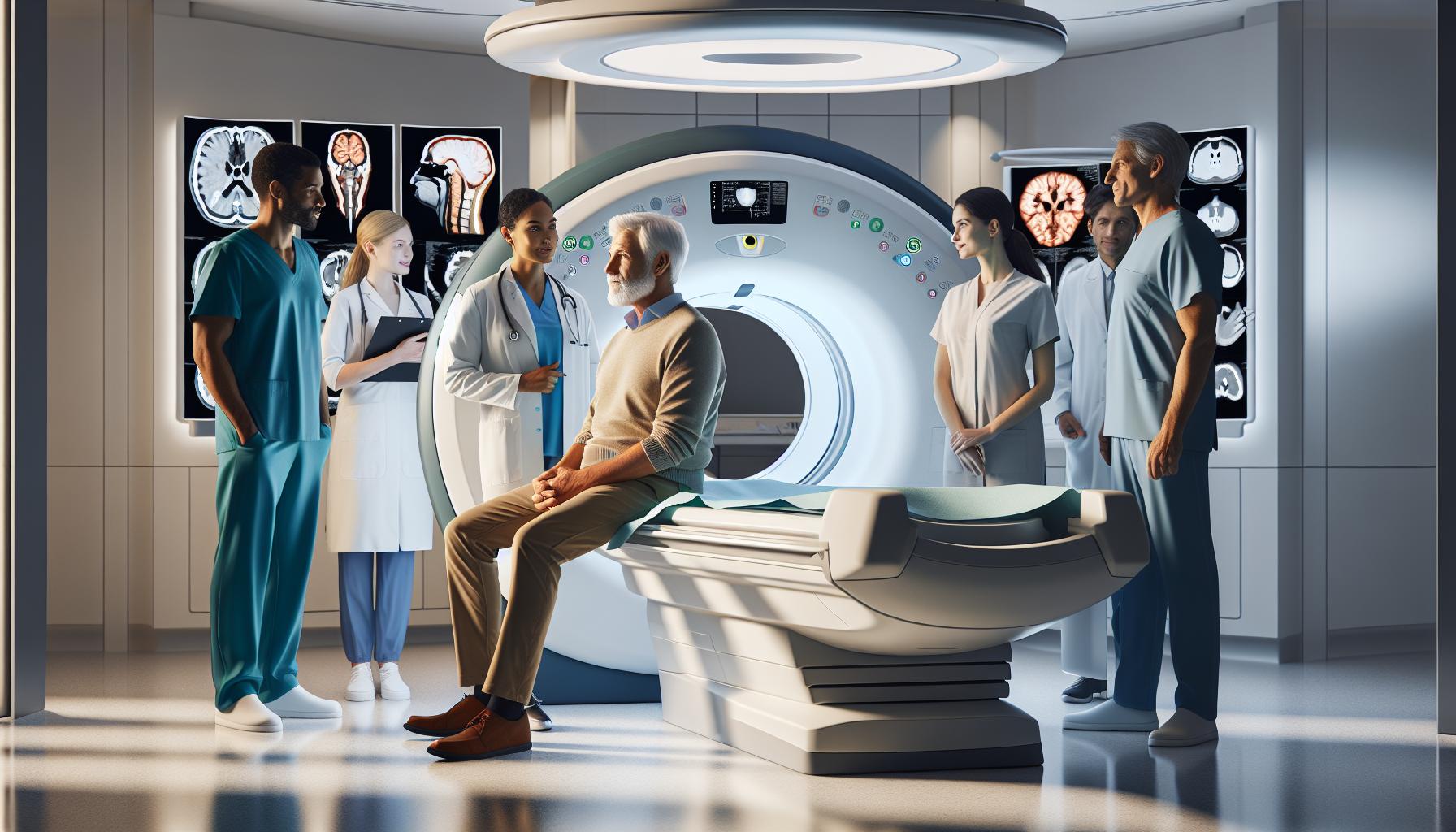
The Importance of Pre-Scan Restrictions
Preparing for a CT scan is an important step in ensuring that healthcare providers can obtain the most accurate images possible. One of the fundamental aspects of this preparation is adhering to pre-scan restrictions, which can significantly influence the quality of the imaging results. A clear understanding of these guidelines allows patients to actively participate in their care, reducing the likelihood of repeat scans and unnecessary delays in diagnosis.
Dietary restrictions, in particular, play a critical role in CT scan preparation. Many imaging facilities recommend fasting for a few hours before the procedure, especially if contrast material is used. This fasting period helps clear the stomach of food that could obscure important details in the images. For individuals who enjoy drinking coffee, it’s essential to clarify whether this staple of their morning routine can be consumed beforehand. Caffeine can affect bowel activity and potentially interfere with scan results, making it vital to follow tailored advice from healthcare providers regarding beverage consumption.
Another critical point of consideration is hydration. Staying adequately hydrated is generally beneficial, but patients must verify if they can drink clear liquids other than water leading up to the scan. Clear communication with the medical team is paramount; they can provide personalized recommendations based on individual health needs and the specific type of CT being performed. By respecting pre-scan guidelines, patients contribute to the effectiveness of the imaging process, enhancing the likelihood of receiving timely and accurate diagnoses.
In summary, pre-scan restrictions are not merely recommendations-they are essential components of a well-organized imaging protocol. Following these guidelines empowers individuals to take an active role in their health care, alleviating anxiety and fostering confidence in the medical process. For any uncertainties, reaching out to healthcare professionals ensures that patients receive the most accurate and tailored guidance for their specific situation.
Can You Drink Coffee Before a CT Scan?
While the comforting ritual of enjoying a cup of coffee can feel like an essential part of your morning routine, its impact on a CT scan can be significant. Most healthcare providers recommend avoiding coffee and other caffeinated beverages before your scan due to how caffeine affects bodily functions. Caffeine is a known stimulant that can increase bowel activity and potentially lead to movement in the digestive tract, making it more challenging to obtain clear and precise imaging results.
When preparing for your CT scan, it’s essential to follow the specific guidelines provided by your healthcare team. Generally, it’s advisable to abstain from coffee and other caffeinated drinks for at least several hours prior to the scan. This short fasting period can help ensure that your stomach is clear and that any contrast materials used during the scan are more effective. If you’re feeling anxious or uncertain about managing your caffeine cravings, consider substituting your usual morning coffee with herbal tea or water during the pre-scan period. These alternatives can help keep you hydrated without risking interference with the scan.
Remember, communication with your healthcare provider is key. They can offer tailored advice based on the type of CT scan you’re having and any underlying health concerns you may have. In the end, putting your trust in their expertise will help you feel more at ease about the procedure and its preparation. Taking these precautions not only demonstrates your commitment to ensuring the best possible results but also empowers you to take an active role in your healthcare journey.
Effects of Caffeine on CT Scan Results
The effects of caffeine can extend well beyond your morning routine and significantly influence the clarity and overall quality of CT scan results. When patients consume caffeinated beverages like coffee, they may inadvertently compromise the imaging process. Caffeine is a stimulant that can heighten bodily functions, particularly increasing bowel activity. This stimulation can lead to movement within the gastrointestinal tract, resulting in potential blurring or distortion in the images captured during the scan.
In addition to gastrointestinal implications, caffeine can also affect hydration levels. Adequate hydration is crucial for optimal imaging, especially if contrast materials are used during the scan. Dehydration can affect how well these materials work, impacting the readability of the results and possibly leading to the need for repeat scans. By limiting or avoiding caffeine before a CT scan, patients can help ensure that they are in the best possible state for imaging.
Understanding the need to avoid caffeine can help alleviate anxiety associated with the procedure. If you typically rely on your morning coffee to kickstart your day, consider having a caffeine-free beverage instead, such as herbal tea or simply water. This approach not only supports the imaging process but also contributes to a calmer mindset as you prepare for your CT scan. Always remember, following preparation guidelines can make a significant difference in obtaining accurate and useful results, and consulting your healthcare provider can provide further personalized guidance tailored to your specific situation.
Alternative Drinks: What’s Safe Before a CT Scan?
To prepare for a CT scan effectively, it’s crucial to understand the beverages that can be consumed prior to the procedure. Staying hydrated is key, but not all drinks are suitable. Selecting the right fluids can help optimize the quality of the scan and contribute to a smoother experience.
Water is the safest and most recommended beverage before a CT scan. It helps maintain hydration and ensures that the contrast agents used during the scan operate effectively. If you’re seeking a bit of variety, clear broths or clear herbal teas without caffeine can be good alternatives that won’t disturb your stomach or affect imaging results.
It’s also essential to avoid beverages like soda, particularly those with caffeine or high sugar content. Such drinks may lead to increased gastrointestinal activity, which could blur scan images. Alcohol should be strictly avoided as well, as it can dehydrate and interfere with both the imaging process and the effectiveness of any sedatives that might be prescribed during your visit.
In summary, focus primarily on water and clear fluids to stay hydrated and calm your system. Prioritizing your well-being through mindful beverage choices can significantly contribute to the clarity of your CT scan results. Always consult with your healthcare provider to ensure you are following the most appropriate guidelines tailored to your individual medical needs.
When to Fast: Timing Your Last Meal
To ensure a successful CT scan, understanding the timing of your last meal is crucial. This aspect of preparation can significantly influence the clarity and accuracy of the imaging results. Generally, if your scan involves the use of contrast media or is inspecting areas sensitive to food, you may be advised to fast for a specific period before your appointment. This typically ranges from two to six hours before the procedure, but the exact duration will depend on both the specifics of the scan and your healthcare provider’s instructions.
Fasting helps in several ways. First, it reduces the risk of nausea or vomiting during the procedure, which can be particularly concerning if contrast material needs to be administered. Additionally, an empty stomach minimizes the chances of food particles interfering with the imaging, leading to clearer images that are essential for accurate diagnosis. For those who may have anxiety about fasting, consider the time of your scheduled appointment. If your CT scan is set for the morning, having a light dinner the night before and skipping breakfast may make the fasting period feel more manageable.
For individuals with specific dietary needs or health conditions, such as diabetes, it’s vital to discuss your fasting requirements with your healthcare provider. They can provide personalized advice based on your medical history and the type of CT scan you are undergoing. Planning ahead and knowing when to eat and when to stop can help alleviate anxiety and ensure you arrive prepared for your exam.
As always, if you have any uncertainties about the fasting guidelines or other preparatory steps, reaching out to your healthcare team will provide clarity and peace of mind, enhancing both your confidence and the diagnostic process.
What to Expect During Your CT Scan
Undergoing a CT scan can feel intimidating, but understanding the process can significantly alleviate anxiety. When you enter the imaging room, you’ll first be greeted by a technician who will explain the procedure and address any questions you may have. This personalized interaction not only clarifies what you can expect but also fosters a sense of reassurance.
As you prepare for the scan, you will be instructed to lie down on a comfortable table that will move you through the CT machine. Throughout the imaging, it’s crucial to remain as still as possible to ensure clear pictures. Depending on the area being scanned, you might be asked to hold your breath briefly while the machine takes images. This step, while it can feel a bit unusual, is essential for obtaining high-quality scans. The entire process typically lasts only a few minutes, making it much quicker than many anticipate.
Before the scan starts, the technician may provide you with earplugs or headphones to mitigate any noise produced by the machine. While the whirring sounds may seem loud, they are entirely normal and part of the scanning process. If contrast material is being used, you might experience a warm sensation or a metallic taste in your mouth as it is administered. These sensations are generally harmless and brief, and your technician will closely monitor your comfort throughout the procedure.
It’s important to remember that every patient’s experience can vary. If at any point you feel uncomfortable or have concerns, do not hesitate to communicate with the staff. They are trained to address your needs and ensure that your scan is completed smoothly and safely. Knowing that you have support throughout the process can make a significant difference in your overall experience.
Post-Scan Recommendations and Tips
After undergoing a CT scan, it’s essential to take a moment to care for yourself and ensure a smooth recovery as the effects of the scan wear off. While the procedure itself is quick and efficient, understanding the immediate post-scan guidelines can greatly enhance your well-being and comfort.
First and foremost, stay hydrated. If contrast dye was used during your scan, drinking ample fluids is crucial. Water helps flush the contrast from your system and minimizes any potential complications. Aim to drink at least 8-10 glasses of water throughout the day after your scan. It’s also a good idea to avoid alcohol and caffeine immediately post-scan, as they can contribute to dehydration.
Consider taking it easy for the rest of the day. Though many patients feel perfectly normal afterward, some may experience mild grogginess or light-headedness, especially if they were given sedatives or contrast material. Allow your body the time to recuperate. Light meals that are easy to digest-such as toast or a banana-may help if you feel any residual discomfort from the procedure.
Once you get home, it’s convenient to keep a log of any symptoms or changes in how you feel. For instance, if you experience persistent pain, hives, or any unusual symptoms, consult your healthcare provider as these could be indicative of reactions to the contrast dye. Furthermore, make arrangements to discuss the scan results with your physician, as understanding what happens next can alleviate any anxiety and help you better navigate your health care.
A great reminder is that while the thought of a CT scan may be daunting, post-scan care is simple and straight-forward. Following these recommendations can aid in a smooth recovery, giving you the peace of mind needed as you move forward with your healthcare journey.
Common Mistakes to Avoid Before a CT Scan
Before undergoing a CT scan, many patients unknowingly make common mistakes that can affect the quality of their exam results. Being aware of these pitfalls is crucial to ensure accurate imaging and a smooth experience. One key error is not adhering to dietary restrictions as advised by healthcare providers. Many patients wonder about drinking beverages like coffee or even eating before the scan. It’s important to follow pre-scan rules diligently; consuming anything deemed inappropriate, particularly caffeinated drinks, can lead to complications or biased results in certain evaluations.
Another frequent mistake is neglecting to inform the radiology team about any medications or supplements being taken. Certain medications can interfere with the scan quality or induce effects that mimic pathology. For example, anticoagulants or blood thinners could complicate both the procedure and interpretation of results. Always communicate all medication use and recent changes to your healthcare provider so they can give tailored advice relevant to your situation.
Timing meals prior to your scan is also critical, and it’s a mistake for patients to assume they can eat right up until their appointment. Typically, fasting for a specified period (often several hours) before your CT scan is recommended, especially if contrast material is being used. Eating too close to the exam can lead to discomfort or even nausea during the scan, impacting your overall experience.
Lastly, managing anxiety leading up to the scan is essential. Patients often overlook this mental preparation, leading to stress that can affect their physical comfort during the procedure. Utilizing relaxation techniques, such as deep breathing or visualization, can help reduce this anxiety. Remember, a calm patient is more likely to remain still during the scan, ensuring high-quality images. Consulting with your healthcare provider about any concerns can also foster a more reassuring environment leading up to the appointment.
Overall, by staying informed and following these guidelines, you can help facilitate a successful CT scan experience.
Consulting Your Healthcare Provider: Key Questions
Before heading for your CT scan, making sure you’re fully prepared can greatly enhance your experience and the quality of the results. One pivotal element of preparation involves understanding dietary restrictions, particularly regarding coffee consumption. Since many patients often rely on coffee to kickstart their day, clarifying whether it’s acceptable before a scan can alleviate some stress.
When discussing your upcoming scan with your healthcare provider, consider asking the following key questions:
Essential Questions to Ask
- Can I drink coffee before my CT scan? Your provider will clarify specific guidelines related to your scan type and the use of contrast materials.
- What are the reasons behind pre-scan dietary restrictions? This can help you understand how certain foods or drinks, including caffeine, might affect the imaging process.
- How long should I fast before my scan? It’s crucial to know the exact time frame to avoid any complications.
- Should I inform you about any current medications or supplements I’m taking? Transparency about your health history can lead to more personalized and safe recommendations.
- What should I do if I accidentally consume something I shouldn’t? Knowing the next steps can reduce anxiety if a mistake happens.
Engaging in this conversation not only prepares you but also builds a supportive relationship with your healthcare team. They can provide reassurance, address specific concerns, and tailor advice based on your unique medical history. Remember, the goal is to ensure that the CT scan is as informative and effective as possible, giving you peace of mind as you approach the procedure. Each question plays a role in guiding you through an informed pre-scan experience, setting you up for successful imaging tailored to your health needs.
How CT Scan Procedures Vary with Different Types
Understanding how different types of CT scans are performed can significantly impact your preparation for the procedure, including dietary restrictions like coffee consumption. Each type of CT scan serves different diagnostic purposes, and the requirements for preparation may vary accordingly. For example, a CT scan that utilizes a contrast agent often necessitates stricter guidelines regarding what you can eat or drink beforehand. This is because the contrast enhances the visibility of internal structures, and any food or drink-especially those containing caffeine-could interfere with the effectiveness of the imaging process.
In general, for routine CT scans, the guidelines tend to be more lenient. Patients may be allowed to consume clear liquids, potentially including coffee, depending on the specifics of their scan and personal health circumstances. However, specialized scans, especially those targeting abdominal or pelvic regions, are more likely to insist on fasting and avoiding certain substances like caffeine to minimize the risk of digestive upset and improve the clarity of the images obtained.
Moreover, it’s important to recognize that the presence of caffeine in your system might affect the results of scans focused on certain systems in the body, such as the brain or cardiovascular system. It can elevate heart rates and alter blood flow, which could misrepresent the conditions being investigated. As such, discussing the specific type of scan with your healthcare provider is essential. They can provide tailored advice on whether you can enjoy coffee before your CT scan and what precautions, if any, you should take based on the specific imaging needs.
By understanding these variances, you can better prepare for your CT scan, ensuring that you follow the necessary guidelines that suit your examination type. Always consult with your healthcare provider for personalized instructions that align with your individual health needs and scan requirements. This proactive approach will help alleviate anxiety and encourage a more successful imaging outcome.
Managing Anxiety About Your Upcoming CT Scan
Patients often feel a mix of apprehension and curiosity as they prepare for a CT scan. Understanding the procedure can significantly alleviate anxiety. A CT scan is a quick process, typically lasting only 10 to 30 minutes, allowing for detailed imaging that aids in diagnosis, but the anticipation can be daunting. By familiarizing yourself with the steps leading up to the scan, including dietary restrictions like coffee consumption, you can take control of your experience and reduce stress.
One practical method to manage anxiety about your upcoming scan is to focus on your preparation. Follow any specific guidelines provided by your healthcare provider, such as fasting periods or limitations on beverages. If you’re uncertain about coffee consumption or other dietary rules, reach out to your provider ahead of time for clarification. Clear communication can help demystify the process and provide you with a sense of confidence. Moreover, consider bringing a book, listening to calming music, or engaging in deep breathing exercises to keep your mind at ease before and during the procedure.
Another effective strategy is to remember that CT scans are designed to be as comfortable and efficient as possible. The imaging staff is trained to assist you throughout the process, offering instructions and support to ensure a pleasant experience. You can ask questions about what to expect during the scan, which can further alleviate any concerns. Knowing that the staff is there to help you and understanding the purpose of the scan will provide reassurance.
In cases where anxiety is particularly pronounced, consider discussing your feelings with your doctor. They may suggest relaxation techniques or medications to help calm your nerves on the day of the scan. Ultimately, acknowledging your feelings and taking proactive steps to address them can transform this experience into an opportunity for empowerment rather than fear. Remember, you are taking an important step toward managing your health, and the clarity gained from the scan is vital for your continued care.
Q&A
Q: What beverages can I have before a CT scan apart from coffee?
A: You can typically drink clear fluids such as water, apple juice, and broth before a CT scan. Avoid anything with dairy or high sugar content. Always check with your healthcare provider about specific guidelines related to your procedure for the best results.
Q: How long should I fast before a CT scan?
A: Generally, you should fast for at least 4 to 6 hours prior to your CT scan. This ensures that your stomach is relatively empty, which helps improve the clarity of the images. Check your doctor’s recommendations for specific fasting requirements.
Q: Can I take my regular medications before a CT scan?
A: Yes, you can usually take your regular medications with a small sip of water before the CT scan, unless instructed otherwise by your healthcare provider. Always inform your doctor about all medications you’re taking for personalized advice.
Q: Does fasting impact the accuracy of CT scan results?
A: Yes, fasting can significantly impact the accuracy of CT scan results. An empty stomach reduces artifacts in imaging, providing clearer images for better diagnosis. Follow pre-scan instructions carefully to ensure optimal results.
Q: Will drinking coffee affect my CT scan results?
A: Yes, drinking coffee might affect the results of your CT scan, particularly if it contains caffeine. Caffeine can stimulate bowel activity and may lead to difficult-to-interpret images. It’s best to avoid coffee and all caffeinated beverages several hours before your scan.
Q: Is water the only drink allowed before a CT scan?
A: No, while water is the most recommended beverage, clear juices without pulp, such as apple juice, and broth are often allowed as well. Be sure to consult your healthcare provider for specific recommendations.
Q: Can I chew gum before a CT scan?
A: It is generally advised to avoid chewing gum before a CT scan. Chewing can stimulate saliva production and air ingestion, which may interfere with the scan’s clarity. Always verify with your healthcare provider to be safe.
Q: What should I do if I accidentally consume something before my CT scan?
A: If you accidentally eat or drink something before your CT scan, inform your healthcare provider immediately. They will advise whether to proceed with the scan or reschedule based on the specific situation.
The Way Forward
As you prepare for your CT scan, remember that understanding the rules-like whether you can drink coffee-can make the process smoother. Taking these guidelines seriously not only ensures accurate results but also minimizes any potential discomfort on your part. If you have lingering questions or concerns, don’t hesitate to reach out to your healthcare provider for personalized advice.
For more insights on medical imaging, check out our guides on preparing for a CT scan, understanding CT technology, and tips for a successful healthcare visit. Stay informed and empowered-your health decisions matter! If you found this article helpful, consider subscribing to our newsletter for the latest updates and resources, or explore our site for additional topics that concern you. Your health journey deserves to be navigated with confidence!