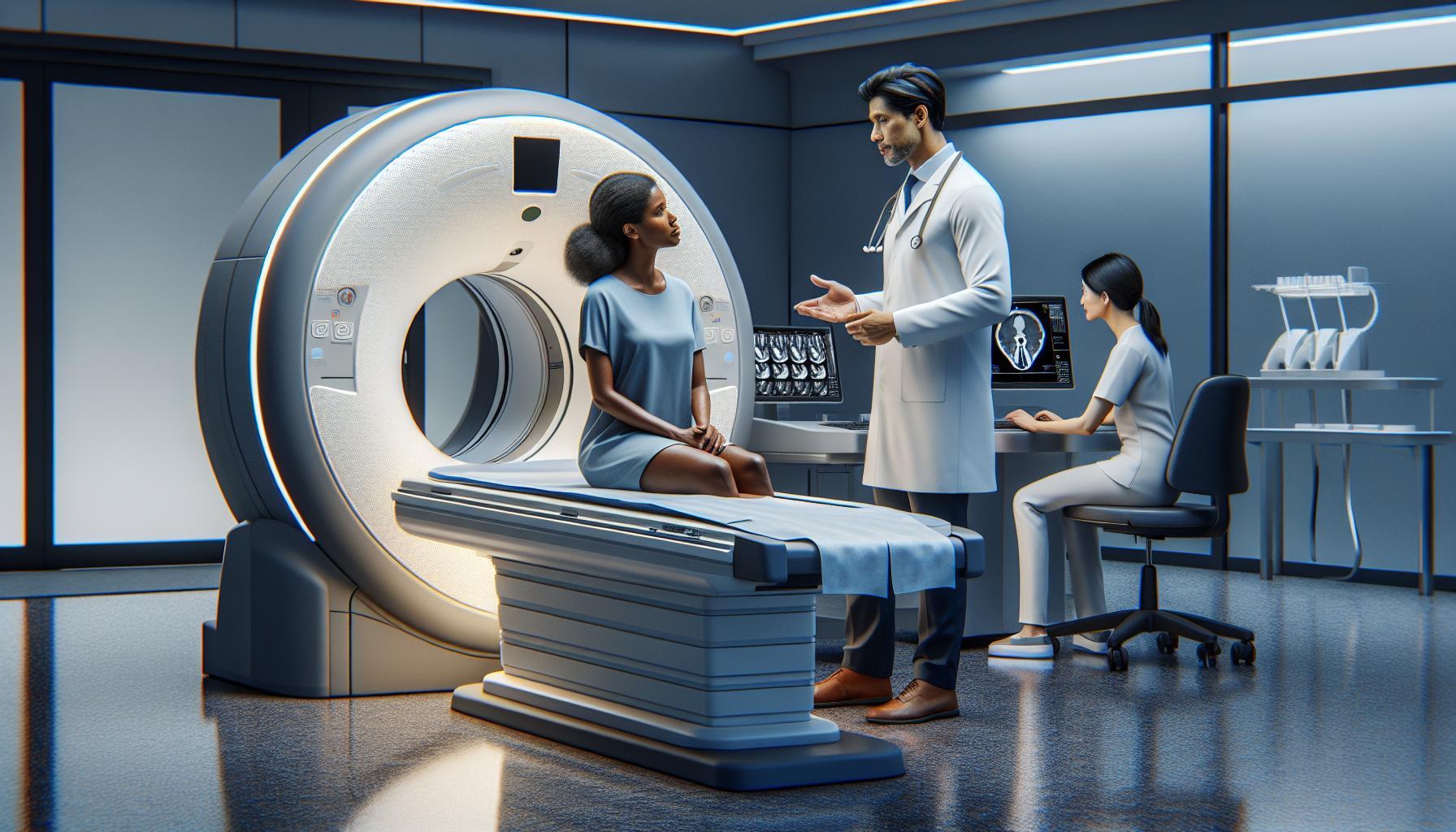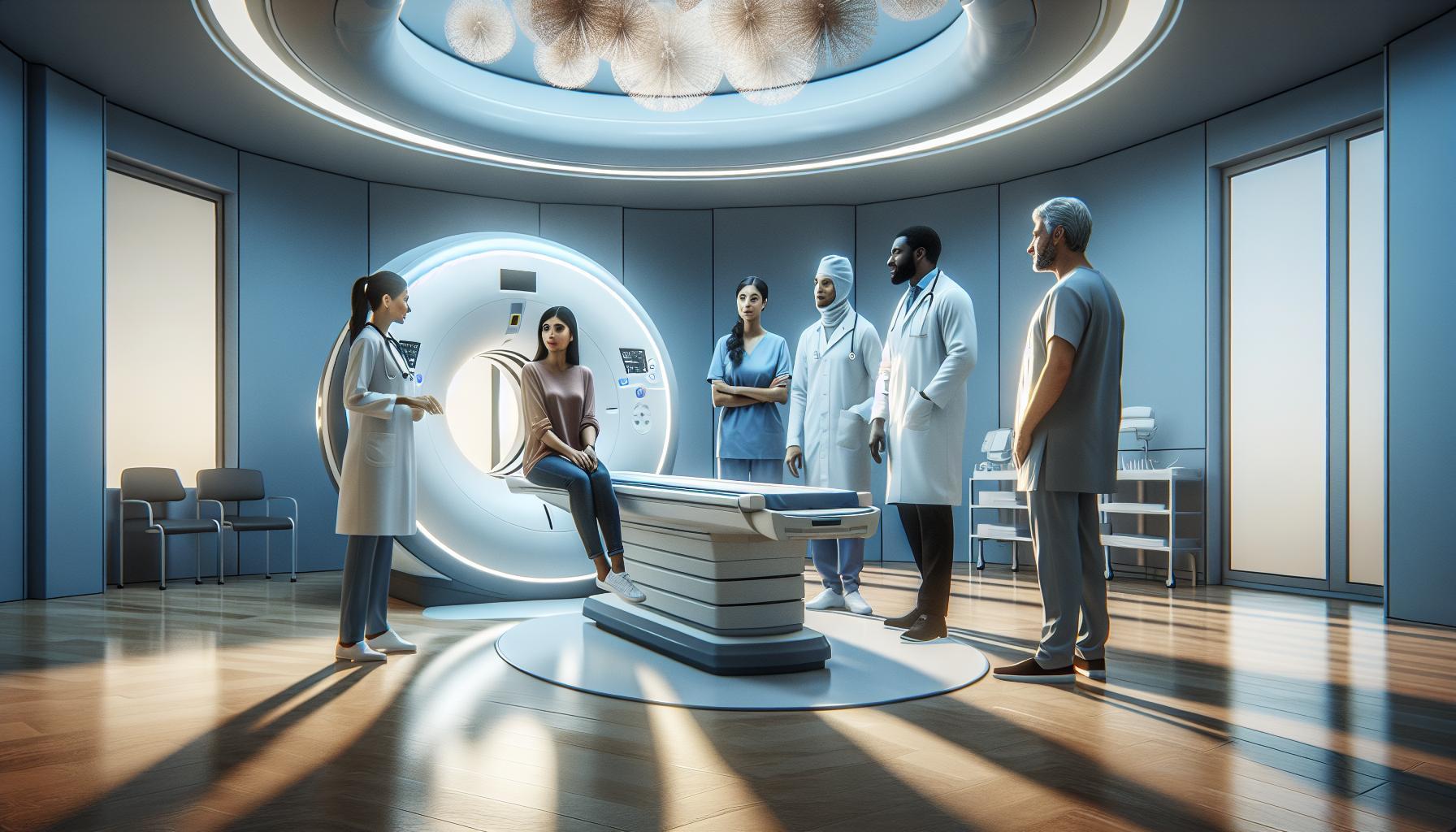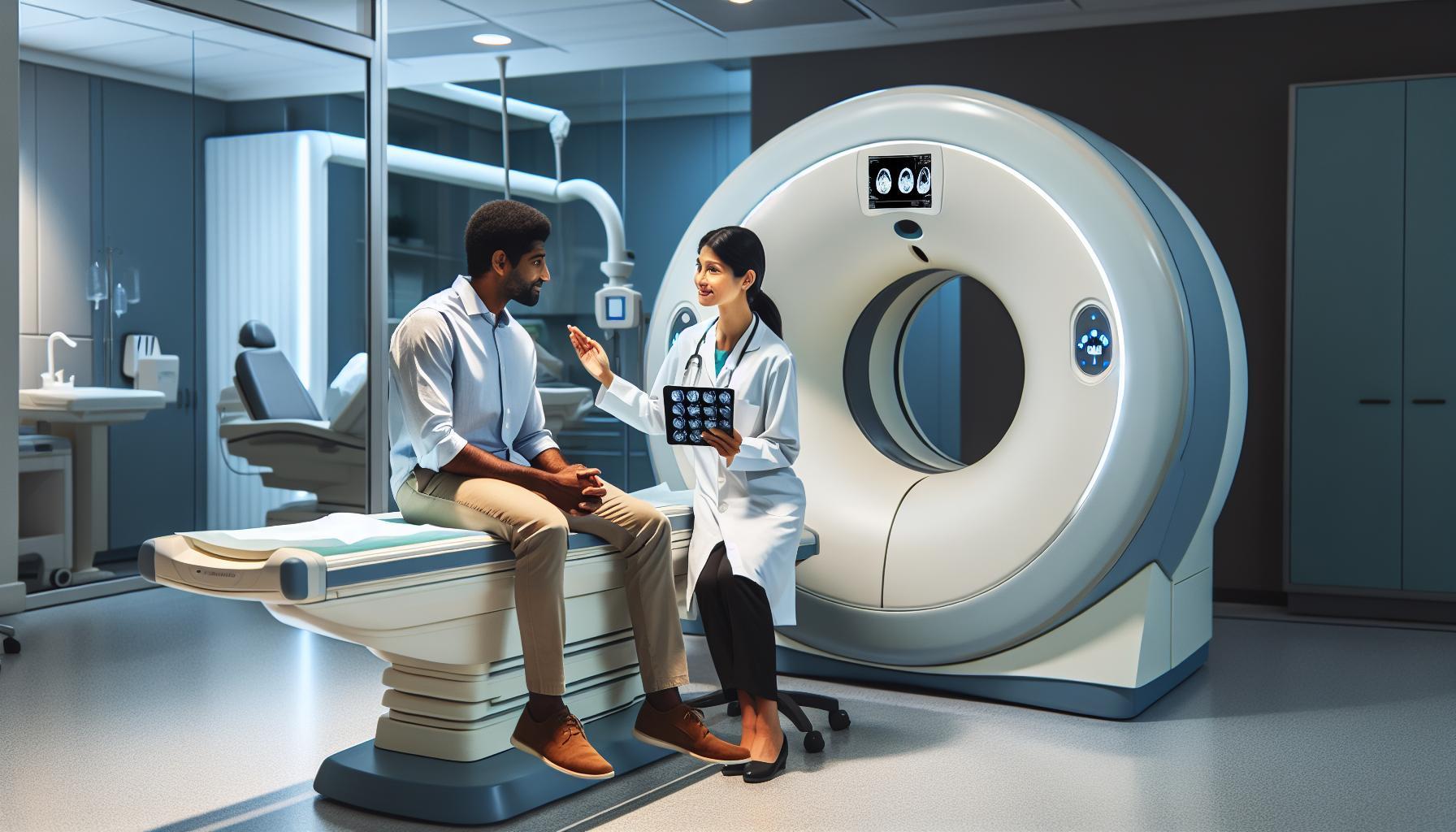
When preparing for a CT scan, you might wonder if enjoying your morning coffee is permissible. The answer isn’t straightforward and often depends on the specific guidelines provided by your healthcare provider. Understanding the pre-scan requirements is crucial, as consuming certain foods or beverages can impact the clarity of your scan results. This guide will explore common recommendations, addressing your concerns about fasting and dietary restrictions, ensuring you feel prepared and informed. As your comfort and health are paramount, we’ll provide practical tips to help you navigate this process with confidence.
Can You Drink Coffee Before a CT Scan? Understanding Guidelines
Before undergoing a CT scan, many individuals often wonder whether they can enjoy their morning coffee. While caffeine is a routine part of many people’s diets, its impact on imaging results and overall scan preparation can be significant. Generally speaking, it’s advisable to refrain from consuming coffee before your scan, especially if it involves special contrast materials. Caffeine can stimulate gastrointestinal activity, potentially leading to gas or bowel movement that may interfere with the imaging process.
Moreover, some medical facilities recommend avoiding coffee-and other caffeinated beverages-for a period of time before your scan to ensure optimal imaging results. Caffeine can indeed affect heart rate and blood pressure, leading to variations in scan readings. It’s beneficial to consult your healthcare provider regarding their specific guidelines, as practices may vary between facilities and types of scans.
If you’re concerned about the lack of your usual caffeine fix, consider alternatives that are gentle on your system. Water is always the best option, keeping you hydrated and ready for your scan without any adverse effects. Following your provider’s pre-scan guidelines not only aids in securing accurate results but also promotes a smoother experience during your appointment. Being well-prepared can alleviate anxiety, so don’t hesitate to reach out with any questions you might have regarding food and drink restrictions before your CT scan.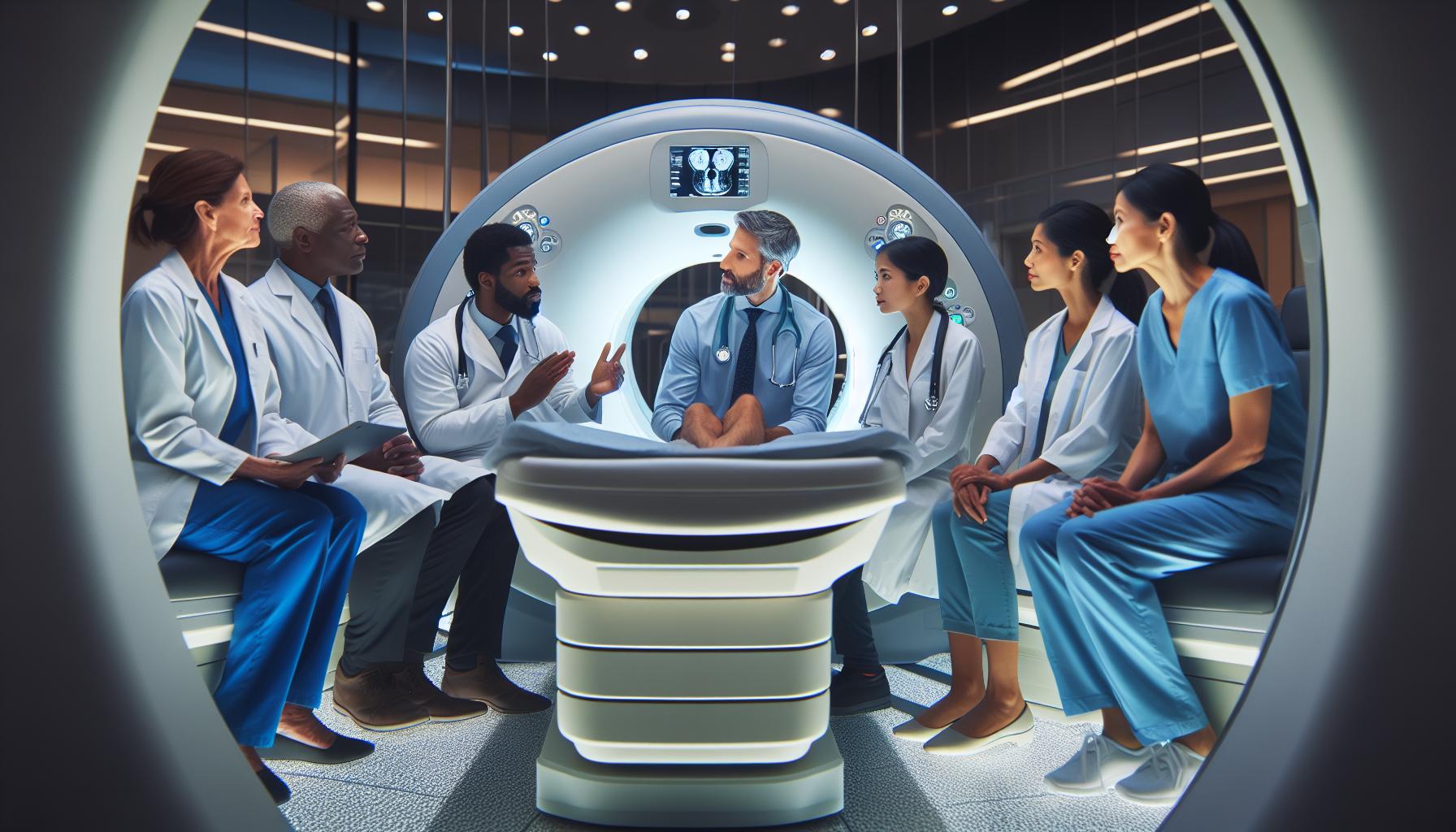
The Impact of Caffeine on Imaging Results
Caffeine, a common stimulant found in coffee and other beverages, can have significant effects on the results of a CT scan. Understanding these impacts is essential for anyone preparing for imaging. Caffeine can increase gastrointestinal activity, potentially leading to gas production or bowel movements, which may obscure the images your healthcare team relies on for accurate diagnosis. Furthermore, caffeine can affect your body’s vital signs by elevating your heart rate and blood pressure. These fluctuations may create an inconsistency in results, making it difficult for radiologists to interpret the scans accurately.
When undergoing certain types of CT scans, particularly those that utilize contrast material, abstaining from caffeine is often recommended. The correct visualization of organs and tissues is crucial, and any interference from caffeine-induced physiological changes could mislead medical professionals. Therefore, avoiding coffee and other caffeinated drinks for the recommended fasting period can significantly enhance the quality of your imaging results.
If you find the idea of going without coffee challenging, consider hydrating with plain water. Not only does this keep you hydrated and comfortable, but it also supports the clarity of scans without the interference that caffeine might introduce. Ultimately, adhering to your healthcare provider’s pre-scan instructions is vital. They are equipped with the specific knowledge necessary to ensure your imaging is as clear and effective as possible, enabling them to make well-informed clinical decisions based on your results. Always consult with your healthcare team with any concerns or questions about dietary restrictions before your appointment.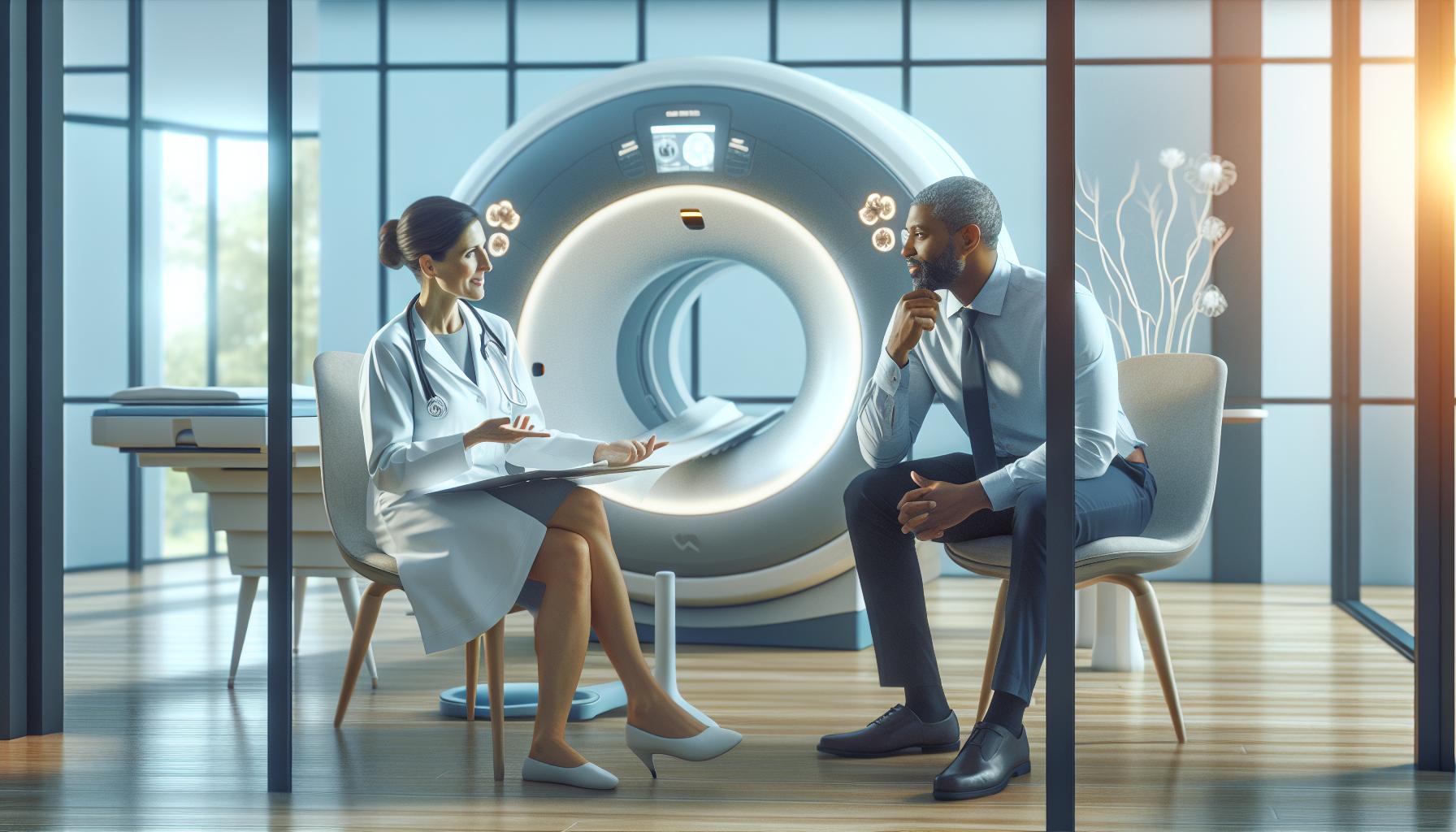
Pre-Scan Dietary Restrictions You Should Know
Preparing for a CT scan is an essential step to ensure accurate imaging results. One of the most common concerns among patients is the dietary restrictions associated with the procedure, particularly regarding the consumption of coffee. While the thought of skipping that morning cup of coffee can be daunting, it is crucial to understand how certain dietary choices may impact your scan’s effectiveness. Caffeine, prevalent in coffee, can stimulate gastrointestinal activity, potentially causing gas and bowel movements that may distort the images captured during the scan.
To aid in a smooth scanning process, it’s generally advised to avoid all caffeinated beverages, including coffee, for a specified period before your appointment. This fasting period often extends to at least 4 to 6 hours prior to the scan, but exact recommendations can vary based on your individual situation, the type of CT scan being performed, and whether contrast material will be used. Communicating with your healthcare provider about their specific guidelines is essential, as they will tailor recommendations to fit your medical history and procedure type.
Staying hydrated is equally important during this time; opt for plenty of water. Hydration helps maintain your comfort and can improve the quality of the scan without the distractions that caffeine may cause. In cases where patients express significant anxiety about abstaining from their beloved coffee, consider alternative non-caffeinated options such as herbal tea or decaffeinated beverages, always consulting with your healthcare provider to ensure these choices align with your preparation instructions.
Overall, while giving up coffee, even for a short time, may feel challenging, prioritizing your health and the accuracy of your CT scan outcomes will ultimately serve you better in the long run. By understanding the impact of dietary restrictions and collaborating with your medical team, you empower yourself to achieve optimal results from your imaging procedure.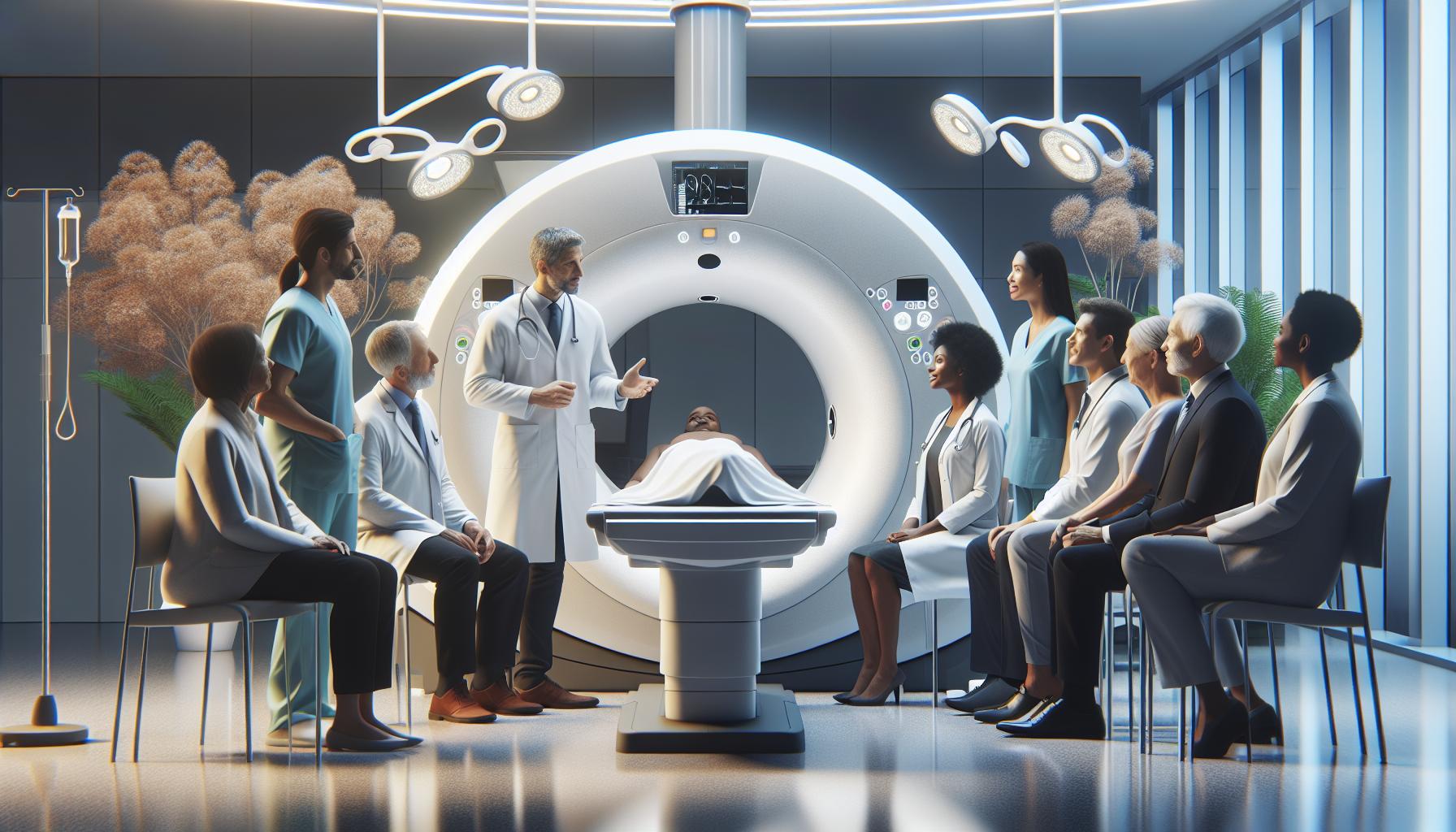
How Long Before a CT Scan Should You Fast?
To ensure optimal imaging results, understanding the fasting requirements before a CT scan is crucial. Many healthcare professionals recommend that patients refrain from consuming any food or beverages, particularly those containing caffeine, for at least 4 to 6 hours prior to their procedure. This fasting period helps eliminate potential obstructions in the gastrointestinal tract and ensures clearer images for analysis.
The exact duration of fasting can vary based on several factors including the type of CT scan you are undergoing, whether contrast agents are used, and your individual health circumstances. For instance, abdominal CT scans may necessitate a longer fasting duration compared to scans of other body parts. Some patients are advised to fast even longer or modify their diets days before the scan to further enhance image clarity. Therefore, it’s essential to have an open conversation with your healthcare provider about specific fasting guidelines tailored to your situation.
While fasting, staying hydrated is vital. Drinking plenty of water can aid in comfort and maintain hydration levels without interfering with the scanning process. It’s common for patients to experience anxiety about abstaining from food and drinks, but knowing that these guidelines are in place to ensure accurate results can provide peace of mind. Should you feel apprehensive about the fasting requirements, don’t hesitate to reach out to your healthcare team for reassurance or alternatives that may be permissible.
Ultimately, by adhering to the fasting guidelines and preparing adequately, you empower yourself to achieve the best possible outcomes from your CT scan, setting the stage for accurate diagnosis and improved health management.
What to Expect During Your CT Scan
When the time comes for your CT scan, knowing what to expect can alleviate anxiety and help you feel more in control of the situation. A CT scan, or computed tomography scan, is a non-invasive imaging procedure that uses X-rays and computer technology to create detailed images of the inside of your body. These images help healthcare providers diagnose conditions or monitor treatment effectiveness.
As you arrive at the facility, the staff will guide you through the process. You’ll likely be asked to change into a hospital gown to ensure no metal accessories interfere with imaging. It’s important to inform the technician if you have any allergies, especially to contrast materials, or if you have any concerns about claustrophobia, as some scans may require you to remain still within a tube-like machine.
Once you are settled, the actual scanning process is relatively quick and straightforward. The table you lie on will move you into the CT scanner, a large, doughnut-shaped machine. You will be instructed to lie still and may be asked to hold your breath briefly while the images are taken. Don’t be alarmed by the sounds; the scanner will make a series of beeping and whirring noises as it captures the images. The entire procedure typically lasts about 10 to 30 minutes, depending on the specifics of your scan.
After the scan, you will be able to resume your regular activities immediately, unless directed otherwise by your healthcare provider. It’s common to experience some anxiety, but understanding that each step is designed to ensure clear imaging and accurate results can help you feel more at ease. Always remember that if you have questions or concerns before, during, or after your scan, reaching out to your healthcare team can provide the answers and reassurance you need.
Alternative Drinks Allowed Before a CT Scan
Staying hydrated before a CT scan is essential, but it’s crucial to know what beverages are acceptable. While your morning coffee may be a comforting ritual, caffeine can have implications for your imaging results. Fortunately, there are safe alternatives that can keep you hydrated and fit within your pre-scan guidelines.
One of the best options is plain water. It helps maintain hydration levels without interfering with the scan. You can also opt for clear broths or clear juices without pulp, such as apple or white grape juice, which are generally acceptable. Herbal teas-caffeine-free varieties-can be soothing and provide hydration without the jittery effects of caffeine. Keep in mind that drinks with high sugar content or artificial colors should be avoided, as they can affect how your body metabolizes the imaging contrast if needed.
Before your scan, try to avoid any carbonated beverages or those containing caffeine, as these can cause gas or obscure imaging results. If you’re unsure about what you can consume, a quick consultation with your healthcare provider will provide you with the most accurate guidance tailored to your specific situation. Having clear, actionable steps not only helps you comply with pre-scan requirements but can also ease your mind about the procedure.
Tips for Preparing for Your CT Scan Appointment
Preparing for a CT scan can feel daunting, but knowing you’re taking the right steps can ease your mind. One key tip is to ensure that you understand the guidelines and restrictions related to your diet before the appointment. While many people have their morning rituals, such as drinking coffee, it’s important to recognize that caffeine can impact the imaging results. Therefore, it’s advisable to refrain from consuming coffee or other caffeinated beverages before your scan to avoid potentially clouding your results.
Another vital aspect of preparation is being aware of the timing of your last meal. Generally, doctors recommend fasting for about four to six hours prior to the scan, particularly if contrast material will be used. This means planning your meals accordingly. If you have concerns about fasting, communicate with your healthcare provider who may offer specific guidance tailored to your situation.
Staying hydrated is equally important. Drinking plenty of water can help keep your body in optimum condition for the procedure. However, adhere strictly to recommendations, which often suggest avoiding anything other than clear fluids in that fasting window. Clear broth or clear juices without pulp are typically good options if you need something other than water.
Finally, considering the administrative side is essential as well. Arriving early to complete any necessary paperwork can help reduce anxiety and ensure that your appointment runs smoothly. Do not hesitate to ask questions about what to expect during the scan, or any aspects of the process that concern you-it’s perfectly normal to feel anxious. Being well-informed and prepared can greatly enhance your overall experience, making the process of having a CT scan straightforward and manageable.
Common Myths About Food and Drink Before Scans
Knowing what you can and cannot consume before a CT scan can dispel some common fears and misconceptions. One prevalent myth is that consuming coffee or tea won’t have any significant impact on the scan results. In reality, caffeine can affect your body in ways that may obscure the clarity of the images produced. It’s often advised to steer clear of these beverages, as they can alter the body’s processes, including hydration levels and heart rate, which in turn can affect the imaging results.
Another misconception is that you must avoid food entirely, leading some patients to believe they should fast for an excessive amount of time. While fasting is indeed necessary, most healthcare providers recommend a fasting window of about four to six hours before the scan, particularly if contrast material will be used. This is generally manageable for most individuals and doesn’t require unnecessary discomfort. If you feel anxious about fasting, it’s perfectly acceptable to discuss your concerns with your healthcare provider, who can offer reassurance and possibly adjust the guidelines based on your specific circumstances.
Additionally, many people assume that clear liquids are interchangeable and that anything labeled “clear,” like soda, is acceptable to consume before the scan. However, while it is true that clear liquids are usually permitted, it’s essential to clarify what qualifies. Water, broth, and certain juices without pulp are great options, but carbonated beverages or those with artificial colorings should be avoided as they might not be considered suitable. Always double-check guidelines provided by your medical team.
Ultimately, the goal is to enhance the quality of the imaging while ensuring your experience is as smooth and stress-free as possible. By being informed and adhering to pre-scan guidelines, you can help facilitate a successful and accurate assessment during your CT scan. If in doubt about any dietary restrictions, don’t hesitate to reach out to your healthcare team for personalized advice tailored to your health needs.
When to Consult Your Healthcare Provider
When preparing for a CT scan, understanding can significantly ease your mind and ensure a smooth experience. Many patients find themselves questioning various aspects of their pre-scan instructions, especially regarding dietary restrictions like caffeine consumption. If you have any specific health conditions, such as kidney issues, diabetes, or are taking certain medications, it’s crucial to discuss these with your healthcare provider ahead of the procedure. Individual health needs can greatly influence pre-scan guidelines, and your provider can provide personalized advice that considers your unique situation.
If you’re experiencing anxiety about the fasting period or unsure about what constitutes an appropriate clear liquid, reaching out to your healthcare provider is a good step. They can clarify any ambiguities and help alleviate any concerns you might have about fasting or diet restrictions. It’s also essential to ask about the timing of your fast; knowing how long you should refrain from eating or drinking will help you plan accordingly, making the process feel less daunting.
Additionally, if you have a history of reactions to contrast materials or have experienced issues with imaging procedures in the past, informing your provider is vital. They can offer alternative options or additional precautions tailored to your circumstances. Always remember that your comfort and understanding are paramount; so if there’s ever any doubt regarding your pre-scan preparations, don’t hesitate to ask. Open communication with your healthcare team fosters a collaborative environment where your health and peace of mind are prioritized.
Ultimately, consulting with your healthcare provider not only provides clarity but also empowers you with the knowledge needed to navigate your CT scan preparation effectively.
Understanding the Risks of Not Following Guidelines
Failing to adhere to pre-scan guidelines can have significant implications on both the quality of your imaging results and your overall health. Coffee, while a beloved morning ritual for many, contains caffeine which may interfere with the accuracy of certain CT scans, particularly those assessing the abdomen. Caffeine can stimulate the gastrointestinal tract, potentially leading to increased peristalsis which might obscure or distort the images produced. This can result in a less accurate diagnosis, requiring additional scans or leading to misinterpretations.
Moreover, not following dietary restrictions before a CT scan can also pose risks related to the use of contrast materials. If you have consumed caffeine or other prohibited substances, it could provoke reactions or complications, particularly in individuals with existing health conditions. For example, those with kidney issues might face increased strain during the imaging process, which could exacerbate their condition. It’s essential to consider that your body needs to be in an optimal state to facilitate the imaging process, allowing healthcare providers to gain the clearest insights into your health.
To safeguard against these risks, it’s crucial to follow your healthcare provider’s recommendations regarding fasting and dietary restrictions closely. Doing so empowers you to benefit fully from the diagnostic capabilities of your CT scan, ensuring that the resulting images are as informative and accurate as possible. Remember, open communication with your healthcare team is key; if you are uncertain about any aspect of your pre-scan preparation, do not hesitate to reach out. Your adherence to these guidelines is not just about the scan itself, but about prioritizing your health and enabling your providers to deliver the best care possible.
Post-Scan: What You Can Eat or Drink
After your CT scan, you might be eager to know when you can return to your normal routine, including what to eat and drink. Understanding the guidelines for post-scan nutrition is essential to ensure your recovery is smooth and feels comfortable. Many patients express concern about when they can resume their beloved coffee habit or if they have to stick to bland foods post-scan.
Generally, after a CT scan, especially if contrast material was used, you may be instructed to start with a light diet. This could include easily digestible foods such as toast, rice, bananas, or applesauce. These options are gentle on the stomach and can help ease any potential nausea. It’s important to gradually reintroduce your regular diet to assess how your body responds. If you feel good, you can slowly incorporate other foods and beverages.
What About Caffeine?
When it comes to your coffee cravings, many healthcare providers recommend waiting a few hours post-scan, especially if contrast was involved. This precaution helps your body process the contrast fluid effectively. Although caffeine can be part of your routine again, consider opting for decaffeinated options initially if you are experiencing any lingering effects from the scan or if you feel sensitive. Staying hydrated with water is equally important, as it aids in flushing out the contrast material from your system.
Listen to Your Body
Your body will provide cues regarding how it feels after the scan. Pay attention to how you react to reintroducing various foods and beverages. If you experience any discomfort or unusual symptoms after eating or drinking post-scan, don’t hesitate to reach out to your healthcare provider. They can provide guidance tailored to your specific health needs, ensuring your post-scan routine aligns with recovery and wellness.
By maintaining open communication with your healthcare team and being mindful of your body’s signals, you can navigate your post-scan nutrition with confidence, making your return to daily habits easier and more enjoyable.
Faq
Q: Can I drink coffee if I’m having a CT scan?
A: It’s generally advised to avoid coffee before a CT scan as caffeine can affect the results. For best practice, consult your healthcare provider for specific guidelines based on your scan type.
Q: What should I avoid eating or drinking before a CT scan?
A: Before a CT scan, avoid caffeine, alcohol, and heavy meals. Stick to clear liquids for several hours prior to your appointment to ensure optimal imaging results.
Q: How long should I fast before a CT scan?
A: Fasting guidelines typically recommend not eating or drinking anything except water for at least 4 to 6 hours prior to your CT scan. Always confirm with your healthcare provider for personalized instructions.
Q: What alternative drinks can I have before a CT scan?
A: You can generally have clear liquids such as water, clear broth, or herbal tea before a CT scan. Avoid colored drinks as they may interfere with imaging clarity.
Q: Why is it important to follow pre-scan guidelines?
A: Following pre-scan guidelines is crucial as it ensures the most accurate imaging results. Deviating from these recommendations can lead to retakes or misinterpretation of the scan.
Q: Does caffeine affect CT scan results?
A: Yes, caffeine can cause physiological changes, like increased heart rate, which may affect the accuracy of certain CT scan results. It’s best to avoid caffeinated beverages before your appointment.
Q: Can eating before a CT scan cause delays?
A: Yes, consuming food or certain drinks before a CT scan can lead to delays if your healthcare provider needs to reschedule due to improper preparation. Always adhere to fasting instructions.
Q: When should I consult my healthcare provider regarding CT scan preparations?
A: Consult your healthcare provider if you have concerns about fasting guidelines, medications that need to be taken, or if you have specific dietary restrictions affecting your pre-scan regimen.
Future Outlook
As you prepare for your CT scan, remember that skipping coffee might just be the step you need for the most accurate results. If you still have questions about your preparation or are unsure about what to eat or drink before your scan, don’t hesitate to consult your healthcare provider for personalized guidance. For more tips on medical imaging, check out our comprehensive guide on understanding CT scans and their importance in diagnostics.
Don’t miss out on keeping informed about your health – subscribe to our newsletter for the latest insights and tips on medical procedures. Your peace of mind is our priority, so explore our resources on safely preparing for medical tests today. Together, we can alleviate any concerns you may have and empower you with the knowledge you need for a successful experience.