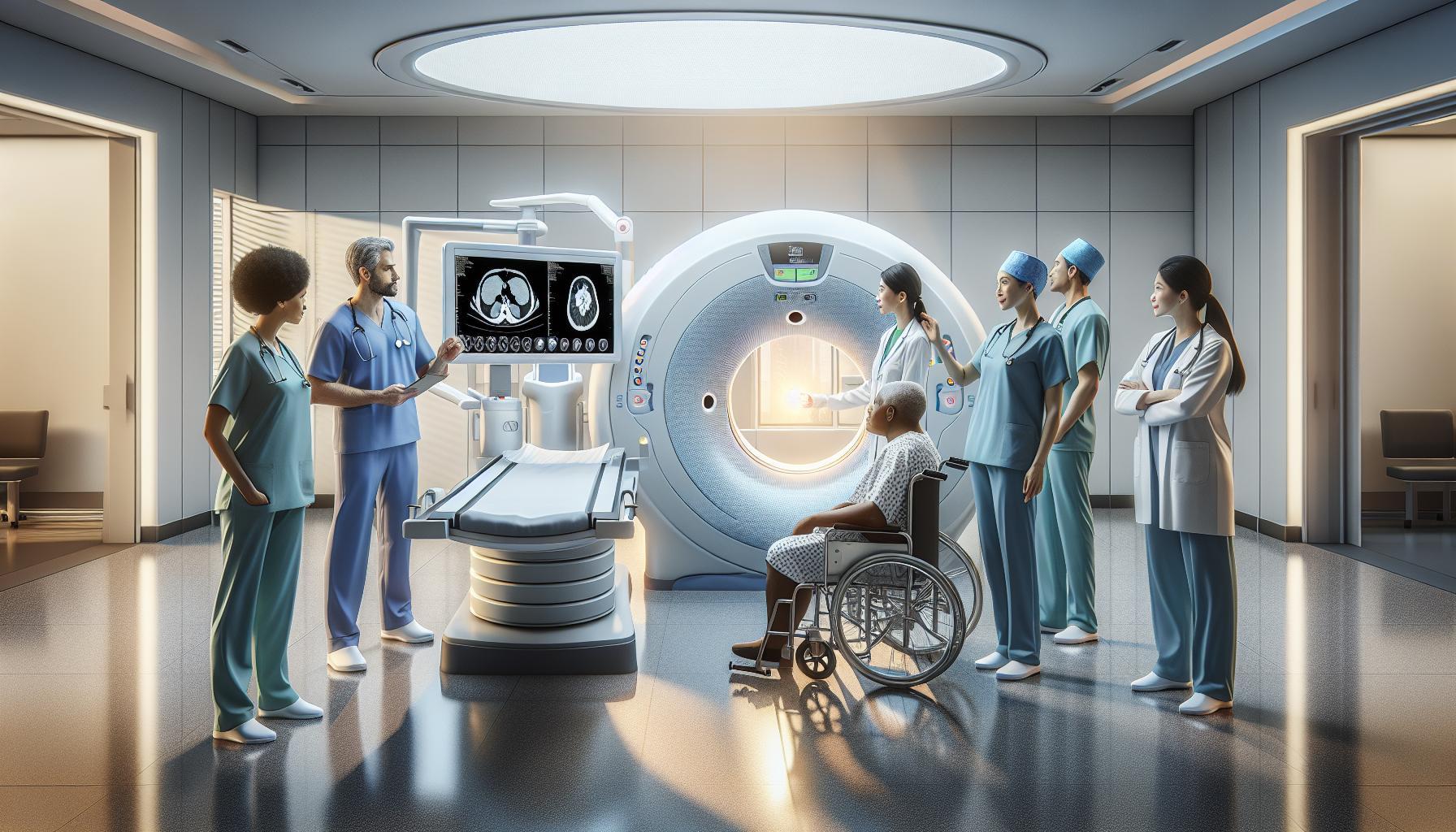
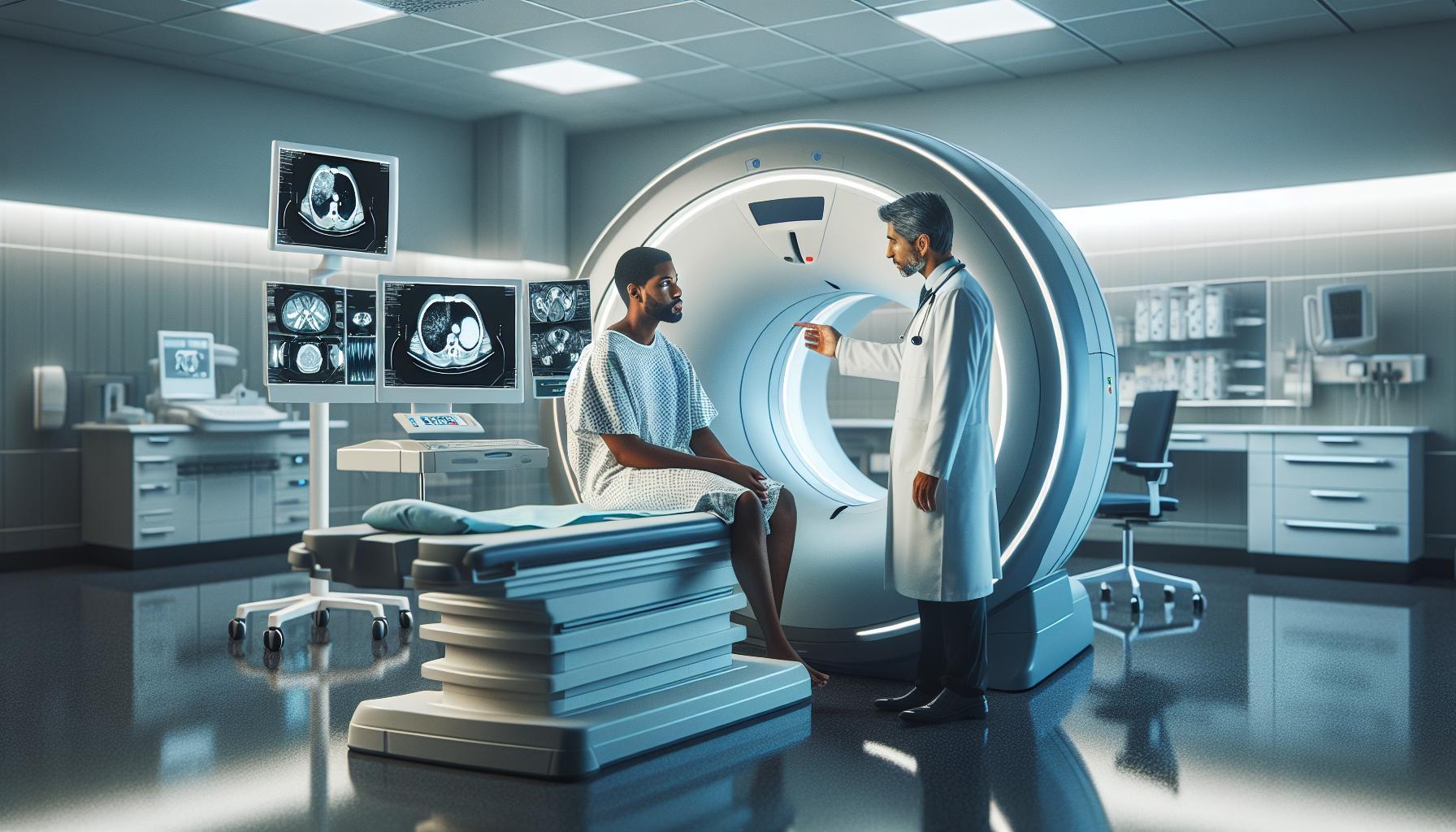
A CT scan with contrast can be a crucial diagnostic tool, helping healthcare providers visualize internal organs and identify potential health issues. However, for many patients, the cost of this procedure without insurance can be a major concern. Understanding these costs is essential, as it allows you to plan appropriately for your healthcare needs while ensuring you receive the necessary examinations to maintain your well-being.
In the current healthcare landscape, where unexpected medical bills can create financial stress, knowing the typical expenses associated with a CT scan can empower you to make informed decisions. Whether you’re facing symptoms that need evaluation or simply requiring routine checks, we’ll explore the factors influencing the price of CT scans with contrast, the potential variations based on geographic location, and strategies for managing these costs effectively. Keep reading to discover everything you need to know about budgeting for this essential diagnostic procedure while alleviating the stress that comes with unexpected healthcare expenses.
How Pricing for a CT Scan with Contrast Varies by Location
The cost of a CT scan with contrast can significantly fluctuate based on various factors, primarily its geographical location. For instance, major urban centers often see higher medical expenses due to increased operational costs, higher demand, and the overall cost of living. In contrast, facilities situated in rural areas may offer more competitive pricing, as they face different market dynamics and overhead expenses. As you consider getting a CT scan, it’s essential to understand these pricing variations to make informed financial decisions.
In metropolitan areas, the average price for a CT scan with contrast can range from $1,200 to $3,000 or more. This price may include the cost of the contrast material, as well as the technical components of the scan itself. Conversely, in smaller towns or less populated regions, the prices might dip to between $700 and $1,500. The differences in pricing not only reflect the direct expense of the healthcare services but also local competition, insurance arrangements, and access to technology.
Additionally, different healthcare facilities within the same region can have varied pricing structures. Hospitals affiliated with academic institutions might charge more due to the research and education aspects they support, whereas outpatient imaging centers often provide services at lower costs. It’s advisable for patients to shop around, inquire about total costs upfront, and verify if the quoted price includes all potential fees, such as those from radiologists.
Finally, when considering a CT scan with contrast, inquire whether there are alternative locations within the same city or region that might offer better pricing without compromising quality. Taking the time to explore options not only eases financial worries but also empowers patients to make knowledgeable choices about their healthcare.
Understanding the Cost of CT Scan Procedures
The landscape of healthcare costs can be daunting, especially when it comes to procedures like CT scans with contrast. Many patients find themselves asking, “How much will this cost me without insurance?” It’s crucial to understand that the overall expense of a CT scan is not uniform; rather, it is influenced by various factors including location, type of facility, and specific patient needs.
In many instances, the cost of a CT scan with contrast can differ significantly based on the facility type and geographic location. For instance, urban hospitals often charge premiums due to higher operating costs, with prices typically ranging from $1,200 to $3,000. Conversely, outpatient imaging centers located in rural areas tend to offer more competitive rates, sometimes as low as $700 to $1,500. This variance in pricing reflects not only the differences in overhead and operating efficiencies but also the competitive landscape and patient volume at various facilities.
Beyond the geographical elements, understanding the structure of the healthcare facility is important. Different institutions may have distinct billing practices. Academic hospitals, often involved in research and education, might impose higher costs, whereas specialized outpatient centers generally provide the same medical imaging services at reduced prices. It is advisable to proactively engage with potential imaging centers to inquire about total costs, ensuring clarity on what is included in the quoted figures, such as fees related to the radiologist’s interpretation of images.
When planning for a CT scan with contrast, gathering information and comparing options allows patients to mitigate potential financial burdens. Exploring different imaging centers within the same city, checking for discounts or promotional pricing, and asking whether facilities accept payment plans can all be beneficial strategies. Understanding these dynamics not only empowers patients to make informed healthcare choices but can also help alleviate some of the anxieties associated with the cost of medical procedures.
Factors Influencing CT Scan Prices Without Insurance
Understanding the costs associated with a CT scan without insurance can feel overwhelming, but it’s important to demystify the various elements that contribute to the overall price. One of the primary factors is the geographic location of the imaging facility. Urban settings typically see higher costs due to increased overhead expenses, while rural areas may offer significantly lower rates for the same procedures. For instance, a CT scan with contrast in a city hospital might range from $1,200 to $3,000, whereas in a smaller town’s outpatient center, it might drop to $700 to $1,500. This difference highlights how location can impact accessibility and affordability.
Another key factor influencing prices is the type of facility where the scan is performed. Academic hospitals, often involved in extensive research and training, tend to charge more for scans compared to specialized outpatient imaging centers that focus on routine procedures. The latter can typically provide similar diagnostic services at a fraction of the cost, which can be a significant relief for uninsured patients. When considering where to have a CT scan, it’s advisable to request detailed estimates and clarify which services are included-such as potential additional charges for the radiologist’s interpretation of the results.
Additionally, the urgency of the scanning procedure can influence pricing. If a scan is needed on a same-day or urgent basis, many facilities might impose higher fees compared to scheduling it well in advance. This is a strategy that can substantially reduce costs. Engaging in conversations with various providers, asking about discounts, and inquiring about payment plans can empower patients to make informed decisions that suit their financial circumstances.
Lastly, patients must consider the potential for hidden costs that can accompany imaging procedures. This can include expenses related to consulting fees, additional imaging if the first results are inconclusive, or follow-up care required after the scan. By anticipating these factors, patients can better prepare financially and minimize surprises on the final bill. Understanding these elements not only alleviates anxiety about the costs of CT scans but also empowers individuals to take control of their health and budgeting choices.
What is a CT Scan with Contrast?
A CT scan with contrast is a specialized imaging procedure designed to provide detailed insights into various structures within the body, especially soft tissues like blood vessels and organs. The procedure involves the administration of a contrast agent-usually iodine-based-prior to or during the scan. This contrast agent enhances the visibility of internal structures by increasing the contrast between different tissues, allowing radiologists to identify abnormalities that might not be visible on a standard CT scan.
During the procedure, you’ll typically lie on a movable table that slides into the CT scanner, which looks like a large doughnut. As the scan commences, the machine emits a series of X-rays that create cross-sectional images of the body. The contrast agent can be administered through an injection in a vein in your arm or taken orally, depending on the area being scanned. As the contrast circulates, it highlights specific areas, making conditions such as tumors, infections, or vascular issues more apparent.
It’s essential to communicate any allergies, especially to iodine, as this could affect your eligibility for receiving the contrast. Your healthcare provider will provide guidance on whether you need to fast before the procedure and any other specific preparations necessary to ensure accurate results.
For many patients, the experience of receiving a CT scan with contrast is straightforward, often taking only about 30 minutes. While some may experience mild side effects like a warm sensation during the injection or temporary discomfort at the injection site, most find the procedure tolerable. After the scan, it’s important to stay hydrated to flush the contrast material from your system. Always consult with your healthcare professional for personalized advice and to address any concerns you might have about undergoing a CT scan with contrast. Understanding this procedure can alleviate anxiety and make the experience more manageable.
Step-by-Step Guide: Preparing for Your CT Scan
Preparing for a CT scan with contrast can feel daunting, but understanding the steps involved can significantly ease your anxiety. This powerful imaging technique provides essential insights into your health, particularly when evaluating soft tissues, blood vessels, and organs. Taking the time to prepare properly can help ensure that your experience is smooth and the results are accurate.
First, it’s crucial to communicate openly with your healthcare provider. Discuss any allergies, particularly iodine allergies, since most contrast agents are iodine-based. Your provider may give you specific instructions regarding fasting; in many cases, you’ll be asked not to eat or drink anything for a few hours before the scan to prevent any interference with the contrast agent’s effectiveness. If you are on certain medications, be sure to mention these as well; adjustments may be necessary.
On the day of the scan, wear comfortable, loose-fitting clothing, and avoid metal accessories like jewelry, buttons, or zippers, as these can interfere with the imaging process. You may be asked to change into a hospital gown before the procedure. Arrive at the facility with time to spare, as this allows for any additional paperwork or preliminary checks. During the preparation phase, you might be required to sign consent forms for the procedure, so it’s wise to ask any lingering questions you may have.
Once inside the scanning room, a radiologic technologist will explain the procedure, ensuring you understand what to expect. You will lie on a movable table that slides into the CT scanner, resembling a large doughnut. For the contrast, you may receive an injection through an IV in your arm, or it may be administered orally, depending on the area being examined. It’s typical to feel a warm sensation throughout your body shortly after the injection, which is normal and usually subsides quickly. Staying informed and prepared can transform an intimidating experience into a manageable one, allowing you to focus on your health journey with confidence.
Common Conditions Diagnosed with a CT Scan
Numerous health conditions can be effectively diagnosed using a CT scan, particularly when enhanced by contrast agents. This powerful imaging tool provides detailed cross-sectional views of the body, allowing healthcare professionals to identify a variety of health issues with precision. Understanding the conditions that may warrant a CT scan can help patients grasp the significance of this procedure and its role in their healthcare journey.
One of the most common uses for a CT scan with contrast is in the diagnosis of cancer. It allows for the visualization of tumors and helps determine their size, shape, and location, which is crucial for staging the cancer and planning treatment. CT scans are particularly useful for monitoring the effectiveness of ongoing treatment, providing vital information on whether tumors are shrinking or stable.
Another significant application is in assessing traumatic injuries. Whether due to falls, car accidents, or sports injuries, a CT scan can quickly reveal internal bleeding, fractures, or organ damage that may not be immediately apparent through physical examination alone. This rapid imaging capability is crucial in emergency settings, where swift decision-making is often required.
In addition to cancer and trauma, CT scans with contrast are routinely used to evaluate vascular conditions, such as aneurysms or blood clots. By highlighting blood vessels, these scans help identify blockages or abnormalities that could lead to serious complications, such as stroke. Conditions affecting the abdomen and pelvis, such as appendicitis or pancreatitis, are also effectively diagnosed, guiding timely treatment that can prevent severe outcomes.
Patients can approach their healthcare provider with confidence, knowing that CT scans are essential tools for diagnosing and managing multiple conditions. Discussing potential benefits, risks, and costs with a medical professional will ensure that individuals make informed decisions about their health. It’s also important to explore financial options beforehand, especially regarding out-of-pocket costs associated with procedures without insurance coverage.
Insurance Alternatives: Options for Uninsured Patients
Navigating the healthcare system can be daunting, especially for those without insurance who require essential diagnostic procedures like a CT scan with contrast. Fortunately, various options exist to help alleviate the financial burden and ensure you receive necessary care without excessive costs.
Many hospitals and imaging centers offer payment plans and discounts for patients who pay out-of-pocket. It’s advisable to directly contact the facility where you plan to have the scan and inquire about their pricing structures for uninsured patients. You may find that some facilities provide lower rates than expected or are willing to work on a sliding scale based on your income level. When discussing costs, don’t hesitate to explain your situation; staff members are often trained to assist patients in financial distress and can guide you to available options.
Another alternative is to explore medical-specific discount programs or membership services that cater to uninsured patients. Organizations such as Medi-Share or the HealthWell Foundation often collaborate with imaging centers to offer discounted rates. These services typically charge a monthly fee, granting you access to lower prices on various medical procedures, including imaging. Researching local nonprofit organizations may also yield assistance, as they sometimes partner with medical facilities to provide reduced-cost services.
Lastly, consider pharmacy drive-through clinics or urgent care centers that might offer CT scans among their services. These locations often have competitive pricing and can provide a quicker turnaround for appointments, making them a flexible option for those in need of prompt imaging. Before proceeding, ensure that the facility has accreditation and positive reviews to guarantee you receive high-quality care.
By proactively exploring these alternatives, you can find financial solutions that align with your needs while prioritizing your health. Always consult with a healthcare professional about any medical concerns and the necessity of a CT scan; being informed enables better decision-making when it comes to your health care and finances.
Financial Assistance Programs for Medical Imaging
Many individuals facing the need for a CT scan with contrast find themselves concerned about the financial implications, especially when insurance is not an option. Fortunately, a variety of financial assistance programs exist to help mitigate these costs, ensuring that necessary imaging services remain accessible. These programs can provide crucial support, whether through direct financial aid or by connecting patients with resources that lower the overall burden of care.
In the United States, several non-profit organizations and foundations focus on providing financial assistance for medical imaging. Programs like the American Society of Radiologic Technologists (ASRT) grant scholarships and financial assistance to those in need. Additionally, organizations such as Patient Advocate Foundation help patients navigate the complexities of healthcare costs by offering case management services. They can assist you in identifying financial aid opportunities within your community.
Understanding Payment Plans and Discounts
Many hospitals and imaging centers offer flexible payment plans that allow patients to spread out the cost of their CT scans. When contacting these facilities, be sure to inquire about available financial assistance options, which may include discounted rates for uninsured patients or promotions specific to certain times of the year. Some hospitals might even have charity care programs designed for individuals who meet specific income criteria. It’s important to be transparent about your financial situation; facilities often prefer to work with patients in need to find a manageable solution.
Utilizing Community Health Resources
Community health centers and local clinics can also be invaluable resources. These centers often offer services on a sliding fee scale based on income, making medical imaging, including CT scans, more affordable for those with limited financial resources. Furthermore, they might have partnerships with hospitals and imaging centers that allow them to negotiate better rates for their patients. Always consider reaching out to these organizations to understand what resources are available in your area.
By actively seeking out financial assistance programs and exploring resources such as community health centers, patients can alleviate the stress associated with the costs of necessary imaging procedures. Always remember to start conversations about financial options when scheduling a scan, as many facilities are committed to ensuring access to essential healthcare services. The key is to remain persistent and informed about the possibilities available to help manage these expenses effectively.
CT Scan Safety: Risks and Precautions
Undergoing a CT scan with contrast can be a vital step in diagnosing various medical conditions, but it’s entirely normal to feel anxious about the procedure and its associated risks. Understanding these risks, as well as the necessary precautions that are taken, can help ease your mind. CT scans use X-ray technology, and while they provide detailed images of the body, they also expose you to a certain level of radiation. Typically, the radiation dose from a CT scan is higher than that of a standard X-ray but lower than that of a conventional PET scan.
To minimize any potential radiation risks, medical professionals adhere to the principle of ALARA (As Low As Reasonably Achievable). This means they aim to use the lowest possible dose of radiation while still obtaining the necessary images for accurate diagnostics. It’s also essential to communicate your medical history and any concerns you may have about radiation exposure with your healthcare provider. They might suggest alternative imaging methods, such as an MRI or ultrasound, if they deem it more suitable for your situation.
When it comes to the contrast material used during the scan, it’s essential to be aware of possible side effects. Some patients may experience mild reactions, such as a warm sensation during the injection, nausea, or a metallic taste in the mouth. More serious reactions, although rare, can occur in individuals who have allergies to iodine. Always inform your doctor of any known allergies, as well as your complete medical history, to ensure that you receive the safest treatment possible.
Prior to your scan, you may be asked to hydrate well and fast for a few hours, depending on the specific type of CT scan you are having. Following the procedure, drinking plenty of fluids helps flush the contrast material out of your system. By staying informed about these safety measures and discussing your individual risk factors with your healthcare provider, you can approach your CT scan with greater confidence and peace of mind. Remember, the goal of these imaging procedures is to gather critical information that will assist in providing you with the best possible care.
Comparing CT Scan Costs to Other Imaging Techniques
The financial implications of medical imaging can be daunting, especially when comparing costs among different technologies. Many patients find themselves asking whether a CT scan with contrast is worth the price compared to other imaging modalities such as MRIs or traditional X-rays. Understanding these differences can empower you to make informed decisions about your healthcare and finances.
CT scans generally range in cost from $300 to $3,000, depending on various factors like location and facility type. In contrast, the average price for an MRI can be significantly higher, frequently reaching between $1,200 and $4,000. While both imaging techniques offer valuable insights into the body’s internal structures, CT scans are often employed for acute conditions due to their speed and availability. For example, in an emergency room setting, a CT scan can provide immediate results, which is crucial for timely interventions. However, if the circumstances allow, an MRI might be a better alternative, particularly for diagnosing soft tissue concerns but typically at a higher cost.
Insurance coverage also varies between imaging types. Patients with insurance might find that certain providers offer more favorable rates for MRIs than for CT scans with contrast. Without insurance, the cost dynamics shift; some facilities may provide self-pay discounts, while others might adhere to standard pricing. It’s advisable to engage in candid discussions with your healthcare provider about all available imaging options and their associated costs before proceeding.
Ultimately, weighing the cost of a CT scan with contrast against other imaging techniques necessitates consideration of not only financial aspects but also the specific diagnostic needs of your condition. The urgency and type of issue-whether it’s a suspected fracture, cancer screening, or vascular assessment-will guide this decision. Always consult with your healthcare provider for personalized recommendations that cater to your individual medical history and concerns, ensuring you receive both effective care and financial clarity.
Patient Experiences: What to Expect During a CT Scan
Undergoing a CT scan with contrast can be a significant step in diagnosing medical conditions, and understanding what to expect can greatly ease any anxiety about the process. From the moment you arrive at the imaging center, you’ll be greeted by healthcare professionals who are there to assist you. A meticulous check-in process ensures that your medical history is reviewed and any necessary consent forms are completed. It is always helpful to inform the staff about any allergies, particularly to iodine or contrast agents, as this can affect what is used during your scan.
Once checked in, you may be asked to change into a gown. This is essential for the accuracy of the imaging, as clothing can sometimes interfere with the scan’s clarity. Before the procedure begins, a technician will explain the process, including how the contrast dye will be administered, typically through an intravenous (IV) line. This step is crucial because the contrast helps enhance the images by highlighting areas of interest, allowing for clearer visualization of your internal structures.
As the scan proceeds, you’ll find yourself lying on a motorized table that moves you through a large, doughnut-shaped machine- the CT scanner. It’s important to remain still during the imaging as movements can blur the results. You may hear whirring sounds, and the experience generally lasts around 30 minutes. For those who feel claustrophobic, discussing this with the technician beforehand can help. Many centers are equipped with calming music or other distractions to make the experience as comfortable as possible.
Post-scan, the IV will be removed, and you can resume normal activities unless otherwise advised. It’s beneficial to drink plenty of water after the scan to help flush the contrast material from your system. Your healthcare provider will follow up with you regarding the results, which usually take a few days. Remember, you’re not alone, and the medical team is readily available to answer any questions or address concerns you may have during the process, allowing you to feel more empowered and reassured.
Frequently Asked Questions About CT Scan Costs and Procedures
Understanding the costs associated with a CT scan with contrast can be quite overwhelming, especially for those without insurance. On average, these scans can range from $500 to $3,000, depending on various factors such as location, facility type, and the specific technology used. It’s essential to know that prices can vary significantly between urban and rural settings and between hospitals and outpatient centers.
When budgeting for a CT scan, consider the following influential factors:
- Location: Urban areas generally have higher costs due to increased demand and overheads.
- Facility Type: Hospitals may charge more than freestanding imaging centers, which often have lower operational costs.
- Type of Contrast Used: The kind of contrast material required for the procedure can impact the overall price; specialized agents may incur higher fees.
- Add-on Services: Additional diagnostics or follow-up consultations can increase costs.
If you’re uninsured, it’s critical to communicate with the imaging center ahead of time. Many facilities are willing to offer payment plans or discounts for upfront cash payments. It’s also beneficial to inquire about potential financial assistance programs that could mitigate costs.
Moreover, understanding your local healthcare market can empower you to make informed decisions. For instance, some online platforms allow patients to compare imaging prices at different facilities, providing transparency and potentially reducing out-of-pocket costs. Remember, while financial decisions are vital, your health remains paramount-don’t hesitate to reach out to healthcare professionals for personalized guidance and support.
Frequently Asked Questions
Q: How much does a CT scan with contrast typically cost without insurance?
A: On average, a CT scan with contrast can cost between $500 to $3,000 without insurance, depending on the facility and location. It’s advisable to contact local imaging centers for exact pricing.
Q: Are there ways to reduce the cost of a CT scan with contrast for uninsured patients?
A: Uninsured patients can reduce costs by asking about cash payment discounts, using community health resources, or participating in financial assistance programs offered by hospitals. Check the article sections on financial assistance for more options.
Q: What factors influence the price of a CT scan with contrast?
A: The price of a CT scan with contrast can vary based on location, the specific imaging facility, and whether additional services or imaging techniques are required. Refer to the section on factors influencing CT scan prices for detailed insights.
Q: Can I negotiate the price of a CT scan if I don’t have insurance?
A: Yes, many imaging facilities are open to negotiation, especially for uninsured patients. It’s helpful to call ahead and discuss your situation. Always request a written estimate once you agree on a price.
Q: What should I expect in terms of preparation for a CT scan with contrast?
A: Preparation may involve fasting for a few hours before the scan and informing your doctor about any allergies, especially to iodine or contrast materials. For more details, see the step-by-step guide on preparing for a CT scan.
Q: How does the cost of a CT scan with contrast compare to other imaging tests?
A: Typically, a CT scan with contrast is more expensive than standard X-rays but less costly than MRIs. The article comparing imaging techniques can provide further clarity on pricing differences.
Q: Is the contrast used in CT scans safe for everyone?
A: While generally safe, some patients may experience allergic reactions to contrast materials. Discuss your health history with your doctor beforehand to assess any potential risks. Check the section on CT scan safety for more insights.
Q: What financial assistance programs are available for CT scans without insurance?
A: Many hospitals offer financial assistance programs that can help reduce costs for uninsured patients. You can often find information about these programs on the hospital’s website or by calling their billing department. Review the section on financial assistance programs for specific resources.
In Summary
Understanding the cost of a CT scan with contrast when you have no insurance can be overwhelming, but you’re not alone in this process. It’s essential to consider not just the prices but also how medical imaging technology works for your health needs. By exploring our resources on how to effectively prepare for a CT scan and what steps you can take to manage costs, you can better navigate your options and ensure you’re making informed decisions.
If you’re still unsure about your next steps, we encourage you to consult with healthcare professionals who can provide personalized guidance based on your specific situation. Don’t hesitate to check our related articles on estimated costs for medical procedures and tips for finding financial assistance in healthcare. For ongoing support, consider signing up for our newsletter, where we share valuable insights and updates on medical imaging and costs. Your health should always come first, and we’re here to empower you every step of the way.