Understanding whether a CT scan can reveal a hernia is crucial for those experiencing unexplained abdominal pain or discomfort. Hernias can sometimes go unnoticed during routine examinations, making imaging vital in confirming their presence. With millions of Americans suffering from this condition, knowing when scans provide clarity can significantly reduce anxiety and lead to focused medical intervention.
When faced with persistent symptoms, you may find yourself wondering about the best diagnostic approach. CT scans are powerful tools that can enhance our understanding of complex abdominal structures, but knowing the right questions to ask and what to expect can help you feel more in control. As we delve deeper into this subject, you’ll discover how CT technology works, the specific conditions it can identify, and when seeking a scan may be necessary for your health journey.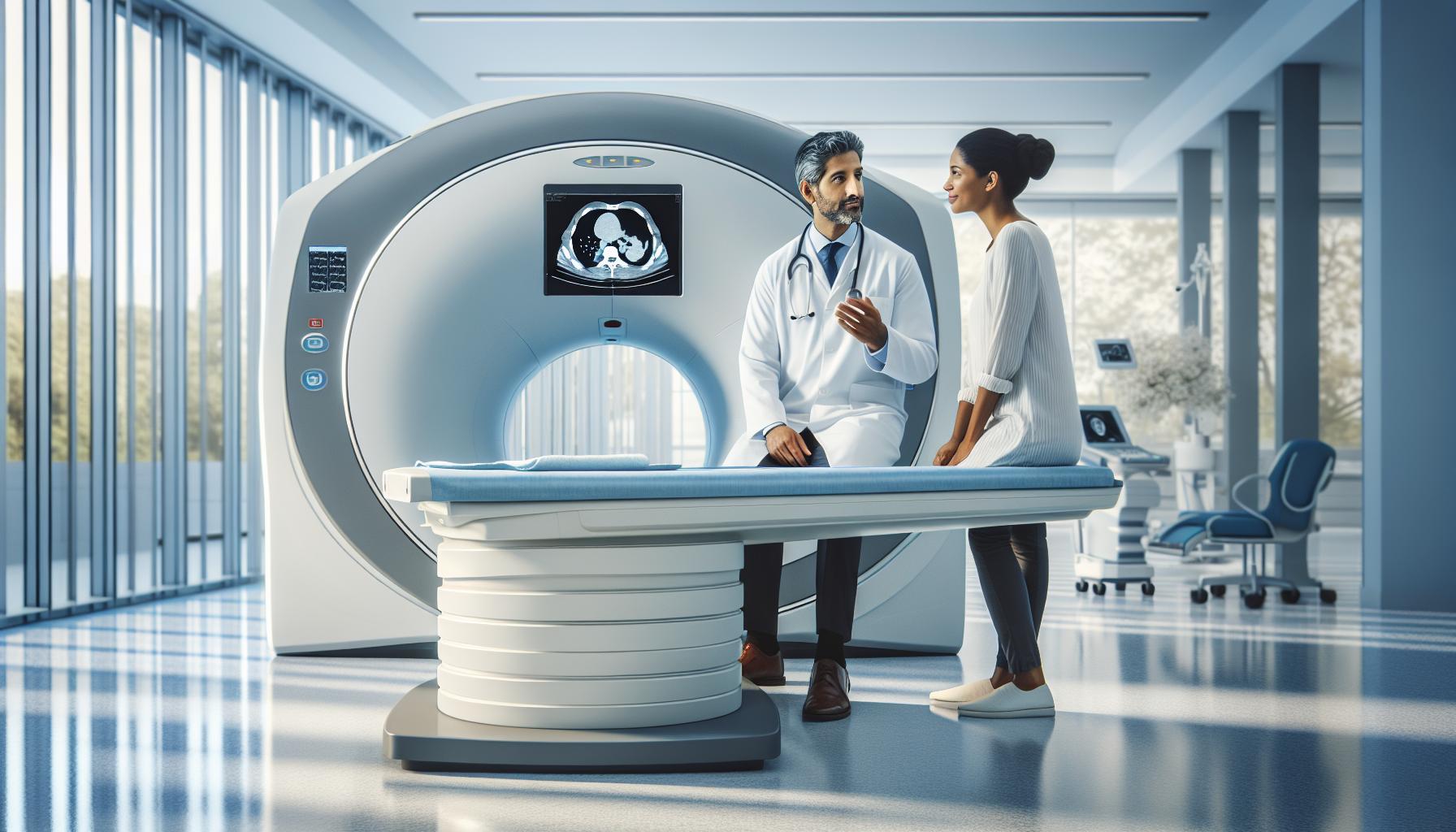
Does a CT Scan Detect Hernias?
A CT scan is a powerful imaging tool that can effectively detect various types of hernias, making it a crucial part of the diagnostic process. Many patients may wonder how precisely these scans can identify hernias within the body. In many cases, a CT scan provides detailed images of internal structures, enabling healthcare professionals to visualize any abnormal shifts or bulges in tissue that suggest the presence of a hernia. This is particularly valuable when hernias are located in areas that are not readily accessible through physical examination, such as in the abdominal cavity.
Hernias occur when an organ or tissue bulges through an area of weakness in the surrounding muscle or connective tissue. The most common types include inguinal, femoral, umbilical, and hiatal hernias. Symptoms can vary from person to person and may include visible bulging, pain during movement, or discomfort in the affected area. When these symptoms arise, a CT scan can play an instrumental role in providing a definitive diagnosis. Unlike X-rays, CT scans produce cross-sectional images that offer a comprehensive view, helping to differentiate between types of hernias or even detect complications such as strangulation, where the blood supply to the herniated tissue is compromised.
For many patients, the thought of undergoing a CT scan can be daunting, but it’s essential to remember that the process is quick, typically taking only a few minutes. The detailed images generated not only facilitate an accurate diagnosis but also guide potential treatment options, whether that involves surgical intervention or monitoring the condition. Ultimately, if you suspect a hernia or experience related symptoms, consulting with a healthcare professional regarding the appropriateness of a CT scan can lead to timely and effective management of your health.
Understanding Hernias: Types and Symptoms
Hernias are more common than you might think; in fact, millions of people are affected each year. They occur when an organ or fatty tissue protrudes through a weak spot in the surrounding muscle or connective tissue, leading to discomfort and sometimes severe complications if left untreated. Understanding the types of hernias and their symptoms can empower individuals to seek timely medical attention, potentially avoiding serious health issues.
There are several types of hernias, each presenting unique characteristics and symptoms:
- Inguinal Hernia: This is the most common type, often occurring in men when tissue bulges through a weak spot in the inguinal canal. Symptoms may include a bulge in the groin or scrotum, along with discomfort during physical activities.
- Femoral Hernia: More common in women, this type occurs when fatty tissue or part of the intestine pushes through into the femoral canal. Patients may notice a lump in the upper thigh, which can cause pain especially when standing or lifting.
- Umbilical Hernia: Typically seen in infants, this hernia happens when part of the intestine protrudes through the abdominal wall near the belly button. Adults can also develop umbilical hernias, often associated with pregnancy or obesity.
- Hiatal Hernia: This occurs when part of the stomach bulges through the diaphragm into the chest cavity. Symptoms can include heartburn, acid reflux, and difficulty swallowing.
Recognizing the symptoms early can be crucial. Common indicators of a hernia include a noticeable lump or bulge, pain or discomfort at the site, especially when bending over or lifting, and a feeling of heaviness in the abdomen. Some individuals may experience constipation or changes in bowel habits, particularly with inguinal and femoral hernias. If you notice any of these signs, it’s essential to consult a healthcare professional promptly.
The anxiety surrounding hernias is often compounded by the fear of surgery; however, many hernias can be effectively managed with lifestyle changes or minimally invasive procedures, depending on their severity. Knowledge about the types and symptoms can not only assist in early diagnosis but also open up discussions about the most suitable treatment options. Engaging with a medical professional can provide the reassurance needed to address any health concerns and the next steps for management or treatment.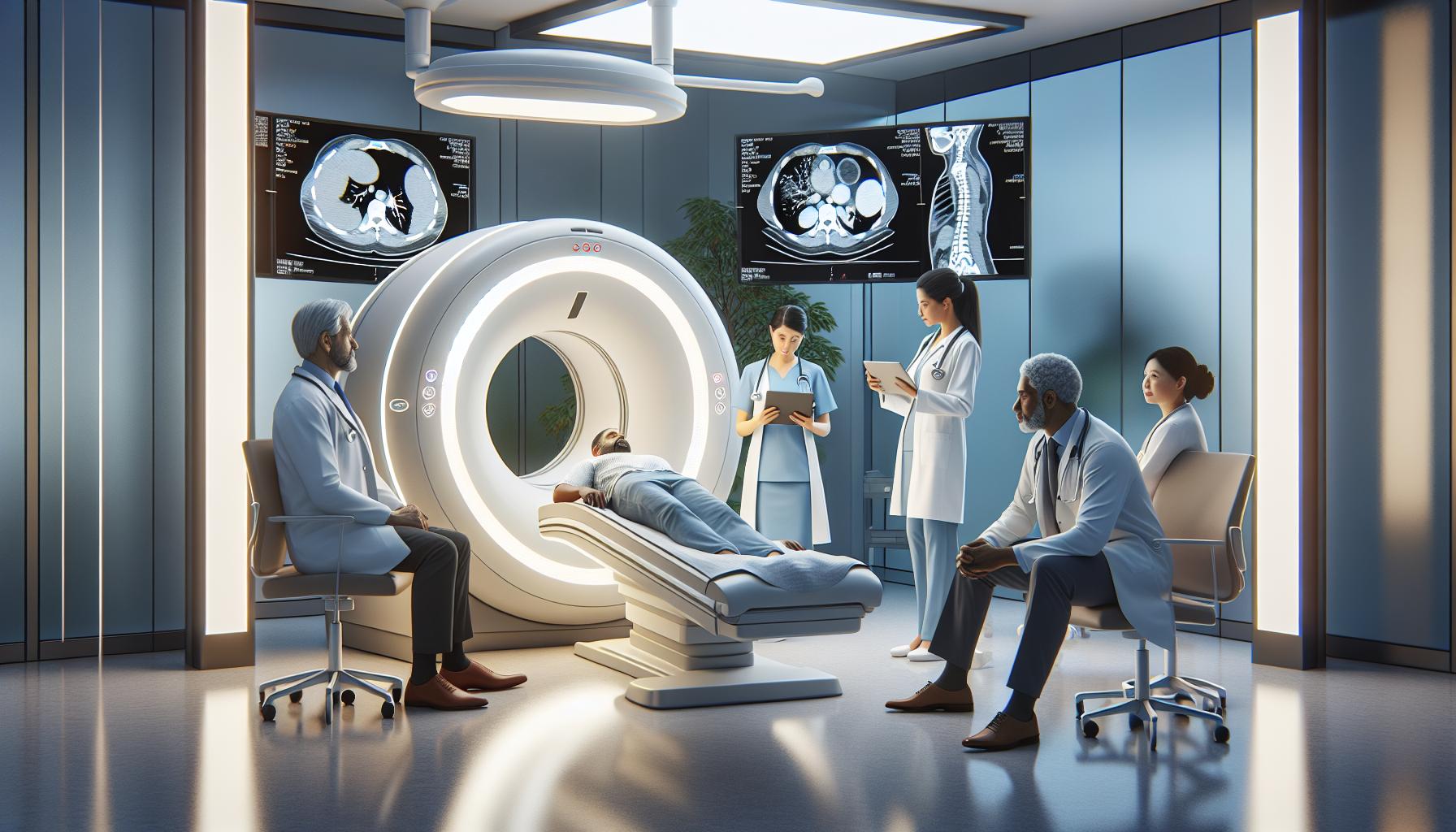
How CT Scans Work for Diagnosing Hernias
CT scans are powerful diagnostic tools that can provide detailed images of the body, helping physicians detect a variety of conditions, including hernias. When diagnosed properly, a hernia can be managed more effectively, potentially preventing complications. CT scans utilize advanced imaging techniques to create cross-sectional images of the body, which allows for a comprehensive view of the internal structures. This makes it particularly useful for spotting abnormalities such as hernias, where an organ or tissue protrudes through a weak area of muscle or connective tissue.
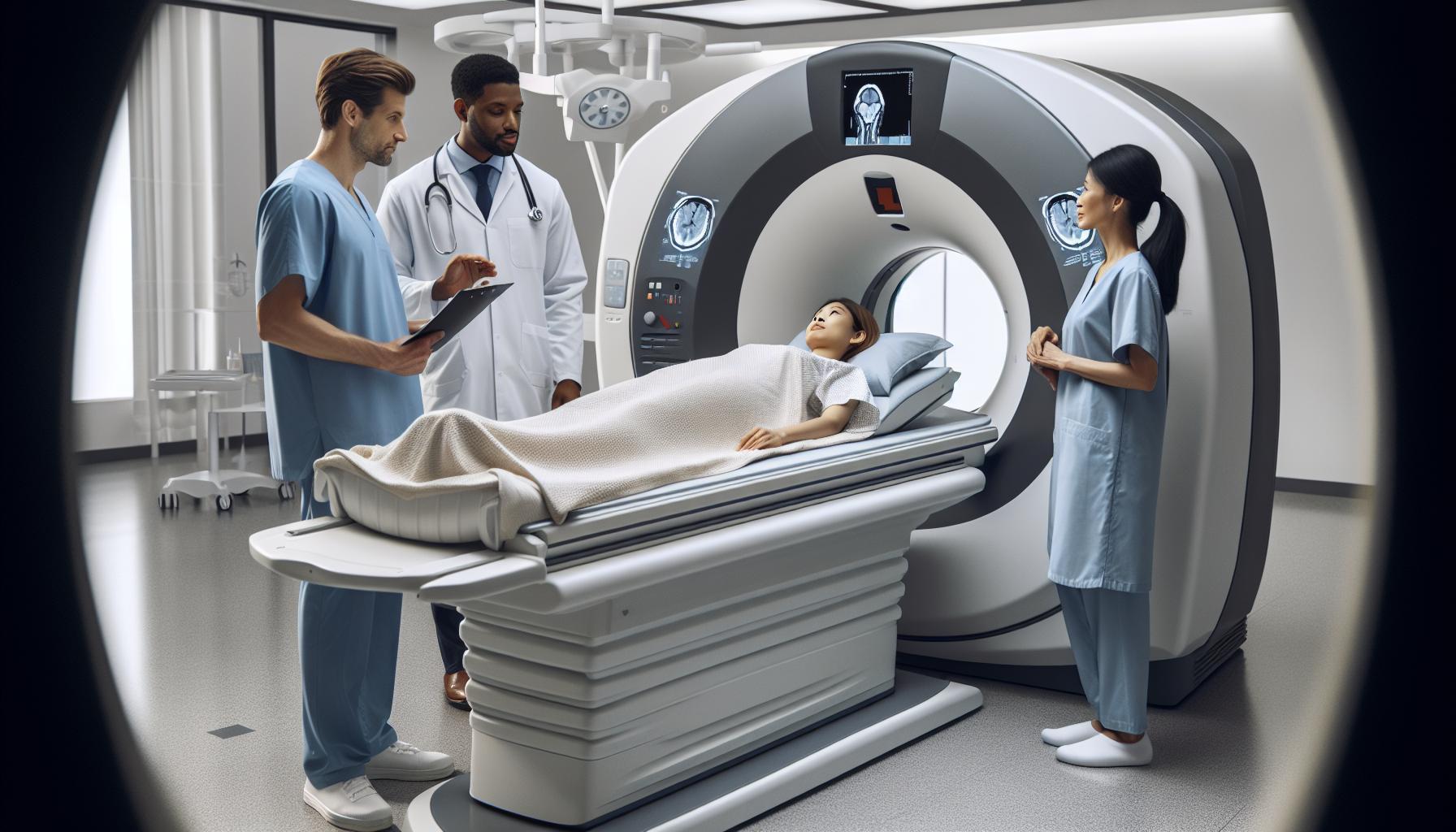
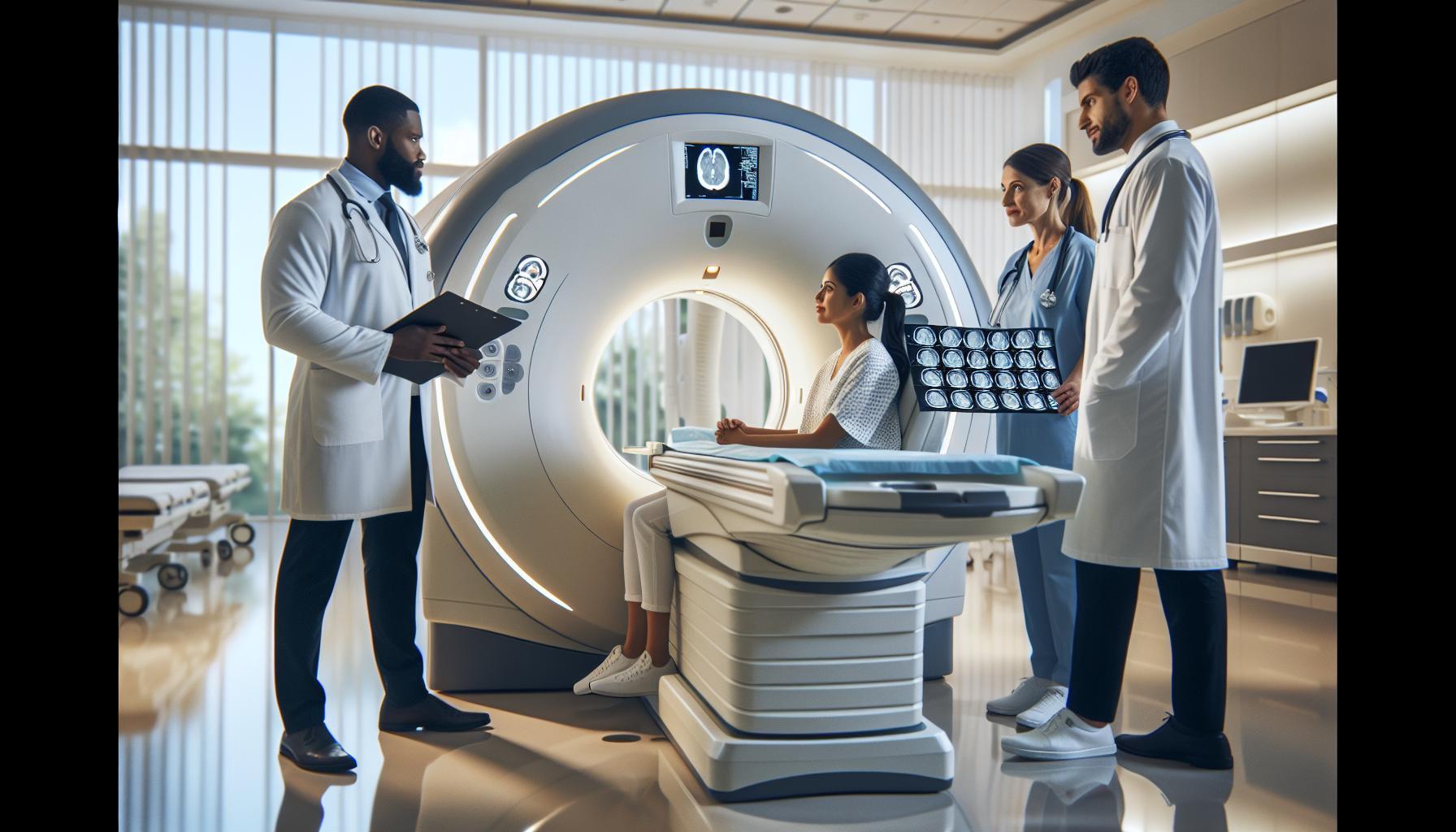
During the CT scan procedure for diagnosing a hernia, the patient lies on a table that gradually moves through a large, doughnut-shaped machine. As the scanner rotates around the body, it simultaneously takes multiple x-ray images from different angles. A computer then processes these images and reconstructs them to form detailed cross-section views of the abdominal area. These images can reveal not only the location of the hernia but also its size, which is crucial for determining appropriate treatment options. CT scans can detect even the most subtle bulges or weaknesses in muscle tissue, providing valuable information to healthcare providers.
It’s important for patients to understand that while CT scans are non-invasive and generally safe, they do involve exposure to a small amount of radiation. The benefits of using a CT scan usually outweigh the risks, especially when it provides clearer insights into a potentially serious condition like a hernia. Patients should always discuss any concerns with their healthcare provider, who can explain the necessity of the scan and how it will impact their diagnosis and treatment plan. Engaging with medical professionals helps ease anxiety that might arise from the procedure and ensures that individuals feel informed and empowered throughout the diagnostic process.
Preparation Guidelines for Your CT Scan
Preparing for a CT scan is a straightforward process, but it’s essential to follow specific guidelines to ensure the best possible results. Proper preparation not only helps optimize the quality of the images your doctor will see but also minimizes any potential anxiety you might feel about the procedure. Understanding what to expect can make a significant difference in your experience.
First and foremost, your healthcare provider will offer specific instructions based on the area being scanned. Typically, you may need to fast for several hours before the procedure-usually around 4 to 6 hours-especially if a contrast material will be used. This helps prevent any interference in the scan’s clarity. It’s crucial to inform your healthcare team if you have any allergies, particularly to iodine or any contrast agents, as this might change how your scan is conducted.
On the day of the scan, wear comfortable clothing without any metal fasteners, such as zippers or buttons, as metal can interfere with the imaging process. You may be asked to change into a gown. If you utilize any devices like pacemakers or insulin pumps, be sure to mention these to the staff, as they could affect the CT scan’s procedures.
Lastly, bring a list of your medications, as your provider may ask you to pause certain medications before the scan. If you experience any anxiety about the procedure-common among many patients-it’s perfectly acceptable to discuss this with your medical team. They can offer reassurance and potentially provide options such as sedatives to help alleviate your concerns.
By preparing adequately and communicating openly with your healthcare team, you can approach your CT scan with confidence, knowing that you’re doing your part to ensure accurate results in the assessment of conditions like hernias.
What to Expect During a CT Scan
Undergoing a CT scan can feel intimidating, yet understanding the process can significantly alleviate anxiety and help you navigate through it with confidence. A CT scan, or computed tomography scan, is a powerful imaging technique that produces detailed images of the body’s internal structures. When it comes to diagnosing a condition like a hernia, a CT scan provides clarity, allowing doctors to visualize not only soft tissues but also organs, and confirm the presence or absence of a hernia.
As you arrive for your appointment, a member of the medical team will guide you through the procedure. Typically, you will be asked to lie down on a narrow table that slides into a large, circular scanner. This machine looks imposing, but it operates quickly, with most scans taking just a few minutes. The technician will step away to monitor the process from another room while still being able to communicate with you through an intercom. They will instruct you when to hold your breath during certain parts of the scan, which helps capture clearer images. Strong focus on your breathing can help distract from any feelings of discomfort or unease, making the experience smoother.
Throughout the imaging, you may hear a whirring sound or feel a brief sensation of warmth, especially if a contrast dye is used to highlight areas of interest. Similar to sipping a flavored drink, the contrast may provide a slightly different taste in your mouth. This reaction typically lasts only a few moments and is no cause for concern. Following the scan, you can resume your daily activities without any downtime, which further underscores the non-invasiveness of this procedure.
While awaiting your results, it’s helpful to remember that CT scans generate detailed images that allow your healthcare provider to make an informed diagnosis. If you feel uncertain about what the findings could mean for you, don’t hesitate to reach out to your medical team for reassurance and clarity. They are there to support you through this process, ensuring you understand the implications of your results and any potential next steps in your care journey.
Interpreting CT Scan Results for Hernias
Understanding the results of your CT scan can significantly impact your healthcare journey, especially when it comes to diagnosing conditions like hernias. A CT scan provides intricate images of the body’s internal structures, which helps your physician not only confirm the presence of a hernia but also assess its size, location, and the potential impact on surrounding organs and tissues. Typically, your doctor will review these images, looking for any protrusion of tissue through a weak spot in the abdominal wall, which is characteristic of a hernia.
In your report, the radiologist will classify the findings, possibly identifying specific types of hernias, such as inguinal, femoral, umbilical, or incisional hernias. Understanding the location and characteristics of the hernia is crucial for determining the most appropriate treatment options. For instance, a small, asymptomatic hernia may be monitored over time, while a larger or symptomatic hernia may require surgical intervention.
It is essential to have a conversation with your healthcare provider to interpret the CT scan findings fully. They will be able to contextualize the results based on your symptoms and medical history. If your scan indicates a hernia, it’s a good opportunity to ask questions about treatment options, recovery scenarios, and any adjustments you might need to make in your daily life moving forward. Engaging actively in this discussion can empower you to make informed decisions about your health and ensure that you feel confident going ahead.
Common Misconceptions About CT and Hernia Detection
Many patients approach the topic of CT scans and hernia detection with a mix of hope and apprehension, often filled with misconceptions that can lead to confusion about their health. One common misunderstanding is that CT scans can always definitively diagnose any type of hernia. While CT scans are indeed highly effective in providing detailed images and can certainly identify many types of hernias, they may not always be the first-line diagnostic tool. Some hernias are subtle and may not be fully captured by imaging. This is particularly true for small or intermittent hernias that can be challenging to visualize on a static image.
Another prevalent myth is the belief that a CT scan will expose patients to significant radiation risks. It’s important to understand that although CT scans do involve a higher level of radiation compared to standard X-rays, they are utilized when the benefits of accurate diagnosis outweigh the risks. Healthcare providers typically evaluate the necessity of a CT scan based on a patient’s specific symptoms and medical history and consider alternative imaging options when appropriate, such as an ultrasound, especially in pediatric cases where minimizing exposure is critical.
Patients often worry that a CT scan signifies something dire about their health, yet a referral for a scan is usually a standard procedure to gather more information rather than an immediate cause for alarm. In many cases, hernias are discovered incidentally during scans conducted for other reasons. This highlights the importance of having an open dialogue with your physician about why a CT scan is recommended and what to expect in terms of results and next steps.
Finally, the notion that all types of hernias manifest the same way on imaging can lead to misinterpretations. For instance, inguinal hernias may show differently than umbilical or incisional hernias-each type has its unique characteristics on imaging studies. Consulting with a radiologist or a physician who specializes in hernia care is crucial to understanding these nuances. Empowering yourself with knowledge is vital in navigating any healthcare journey, and engaging with healthcare professionals ensures that you receive personalized insights regarding your condition and treatment options.
Alternative Imaging Methods for Hernia Diagnosis
Imaging studies play a crucial role in diagnosing hernias, but while CT scans are highly effective, they are not the only option available. Depending on the individual’s symptoms and the type of hernia suspected, healthcare providers may recommend alternative imaging methods that are less invasive or provide different insights. Understanding these methods can empower patients and help alleviate anxiety about their diagnostic journey.
One of the most common alternatives is ultrasound, a preferred choice for many practitioners, especially in pediatric cases. This technique uses high-frequency sound waves to create images of the organs and structures inside the abdomen. Ultrasound is particularly effective for detecting inguinal hernias and is advantageous because it does not expose patients to radiation. Ultrasonography can also be performed while the patient is standing, allowing for the dynamic assessment of any bulging that may occur with movement or straining. Moreover, the immediacy of results can provide patients with quick reassurance or further guidance.
Another notable method is magnetic resonance imaging (MRI), which employs powerful magnets and radio waves to produce detailed images of internal organs. MRI is beneficial when the complexity of a case demands high-resolution imaging, particularly in the presence of potential complications such as strangulation or incarceration of a hernia. While it is generally more costly and less accessible than a CT scan or ultrasound, MRI can provide comprehensive information without the use of ionizing radiation, making it a valuable option for certain patients, particularly those requiring frequent imaging or who are sensitive to radiation exposure.
X-rays are less frequently used for diagnosing hernias due to their limited effectiveness in visualizing soft tissue structures. However, they can be part of a broader diagnostic strategy, especially if bowel obstruction is suspected, as they can show free air indicating perforation.
In choosing an imaging method, it is essential for patients to discuss their specific symptoms, medical history, and any concerns about radiation exposure with their healthcare provider. This dialogue can guide the selection of the most appropriate diagnostic approach for their unique situation, fostering an informed and confident decision-making process about their health. Remember, no matter which imaging technique is utilized, the primary goal is to ensure that the diagnosis is accurate, allowing for the most effective treatment planning.
When to Consult a Specialist After a CT Scan
After receiving the results of a CT scan, many patients may wonder what their next steps should be, particularly if the scan was requested to investigate a suspected hernia. Consulting a specialist can provide clarity and guide you through the options available based on the findings of your scan. A general practitioner may initially interpret the results, but a referral to a specialist, such as a surgeon or a gastroenterologist, could be important for further evaluation and definitive diagnosis.
If your CT scan revealed the presence of a hernia or any related complications, it’s crucial to discuss the results with a healthcare provider who specializes in this area. This is particularly vital if the scan indicates potential complications, such as incarceration or strangulation of the hernia. Symptoms like severe pain, vomiting, changes in bowel habits, or signs of infection necessitate immediate consultation to ensure appropriate management and treatment. A timely intervention can often mitigate further complications and improve outcomes.
Another important reason to consult with a specialist is when the scan results are inconclusive or if additional tests are needed. In some cases, the CT scan may not provide enough information to make an informed diagnosis. A specialist can determine if further imaging, such as an ultrasound or MRI, would be beneficial or necessary. Additionally, they can perform physical examinations and assess your overall health status to develop a comprehensive treatment plan tailored to your specific needs.
Furthermore, if surgical intervention is advised based on the findings, discussing the options with a specialist who can explain the procedures, potential risks, and recovery processes is essential. This is particularly relevant if you’re dealing with multiple health concerns or if you have specific medical conditions that might affect surgical decisions. Overall, engaging with a specialist allows for a clearer understanding of your diagnosis and equips you with the knowledge to make informed decisions regarding your healthcare journey.
Cost and Insurance Considerations for CT Scans
Understanding the financial implications surrounding a CT scan is essential, especially when it pertains to diagnosing conditions such as hernias. The cost of a CT scan can vary significantly based on several factors including location, facility type, and whether or not the patient has insurance. On average, the cost for a CT scan can range from $300 to $3,000, with prices typically being on the higher end in urban centers or specialized imaging centers.
When it comes to insurance coverage, patients should check with their health insurance provider to understand their specific benefits related to imaging services. Many insurance plans cover CT scans deemed medically necessary, which includes scans performed to investigate suspected hernias. However, coverage can vary widely; if the scan is considered elective or not strictly necessary, patients might face higher out-of-pocket costs. It’s advisable to confirm whether prior authorization is required, as some insurers mandate this before undergoing imaging studies.
Here are additional considerations regarding cost and insurance for CT scans:
- In-network vs. Out-of-network: Receiving imaging services from an in-network provider usually results in lower co-pays and deductibles.
- Payment Plans: Some facilities offer payment plans or financial assistance for uninsured or underinsured patients, helping to ease the burden of upfront costs.
- Self-pay Discounts: In cases where insurance won’t cover the procedure, inquire about self-pay rates, which can offer significant savings.
- Cost Transparency: Facilities may provide cost estimates prior to the scan-ask detailed questions about what is included in the quoted price.
In navigating the financial aspects of your CT scan, consider discussing your concerns with your healthcare provider or the facility’s billing department. They can offer guidance tailored to your situation and help you better understand the various options available to manage costs. Being proactive about expenses and clarifying your coverage can significantly reduce stress as you prepare for your scan and follow-up treatment for possible hernias.
Faq
Q: Can a CT scan reveal a hernia in the abdomen?
A: Yes, a CT scan can effectively reveal hernias in the abdomen. It provides detailed cross-sectional images, allowing doctors to visualize abnormal bulging or tissue displacement associated with hernias. For more information, see the section on “Does a CT Scan Detect Hernias?”
Q: What factors can influence the accuracy of a CT scan in detecting hernias?
A: Factors such as the size and type of the hernia, the quality of the CT equipment, and the patient’s body composition can influence detection accuracy. To enhance results, proper preparation and positioning during the scan are crucial.
Q: How does a CT scan compare to an ultrasound for hernia diagnosis?
A: A CT scan typically provides more detailed images than an ultrasound, especially for complex or larger hernias. However, ultrasounds are often used in initial evaluations, particularly for superficial hernias. For additional details, refer to the “Alternative Imaging Methods for Hernia Diagnosis” section.
Q: What preparations should I make before a CT scan for hernia evaluation?
A: Preparation for a CT scan may include fasting for several hours beforehand and informing your doctor about any medications you’re taking. Follow specific guidelines provided in the “Preparation Guidelines for Your CT Scan” section for the best results.
Q: Will I need to consult a specialist after a CT scan if a hernia is detected?
A: Yes, if a hernia is detected on a CT scan, consulting a specialist, such as a surgeon, is recommended to discuss treatment options. More insights can be found in the section on “When to Consult a Specialist After a CT Scan.”
Q: How long does it take to receive CT scan results for hernia detection?
A: Typically, CT scan results are available within a day or two. However, the actual time may vary depending on the facility’s protocols. Always ask your healthcare provider for an estimated timeline.
Q: Are there risks associated with CT scans when checking for a hernia?
A: While CT scans involve exposure to radiation, the risk of serious side effects is low. It’s essential to discuss any concerns with your healthcare provider. Detailed safety information can be found in the article.
Q: What symptoms might indicate the need for a CT scan to check for a hernia?
A: Symptoms such as persistent pain, swelling in the abdomen, or a noticeable bulge can indicate a hernia and warrant a CT scan. Consult your doctor if you experience these symptoms to determine the appropriate imaging tests.
In Retrospect
In conclusion, understanding how CT scans can reveal hernias is crucial for early diagnosis and effective treatment. If you’re experiencing symptoms, don’t wait-reach out to a healthcare professional today to discuss your options. For more insights, explore our in-depth articles on medical imaging procedures and patient preparation guides. Feel free to dive into our resources about the costs and safety of CT scans, or check out our comprehensive guide on recognizing the symptoms of a hernia. Your health is too important to leave to chance, so empower yourself with knowledge and take the next step towards better health. Don’t hesitate to leave a comment or share your experiences with us; your journey might just help someone else!