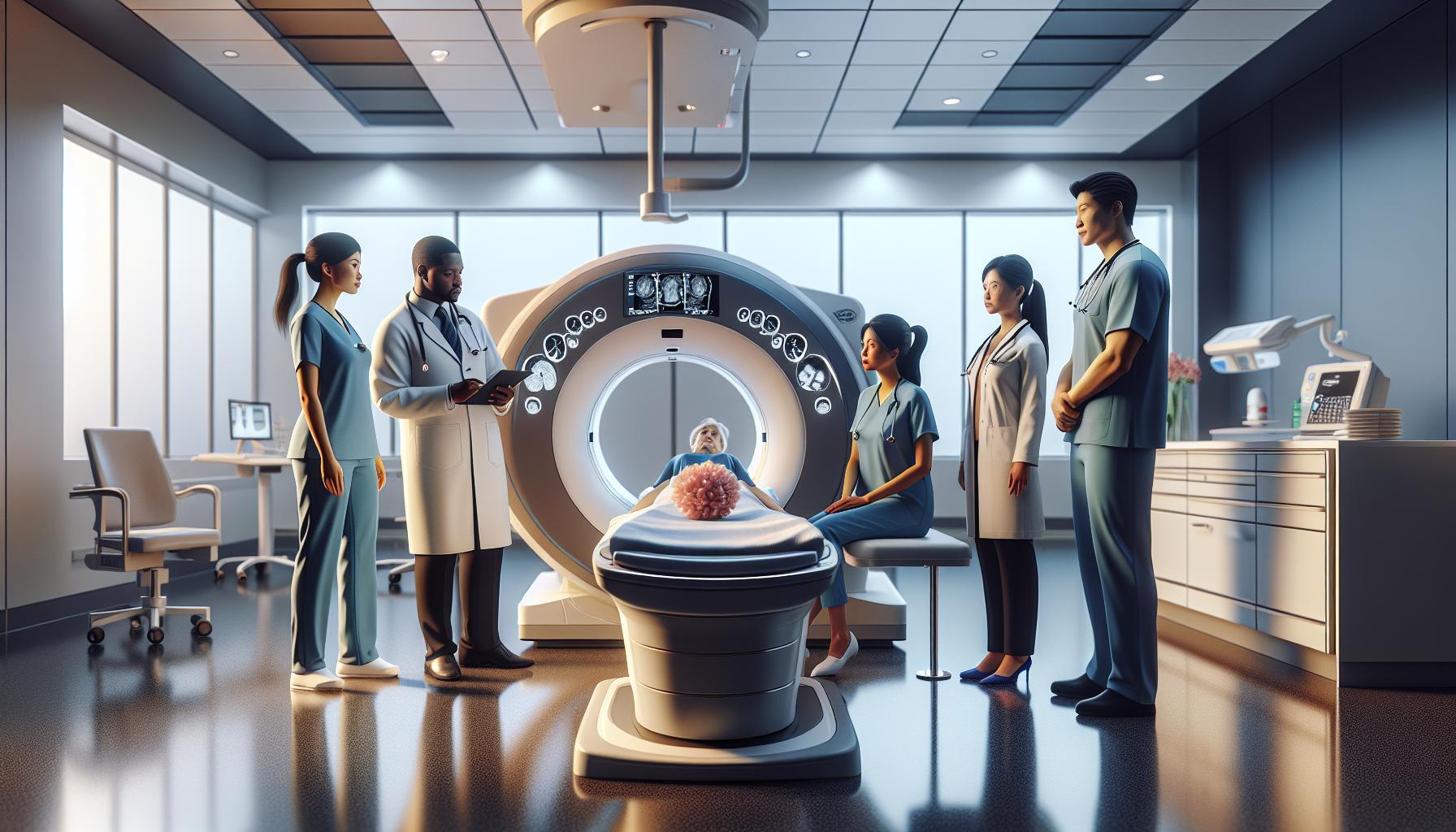
When it comes to detecting serious health conditions, such as lung cancer, many patients seek clarity on the role of advanced imaging techniques like heart CT scans. These scans, primarily designed to evaluate cardiac health, can also offer insights into the lungs. Understanding whether a heart CT can reveal signs of lung cancer is crucial for patients concerned about their health and well-being.
If you’ve ever wondered how intertwined the heart and lungs are, you’re not alone. Many individuals are anxious about unexplained symptoms or family histories of cancer and seek comprehensive answers. This article aims to demystify the capabilities of heart CT scans and their implications for lung health, empowering you with knowledge and peace of mind. Continue reading to learn how these scans might help in early detection and the importance of discussing your concerns with healthcare professionals for personalized guidance.
Understanding Heart CT Scans and Their Purpose
A heart CT scan, often referred to as a CT angiography, is a sophisticated imaging technique primarily used to visualize the heart and its blood vessels. This non-invasive procedure provides detailed cross-sectional images of the heart, allowing healthcare providers to assess its structure, function, and any potential abnormalities. Although its main purpose is to detect coronary artery disease and heart conditions, patients often wonder whether it can also identify issues related to the lungs, such as lung cancer.
The clarity and precision of heart CT scans can reveal the presence of other significant conditions. For instance, while they are not specifically designed to diagnose lung cancer, they may incidentally show suspicious lung nodules or masses present during the examination. When these findings occur, further investigation-such as additional imaging tests or biopsies-is typically recommended to obtain a definitive diagnosis. Understanding the potential of heart CT scans in this regard can empower patients to engage in informed discussions with their healthcare providers about their individual risk factors and the appropriate imaging techniques that suit their needs.
In addition to its primary focus on heart health, the advantages of a heart CT scan include rapid results and the ability to gather comprehensive data on a patient’s cardiovascular system. This is particularly essential for individuals who may be at higher risk due to family history, lifestyle factors, or pre-existing conditions. Having a thorough understanding of the results and their implications is key to effective management and treatment planning, reinforcing the importance of a collaborative approach between patients and healthcare professionals.
How Heart CT Scans Work: A Step-by-Step Approach
A heart CT scan operates on advanced imaging technology, allowing healthcare professionals to visualize the heart’s structure and function with incredible detail. Understanding this intricate process can alleviate concerns and answer common questions about its operation and purpose.
The scan begins by positioning the patient on a movable table, which slides into the CT machine. As the procedure commences, X-ray beams circulate around the chest, capturing multiple images from different angles. These images are then processed by a computer, creating cross-sectional views or slices of the heart and surrounding tissues. To enhance visibility, especially of the coronary arteries, patients may receive a contrast material through an intravenous (IV) line. This substance, often an iodine-based dye, temporarily enlarges blood vessels and highlights areas of interest, allowing for clearer imaging.
During the scan, it is essential for patients to remain still and may need to hold their breath for short intervals. This helps to reduce any potential motion blur that could compromise image clarity. The entire process generally takes about 15 to 30 minutes, although actual scanning time is often much shorter-typically just a few seconds for each image capture.
Once the scan is completed, the medical team reviews the images for any signs of coronary artery disease or anomalies. While the primary aim is to assess cardiac health, incidental findings related to the lungs, such as nodules, may also occur. This potential for incidental discovery often leads patients to question whether this scan can detect lung cancer. It’s important to discuss these outcomes with your healthcare provider, who can guide you on further steps if any suspicious findings are noted. The collaborative approach between patient and provider ensures that any health concerns are addressed with the necessary follow-up care.
Can Heart CT Scans Detect Lung Cancer? Insights and Evidence
While heart CT scans are primarily designed to evaluate cardiac conditions, there is a growing interest in their ability to detect lung cancer, particularly due to incidental findings during these imaging procedures. Heart CT scans produce detailed cross-sectional images of the chest, capturing not just the heart but also the surrounding structures, including the lungs. This comprehensive view can potentially reveal abnormalities such as lung nodules, which may warrant further investigation.
Understanding Detection Potential
Heart CT scans utilize sophisticated imaging technology, using X-ray beams to create high-resolution images of the heart and its surrounding tissues. In instances where patients have risk factors for lung cancer, such as a history of smoking, the scan may unexpectedly highlight small lung nodules. Research indicates that many lung nodules detected incidentally during cardiac imaging could be benign; however, some may raise concern and necessitate additional diagnostic evaluation. If a suspicious lesion is found, healthcare providers typically recommend further testing, including dedicated lung imaging or biopsy, to determine its nature.
What You Should Know
It is essential to recognize the limitations of heart CT scans in lung cancer detection. While they may identify lung nodules or unusual masses, they are not specifically calibrated for lung disease diagnosis. Therefore, a heart CT should not replace routine cancer screening practices, particularly for individuals at high risk. Engaging in discussions with healthcare professionals about personal risk factors and appropriate screening measures is necessary to ensure comprehensive health monitoring.
Before undergoing a heart CT scan, it’s important to prepare by understanding the procedure and its implications. Informing your physician about any symptoms or concerns beforehand can help tailor the conversation and next steps regarding your health status. Remember, the presence of a lung nodule or any other anomaly found during a heart CT scan does not automatically indicate cancer; it often leads to a careful, methodical approach to assess the situation further.
Limitations of Heart CT Scans in Cancer Detection
While heart CT scans offer remarkable views of the heart and surrounding structures, it’s crucial for patients to understand their limitations regarding cancer detection. Heart CT scans are primarily designed to assess cardiovascular conditions, which means that their imaging protocols are tailored to focus on the heart itself and its function. Although they can incidentally detect lung nodules or masses, these scans are not engineered to capture detailed images of lung tissue with the same precision as scans specifically aimed at evaluating lung health.
One of the main limitations is the resolution differences. Heart CT scans typically use a different slice thickness and scanning technique compared to dedicated lung CT scans. This difference means that small nodules may be overlooked or mischaracterized. For instance, a nodule that might have been clearly visible in a lung-specific CT scan could be obscured in a heart scan due to the lower diagnostic sensitivity for pulmonary issues. Therefore, relying solely on a heart CT for lung cancer screening can lead to significant gaps in diagnosis, particularly for individuals at higher risk, such as smokers or those with a family history of lung cancer.
Moreover, the context of incidental findings must be understood. If a lung nodule is detected during a heart CT, it does not automatically indicate cancer. The majority of lung nodules found during imaging studies are benign. As a result, it is vital for healthcare providers and patients to consider further evaluation, potentially through dedicated imaging techniques like a high-resolution lung CT or a PET scan, to investigate any concerning findings. Engaging in thorough conversations with healthcare professionals is essential to ensure that follow-up actions align with individual health needs and risk profiles.
In summary, while heart CT scans can provide unexpected insights into lung conditions, they should not replace regular lung cancer screening protocols. Understanding these limitations helps patients remain informed and proactive about their health. Discussions with a healthcare provider can guide appropriate screening decisions to ensure comprehensive monitoring of lung health.
Alternative Imaging Modalities for Lung Cancer Detection
When it comes to detecting lung cancer, several imaging modalities beyond heart CT scans provide more comprehensive views of lung health. Understanding these alternatives can help patients make informed decisions about their healthcare and screening processes.
One prevalent imaging method for lung cancer detection is the low-dose computed tomography (LDCT) scan. LDCT is specifically designed for lung evaluation and uses lower radiation doses while providing detailed images of lung tissue. This technique is particularly beneficial for early detection of lung cancer, especially in high-risk populations such as current and former smokers. Studies have shown that LDCT scans can significantly reduce lung cancer mortality by identifying tumors at their earliest and most treatable stages.
Another effective option is positron emission tomography (PET) scanning. PET scans highlight areas of increased metabolic activity in the body, which is a common characteristic of cancerous tumors. Often used in conjunction with CT scans, PET scans can help differentiate between benign and malignant lung nodules, providing valuable insights that contribute to treatment planning. This combined approach enhances the accuracy of lung cancer diagnosis, making it a critical component in patient care.
A newer method called magnetic resonance imaging (MRI) is also being explored for lung cancer detection. While MRIs are less commonly used for lung imaging due to challenges associated with lung movement and the high sensitivity required, advances in technology are making it a more viable option. MRI can provide excellent soft tissue contrast, which may help identify surrounding structures and assess the extent of lung cancer when it is already diagnosed.
The choice of imaging modality often depends on individual health factors and the specific circumstances of the patient. It’s essential for patients to have detailed discussions with their healthcare providers about the best imaging techniques suited to their needs, especially if there are risk factors for lung cancer. Remember, early detection significantly improves outcomes, and employing the right imaging modality plays a critical role in timely diagnosis and treatment planning.
When considering screenings, stay proactive and prioritize communication with your healthcare provider to ensure that you receive the most appropriate and effective diagnostic tools available for your lung health needs.
Preparing for Your Heart CT Scan: Tips and Guidelines
Preparing for a heart CT scan can be a seamless experience when you know what to expect and how to prepare. Many patients feel apprehensive about medical imaging, but understanding the process can significantly alleviate anxiety. A heart CT scan, though primarily designed to evaluate coronary artery disease, can occasionally provide insights related to lung structures. However, if lung cancer detection is your primary concern, keep in mind that other imaging modalities may be more effective.
To ensure a smooth scanning process, consider the following preparation tips:
Preparation Tips
- Notify Your Doctor: Inform your healthcare provider of any allergies, particularly to contrast dye, or if you have any chronic conditions such as kidney problems that could complicate the scan.
- Discuss Medications: Some medications may need to be paused before the scan. Always consult with your doctor on how to manage your medications.
- Dress Appropriately: Wear loose, comfortable clothing without metal fasteners, as metal can interfere with imaging quality. You may be required to change into a gown for the scan.
- Follow Dietary Restrictions: Depending on the specifics of your scan, you might need to avoid food and drink for a certain period prior to the procedure, especially if contrast dye will be used.
- Relaxation Techniques: Practice deep breathing or visualization methods to help calm your nerves before the scan. Arriving early can also give you time to relax in a familiar environment.
It’s also crucial to understand the logistical aspects of your visit. Make sure to confirm the appointment time and location. Additionally, consider bringing a family member or friend for emotional support, and to help you recall any instructions or information provided by healthcare professionals.
By taking these preparatory steps, you can feel empowered and relaxed going into your heart CT scan. Discussing your concerns and questions with your healthcare provider will ensure you have tailored advice for your specific situation. Remember, taking charge of your health journey is key; the more informed you are, the smoother the process will be.
What to Expect During a Heart CT Scan Procedure
As you prepare for a heart CT scan, it’s natural to have questions about what the experience will be like. Understanding the procedure can significantly reduce anxiety and help you feel more comfortable. During the scan, you’ll lie on a narrow table that moves into the CT scanner, a large, doughnut-shaped machine that takes detailed images of your heart and surrounding structures. This imaging technique allows your healthcare provider to evaluate things like coronary artery disease and, to some extent, lung health.
Once you’re settled on the examination table, the technologist will position you carefully. It’s important to remain still during the scan, as any movement can blur the images. You may be asked to hold your breath for short periods while the machine captures the images. Typically, the left side of the body will be imaged, and if contrast dye is being used, you might feel a warm sensation as it flows through your veins. This dye enhances the visibility of blood vessels, aiding in clearer imaging results.
Throughout the procedure, the CT technologist will be monitoring you from another room, while maintaining constant communication. If you experience any discomfort or have concerns, don’t hesitate to speak up. This is a routine procedure, but your comfort and well-being are essential.
After the scan is complete, you’ll be able to resume normal activities, but your healthcare provider will discuss any restrictions if contrast dye was used. It’s also a good time to ask your doctor about when to expect your results and what the next steps might be based on the findings. Understanding these aspects of the heart CT scan will empower you and help the process go smoothly, alleviating most uncertainties you might have had.
Post-Scan: Understanding Your Results and Next Steps
Understanding the outcomes and implications of your heart CT scan is crucial for your peace of mind and health management. After the procedure, a radiologist will closely examine the images produced, looking for any abnormalities in the heart and surrounding structures. These images can help identify coronary artery disease, blockages, or any other heart-related conditions, and they may provide incidental findings that could indicate issues in other areas, such as the lungs.
Once your radiologist has analyzed the scans, they will compile a report detailing their findings and share it with your healthcare provider. This process can take anywhere from a few hours to several days, depending on the facility. Your doctor will typically explain the results during a follow-up appointment, and they’ll help you understand what the findings mean for your health. If anything concerning arises, further examinations or tests may be recommended.
It’s important to remember that not every heart CT scan will detect lung cancer, as the primary focus is often on heart health. However, if any concerning signs are observed, such as nodules or irregularities in the lung areas, your doctor may suggest additional imaging specifically targeted at evaluating lung health. This might involve a dedicated CT scan of the chest or other imaging tests, ensuring comprehensive evaluation and management based on your health history and risk factors.
As you await your results, it’s normal to experience anxiety; staying informed can help alleviate some of those feelings. Engage with your healthcare provider about any questions or concerns you may have about your scan, the potential implications of the findings, and the next steps in your care journey. Knowing that your health is being monitored and managed effectively can provide reassurance and empower you to take an active role in your well-being.
Cost Considerations: What to Expect for Heart CT Scans
The costs associated with heart CT scans can vary widely depending on several factors, including the healthcare provider, your location, and whether you have insurance. As healthcare costs continue to evolve, it’s important to be equipped with knowledge about what to expect financially when you undergo this type of imaging procedure. In general, the overall expense consists of the scan itself, any related consultations, and potential additional tests if warranted by the findings.
When considering a heart CT scan, here are some typical cost components you might encounter:
- Facility Fees: These are fees charged by the hospital or imaging center for the use of their equipment and resources. Facility costs can vary based on whether the scan is performed in an outpatient center or a hospital setting.
- Professional Fees: Radiologists who interpret the images will charge a fee for their expertise. This might be billed separately from the facility fee.
- Consultation Fees: If you require a follow-up appointment to discuss the results, this will incur additional charges.
- Insurance Coverage: Contact your insurance provider to understand your benefits for CT scans. Many plans cover a portion of the costs, especially if the scan is deemed medically necessary.
- Out-of-Pocket Expenses: If you are uninsured or your insurance does not cover certain aspects of the scan, be prepared for out-of-pocket expenses, which may include deductibles, co-pays, or co-insurance.
Utilizing health savings accounts (HSAs) or flexible savings accounts (FSAs) can also mitigate costs, enabling you to pay for out-of-pocket medical expenses with pre-tax dollars. Additionally, discussing payment plans or financial assistance options with your healthcare provider may help if the costs are unaffordable upfront.
In terms of what to expect, average costs for heart CT scans in the United States can range from $500 to $3,000. However, this figure can vary depending on the specific test being performed, such as a coronary CT angiogram, which may be more expensive than a standard heart scan. Obtaining a detailed estimate from your provider beforehand can provide clarity and peace of mind as you prepare for your scan.
Remember to reach out to your healthcare provider for personalized insights and guidance regarding costs, as they can help you navigate the financial aspects of your care while ensuring that you receive the necessary diagnostic imaging to monitor your heart health.
Safety and Risks of Heart CT Scans: A Patient’s Guide
Undergoing a heart CT scan can be a pivotal moment in understanding your cardiovascular health, but it’s natural to have concerns about safety and potential risks associated with the procedure. While a heart CT scan is a valuable diagnostic tool that provides critical information about heart function, it is important to consider the factors that may affect your overall safety during the process.
One common concern is exposure to radiation. Heart CT scans do involve the use of X-rays, which emit radiation. However, medical professionals take significant care to minimize this exposure, often employing techniques to ensure the lowest possible dose necessary for accurate imaging. It’s essential to discuss with your healthcare provider the risk versus benefit assessment tailored to your health needs, especially if you have a history of multiple scans. Additionally, do not hesitate to inquire about the specific methods utilized at the facility to limit radiation exposure.
Another aspect to consider is the use of contrast dye in some scans, especially if your doctor is assessing blood vessels or specific locations within the heart. The contrast material can enhance image clarity, but it may lead to allergic reactions in some patients or kidney issues in those with pre-existing kidney conditions. If you have allergies or a history of kidney problems, informing your healthcare team beforehand is crucial to facilitate appropriate precautions.
Furthermore, maintaining a calm state during the procedure positively influences the quality of the images obtained. Most facilities encourage patients to breathe normally and remain still while the scan is taking place, which typically lasts only a few moments. If anxiety about the procedure itself is a concern, speak openly with the medical team about your feelings; they can provide reassurance and guidance to help minimize discomfort.
In conclusion, while heart CT scans are generally safe and provide indispensable insights into cardiac health, understanding the associated risks can empower you to make informed decisions. Engage in dialogue with your healthcare provider to address your questions, manage your concerns, and ensure that your care plan aligns with your health goals. Remember, knowledge is a crucial ally in navigating your healthcare journey.
When to Consult Your Doctor About Lung Cancer Risks
It’s crucial to recognize that certain symptoms or risk factors may warrant a conversation with your doctor about lung cancer, especially if you’re undergoing a heart CT scan. While these scans primarily focus on heart health, awareness of overall lung conditions might lead to incidental findings that could be concerning. For instance, if you experience persistent coughing, unexplained weight loss, chest pain, or shortness of breath, these may be red flags that should prompt further investigation.
Understanding your family history and lifestyle choices is also important. Individuals with a family history of lung cancer or those who smoke or have been exposed to secondhand smoke, asbestos, or other carcinogens should take special care in monitoring their lung health. A heart CT scan might offer clues, but discussing these risk factors with your healthcare provider ensures that they can tailor a preventive strategy that aligns with your specific health profile.
It’s advisable to bring up any concerns or questions during your routine check-ups, particularly if you feel that your symptoms have changed or worsened. Consider keeping a symptom diary to share your experiences more comprehensively during your visit. Furthermore, if you’re anxious about the possibility of lung cancer, openly communicating this to your healthcare provider can help them recommend appropriate screenings or additional imaging that better suit your needs.
In conclusion, being proactive about your lung health-especially when undergoing heart evaluations-can significantly impact early detection and treatment. Trust in your healthcare provider’s expertise, and don’t hesitate to voice your concerns; they are your partner in navigating these health complexities.
Q&A
Q: Can a heart CT scan detect early-stage lung cancer?
A: A heart CT scan is primarily designed for cardiovascular assessment. While it may detect some lung abnormalities, it is not optimized for identifying early-stage lung cancer. For lung cancer screening, dedicated lung CT scans are recommended for more precise results.
Q: What are the limitations of using a heart CT scan for lung cancer detection?
A: The limitations of a heart CT scan for lung cancer detection include its focus on cardiac structures, potentially missing small tumors or nodules in the lungs. Additionally, it may produce lower-resolution images of lung tissues than a dedicated lung CT scan, which can affect diagnosis accuracy.
Q: How does a heart CT scan differ from a lung CT scan?
A: A heart CT scan targets the heart and blood vessels, examining coronary arteries and heart function. Conversely, a lung CT scan focuses on lung tissues and airways, providing more detailed images crucial for detecting lung diseases like cancer.
Q: What symptoms might prompt a doctor to recommend a heart CT scan instead of a lung CT scan?
A: Symptoms such as chest pain, shortness of breath, or irregular heartbeats may lead a doctor to recommend a heart CT scan to assess cardiovascular health. If lung cancer symptoms are present, a lung CT scan is more appropriate for diagnosis.
Q: Are there any concerns regarding radiation exposure from heart CT scans when screening for lung cancer?
A: Yes, heart CT scans expose patients to radiation, which raises concerns, especially if scans are performed frequently. It’s crucial to balance the diagnostic benefits against potential risks. Discuss alternative imaging options with a healthcare professional if lung cancer screening is needed.
Q: How should I prepare for a heart CT scan if I have concerns about lung cancer?
A: When preparing for a heart CT scan, follow your healthcare provider’s instructions closely. This may include fasting for a few hours and avoiding certain medications. If you’re concerned about lung cancer, discuss with your doctor about the need for additional imaging.
Q: Can I ask for a lung CT scan during my heart CT scan appointment?
A: Yes, you can discuss your concerns about lung cancer with your healthcare provider during your heart CT scan appointment. If appropriate, they may arrange for a lung CT scan to be performed or recommend a follow-up screening specifically targeting lung issues.
Q: What should I do if I believe I might have lung cancer after a heart CT scan?
A: If you have concerns about potential lung cancer following a heart CT scan, promptly contact your doctor for a thorough evaluation. They may recommend additional tests, such as a lung CT scan or biopsies, to accurately assess your condition.
In Retrospect
If you’re considering whether a heart CT scan can detect lung cancer, understanding the procedure’s capabilities and limitations is crucial. While primarily focused on imaging the heart, a heart CT scan might reveal lung abnormalities, providing essential clues for further evaluation. If you have concerns about your health, don’t hesitate to consult your healthcare provider for personalized guidance.
For a deeper dive into imaging strategies, check out our articles on the differences between heart and lung CT scans, as well as patient preparation tips for imaging procedures. And if you’re looking to stay informed, consider signing up for our newsletter, where we share the latest insights on heart health and more. Your health journey is important-explore our resources today to empower yourself with knowledge and make informed decisions for your well-being.