When facing health concerns, understanding the tools available for diagnosis can significantly ease anxiety. One such tool is the CT scan, a powerful imaging procedure used to detect brain tumors. This non-invasive technology allows healthcare professionals to visualize internal structures with clarity, making it vital for timely and accurate diagnosis.
Many people wonder how effective CT scans are in identifying brain tumors, which can deeply impact treatment options and outcomes. With the right information, you can navigate the complexities of medical imaging and make informed decisions about your health. In this article, we’ll explore how CT scans work, their detection capabilities, and what you can expect during the process. By the end, you will have a clearer understanding of whether a CT scan is the right choice for you or a loved one.
Does a CT Scan Detect Brain Tumors Effectively?
Brain tumors can be notoriously difficult to detect in their early stages, where symptoms may be subtle or nonexistent. Computed Tomography (CT) scans, leveraging advanced imaging technology, have a significant role in identifying these tumors. CT scans are particularly effective in visualizing brain structures, as they provide detailed cross-sectional images, allowing healthcare professionals to spot abnormalities, including tumors, that may not be discernible through traditional examination methods.
However, the effectiveness of a CT scan in detecting brain tumors can vary. Characteristics such as the tumor’s size, type, and location significantly influence the scan’s ability to reveal them. For instance, small or early-stage tumors might not appear on a CT scan, especially if they are located in less accessible areas of the brain. Additionally, certain tumors may have similar radiological features to surrounding tissues, complicating detection. Despite these limitations, CT scans provide valuable information, particularly for larger tumors or for those that cause notable swelling within the brain.
In many cases, a CT scan may serve as a first-line imaging test due to its speed and efficiency in emergency situations, particularly when there are acute neurological deficits or trauma. If tumor presence is suspected based on initial imaging, further investigations may follow, such as Magnetic Resonance Imaging (MRI), which can offer enhanced clarity and detail of soft tissues and tumors.
Aside from its capacity to detect brain tumors, CT imaging, combined with contrast agents, helps differentiate between tumor types and evaluate any associated complications, such as edema. Consulting with a healthcare professional is imperative for understanding the significance of the findings and discussing potential subsequent steps in diagnosis and treatment. It’s crucial to remember that while CT scans are a powerful tool, they are not infallible and should be part of a comprehensive assessment approach.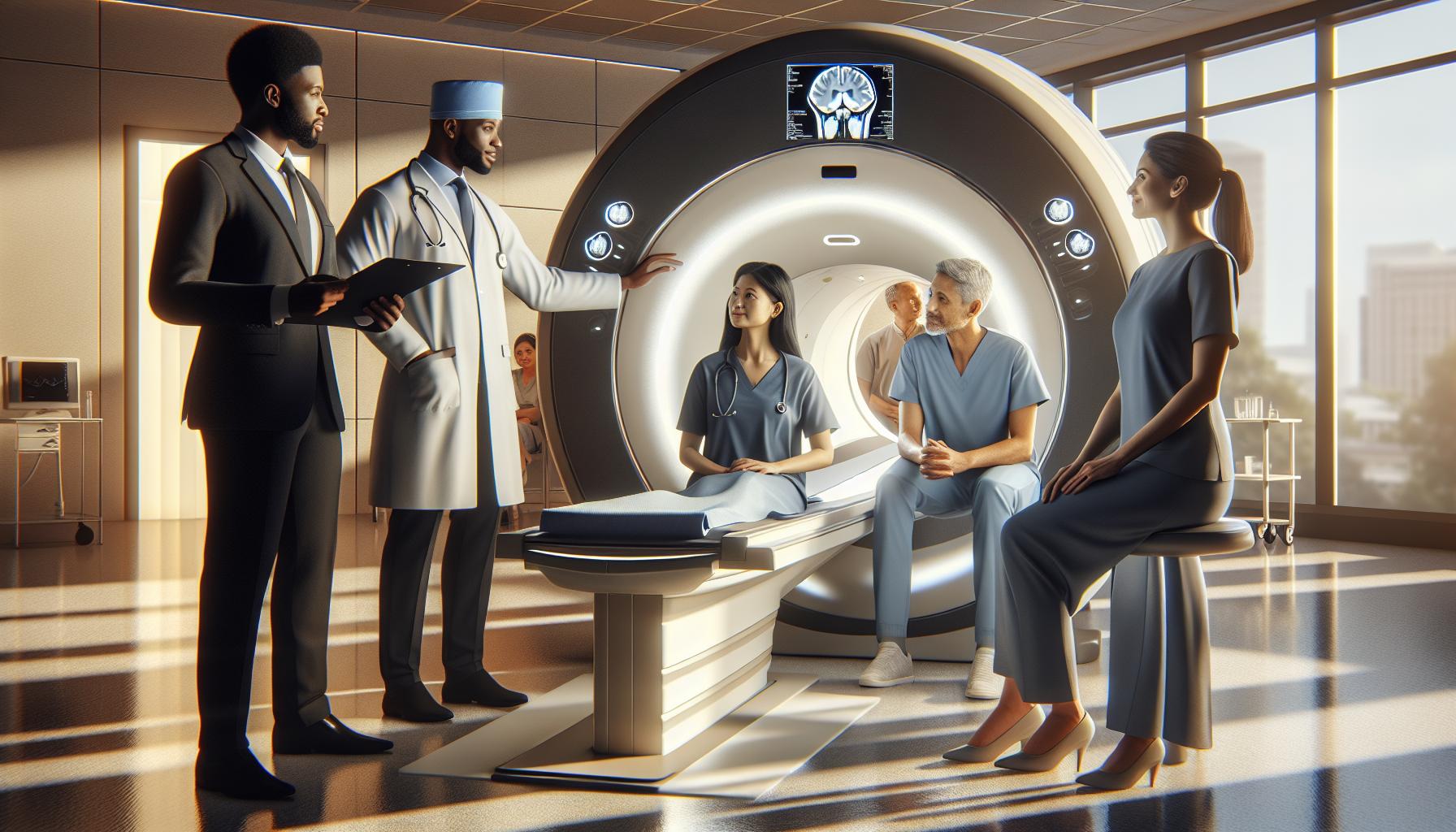
Understanding the CT Scan Process for Brain Tumors
The process of undergoing a CT scan can often evoke feelings of anxiety and uncertainty, especially when it concerns potential brain tumors. Understanding what to expect can help ease these concerns. A CT scan, or computed tomography scan, utilizes advanced X-ray technology to produce detailed cross-sectional images of the brain. This imaging technique allows healthcare professionals to visualize brain structures and identify abnormalities that may indicate the presence of tumors.
Before the scan, it’s essential to prepare adequately. Keeping in mind the following tips can enhance your experience:
- Communicate with your healthcare provider: Inform them of any medical conditions, allergies, or medications you are currently taking, as these factors may influence the procedure.
- Dress comfortably: Wear loose-fitting clothing, preferably without metal fasteners like zippers or buttons, which can interfere with imaging.
- Follow fasting instructions: If a contrast agent will be used, your doctor may recommend avoiding food or drink for a few hours before the scan.
Once you arrive at the imaging facility, a technologist will explain the procedure and answer any questions. You’ll typically lie down on a padded table that slides into the CT machine, which looks like a large doughnut. During the scan, it’s important to stay as still as possible; even minor movements can blur the images and compromise the results. The scan itself is relatively quick, often taking only about 10-15 minutes.
In some cases, a contrast agent may be administered to enhance the quality of the images. This agent can help differentiate tumor types and identify any coexisting conditions, such as swelling or inflammation. After the scan, your healthcare provider will review the results and discuss their implications, ensuring you understand the findings and any next steps required in your care.
Ultimately, being informed about the CT scan process and who will guide you through it can transform a daunting experience into a manageable one. Always feel empowered to ask questions throughout this process, allowing you to take an active role in your health care journey.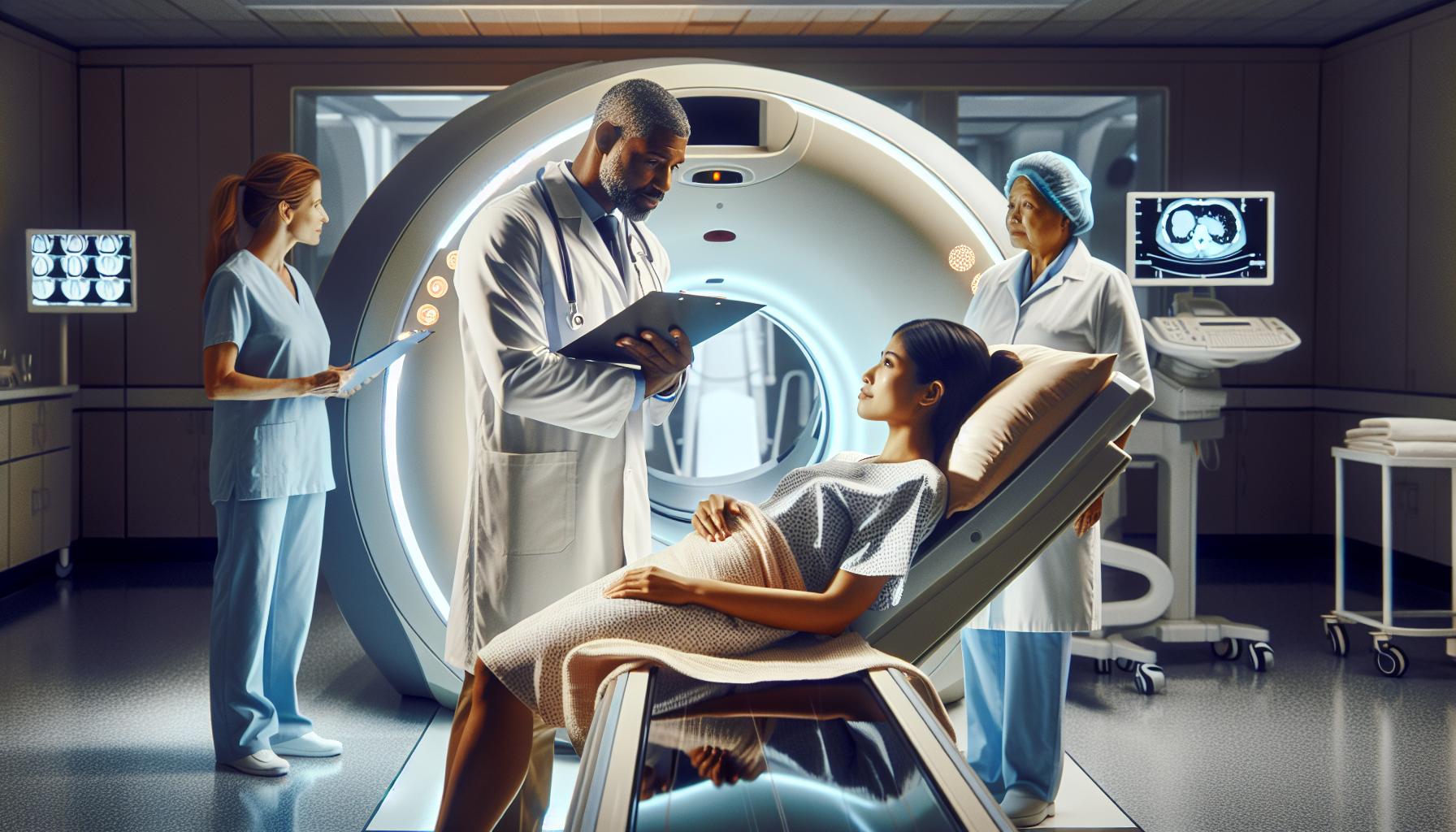
What to Expect During a CT Scan Procedure
Undergoing a CT scan can feel daunting, especially when it’s related to critical health concerns like brain tumors. However, understanding the procedure can help ease anxiety and empower you throughout the process. The CT scan, short for computed tomography scan, utilizes a series of X-ray images taken from different angles to create detailed cross-sectional views of your brain. This advanced technology allows for a thorough assessment of brain structures, helping healthcare professionals identify potential abnormalities, including tumors.
When you arrive at the imaging facility, a technologist will greet you and explain the entire process, ensuring you feel comfortable and informed. You’ll be asked to lie down on a padded table that glides into the CT machine, resembling a large donut. It’s crucial to remain as still as possible during the scan, typically lasting about 10 to 15 minutes, to avoid any blurring of the images. You might hear subtle whirring and clicking sounds as the machine operates, which is entirely normal.
If your doctor recommends the use of a contrast agent for enhanced imaging, this will usually be administered through an injection. The contrast helps to highlight specific areas in the brain, making it easier to differentiate between healthy tissue and potential tumors. While some patients may feel a warm sensation as the contrast enters their system, this is generally temporary and should not cause concern.
Post-scan, healthcare professionals will review the images and discuss them with you. It’s important to have clear communication with your provider regarding the results and implications for your health. You should feel encouraged to ask questions about what you’ve seen, any next steps required, or additional testing needed. This collaborative approach not only helps reduce uncertainty but also actively involves you in your own healthcare journey.
The Role of Contrast Agents in CT Scans
Receiving a CT scan can be a critical step in diagnosing potential brain tumors. A key aspect that elevates the effectiveness of this imaging procedure is the utilization of contrast agents. These substances play a vital role in enhancing the clarity of the images obtained during the scan, allowing healthcare professionals to identify abnormalities with greater precision.
When a contrast agent is administered, typically through an intravenous injection, it alters the way tissue appears on the scan. This enhancement is especially beneficial in distinguishing between normal and abnormal regions in the brain. Contrast agents help highlight areas that may indicate the presence of tumors, bleeding, or inflammation by making them appear more pronounced against healthy tissue. While the injection may cause temporary warmth or a metallic taste, these sensations are usually mild and quickly dissipate, reassuring many that the procedure is both safe and effective.
It’s important to note, however, that not all patients may require a contrast agent for their CT scans. The decision to use one is based on the physician’s assessment of the individual’s medical history and the specific clinical questions that need answering. If a contrast agent is deemed necessary, it’s essential for patients to communicate openly with their healthcare provider about any allergies, kidney issues, or previous reactions to contrast materials.
In summary, contrast agents significantly enhance the diagnostic power of CT scans for brain tumors, bringing clarity to complex images. Understanding their role can empower patients and ease concerns during the imaging process, highlighting the collaborative relationship between patients and healthcare providers in navigating health challenges effectively.
Interpreting CT Scan Results: Key Indicators of Tumors
Interpreting the results of a CT scan is crucial for identifying potential brain tumors and understanding their implications. These scans can reveal key indicators that healthcare professionals look for when assessing abnormalities in brain tissue. For instance, the presence of a mass or lesion can suggest a tumor, while abnormalities in the surrounding tissue may indicate swelling or inflammation. Understanding these indicators can provide clarity and reassurance to patients navigating their health concerns.
A contrast-enhanced CT scan provides more detailed images, allowing radiologists to differentiate between various types of tissue effectively. This enhancement often highlights tumors, making them appear brighter compared to normal brain tissue. Radiologists will examine various characteristics of any identified masses, including their size, shape, location, and density. For example, a tumor that has irregular edges may raise concern, whereas a well-defined, rounded mass might suggest a benign condition.
When patients receive their scan results, they might encounter medical terminology that can feel overwhelming. It’s helpful to focus on three key aspects that radiologists consider:
- Size: Large tumors may present more immediate concerns, while smaller tumors often require careful monitoring.
- Location: Tumors located in critical areas of the brain may lead to specific symptoms, influencing treatment plans.
- Behavior: Abnormal growth patterns, as seen in malignant tumors, may indicate a more aggressive disease.
After reviewing the images, healthcare providers will discuss findings with the patient, translating these technical insights into actionable recommendations, whether that means further imaging, a biopsy, or a treatment plan. It’s natural to feel anxious about these results; engaging openly with your medical team can provide much-needed support and clarity. Always remember that understanding your CT scan results is a collaborative process focused on your health and well-being.
Comparing CT Scans to Other Imaging Techniques
The versatility of imaging technology can significantly influence the process of diagnosing brain tumors. While CT scans are a valuable tool in this arena due to their speed and accessibility, they are not the only method for assessing brain conditions. When , such as MRI and PET scans, it becomes clear that each method has its unique strengths and limitations, which can affect the detection power for tumors.
CT scans excel in providing quick images of the brain and are often the first line of imaging in emergency situations. They are particularly useful for identifying acute issues, like bleeding or fractures, and have the advantage of being widely available and relatively inexpensive. However, they may be limited in differentiating between various types of soft tissue, which is where MRI scans shine. MRI utilizes powerful magnets and radio waves to create detailed images of the brain’s soft tissues, making it more effective for identifying tumors and assessing their characteristics, such as size and effect on surrounding structures. This is especially useful in evaluating the nature of brain tumors, whether they are benign or malignant. Additionally, MRI does not involve ionizing radiation, making it a safer option for repeated imaging.
Another technology worth mentioning is the Positron Emission Tomography (PET) scan, which can provide metabolic information about brain tissue. PET scans are often used in conjunction with CT or MRI to offer a more comprehensive picture, particularly in assessing the activity of a tumor and determining its stage. While PET scans can highlight areas of abnormal metabolism that may indicate malignancy, they typically take longer and may be more expensive than CT or MRI.
In practice, the choice of imaging technique often depends on the clinical scenario, patient history, and specific diagnostic needs. For instance, in cases requiring urgent assessment, a CT scan might be prioritized, while a follow-up evaluation of a known brain tumor may necessitate an MRI for more detailed visualization. As patients navigate these options, it’s essential to have open conversations with healthcare professionals to determine the best imaging approach based on individual circumstances. Understanding how these technologies complement one another can empower patients in their decision-making process regarding diagnosis and treatment.
Limitations of CT Scans in Tumor Detection
The effectiveness of CT scans in detecting brain tumors is often overshadowed by their inherent limitations. While CT scans are fast and provide critical images that can help identify significant issues, they do have drawbacks that can complicate tumor detection. One of the primary concerns is that CT scans rely on X-ray technology, which means they are less adept at visualizing soft tissues than other imaging modalities like MRI. This limitation can result in missed tumors or challenges in distinguishing between different types of tissue-a crucial factor when determining the presence of a tumor.
Another significant limitation is the resolution of CT images. Tumors that are smaller than a few millimeters may not be detected on a standard CT scan. In cases where a tumor has subtle features or overlaps with other structures, the scan may not provide a clear enough picture for accurate diagnosis or characterization. Additionally, certain tumor types, especially those that do not cause structural changes in the brain or surrounding tissues, may be particularly challenging for CT scans to identify.
The use of contrast agents can enhance CT imaging by improving the visibility of certain structures and potential tumors. However, this comes with its own set of limitations. Not all patients can receive contrast due to allergies or kidney function concerns, which could further impede effective diagnosis. Furthermore, the need for contrast can lead to delays in treatment if it is determined that the patient is unable to proceed with the imaging as planned.
In summary, while CT scans serve as a valuable first step in identifying neurological conditions, patients should be aware of their limitations. Open discussions with healthcare providers about the appropriateness of further imaging techniques, such as MRI or PET scans, can ensure a comprehensive evaluation. Empowering yourself with knowledge about the strengths and weaknesses of different imaging options will help you navigate the diagnostic process more effectively. Always consult healthcare professionals for personalized advice tailored to your specific situation.
Factors Influencing CT Scan Accuracy for Brain Tumors
A variety of factors can significantly influence the accuracy of CT scans in detecting brain tumors, which is critical in guiding timely interventions. Understanding these factors can empower patients and their families, helping them navigate the complexities of medical imaging with greater confidence.
One of the most crucial elements is the size and location of the tumor. Smaller tumors, especially those measuring just a few millimeters, may evade detection due to the inherent limitations in CT imaging resolution. Tumors that are located in challenging anatomical areas, such as those overlapping with vital structures or nestled within brain folds, pose additional difficulties for clear visualization. This can lead to missed diagnoses, highlighting the importance of follow-up imaging if symptoms persist or evolve.
Patient factors also play a significant role in the accuracy of CT scans. For instance, body habitus-the physical build of an individual-can affect image quality. Patients with larger body types may receive less detailed scans, which can obscure small tumors or differentiate between various tissue types. Furthermore, conditions such as motion during the scan-which can happen due to discomfort or anxiety-may blur images and necessitate repeat scans, increasing both anxiety and overall healthcare costs.
Another influential element is the use of contrast agents. While these agents can markedly enhance the visibility of brain tumors by highlighting differences between healthy and abnormal tissues, they are not suitable for every patient. Those with allergies or compromised kidney function may not be able to receive them, which can limit the diagnostic capabilities of a CT scan. Additionally, the timing of the scan relative to any treatment can also influence outcomes; changes in tumor morphology due to recent treatments may not be accurately visualized.
In summary, being informed about these factors can help patients engage more effectively with their healthcare team. Open communication about any concerns, including risks associated with specific imaging methods or preparations needed for a CT scan, is essential. Through a collaborative approach, patients can enhance their diagnostic experience and ensure appropriate follow-up actions are taken, ultimately leading to better outcomes.
Patient Preparation Tips for a Successful CT Scan
Ensuring you are well-prepared for your CT scan can make a significant difference in both your comfort and the quality of the images obtained. One crucial aspect to remember is that clarity in the images can be paramount for accurate diagnosis, especially when searching for potential brain tumors. Below are some practical tips to enhance your experience during this important diagnostic procedure.
Understand Pre-Scan Requirements
Many healthcare providers will instruct you to avoid eating or drinking for several hours before the scan, particularly if you are receiving a contrast agent. This fasting period helps minimize the risk of nausea and ensures clearer imaging results. Be sure to clarify with your healthcare provider how long you should refrain from food and fluids before the scan. If you’re on medication, ask if you should take it prior to your appointment.
Discuss Medical History
It’s essential to communicate your complete medical history with your doctor, including any allergies, existing health conditions, and medications you are taking. This information is critical for determining whether a contrast agent is safe for you. For example, if you have kidney issues or allergies to iodine, your doctor may opt for alternative imaging methods.
On the Day of the Scan
Arriving at the imaging center prepared can alleviate anxiety. Wear comfortable clothes without metal, as jewelry, belts, or zippers may need to be removed. Consider bringing a book or music to help keep your mind occupied while waiting. If you feel anxious about the procedure, don’t hesitate to inform the technician; they can often provide calming techniques or explanations to help ease your fears.
Post-Scan Care
After the procedure, especially if a contrast agent was used, you might be advised to drink plenty of fluids to help flush it out of your system. Pay attention to how you feel once you’ve completed the scan. If you experience any unusual symptoms, such as persistent nausea, difficulty breathing, or rash, contact your healthcare provider immediately.
Being well-informed and prepared can empower you during your CT scan, contributing to a more positive experience and ensuring that the results are as accurate as possible. Always remember that your healthcare team is there to support you through this process, so don’t hesitate to ask questions or express concerns at any stage.
Cost Considerations: CT Scans and Insurance Coverage
The cost of a CT scan can be a significant consideration, especially when it relates to diagnosing serious conditions like brain tumors. On average, the price of a CT scan can range from $300 to $3,000, depending on various factors such as the type of scan, location, and whether or not it involves contrast agents. This variability often leaves patients feeling uncertain about their financial responsibilities, so understanding insurance coverage and potential out-of-pocket costs is essential.
Before scheduling your CT scan, it’s wise to verify your insurance benefits. Most health insurance plans cover necessary diagnostic scans, but the level of coverage can vary. Check with your insurance provider about your plan specifics, including:
- Deductible: The amount you must pay out-of-pocket before your insurance kicks in.
- Co-insurance: Your share of the costs after the deductible is met, often a percentage of the total bill.
- Pre-authorization: Some plans require prior approval for a CT scan to ensure that it is deemed medically necessary.
Navigating bill payments can also bring questions. If you are uninsured or facing high out-of-pocket expenses, consider discussing this directly with the imaging center. Many facilities offer payment plans or sliding fees based on your financial situation. Furthermore, some patients benefit from community programs or financial aid specifically for diagnostic imaging.
Ultimately, open communication with your healthcare provider and insurance company is crucial. They can provide guidance tailored to your individual needs and circumstances. Remember that early detection can play a key role in effective treatment, so do not hesitate to pursue necessary diagnostic procedures, even if financial concerns arise. Prioritizing your health and well-being is paramount, and there are resources available to support you in this process.
Addressing Common Concerns About CT Scans
There’s a common misconception that undergoing a CT scan can lead to overwhelming and confusing experiences for patients, especially when faced with the possibility of a brain tumor diagnosis. It’s natural to feel anxious about medical procedures; however, understanding what to expect from the process can significantly alleviate those fears. CT scans are quick, painless, and crucial diagnostic tools that provide detailed images of the brain, enabling healthcare providers to detect any irregularities.
Patients often worry about the radiation exposure associated with CT scans. While it’s true that CT scans involve radiation, the amount is carefully regulated and kept as low as reasonably achievable. In most cases, the diagnostic benefits far outweigh the risks. It’s essential to have an open conversation with healthcare professionals about any concerns regarding radiation and to discuss alternative imaging techniques, if necessary. They can help you weigh the risks and benefits based on your particular medical situation and symptoms.
Another frequent concern pertains to the use of contrast agents during the procedure. Some patients fear adverse reactions or allergic responses. While it’s important to disclose any allergies or medical histories that could impact the use of contrast materials, these agents are typically safe and help enhance imaging quality, leading to more accurate diagnoses. If you have previously experienced issues with contrast-such as allergic reactions-be sure to inform your medical team beforehand.
Lastly, understanding the waiting period for results can also be a source of anxiety. It’s common for patients to feel uncertain and worry while awaiting their diagnosis. Communicating with your healthcare provider about when and how results will be shared can help manage expectations and ease worries. Remember, your medical team is there to support you through each step of the process, and they will ensure that you are informed and comfortable throughout your CT scan journey. Being proactive about these concerns can empower you and enhance your experience, ultimately aiding in a quicker path to diagnosis and treatment.
Next Steps After a CT Scan: Understanding Your Options
Receiving the results of a CT scan can evoke a mix of anticipation and anxiety, especially when assessing potential brain tumors. Understanding what happens next is vital to navigating this crucial phase of your healthcare journey. Once your CT scan is completed, the images will be reviewed by a radiologist, who will analyze them in conjunction with your medical history and symptoms to provide a detailed report to your healthcare provider. This vital step transforms complex images into actionable insights about your health.
Understanding Your Results
It’s common for patients to wonder about the clarity of their scan results. Typically, your doctor will schedule a follow-up appointment to discuss the findings. During this time, they will explain any detected abnormalities, what they could mean, and any necessary subsequent steps. These could range from additional imaging tests to further evaluations, consultations with specialists, or even treatment plans. Being prepared with questions for your doctor can help you grasp your health better and engage actively in your care plan.
Exploring Options Based on Findings
If a potential tumor is noted on the CT scan, various options may be considered. Further imaging-such as an MRI, which offers more detailed pictures of the brain-might be recommended to better define the area of concern. Your doctor may also suggest a biopsy to obtain tissue samples for analysis, which can help determine whether the anomaly is cancerous and, if so, what type it is. Understanding these steps and their purposes can help lessen apprehension about what lies ahead.
- Consultation with a specialist: If a tumor is suspected, your doctor might refer you to a neurologist or oncologist for specialized care.
- Additional imaging: MRI scans may provide enhanced details that aren’t visible on the CT scan.
- Treatment options: Depending on the diagnosis, treatment could include monitoring, surgery, radiation, or chemotherapy.
Emotional Support and Resources
Navigating these next steps can be emotionally overwhelming. It’s natural to feel anxious, and seeking support from loved ones, counselors, or support groups can be invaluable. Many hospitals offer oncology support programs that provide resources for patients facing tumors or cancers. Engaging with a support network can provide comfort and guidance as you face any uncertainties or decisions regarding your health.
Understanding these steps bolsters your emotional resilience and empowers you to take charge of your health. Always remember that building a partnership with your healthcare team is key. They are there to support you, answer your questions, and guide you through each step of the process, ensuring you are always informed and reassured.
Frequently asked questions
Q: How accurate is a CT scan for detecting brain tumors?
A: A CT scan is often quite accurate in detecting brain tumors, particularly larger ones. However, smaller tumors may not always be visible. Factors like tumor type and location influence detection, so if concerns persist, additional imaging techniques may be recommended.
Q: What types of brain tumors can a CT scan detect?
A: A CT scan can detect various brain tumors, including gliomas, meningiomas, and metastatic tumors. It is effective in identifying abnormalities associated with these tumors, helping guide further diagnostic steps.
Q: When should a CT scan be done for potential brain tumors?
A: A CT scan should be performed if a physician suspects a brain tumor based on symptoms such as persistent headaches, vision changes, or neurological deficits. Early detection is crucial for effective treatment.
Q: Can a CT scan miss a brain tumor?
A: Yes, a CT scan can potentially miss smaller or more subtle brain tumors, especially if they are located in challenging areas. If abnormalities are suspected yet undetected, further imaging like MRI may be necessary.
Q: How does a CT scan compare to an MRI for brain tumor detection?
A: While both CT scans and MRIs can detect brain tumors, MRIs provide more detailed images of soft tissues and are generally considered better for identifying small tumors and differentiating tumor types.
Q: What are the risks associated with CT scans for brain tumor detection?
A: The main risks of CT scans include exposure to radiation and potential allergic reactions to contrast agents. However, the diagnostic benefits often outweigh the risks when evaluating serious conditions like brain tumors.
Q: How should I prepare for a CT scan of the brain?
A: Preparation typically involves avoiding food and drink for a few hours before your scan, especially if a contrast agent will be used. Inform your doctor about any medications or health conditions before the procedure.
Q: What happens after a CT scan if a brain tumor is detected?
A: If a brain tumor is detected on a CT scan, your healthcare provider will discuss next steps, which may include further imaging, biopsies, or referrals to specialists for treatment planning and management.
Final Thoughts
As you reflect on the insights shared about CT scans and their ability to detect brain tumors, remember that timely imaging can be crucial for early diagnosis and intervention. If you’re considering a CT scan or have questions about the process, be proactive and consult your healthcare provider. Ensuring you have the right information will empower you to make the best decisions for your health.
For further reading, explore our comprehensive guide on Understanding CT Scan Results or check out tips on Preparing for Your First CT Scan. Don’t forget to visit our blog for the latest updates and expert articles on brain health and medical imaging.
Your journey to understanding your health is just beginning-subscribe to our newsletter for continuous tips and resources. Join the conversation below by sharing your experiences or questions, and together, let’s demystify medical imaging and enhance our wellness knowledge.