Did you know that nearly 1.6 to 3.8 million sports-related concussions occur in the United States each year? Understanding how brain injuries are diagnosed, especially through imaging techniques like CT scans, is crucial for anyone who may be at risk. Concussions can present subtle symptoms, making it difficult to assess their severity without proper evaluation.
As a reader concerned about head injuries-whether for yourself, a loved one, or an athlete on your team-you might wonder how a CT scan can help identify or rule out a concussion. With the right knowledge, you can make informed decisions about when imaging is necessary and what to expect from the process. In this article, we’ll delve into how CT scans are used in concussion management, their benefits, and the key indicators for when one should be performed, empowering you with the understanding you need.
Can CT Scans Detect Concussions? Understanding Brain Injury Imaging
A CT scan is a crucial tool in evaluating head injuries, often leading many to wonder if it can effectively detect concussions. While CT scans provide a detailed view of the brain, showing fractures, bleeding, or swelling, they may not be as effective for diagnosing concussions. Concussions, classified as mild traumatic brain injuries (TBIs), typically result from impact or shaking, leading to functional disruptions in brain activity rather than structural changes detectable by CT imaging.
In practice, when a person suffers head trauma and presents symptoms such as confusion, headache, or dizziness, a healthcare provider may order a CT scan to rule out more severe injuries like skull fractures or intracranial hemorrhages. However, a CT scan often returns normal results even in cases of concussion. This is because concussions affect brain function on a biochemical level rather than causing visible damage that CT scans can reveal. As a result, clinicians may rely on symptom assessment and cognitive tests, rather than solely on imaging, to diagnose a concussion.
It’s important for patients to understand that while CT scans play a pivotal role in emergency settings, they are not the definitive answer for concussion evaluation. For those experiencing persistent symptoms after a head injury, follow-up is essential. Healthcare professionals may recommend additional assessments or imaging methods, such as MRI, which can better visualize functional aspects of the brain. Consulting with a medical expert is vital for personalized guidance and appropriate management following a concussion.
How Concussions Affect the Brain: An Overview
Experiencing a concussion can be alarming, and understanding how it affects the brain is key to managing your health and recovery. A concussion is often classified as a mild traumatic brain injury (TBI) resulting from an impact or sudden jolt to the head, which can disturb normal brain function. It’s essential to recognize that a concussion doesn’t necessarily result in visible damage on imaging tests; rather, it impacts the brain’s biochemical processes. Consequently, symptoms may include confusion, dizziness, headaches, and even memory issues, which emerge not from structural damage but rather from disruptions in neuronal communication.
When a concussion occurs, the brain may undergo various physiological changes. Neurotransmitters, which facilitate communication between nerve cells, can become imbalanced, leading to cognitive and emotional symptoms. This biochemical cascade can result in energy deficits, affecting how the brain responds to healing and potentially prolonging recovery. Moreover, the protective fluid surrounding the brain may experience alterations in pressure and composition, although these changes typically escape detection on standard imaging methods like CT scans.
For anyone facing head trauma, the initial response often involves consulting a healthcare professional who may recommend a CT scan to rule out severe injuries such as skull fractures or internal bleeding. However, it’s crucial to understand that while CT scans are excellent for identifying acute injuries, they may not display any evidence of a concussion. Therefore, healthcare providers often emphasize the importance of symptom monitoring and cognitive testing, which can provide insights into the extent of injury and guide recovery strategies.
If you’ve sustained a head injury and are experiencing symptoms, it’s vital to seek medical advice tailored to your specific situation. Education on the nature of concussions and vigilant monitoring of symptoms can play a significant role in achieving a successful recovery. Always consult your healthcare provider for personalized insights and recommendations, as they can offer support and strategies to manage your symptoms effectively.
What is a CT Scan? Technology Explained
Computed Tomography (CT) scans are advanced imaging techniques that have revolutionized the way healthcare professionals diagnose various medical conditions, including brain injuries. These scans utilize a series of X-ray images taken from different angles, which are processed by computer software to create cross-sectional views of the body. This technology allows doctors to visualize the internal structures with remarkable precision, making it particularly valuable in emergency settings, such as when assessing head trauma.
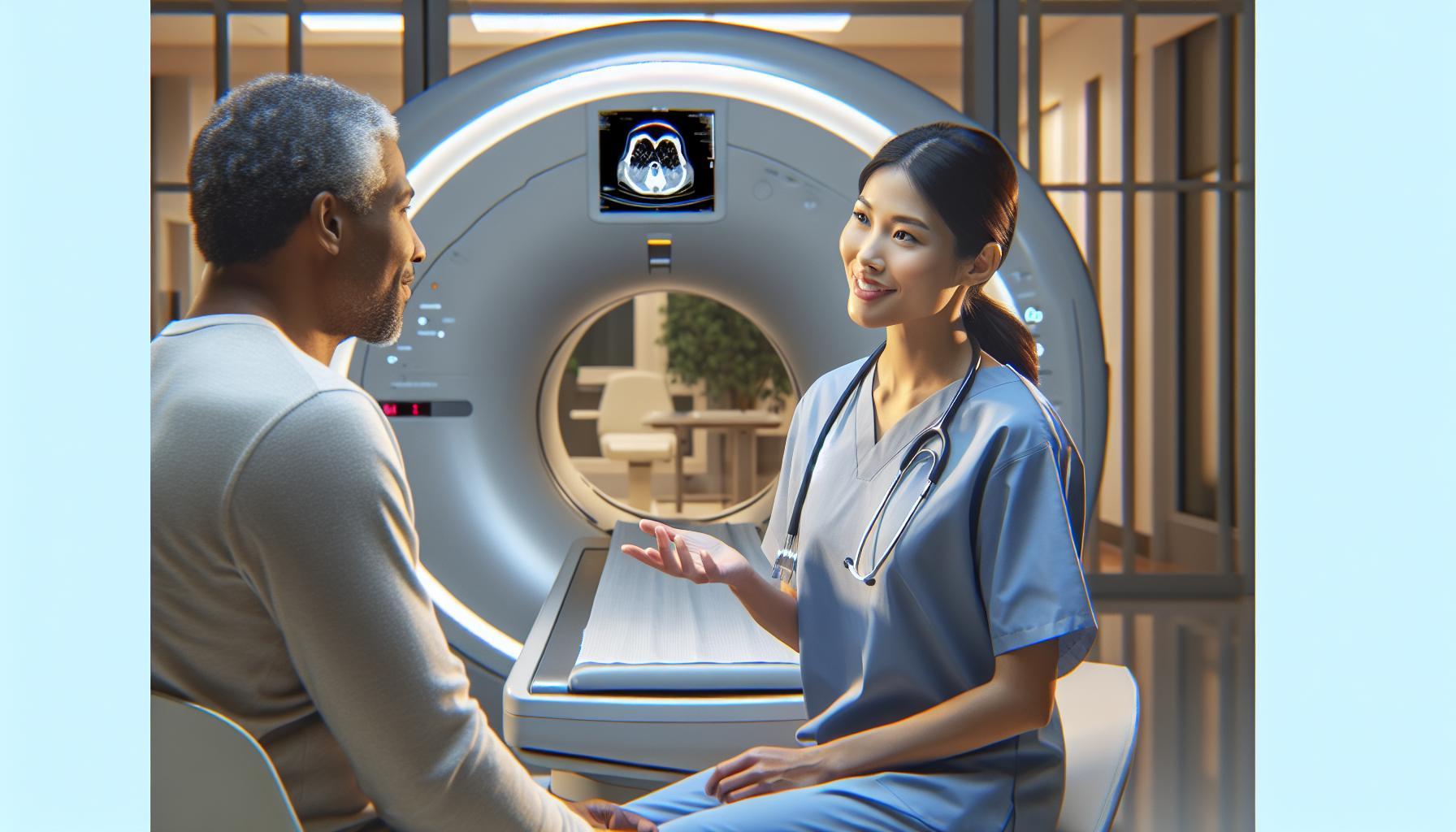
The process is generally straightforward and quick, typically taking only a few minutes. When a patient undergoes a CT scan, they lie on a table that slides into a large, doughnut-shaped machine. During the scan, which usually lasts between 5 to 30 minutes, the patient is instructed to remain still while the scanner rotates around them, capturing detailed images of the brain. Most scans do not require any special preparation, but patients may be asked to avoid eating or drinking for a few hours beforehand, especially if a contrast dye is used to enhance the images.
A key advantage of CT scans is their ability to quickly identify serious injuries, such as fractures, bleeding, or swelling within the brain, which are crucial in determining immediate treatment. However, while CT scans excel in revealing structural abnormalities, they do not detect functional changes associated with concussions. For instance, even if there is no visible damage on the scan, a patient could still be experiencing significant symptoms related to a concussion. Thus, while CT scans are an invaluable tool in assessing acute brain injuries, they are just one part of a comprehensive evaluation that includes clinical assessments and patient history.
If you or someone you know has sustained a head injury, understanding how CT technology works can alleviate some anxiety about the procedure. Always consult with healthcare professionals to interpret the results effectively and consider next steps in management and recovery.
The Role of CT Scans in Diagnosing Brain Injuries
CT scans are invaluable tools in the realm of emergency medicine, particularly when assessing individuals who may have sustained brain injuries. After a head injury, patients often experience a range of concerning symptoms, from headaches to confusion. In such situations, a CT scan can offer immediate insight into the structural status of the brain. It provides detailed cross-sectional images that reveal any bleeding, swelling, or fractures that might indicate a more severe injury requiring urgent intervention.
When a patient arrives at a medical facility after a head injury, the medical team typically performs a quick evaluation assessing the patient’s symptoms and history. If there are indicators of potential brain injury, performing a CT scan can offer crucial data within moments. This rapid imaging allows healthcare professionals to make swift decisions, ensuring that any necessary treatment can begin without delay. The ability to identify acute conditions like a hematoma can be life-saving, underscoring the critical role of CT technology in emergency settings.
However, it’s important to recognize that while CT scans excel in detecting structural injuries, they have limitations, particularly in diagnosing concussions. Unlike fractures or other physical anomalies, concussions often result in functional changes that standard CT scans may not reveal. For this reason, even if a CT scan shows no visible damage, patients experiencing persistent symptoms may still require further evaluations or assessments. Healthcare providers often combine the findings from CT imaging with clinical assessments and patient history to form a comprehensive understanding of the patient’s condition.
As you navigate the aftermath of a head injury, understanding the role of CT scans can help alleviate concerns about the diagnostic process. If a CT scan is recommended, being informed about what to expect can ease anxiety. Always seek guidance from healthcare professionals who can clarify results and recommend next steps tailored to your specific situation.
Limitations of CT Scans for Concussion Detection
After a head injury, many people understandably seek assurance from diagnostic imaging like CT scans. However, while CT scans are an essential tool for assessing various brain injuries, they have notable limitations when it comes to detecting concussions. Concussions primarily affect brain function rather than causing observable structural changes, which means CT scans typically do not identify the injury itself. Instead, these scans are designed to show physical damage, such as fractures, bleeding, or swelling, making them less effective for diagnosing conditions that rely on subtle or functional changes in the brain.
It’s critical to understand that a negative CT scan does not rule out a concussion. In fact, research indicates that most individuals with a concussion will have normal results on a CT scan. This gap in imaging capabilities can lead to confusion or frustration for patients who may still experience symptoms like headaches, dizziness, or memory issues, even if their scan appears clear. In these cases, clinicians often have to rely on a comprehensive combination of patient history, symptom evaluation, and sometimes further imaging techniques, like MRI or advanced functional imaging, to fully assess the severity of a concussion.
Patients should also be aware that the presence of ongoing symptoms after a negative CT scan should never be dismissed. If someone continues to experience cognitive, emotional, or physical changes after a head injury, it’s vital to seek further medical evaluation. Healthcare professionals are well-equipped to provide guidance, emphasizing that effective concussion management often requires a thorough understanding of the patient’s unique circumstances rather than solely relying on imaging results. Always consult with a healthcare provider for informed decisions and appropriate follow-up care.
Alternative Imaging Techniques for Concussion Assessment
Imaging techniques play a crucial role in the assessment of concussions, especially since conventional CT scans often fall short in detecting subtle brain injuries. With concussions primarily influencing brain function instead of causing visible structural damage, alternative methods are increasingly being explored to provide a more comprehensive evaluation of brain health following a head injury.
One promising alternative is Magnetic Resonance Imaging (MRI). Unlike CT scans, MRIs use powerful magnets and radio waves to create detailed images of the brain, making it better suited for identifying soft tissue injuries. Functional MRI (fMRI) can be particularly effective, as it measures brain activity by detecting changes in blood flow. This capability allows physicians to observe how brain regions are working, which can provide insights into the functional impact of a concussion, a perspective that is often not captured through CT imaging.
Another advanced imaging method is Diffusion Tensor Imaging (DTI), a specific type of MRI that visualizes the brain’s white matter tracts. DTI can reveal disruptions in the microstructure of white matter, which may occur in concussions, allowing for a deeper understanding of the injury’s extent. This level of detail can help healthcare providers tailor recovery plans more effectively, particularly for athletes who may need to return to play.
Additionally, emerging techniques such as Positron Emission Tomography (PET) scans are being explored for concussion assessment, especially in research settings. PET scans can visualize brain metabolism and detect changes at the cellular level, offering another layer of information that may not appear on standard CT or MRI scans. In some cases, biomarker analysis through blood tests may also supplement imaging studies, providing valuable data to assist in the assessment of brain injuries.
In conclusion, while CT scans serve an important role in evaluating acute injuries, alternative imaging techniques offer a more nuanced approach to understanding the effects of concussions. If you suspect you or someone you know has sustained a concussion, consult a healthcare professional who can guide you through the appropriate imaging options and ensure the best course of action for recovery. It’s essential to remain proactive in seeking comprehensive evaluations, as early intervention can significantly benefit long-term brain health.
Preparation for a CT Scan: What Patients Need to Know
Undergoing a CT scan, especially in the context of assessing a concussion, can be daunting. It’s important to know that this imaging procedure is quick and generally painless, providing valuable insights into potential brain injuries. However, being well-prepared can ease your mind and ensure the process goes smoothly.
Before the scan, confirm the appointment details and what specific preparations you might need. Generally, you will be asked to refrain from eating or drinking for a few hours prior if a contrast dye is being used. Make sure to inform your healthcare team about any medications you take, allergies (particularly to iodine), or existing health conditions that might affect the scan. If you have a history of claustrophobia, discuss this with your physician, as they may have techniques or medications to help keep you calm during the procedure.
When you arrive for your CT scan, you’ll check in and may be asked to change into a hospital gown, depending on the facility’s protocols. Remove any jewelry or accessories that could interfere with the imaging. The scan itself typically lasts only about 10 minutes. You will lie down on a table that slides into the machine, and it’s essential to remain as still as possible during the imaging to ensure clear results. You may hear clicking or whirring noises; this is normal as the machine works to capture detailed images of your brain.
After the scan, if a contrast dye was used, you will be monitored for a short period to ensure you don’t have any adverse reactions. It’s also helpful to have someone accompany you, especially if you’ve been sedated or if you feel anxious. Your healthcare provider will discuss the results with you, helping to interpret what the images show concerning any potential concussion or brain injury. Being informed and prepared can substantially alleviate any anxiety surrounding the process, empowering you to take an active role in your health and recovery.
Understanding CT Scan Results: What They Mean for Concussions
Understanding the results of a CT scan following a suspected concussion can be crucial to your recovery and peace of mind. While CT scans are the standard imaging tool for assessing acute brain injuries, they primarily reveal structural damage rather than the subtle functional changes associated with concussions. Thus, interpreting these results requires an informed perspective.
When you receive your CT scan results, it’s essential to remember that a “normal” scan does not necessarily mean that there is no injury. CT scans are excellent for detecting abnormalities such as fractures, hemorrhages, or swelling in the brain, which might indicate a more severe issue requiring immediate attention. If your scan shows clear images free of these complications, it can help rule out major structural injuries that might necessitate further intervention. However, it is vital to consult your healthcare provider to fully understand what your results mean for your specific case.
In many instances, the clinical symptoms and physical examination findings play a critical role in evaluating your condition. Your healthcare team will consider your symptoms in conjunction with the CT scan results. If you are still experiencing concussion symptoms, such as dizziness, confusion, or balance issues, further assessment might be required despite a clean CT.
It can be comforting to know that advancements in imaging techniques continue to evolve. For those looking for more comprehensive assessments of functional brain activity, MRI scans and advanced neuroimaging may offer additional insights. Always communicate openly with your medical team about any concerns regarding your results, and don’t hesitate to ask questions to gain clarity on what comes next for your recovery process.
When to Seek Imaging After a Head Injury
Experiencing a head injury can be alarming, and knowing when to seek imaging, such as a CT scan, is vital for ensuring your health and peace of mind. Signs indicating the need for a CT scan can vary widely, but it’s crucial to recognize the symptoms associated with potential concussions. If you’ve experienced a blow to the head and notice persistent headaches, confusion, slurred speech, or difficulty balancing, these symptoms warrant immediate medical attention. Remember, not all concussion symptoms appear right away; some may develop over hours or days following the injury.
Key Symptoms Indicating the Need for Imaging
It’s essential to be attuned to certain warning signs that indicate the need for imaging after a head injury, including:
- Severe headache: A headache that worsens over time.
- Loss of consciousness: Even a brief loss of consciousness should prompt evaluation.
- Repetitive vomiting: This can indicate increased pressure inside the skull.
- Vision changes: Blurred or double vision may signal brain injury.
- Seizures: Any seizure activity following head trauma is a medical emergency.
In these situations, it’s crucial to seek immediate care. A healthcare professional will assess your symptoms and may recommend a CT scan to rule out serious injuries such as fractures or bleeding in the brain. This diagnostic tool is particularly effective for acute injuries.
Moreover, it is equally important to consult a healthcare provider if you notice worsening symptoms or don’t feel like yourself after a head injury. Conditions such as post-concussion syndrome can manifest long-term symptoms even if initial imaging results are normal. Thus, a thorough discussion about your symptoms with your doctor can help determine if additional imaging or follow-up assessments are necessary, ensuring comprehensive care tailored to your individual needs.
When to Follow Up After Initial Imaging
After receiving a CT scan, if you notice a change in your symptoms or if new symptoms arise-such as difficulty concentrating or increased fatigue-don’t hesitate to reach out to your healthcare provider. Ongoing communication about your recovery is crucial, as it allows for better monitoring of your condition and can help identify any complications early on. Your health and safety are the top priority, and remaining proactive about your symptoms can lead to better outcomes.
The Future of Brain Injury Imaging: Advances in Technology
The landscape of brain injury imaging is evolving rapidly, with innovative technologies paving the way for more accurate assessments of conditions like concussions. Recent advancements in imaging techniques aim to enhance the detection of subtle brain changes that traditional methods, including CT scans, might overlook. Researchers are exploring advanced MRI techniques, such as diffusion tensor imaging (DTI), which can visualize microstructural changes in brain tissue, offering insights into the mechanisms of brain injury at a cellular level. These developments hold promise for creating a more comprehensive picture of brain health, particularly when assessing mild traumatic injuries like concussions.
One exciting area of exploration is the integration of artificial intelligence (AI) into imaging processes. AI algorithms can analyze vast quantities of imaging data to identify patterns indicative of brain injuries and predict outcomes more accurately than traditional interpretation alone. By harnessing the power of machine learning, these systems could lead to earlier and much-needed diagnoses, allowing for timely medical intervention, which could significantly impact recovery trajectories for individuals suffering from brain injuries.
Moreover, technologies that facilitate real-time imaging during sports events-like portable ultrasound systems-are becoming more mainstream, enabling immediate assessments on the sidelines. This immediacy can be crucial for athletes, as prompt identification of potential concussions ensures that they receive necessary care before further risk is taken during play.
As we look to the future, collaboration among medical professionals, researchers, and technology developers will be key in advancing these imaging methodologies. Staying informed about these developments is essential, as they promise not only to enhance diagnostics but also to foster a better understanding of concussion recovery processes, ultimately contributing to improved safety protocols and preventative measures in various physical activities. Always consult with healthcare professionals for personalized assessments and recommendations regarding brain injury imaging and treatment options.
Cost of CT Scans and Insurance Coverage for Concussions
The costs associated with CT scans can vary significantly based on several factors, including the facility where the scan is performed, the geographical location, and whether or not the patient has health insurance. On average, patients can expect to pay between $300 to $1,200 for a CT scan without insurance. However, those figures can be lower or higher depending on the specifics of the case, with additional costs for consultations or follow-up appointments possibly adding to the total amount. Understanding these financial aspects can help patients make more informed decisions regarding their care and budget accordingly.
When it comes to insurance coverage, most plans typically cover CT scans required for diagnosing medical conditions, including concussions. However, coverage policies can differ significantly among insurers. It is vital to check with your health insurance provider regarding the details of your plan, including any necessary referrals or pre-authorizations required for coverage. Some insurance policies may also have specific stipulations regarding in-network versus out-of-network providers, potentially impacting out-of-pocket costs. For example, opting for an in-network facility could significantly reduce the patient’s cost burden.
Financial Assistance and Alternatives
For individuals without insurance or those who face high deductibles, financial assistance programs may be available through hospitals or imaging centers. It’s worth asking about payment plans, discounts, or options for reduced rates based on income. Additionally, comparison shopping between various facilities can lead to discovering more affordable options while ensuring high-quality imaging services.
In cases where CT scans may not be immediately necessary, patients can consult with healthcare professionals about alternative imaging methods, such as MRI, which could also be covered by insurance. Understanding these options not only helps alleviate financial surprises but also empowers patients to engage actively in their healthcare decisions, adhering to the best practices for assessment and treatment of concussions.
Consulting Healthcare Professionals: Why It Matters
Engaging with healthcare professionals about concussions and related imaging is crucial for ensuring the best possible care. Many individuals may experience confusion and anxiety after a head injury, leading to uncertainty about the next steps. By consulting qualified experts, patients can gain clarity on their condition, appropriate imaging options, and subsequent treatment pathways. Healthcare providers can not only diagnose but also provide reassurance and tailor recommendations based on individual circumstances, ensuring that each patient understands the significance of their symptoms and the rationale behind suggested imaging studies like CT scans.
When discussing symptoms with healthcare providers, it’s essential to be open about all experiences post-injury, such as headaches, dizziness, nausea, or difficulties with concentration. These conversations can help physicians determine if immediate imaging is necessary or if observation is more appropriate. In cases where a CT scan is indicated, the provider can explain the process in detail, including what to expect during the scan and how the results will be interpreted. This personalized communication fosters a supportive environment, reducing anxiety and allowing patients to feel more in control of their health journeys.
Moreover, healthcare professionals can guide patients through the complex landscape of imaging options and clarify the differences between CT scans and other modalities like MRI. While CT scans are pivotal in ruling out structural injuries, as they excel in identifying fractures or bleeds, MRI may be recommended for assessing potential functional changes in the brain. Understanding these distinctions empowers patients to make informed decisions regarding their health and agree on a strategy that aligns with their needs and preferences.
Ultimately, the importance of consulting healthcare professionals cannot be overstated. Their authority in deciphering medical information, coupled with a compassionate approach to patient care, ensures that individuals affected by concussions receive the education and support they deserve. Reaching out to a provider not only promotes timely and appropriate imaging decisions but also serves as a cornerstone for effective recovery and long-term health management.
Q&A
Q: Can a CT scan show a concussion?
A: A CT scan cannot directly show a concussion, as concussions do not cause structural damage visible on imaging. However, CT scans can detect other issues related to head injuries, such as bleeding or fractures. For assessing concussions, symptoms and clinical evaluations are more beneficial.
Q: What symptoms indicate the need for a CT scan after a head injury?
A: You should seek a CT scan if you experience severe headache, confusion, repeated vomiting, seizures, or loss of consciousness after a head injury. These symptoms may indicate more serious conditions like intracranial bleeding or skull fractures.
Q: How accurate are CT scans in diagnosing brain injuries?
A: CT scans are highly effective for detecting acute brain injuries, such as bleeding or swelling. However, they may not detect subtle brain damage associated with concussions. Comprehensive assessment by a healthcare professional is crucial for accurate diagnosis.
Q: What imaging tests are better than a CT scan for concussion assessment?
A: Advanced imaging tests like MRI (Magnetic Resonance Imaging) are often better for assessing brain tissue changes related to concussions. MRIs can provide detailed images of the brain’s soft tissues, helping to identify issues that CT scans might miss.
Q: When is it necessary to follow up with additional imaging after a CT scan?
A: Follow-up imaging, such as an MRI, may be necessary if symptoms persist or worsen despite a normal CT scan. Consultation with a healthcare professional will help determine if further evaluation is needed to assess brain function or injury.
Q: Are there risks associated with CT scans for concussion detection?
A: The primary risk of CT scans is exposure to ionizing radiation, which carries a small potential for cancer risk over time. However, the benefits of accurately diagnosing serious conditions often outweigh these risks, especially in acute injury scenarios.
Q: What can I do to prepare for a CT scan after a head injury?
A: Prepare for a CT scan by informing your healthcare provider of any medications you take and your medical history. Follow any specific instructions given, such as fasting, to ensure accurate results and optimize your experience.
Q: How long does it take to get CT scan results for a head injury?
A: CT scan results are often available within hours. Your healthcare provider will review the images and discuss findings with you promptly, especially if serious conditions are suspected. Always follow up to understand your results and next steps.
Future Outlook
In conclusion, while CT scans play a crucial role in assessing brain injuries, including concussions, they are not always definitive. Understanding the limitations and strengths of CT imaging can empower you to make informed decisions about your health. If you or a loved one has experienced a head injury, it’s important to consult a healthcare professional who can provide personalized advice based on your specific situation.
For more insights, check out our articles on “Understanding CT Scan Results” and “Signs You Should See a Doctor After a Head Injury.” By arming yourself with knowledge, you take an important step toward prioritizing your health. Don’t hesitate to share your thoughts or questions in the comments below-we’re here to help! Remember, your well-being is our focus, and staying informed is the key to proactive health management.