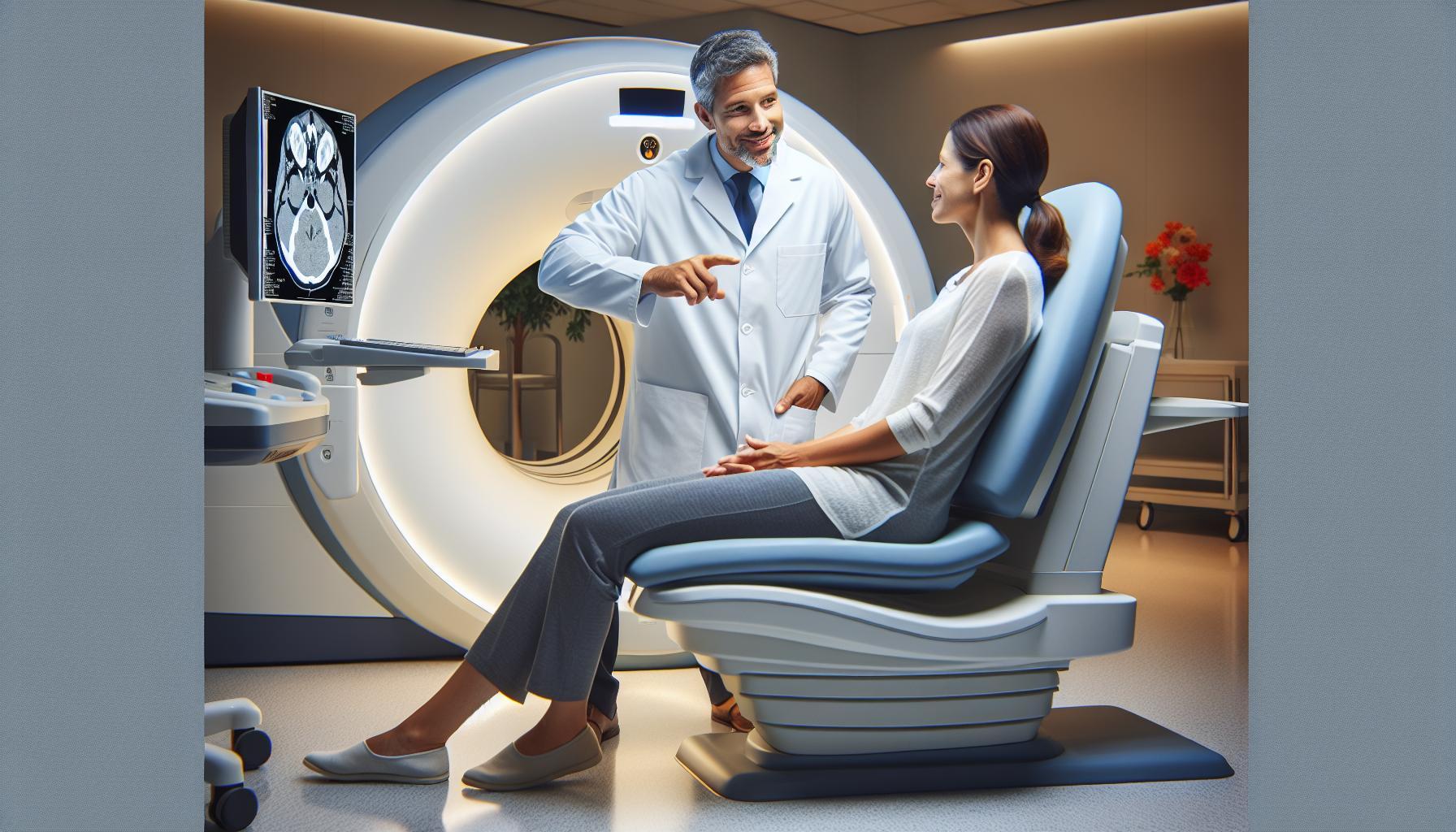
Stroke is a leading cause of death and disability worldwide, making rapid diagnosis crucial for effective treatment. Computed Tomography (CT) scans play a vital role in detecting strokes, often providing results within minutes. Understanding whether a CT can identify the type and extent of a stroke can alleviate your concerns and inform your next steps.
If you or a loved one is experiencing symptoms like sudden weakness, confusion, or difficulty speaking, knowing how CT scans function can empower you. These imaging tests not only help doctors quickly assess brain conditions but also guide critical decisions in emergency settings. Dive into this article to explore how CT scans contribute to stroke diagnosis and what you can expect during the imaging process, ensuring you are well-prepared and informed.
Identifying Stroke: How CT Scans Help
In the urgent landscape of stroke diagnosis, time is of the essence, and CT scans emerge as a critical tool in rapidly identifying the type of stroke a patient may be experiencing. Approximately 87% of strokes are ischemic, caused by a blockage in a blood vessel; CT scans can swiftly confirm this, allowing healthcare professionals to take immediate action. The technology works by capturing detailed images of the brain, revealing regions damaged by a lack of blood flow, or highlighting areas of bleeding in the case of hemorrhagic strokes.
One of the notable advantages of CT scans is their speed. Unlike other imaging technologies, CT scans can be performed quickly, often in just a matter of minutes. Patients typically lie on a table that slides through a large circular opening of the CT machine. The process is non-invasive, and the radiation exposure is relatively low, especially compared to the immediate health benefits of a quick diagnosis. The ability of CT scans to provide clear images of brain anatomy enables physicians to differentiate between ischemic and hemorrhagic strokes swiftly, directing appropriate treatment – such as clot-busting medications or surgical intervention.
Patients often wonder about the reliability of CT scans in stroke diagnosis. While no test is perfect, CT scans are widely trusted in emergency settings. They effectively visualize acute strokes, allowing for timely intervention that can significantly improve outcomes. However, it’s essential for patients to understand that while a CT scan is a powerful initial diagnostic tool, follow-up evaluations and additional imaging might be necessary to gain a comprehensive understanding of the stroke’s implications and guide ongoing care.
Understanding how CT scans fit into the larger landscape of stroke diagnosis not only alleviates anxiety but empowers patients to engage actively in their treatment discussions. From the moment of symptom presentation to the crucial minutes spent in the imaging suite, the journey underscores the importance of rapid response and informed care in improving stroke outcomes.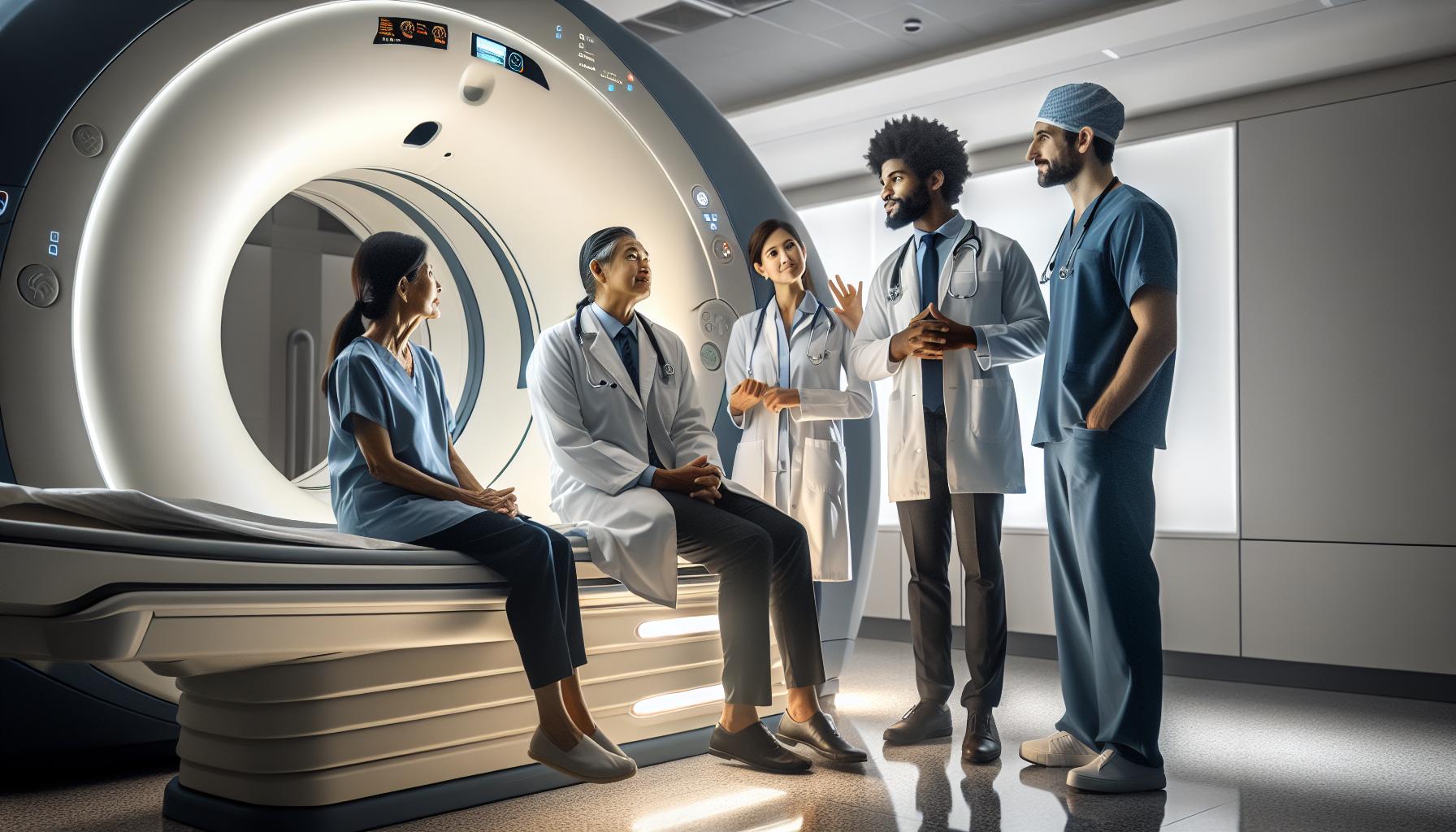
Understanding the Types of CT Scans for Stroke Diagnosis
In the world of medical imaging, CT scans play a pivotal role in diagnosing strokes, which occur when the brain’s blood supply is disrupted. These scans use X-ray technology to create cross-sectional images of the brain, offering vital information about the underlying causes of stroke. There are several types of CT scans employed in stroke evaluation, each serving a specific purpose in delivering a comprehensive analysis of brain health.
One of the most common types is the non-contrast CT scan, which is typically the first imaging test performed when a stroke is suspected. This scan helps to quickly identify any areas of bleeding in the brain, allowing physicians to quickly ascertain if the stroke is hemorrhagic (caused by bleeding) or ischemic (caused by a blockage). When a patient presents with symptoms of a stroke, rapid assessment through this method can significantly influence treatment decisions and improve outcomes.
Another important variant is the CT angiography (CTA). This advanced imaging technique involves the injection of a contrast dye, which enhances the visibility of blood vessels in the brain. With CTA, doctors can evaluate the blood flow and identify blockages or abnormalities in the vascular system. The inclusion of this test not only aids in detailed visualization but can also guide potential interventions, such as endovascular therapy to remove a clot.
Conversely, CT perfusion imaging is a sophisticated technique that measures blood flow to the brain tissue, offering insights into areas that are at risk but not yet infarcted (permanently damaged). This type of scan can help in determining treatment eligibility for thrombolytics, the “clot-busting” medications used for ischemic stroke patients, by identifying salvageable brain tissues.
Understanding these different types of CT scans and their specific applications enables patients and families to appreciate the diagnostic process. It alleviates concerns and prepares them for what to expect during the imaging phase. Consulting with healthcare professionals is essential to discuss the appropriate scan based on individual symptoms and medical history, thereby ensuring a personalized approach to stroke diagnosis and treatment.
The Importance of Speed in Stroke Diagnosis
When a stroke occurs, every second counts. Rapid diagnosis is crucial because the sooner a stroke is identified, the sooner treatment can begin, potentially saving brain tissue and minimizing long-term damage. In many cases, a CT scan is the go-to imaging technique for urgently assessing a patient suspected of having a stroke. Non-contrast CT scans, which are typically performed first, can quickly reveal whether there is bleeding in the brain-an indicator of a hemorrhagic stroke. If there’s evidence of blood flow disruption, this information is vital for determining if a patient is experiencing an ischemic stroke, which may require immediate intervention.
Time-sensitive treatments, such as thrombolytics for ischemic strokes, are most effective when administered within a narrow window-usually within a few hours of symptom onset. CT scans expedite this process by delivering rapid results that guide treatment decisions. For instance, if imaging shows no bleeding, healthcare providers can proceed with administering clot-busting drugs, which can significantly enhance recovery outcomes. Conversely, if bleeding is detected, different emergency interventions can be planned swiftly to manage the situation.
As healthcare professionals work to minimize the time between symptom onset and treatment initiation, patients and their families play a critical role in facilitating prompt medical attention. Recognizing stroke symptoms-often remembered by the acronym F.A.S.T. (Face drooping, Arm weakness, Speech difficulties, Time to call emergency services)-can ensure that patients receive help as soon as possible. This direct action can make a profound difference in survival rates and recovery, underscoring and intervention.
Understanding the urgency and processes involved in stroke diagnosis, especially the role of CT imaging, can help alleviate anxiety. Knowing what to expect and recognizing the urgency can empower patients and families to act decisively when it matters most. Always consult with a healthcare professional for personalized advice and action plans based on individual circumstances, ensuring comprehensive care and support.
CT Imaging vs. Other Diagnostic Tools for Stroke
When dealing with a potential stroke, the choice of diagnostic tools is critical. While non-contrast CT scans are often the first line of defense, healthcare providers also consider other imaging modalities like MRI and angiography. Understanding how these options differ can empower patients and families when navigating urgent medical situations.
CT imaging stands out for its speed and efficiency. It provides immediate insights into whether there is bleeding in the brain, crucial for identifying hemorrhagic strokes. In contrast, MRI scans can offer more detailed images of the brain’s structure and are particularly useful for detecting ischemic strokes where blood flow is compromised. However, MRIs take longer to perform and may not always be available in emergency settings where every minute counts. The role of CT scans in quickly ruling out bleeding makes them invaluable during acute stroke assessment.
Another alternative is cerebral angiography, which visualizes blood vessels in the brain and can help determine the presence of blockages or anomalies. While angiography can provide important information, its invasive nature and longer preparation time mean it is usually reserved for specific circumstances, particularly when interventional procedures are planned. Radiologists may often opt to begin with a CT scan, allowing for prompt decisions regarding treatment pathways, especially where time-sensitive therapies are involved.
As patients, understanding the distinctions between these imaging techniques ensures that you can engage with your healthcare team effectively. If there are questions or uncertainties about the diagnostic process, do not hesitate to seek clarity from medical professionals. Their guidance will not only illuminate the immediate needs but also foster confidence in the care being provided, creating a supportive environment during a challenging time.
Preparing for a CT Scan: What Patients Should Know
When facing the potential for a stroke, understanding the preparation for a CT scan can significantly alleviate anxiety and foster a sense of control. CT scans are critical tools in the urgent assessment of strokes because they help healthcare providers quickly identify whether there is bleeding in the brain. Knowing how to prepare for the scan ensures you can focus on your health while reducing any unnecessary stress.
Preparation for a CT scan typically involves a few key steps. First, consult with your healthcare provider to discuss any medications you are currently taking and any allergies you may have, especially to contrast dye if it’s being utilized during the procedure. It’s important to communicate any prior reactions to contrast materials, as this information helps your medical team ensure your safety during the scan.
Next, fasting might be necessary, depending on the type of CT scan being performed. For non-contrast scans, there may be no specific dietary restrictions, but in cases where contrast is used, you may be asked to refrain from eating or drinking for a few hours beforehand. Ensure you drink plenty of water unless instructed otherwise, as staying hydrated helps in the overall scanning process.
On the day of the scan, arrive early to handle any necessary paperwork or pre-scan evaluations. Be prepared to wear a hospital gown, and remove any metal objects, such as jewelry, glasses, or hairpins, as these can interfere with the imaging process. The scan itself is quick, usually lasting no more than 10 minutes, but understanding this beforehand helps ease any apprehensions.
Overall, being informed and prepared can transform your experience during a CT scan. Maintaining open communication with your healthcare team is essential. If questions arise or if something about the process feels unclear, reach out for clarification-your comfort and understanding are paramount during this crucial time.
What to Expect During the CT Scan Procedure
During a CT scan, particularly when assessing for a stroke, patients can expect a procedure that is both swift and straightforward. As you lie on the scanning table, the machine will revolve around you, capturing multiple images of your brain from various angles. This process typically lasts only 10 to 15 minutes, minimizing the duration of any discomfort. A fascinating aspect of CT technology is its ability to produce detailed images rapidly, which is crucial when every second counts in diagnosing a stroke.
Before the scan begins, you’ll be asked to lie down on a narrow table that slides into the circular opening of the CT scanner. While this can feel a bit confining, the table is padded, and you’ll be provided with support to make you comfortable. It’s important to remain as still as possible during the imaging to ensure the clarity of the pictures, which might be briefly unsettling, but you’ll be able to hear the technician’s voice through an intercom, guiding you throughout the process.
If contrast dye is required for your scan, it may be administered via an intravenous (IV) line in your arm. This dye helps enhance the visibility of blood vessels and any abnormalities in the brain, further aiding in the diagnosis of stroke. Some people report a warm sensation when the dye enters their system, which is completely normal and should subside quickly.
This scan is non-invasive and painless, yet it’s perfectly understandable to feel anxious. A calming environment is often created to help ease these nerves, and the staff is trained to support you through the experience. Remember, if at any point you feel uncomfortable, you have the right to communicate your feelings, and the team will work to ensure your comfort and safety. By entering the CT scan equipped with knowledge about what to expect, you can approach this crucial step in stroke diagnosis with greater peace of mind.
Interpreting CT Results: A Guide for Patients
The results of a CT scan can provide critical information in the context of stroke diagnosis, but understanding what they mean can sometimes be daunting. With the rapid pace of medical technology, those results can significantly impact treatment decisions and outcomes. CT imaging is especially effective at revealing the presence of bleeding in the brain, which is crucial for distinguishing between ischemic and hemorrhagic strokes-two conditions that require distinctly different management strategies.
When you receive the results from your CT scan, it’s important to collaborate closely with your healthcare team. They will explain the findings in detail, which typically includes identifying any abnormalities such as lesions, clots, or bleeding in the brain. If a stroke is detected, the report may indicate not only the type of stroke but also its location and extent, guiding subsequent treatment options. You might hear terms like “ischemia” (reduced blood flow) or “hemorrhage” (bleeding), which are foundational to understanding your condition.
Here are some key points to remember when interpreting your CT scan results:
- Communication is Key: Don’t hesitate to ask your doctor or radiologist questions about your results. Understanding your condition can help alleviate fears and empower you as a patient.
- Seek Clarifications: If terminology or findings are unclear, request explanations. Medical language can be complex, and it’s essential to grasp how it pertains to your health.
- Follow-Up Questions: If a stroke is diagnosed, inquire about what immediate treatments may be necessary and what the next steps in your care plan should entail.
It’s common to feel overwhelmed upon receiving medical results, especially in critical situations like a stroke diagnosis. Empathizing with this emotional landscape, healthcare providers are trained to support patients throughout the journey, providing guidance not just immediately post-scan, but throughout your treatment and recovery. Remember, you do not have to navigate this alone; your healthcare team is there to guide and support you.
Common Misconceptions About CT and Stroke Diagnosis
While many people recognize the importance of CT scans in diagnosing strokes, several misconceptions can lead to confusion about their effectiveness and role in treatment. One prevalent myth is that a CT scan can detect all types of strokes efficiently. While CT scans are excellent for identifying bleeding in the brain, they are less sensitive to early ischemic strokes caused by blocked blood flow. This limitation can sometimes lead to a false sense of security when results are clear, emphasizing the need for comprehensive assessments including clinical examinations and potential follow-up imaging.
Another common misunderstanding is that CT scans are completely risk-free. Although they are generally safe and non-invasive, it’s essential to acknowledge the exposure to radiation, which may raise concerns for repeated scans. Patients should discuss these risks with their healthcare providers, who can appropriately balance the urgency of stroke detection against any potential long-term exposure. Additionally, some might assume that the scan’s absence of immediate signs means they are not having a stroke; however, strokes can evolve quickly, and symptoms might change even as results come in.
Furthermore, many believe that the results of a CT scan are always definitive. In reality, while CT scans are powerful diagnostic tools, they can sometimes yield ambiguous findings requiring further investigation with other imaging types, such as MRIs. Patients should feel empowered to ask their healthcare team questions about the interpretations and next steps following their results to ensure they have a clear understanding of their condition and treatment options.
Educating yourself about these misconceptions can empower you to advocate for your health. It’s vital to maintain open communication with your healthcare providers, as they can clarify the role of CT scans in stroke diagnosis and help you understand what to expect from the imaging process. Remember, you are not alone in navigating these concerns; your medical team is there to guide you through every step of your diagnosis and treatment.
Recovery and Next Steps After a CT Scan
Following a CT scan, especially in the context of stroke evaluation, understanding what comes next is essential for both peace of mind and effective follow-up care. Patients may feel anxious awaiting results, but it’s important to remember that the healthcare team is there to provide clarity and support.
Typically, after the scan is completed, a radiologist will analyze the images and generate a report. This process may take anywhere from a few hours to a day or more, depending on the facility and workload. It’s advisable for patients to stay in communication with their healthcare provider during this period. Many clinics offer patient portals where preliminary results may be posted, allowing you to stay informed. Your physician will usually discuss the findings with you promptly, ideally in a follow-up appointment. If immediate intervention is necessary, such as if a hemorrhagic stroke is detected, actions will be taken swiftly.
While waiting for results, you may find it beneficial to prepare questions to ask your healthcare provider. Consider inquiring about the significance of the findings, potential next steps if a stroke is confirmed, and any lifestyle adjustments or monitoring you may need to implement. Moreover, understanding the implications of a normal result is also crucial-your doctor might discuss plans for ongoing monitoring or additional tests if symptoms persist despite a clear CT scan. It is important not to rush into conclusions; even a negative result does not always rule out the possibility of a stroke, especially in its early stages.
Additionally, support from family and friends can be invaluable during this waiting period. Reaching out to loved ones can help mitigate anxiety and provide emotional support. Keep in mind that the medical journey does not end with a CT scan; should further imaging or interventions be required, staying informed and involved in your care plan is paramount. The post-scan phase is an opportunity not only for healing but also for actively participating in your health decisions.
Cost Considerations for CT Scans in Stroke Evaluation
The financial implications of a CT scan for stroke evaluation can be a source of concern for many patients. Understanding the costs associated with this essential diagnostic tool can help alleviate some of that anxiety, enabling you to focus on what truly matters: your health. CT scans, though vital for the rapid diagnosis of strokes, vary considerably in cost based on several factors, including facility type, geographical location, and whether the patient has insurance coverage.
Before undergoing a CT scan, it’s important to check with your insurance provider regarding coverage. Many health insurance plans cover the cost of imaging tests like CT scans if they are deemed medically necessary. However, out-of-pocket costs can vary widely, often ranging from $300 to $3,000 depending on factors such as your deductible, copayments, and whether you’re seen in an outpatient clinic versus a hospital emergency room. Make sure to ask your healthcare provider to utilize imaging facilities within your insurance network to minimize costs.
Potential Additional Costs
Be aware that the cost of the CT scan is not limited to the scan itself. You may also incur charges for:
- Consultation fees: Fees for the doctor assessing your condition and recommending the scan.
- Interpretation fees: Charges for the radiologist who reviews the images and provides an analysis.
- Follow-up tests or consultations: If the CT scan indicates further investigation or treatment.
While pricing can be daunting, consider discussing payment options with your healthcare provider. Many facilities offer payment plans or financial assistance to help manage the costs. More importantly, understanding that the benefits of timely and accurate diagnosis-potentially life-saving in the case of a stroke-far outweigh the initial financial concerns. Ultimately, prioritizing your health and seeking immediate evaluation can lead to better outcomes in stroke management.
Safety of CT Scans: Risks and Precautions
When considering a CT scan for stroke evaluation, understanding the safety aspects, including potential risks and necessary precautions, is crucial for alleviating patient anxiety. While CT scans are invaluable in rapidly diagnosing various conditions, including strokes, being informed about their implications can empower patients in their healthcare journey.
A primary concern with CT scans is exposure to ionizing radiation, which can contribute to a small increased risk of cancer over a lifetime. However, the amount of radiation from a single CT scan is relatively low, and the benefits of prompt and accurate diagnosis usually far outweigh the risks. For example, a head CT scan can effectively reveal the presence of bleeding or ischemic strokes, leading to timely treatment decisions that could save a patient’s life.
Precautions Before the Scan
Before undergoing a CT scan, patients should inform their healthcare provider about any existing medical conditions, especially kidney issues or allergies to contrast materials, as these factors can influence the procedure. For patients who are pregnant or may be pregnant, discussing the necessity of the scan with a physician is vital to weigh the risks appropriately. Hydration before the scan can also help, particularly for those receiving a contrast agent, as staying well-hydrated supports kidney function and helps flush out the contrast material post-scan.
Additionally, it’s worthwhile for patients to ask questions. Inquiring about the procedures, the amount of radiation involved, and how the images will aid in diagnosis can help demystify the scanning process. For many individuals, gaining insights into what to expect reduces anxiety and enables a more relaxed experience during the procedure, ultimately contributing to better health outcomes.
Ultimately, patients should feel reassured that CT scans are performed under strict safety standards within healthcare settings. Practitioners prioritize patient safety while utilizing this essential imaging tool to facilitate swift stroke diagnosis, ensuring timely intervention and improved prognosis for those affected.
Patient Stories: Real Experiences with CT Stroke Diagnosis
When faced with the possibility of a stroke, the rapidity of diagnosis plays a crucial role in determining outcomes. Many individuals have profound experiences with CT scans that shed light on the importance of this diagnostic tool. For instance, Jane, a 62-year-old grandmother, recalls the moment her symptoms became alarming. “I had a sudden headache and felt dizzy; it scared me,” she shares. After arriving at the hospital, Jane was quickly taken for a CT scan. The procedure only took a few minutes, providing immediate images that helped the medical team ascertain that she was experiencing a stroke. Thanks to timely intervention, her recovery journey began immediately.
Patients often express relief when they learn how straightforward the CT procedure is. Mark, a 54-year-old man, reminisces about his fear before the scan. “I was apprehensive about what was going to happen, but the staff walked me through every step.” After discussing preparations and what to expect, Mark felt more at ease. His scan revealed a minor bleed, which was effectively managed thanks to the quick response facilitated by the imaging results. “I was grateful that something so quick gave my doctors the clarity they needed,” he reflects.
It’s essential to understand that these experiences are common, and many patients benefit from knowing they are not alone. Stories like those of Jane and Mark highlight how CT scans are not just medical procedures; they are lifelines that provide critical insights into health conditions, allowing for targeted treatment. As evident from various testimonies, many people feel empowered by their experience, emphasizing the importance of prompt medical attention when stroke symptoms arise. Consulting healthcare professionals can provide personalized insights, ensuring that every unique case receives the appropriate evaluation and care.
In the face of uncertainty, the stories of real patients serve as a comforting reminder of the pivotal role CT scans play in stroke diagnosis, enabling timely interventions that can lead to improved outcomes and recovery paths.
FAQ
Q: Can a CT scan detect all types of strokes?
A: A CT scan is effective in detecting hemorrhagic strokes but may not identify ischemic strokes in their early stages. It’s essential for clinicians to evaluate symptoms and consider additional imaging techniques like MRI for comprehensive stroke assessment.
Q: How soon after stroke symptoms should a CT scan be performed?
A: A CT scan should be performed as quickly as possible, ideally within the first few hours after stroke symptoms appear. Rapid imaging helps determine the type of stroke and essential treatment options, aligning with the critical time window for effective intervention.
Q: What are the limitations of a CT scan in stroke diagnosis?
A: The primary limitation of CT scans is their inability to detect ischemic strokes right after onset. Additionally, they provide less detailed images of brain tissues compared to MRI, making it challenging to assess brain damage accurately during the initial stages.
Q: How does a CT scan differentiate between stroke types?
A: A CT scan can differentiate stroke types by showing the presence of blood in the brain, indicating a hemorrhagic stroke, or revealing areas of brain tissue loss, suggesting ischemic strokes. This distinction is crucial for choosing the appropriate treatment.
Q: Are there risks associated with undergoing a CT scan for stroke diagnosis?
A: CT scans involve exposure to radiation, but the benefits of rapid stroke diagnosis typically outweigh the risks. Patients should discuss concerns with their healthcare provider, especially if they have conditions that might increase vulnerability to radiation.
Q: What preparation is needed before a CT scan for stroke evaluation?
A: Generally, no special preparation is required for a CT scan. However, patients should inform their healthcare provider of any allergies, particularly to contrast dye, and discuss current medications. Remaining still during the scan is crucial for accurate results.
Q: Can a CT scan be repeated if it’s inconclusive for stroke?
A: Yes, if a CT scan is inconclusive, it can be repeated or followed up with MRI or other imaging modalities for a clearer diagnosis. Continuous evaluation depends on the patient’s condition and ongoing symptoms.
Q: What can a patient expect regarding the CT scan experience?
A: During a CT scan, patients lie on a table that moves through a large, doughnut-shaped machine. The procedure is quick, typically lasting about 10-15 minutes. Patients may hear buzzing sounds and might be asked to hold their breath briefly for optimal imaging.
For further information, please refer to the sections on “Preparing for a CT Scan” and “What to Expect During the CT Scan Procedure” in our article.
Key Takeaways
Understanding whether a CT scan can show signs of a stroke is crucial for timely diagnosis and treatment. By knowing what to expect during the procedure and how it contributes to stroke detection, you can better navigate potential health challenges. If you’re looking for more insights on related topics, such as “Signs of Stroke Symptoms” or “Understanding CT Imaging Costs,” be sure to explore our resources for comprehensive information.
Don’t wait for uncertainty to accumulate-if you have concerns about stroke or imaging procedures, consult with a healthcare professional today. For ongoing updates and valuable health information straight to your inbox, subscribe to our newsletter. Your proactive approach to health can make all the difference in outcomes. Join the conversation in the comments below to share your thoughts or questions and continue your journey toward informed health decisions.