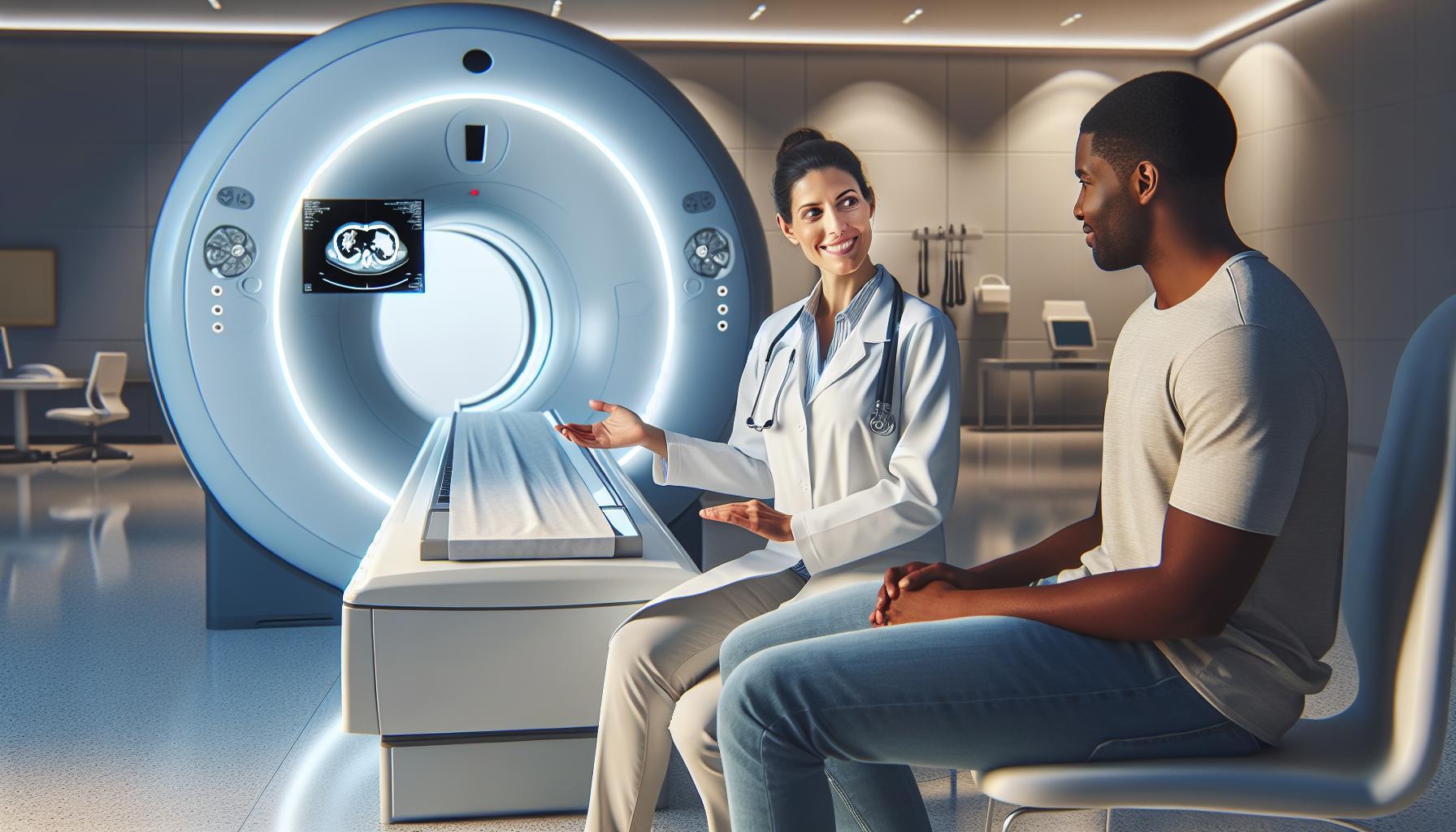
Colon cancer is a leading cause of cancer-related deaths, making early detection crucial for effective treatment. Computed Tomography (CT) scans are an invaluable tool in this process, providing detailed images of the colon that can help identify abnormalities potentially indicative of cancer. Understanding how a CT scan can reveal colon cancer can empower patients to take charge of their health and engage in informed discussions with their healthcare providers.
Many individuals may find themselves anxious when facing a CT scan, wondering whether it truly provides conclusive results or if alternative methods are necessary. This exploration aims to demystify how CT scans function in the context of diagnosing colon cancer, addressing common concerns and highlighting the significance of thorough communication with healthcare professionals. By the end, readers will feel more informed about what to expect from this imaging technique and how it fits into the broader picture of colon cancer screening and diagnosis. Understanding these aspects will help alleviate fears and clarify the pivotal role CT scans play in health assessments.
Understanding Colon Cancer: What You Need to Know
Understanding colon cancer involves recognizing it as one of the most common cancers affecting individuals, particularly as they age. Colon cancer typically begins as small clumps of cells (adenomatous polyps) that can develop into cancerous tumors over time. Early detection is crucial, as the earlier stage cancer is diagnosed, the more effective treatment options tend to be. Awareness of symptoms, such as changes in bowel habits, unexplained weight loss, or blood in the stool, can lead to timely medical evaluation and potential screening.
When discussing colon cancer detection, CT scans play an essential role. These imaging techniques can identify abnormalities in the colon and rectum, including the presence of tumors or polyps. A CT scan, or computed tomography scan, combines multiple X-ray images taken from different angles and uses computer processing to create cross-sectional images of bones, blood vessels, and soft tissues, including the organs in the abdomen. It is a non-invasive method that allows healthcare providers to see detailed images of the colon, benefiting patients who may be unwilling or unable to undergo more traditional procedures like colonoscopy.
Despite their advantages, CT scans have limitations. They may not always provide conclusive results regarding the presence of cancer, as some non-cancerous conditions can appear similar to cancerous ones. Furthermore, while CT scans can detect larger tumors, smaller polyps might go unnoticed. This uncertainty emphasizes the need for follow-up procedures, such as biopsies, where tissue samples can be examined for malignancy, confirming a diagnosis.
As patients approach their healthcare provider for evaluations or scans, it can be helpful to be informed and prepared. Discussing the reasons for performing a CT scan, what the results may indicate, and any alternative imaging techniques can empower patients in their healthcare journey. It’s important for individuals to remain proactive, ask pertinent questions, and seek clarification on any concerns regarding the detection and implications of colon cancer.
How CT Scans Detect Colon Abnormalities
CT scans are a powerful tool in the early detection of colon abnormalities, including cancer. Utilizing advanced imaging technology, they can reveal insights that other methods might miss. When a CT scan is performed, the machine takes multiple X-ray images of the body from different angles. These images are then compiled by a computer to create detailed cross-sectional views of the abdomen and pelvis, providing healthcare providers with a comprehensive look at the colon’s structure and any potential abnormalities.
One of the primary advantages of CT scans is their ability to visualize large masses or polyps that could indicate the presence of colon cancer. These scans can provide a more detailed view than standard X-rays or even some other imaging modalities. In many cases, CT scans can help detect tumors that may not yet be symptomatic, which is crucial for effective early intervention. This non-invasive procedure is particularly beneficial for individuals who may be apprehensive about more invasive techniques like colonoscopy.
During the scan, patients lie on a table that moves through a doughnut-shaped machine, and the entire process generally lasts only a few minutes. Contrast material may be administered orally or through an IV to enhance image clarity. This contrast helps differentiate between healthy and abnormal tissue, making it easier for radiologists to identify any suspicious areas. Following the scan, the resulting images are meticulously examined for signs of abnormalities, such as unusual growths or changes in the tissue that could signify cancer.
Despite their utility, it’s important to note that CT scans are not infallible. They are more effective at identifying larger tumors and may miss smaller polyps or early-stage cancer, leading to a potential false sense of security. As such, they are often part of a broader diagnostic process that may include follow-up imaging, additional tests, or biopsies for definitive diagnosis. Keeping an open line of communication with healthcare professionals about the results and subsequent steps is essential for optimal patient care and peace of mind.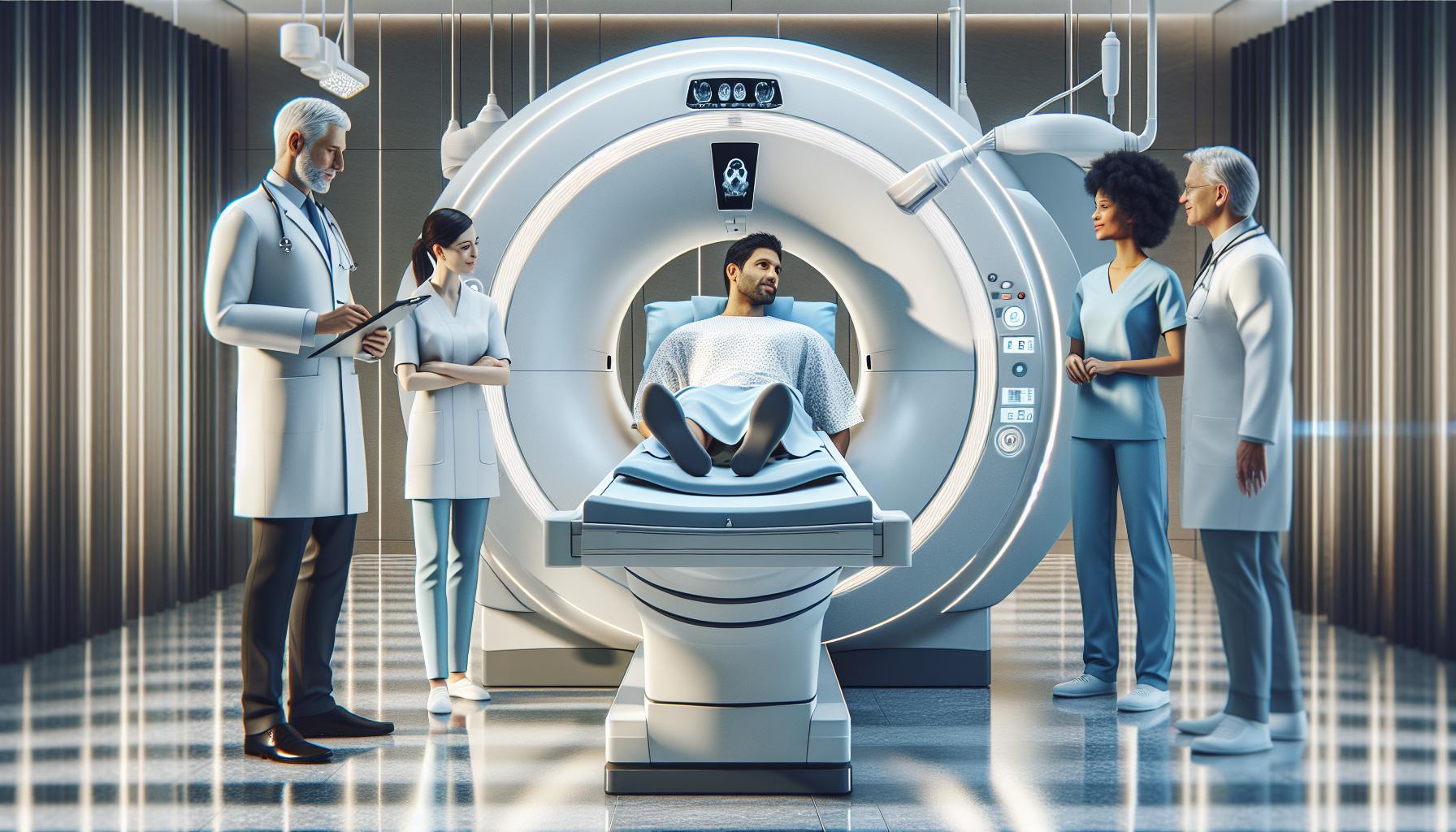
The CT Scan Process: What to Expect
Undergoing a CT scan can be an anxiety-inducing experience, especially when you are concerned about possible colon cancer. Understanding the process can help alleviate some of that apprehension. A computed tomography (CT) scan utilizes advanced imaging technology to capture detailed cross-sectional images of the abdomen and pelvis, offering healthcare professionals vital information about the colon and potential abnormalities.
Before the procedure, it’s common for your healthcare team to provide specific preparation instructions to ensure clear images. This might include dietary restrictions, such as avoiding solid foods for a period leading up to the scan, or drinking a contrast material that aids in visualizing the colon more effectively. If an intravenous (IV) contrast is used, it may be administered right before the scan to help differentiate between healthy and abnormal tissues.
During the scan, you will lie on a comfortable table that moves through the CT machine, which looks like a large, doughnut-shaped device. While inside, you may hear humming or clicking noises, but rest assured, the procedure is quick-typically lasting only 10 to 30 minutes. The radiologic technician will instruct you to remain still and may ask you to hold your breath for short moments to capture the best images. A contrast material may cause a warm sensation in your body, but this is temporary and not harmful.
After the scan, a radiologist will analyze the images for signs of abnormalities such as polyps or tumors. Results are generally available within a few days, and your doctor will discuss the findings with you, helping you understand what they mean concerning your health. Remember, while CT scans are a powerful tool for detecting colon issues, they are just one part of a comprehensive diagnostic process.
Lastly, managing your expectations and feelings about the scan is crucial. Many patients find it helpful to talk through their concerns with their doctor or a supportive family member before the appointment. Having knowledge about what to expect can significantly improve your comfort level during this important step in your health journey.
Preparing for Your CT Scan: Step-by-Step Guide
Undergoing a CT scan can be an essential step in the detection and monitoring of colon health, providing crucial insights that help guide your care. Proper preparation for the scan can ensure that the results are as clear and informative as possible. Here’s a straightforward guide to help you get ready.
Start by consulting with your healthcare provider well in advance of your appointment. They will offer specific instructions tailored to your individual needs, which may include dietary modifications. Often, patients are advised to avoid solid foods for a specified period prior to the scan-typically 4 to 6 hours-to ensure that the images are unobstructed by any food in the digestive tract. Staying hydrated is also critical, and you may be encouraged to drink clear liquids in the hours leading up to the scan.
If your healthcare team recommends the use of contrast material to enhance the imaging, you may need to drink a specific liquid or receive it through an IV during the procedure. This material helps differentiate between various tissues and improves visibility of the colon. It’s advisable to discuss any allergies, particularly to iodine, with your medical team beforehand, as this could impact your use of the contrast material.
On the day of the scan, wear loose-fitting clothing without any metal fasteners, zippers, or chains that could interfere with the imaging process. If you’re wearing any accessories like jewelry, make sure to remove them prior to entering the scanning room. Arrive early to allow time for any last-minute instructions and to help you feel more at ease. Take a moment to breathe deeply and reassure yourself about the process; CT scans are typically quick and performed in a comfortable setting.
Lastly, don’t hesitate to ask questions if you have uncertainties about the procedure or preparation. Engaging openly with your healthcare provider can help alleviate anxiety. They are there to support you and ensure that you have a positive experience. Remember that preparing thoroughly today will contribute to the clarity of the results tomorrow, ultimately aiding in a more accurate diagnosis and better overall care.
Interpreting CT Scan Results: Key Indicators of Cancer
Understanding how to interpret the results of a CT scan can be incredibly empowering, especially when it comes to detecting colon abnormalities. CT scans are pivotal tools in the diagnosis of colon cancer, as they provide detailed cross-sectional images of the abdomen that help identify any unusual growths or changes in tissue. Knowing what to look for in these images can enhance your understanding and facilitate informed conversations with your healthcare provider.
When examining CT scan results for indicators of colon cancer, there are several key features radiologists often assess. Masses or lesions within the colon are primary indicators; a suspicious mass may appear as an irregularly shaped area that stands out from surrounding tissues. Additionally, changes in the wall of the colon, such as thickening, can indicate potential malignancy. Enlarged lymph nodes, particularly in the abdominal region, may also raise suspicion, as cancer can spread through the lymphatic system. Fluid accumulation or unexplained changes in surrounding structures may further prompt further investigation.
For clarity, your radiologist may look for patterns consistent with colon malignancies. For instance, the presence of calcifications or specific shapes of masses can help distinguish benign polyps from malignant tumors. Furthermore, a CT scan may allow for the assessment of metastasis, where cancer cells spread to other parts of the body, identified through the appearance and size of distant lesions or other affected organs.
After receiving your results, it’s natural to have questions. It’s crucial to engage your healthcare team, who can explain nuances in your scan and address concerns. This collaborative approach can alleviate anxiety, ensuring you clearly understand the findings and next steps. Remember, while CT scans are vital in identifying possible cancers, definitive diagnosis often requires further testing, such as a biopsy. Empower yourself with questions and stay informed; your health and understanding go hand-in-hand.
Common Misinterpretations of CT Scan Findings
Misunderstandings regarding CT scan findings can lead to unnecessary anxiety and confusion, especially when evaluating for conditions like colon cancer. One common misinterpretation is mistaking benign findings for malignancies. For example, small polyps or simple cysts may sometimes appear concerning on a scan due to their size, shape, or location. However, many of these anomalies are non-cancerous, highlighting the need for a thorough analysis by a healthcare professional who can contextualize these findings based on your overall health.
Understanding Variability in Imaging
The way structures appear on a CT scan can vary widely among patients, making it easy to misread certain features without the proper expertise. Factors such as patient anatomy, the presence of prior surgeries, or even variances in the imaging technique can result in different interpretations of the same scan. For instance, some may interpret inflammatory changes, like diverticulitis, as potential signs of malignancy due to wall thickening. It’s essential that patients discuss their specific images with qualified radiologists who can provide clarity and explain what they truly indicate about potential health concerns.
Importance of Contextual Information
Another important aspect to remember is that a CT scan is just one piece of the diagnostic puzzle. Many physicians will supplement CT findings with additional tests, such as MRIs or colonoscopies, to confirm or rule out cancer. These additional assessments can provide a clearer picture, which highlights why relying solely on CT scan results can be misleading. A suspicious finding on a CT does not automatically mean cancer is present; it may require further investigation to reach an accurate diagnosis.
To navigate the complexities of CT scan results effectively, it’s crucial for patients to have open discussions with their healthcare providers. Bringing up any concerns and asking questions about what specific findings might mean can help demystify the process and alleviate fears. Remember, while imaging tools like CT scans are essential for early detection, they are not foolproof, and only further testing can lead to definitive conclusions about cancer presence or absence.
Limitations of CT Scans in Diagnosing Colon Cancer
While CT scans are invaluable tools in detecting colon abnormalities, their limitations must be acknowledged. For one, a CT scan may not detect small lesions, such as early-stage cancers or very small polyps, which can be critical in a thorough evaluation of colon health. The resolution of the imaging can play a major role in this; small structures may be overlooked or appear ambiguous on the scan. Moreover, the presence of fecal matter or fluid in the colon can obscure clear images, further complicating the assessment and potentially leading to missed diagnoses.
Another significant limitation is the potential for false positives. CT scans can sometimes identify areas of concern that may not indicate cancer but represent benign conditions, such as inflammation or infections. This scenario can create undue anxiety and lead to unnecessary follow-up procedures. In contrast, benign findings might be interpreted as significant abnormalities, illustrating why expert evaluation is crucial in interpreting CT results. A healthcare professional is essential in differentiating between harmless and potentially serious findings based on the patient’s full medical history and additional diagnostic tests.
Context Is Key
It’s essential to understand that CT scans are one part of a comprehensive diagnostic strategy. Physicians often rely on a combination of imaging, endoscopic assessments like colonoscopies, and laboratory tests to form a complete picture. This multidisciplinary approach allows for a better assessment of any inconsistencies found in a CT scan and ensures that any concerns are thoroughly addressed. Patients should not hesitate to discuss their CT results with their doctors and ask for clarifications on any findings that seem concerning or confusing.
Lastly, the emotional aspect of waiting for results can exacerbate worry and fear for patients. Understanding these limitations can prepare individuals better for what to expect and reduce anxiety by emphasizing the importance of follow-up evaluations. Consulting with healthcare providers for personalized guidance and clarifications will empower patients, helping them navigate their health proactively. This cooperative approach ensures that patients have the necessary support to make informed decisions regarding their healthcare journey.
Alternative Imaging Techniques for Colon Cancer Detection
While CT scans are commonly used in the detection of colon cancer, healthcare providers may recommend several alternative imaging techniques to ensure a comprehensive evaluation of colon health. Among these techniques, a colonoscopy remains the gold standard for directly visualizing the interior of the colon and identifying abnormal growths such as polyps or tumors. This procedure involves the insertion of a flexible tube with a camera through the rectum, allowing doctors to view and potentially biopsy suspicious areas during the examination.
Another alternative is Magnetic Resonance Imaging (MRI), which can provide detailed images of soft tissues, including the colon. MRI is particularly useful for assessing the extent of cancer if diagnosed, offering a clearer picture of surrounding tissues and organs. It’s often combined with a rectal gel or contrast material to enhance image quality. While MRI is less commonly used for initial colon evaluation due to its cost and availability, it plays a significant role in follow-up assessments.
Ultrasound is another technique sometimes employed, mainly in settings where patients may have contraindications for CT or MRI scans. Though it is typically less effective for directly visualizing the colon, it can help evaluate surrounding structures and detect some abnormalities.
Lastly, a more recent advancement is the use of capsule endoscopy, where a patient swallows a small camera that takes thousands of pictures of the digestive tract as it passes through. This method is particularly useful when traditional colonoscopy is not feasible and provides an alternative way to visualize the intestines without sedation.
Understanding these alternatives equips patients with knowledge to discuss with their healthcare providers and make informed decisions about their colon health. Always consult with a healthcare professional to determine the best imaging technique based on individual health needs and circumstances. This cooperative approach ensures patients feel supported and empowered throughout their diagnostic journey.
The Role of Biopsies in Confirming Diagnosis
A biopsy is a critical procedure in confirming a diagnosis of colon cancer, serving as the definitive method to determine whether an abnormal growth is cancerous. While imaging techniques like CT scans can reveal potential issues such as tumors or polyps, they do not provide the cellular detail needed for a conclusive diagnosis. During a biopsy, a portion of tissue from the suspicious area is removed and examined under a microscope. This microscopic analysis can confirm the presence of cancer cells, providing clarity that imaging tests alone cannot supply.
Types of Biopsies
There are several types of biopsies that may be utilized, depending on the location and nature of the suspected cancer:
- Endoscopic Biopsy: Performed during a colonoscopy, where a flexible tube with a camera is inserted into the rectum to visualize the colon. If a suspicious area is found, the doctor can take a sample for analysis.
- Core Needle Biopsy: This involves taking a larger sample of tissue using a hollow needle, often guided by imaging techniques to ensure precise targeting of the tumor.
- Excisional Biopsy: In some cases, an entire tumor or abnormal growth may be removed for testing, providing a comprehensive view of the tissue.
Once the tissue sample is collected, it is sent to a laboratory where pathologists analyze the cells. They look for specific markers that indicate cancer, such as abnormal cell growth patterns or the presence of certain proteins. The results typically take a few days to a week, and doctors will discuss the findings with patients in a follow-up appointment.
Importantly, understanding these results is crucial for creating an effective treatment plan. For many patients, the prospect of undergoing a biopsy may bring about anxiety, but it’s essential to remember that this procedure is a vital step in ensuring appropriate treatment options are available. By collaborating closely with healthcare professionals, patients can gain reassurance and clarity about their diagnosis, guiding them through the next steps in their care journey.
What Happens After a Positive CT Scan?
Receiving a positive result from a CT scan can provoke feelings of anxiety and uncertainty, but understanding the next steps can provide reassurance and clarity. When a CT scan suggests the presence of abnormalities such as tumors or polyps, the first thing to remember is that this is just a preliminary finding. While CT scans are valuable tools that can highlight areas of concern, they do not provide a definitive diagnosis. Consequently, your healthcare team will likely recommend further evaluation to clarify the findings.
Consulting Your Healthcare Provider
The first step after a positive CT scan is to have an open discussion with your healthcare provider. They will explain the findings in detail, often discussing what the images indicate and the potential next steps. This may involve further diagnostic imaging, such as an MRI or PET scan, which can offer more detailed views. In many cases, a biopsy is warranted to obtain samples from the suspicious area, thereby allowing pathologists to analyze the cells for cancerous properties. It’s essential to ask questions during this consultation, such as the risks associated with additional tests or the timeline you should expect for results.
Preparing for Further Testing
As you prepare for any subsequent procedures, consider the following practical tips:
- Understand the Process: Research the types of tests you may undergo and what to expect from the procedures.
- Follow Pre-Test Instructions: Your doctor will provide specific recommendations, whether related to fasting, medication adjustments, or other preparation steps.
- Plan Questions: Write down concerns or questions about your diagnosis, treatment options, and what potential next steps might entail.
Remember, while these procedures can be daunting, each is a vital part of confirming a diagnosis and determining the most effective treatment options.
Emotional Support and Resources
Experiencing a potential cancer diagnosis can be overwhelming, and it’s important to address emotional well-being during this time. Seek support from friends, family, or professional counselors who can help you navigate your feelings. Many hospitals and cancer centers offer resources such as support groups, which can provide comfort through shared experiences.
Additionally, educating yourself about colon cancer, treatment options, and the latest research can empower you to engage in informed discussions with your medical team. Above all, continue to communicate openly with your healthcare providers, ensuring any of your concerns are adequately addressed as you move forward in this journey.
Financial Considerations: Cost of CT Scans and Insurance Cover
Navigating the financial aspects of healthcare can be daunting, especially when it comes to procedures like CT scans that may be essential for diagnosing colon cancer. The costs associated with these scans can vary widely depending on several factors, such as geographic location, facility type, and the specifics of your health insurance plan. Typically, the price of a CT scan ranges from $300 to $3,000 or more. Without insurance, patients may face the higher end of that spectrum, which can add to the stress during an already challenging time.
Understanding your insurance coverage is crucial. Most health insurance plans cover CT scans when deemed medically necessary. However, patients are encouraged to check with their insurance provider regarding specifics, such as copayments, deductibles, and any pre-authorization requirements that may be needed before the scan. It’s also helpful to inquire whether the facility where the scan will be conducted is in-network, as this can significantly reduce out-of-pocket expenses.
Budgeting for Unexpected Costs
As you prepare for a potential CT scan, it’s wise to budget for additional costs that may arise. For instance, if your scan indicates the need for further imaging or a biopsy, these procedures will incur their own costs. Being proactive about estimating these expenses can reduce anxiety related to financial uncertainties. Here are a few tips:
- Establish a Dialogue: Talk to your healthcare provider and billing department about potential costs associated with your care. They can provide guidance on what to expect financially.
- Explore Financial Assistance: Many hospitals and imaging centers offer financial assistance programs for patients struggling with costs related to necessary medical procedures.
- Payment Plans: In some cases, facilities may allow for payment plans that can make managing expenses more manageable.
The financial implications of medical procedures, including CT scans, can feel overwhelming, but being informed and prepared can ease some of that burden. By knowing your insurance details and discussing costs with your healthcare provider, you can focus more on your health and less on the financial strain during this important time. Always consider consulting with a financial advisor or a healthcare financial advocate to explore avenues for support and advice tailored to your situation.
Talking to Your Doctor: Questions to Ask About Your Results
Understanding the nuances of CT scan results can be overwhelming, especially when facing the possibility of colon cancer. It’s essential to approach your discussions with your healthcare provider armed with thoughtful questions to clarify your results and what they mean for your health. Begin by asking, “What do my CT scan results indicate?” This simple yet crucial question helps establish a foundation for understanding your diagnosis. Your doctor can explain whether any abnormalities were found and how they relate to potential colon cancer or other conditions.
Next, inquire about the specific characteristics of any identified abnormalities. Questions like “How do the findings compare to typical indicators of colon cancer?” and “Are there any features that suggest a benign condition instead?” can provide valuable context. Knowing the distinction between benign and malignant abnormalities can help lessen your fears while facilitating clearer communication with your physician.
It’s also pivotal to understand the next steps. Ask, “What additional tests or procedures do you recommend based on these results?” This inquiry demonstrates your willingness to engage actively with your healthcare plan while ensuring you’re informed about further diagnostics, such as colonoscopy or biopsy, which may be required for a definitive diagnosis. Additionally, address any concerns you may have about treatment options by asking “What treatment pathways are available if cancer is confirmed?” This helps in mapping out potential scenarios, making the process feel less daunting.
Finally, don’t forget the emotional weight of this journey. Asking “What resources or support are available for patients facing similar diagnoses?” can connect you with supportive communities and professional resources that can make a significant difference. Being proactive in your discussions not only empowers you but also fosters a collaborative relationship with your healthcare team, ultimately leading to better-informed decisions about your health.
Taking a proactive approach to discussing your CT scan results can not only clarify your diagnosis but also alleviate anxiety, enabling you to focus on the steps ahead. Always remember, your healthcare team is there to guide you through this challenging journey, and your inquiries can lead to better health outcomes and peace of mind.
Q&A
Q: Can a CT scan definitively diagnose colon cancer?
A: A CT scan can suggest the presence of colon cancer by identifying abnormalities, but it cannot definitively diagnose cancer. Further testing, such as a biopsy, is necessary to confirm a diagnosis. For more information, refer to the section “The Role of Biopsies in Confirming Diagnosis.”
Q: What are common signs of colon cancer that a CT scan can detect?
A: Common signs of colon cancer that a CT scan may detect include masses or tumors, thickening of the colon walls, and enlarged lymph nodes. These indicators help healthcare professionals in assessing the presence of cancer.
Q: How accurate are CT scans in detecting colon cancer?
A: CT scans are generally accurate in identifying abnormal growths in the colon, but they have limitations. False positives and negatives can occur, which is why complementary tests may be recommended. See “Limitations of CT Scans in Diagnosing Colon Cancer” for details.
Q: What should you do if a CT scan shows suspicious results for colon cancer?
A: If a CT scan shows suspicious results, consult your doctor promptly for further evaluation. This may include additional imaging or a biopsy. The article’s section, “What Happens After a Positive CT Scan?” provides further guidance.
Q: Are there alternative screening methods for colon cancer besides CT scans?
A: Yes, alternative screening methods for colon cancer include colonoscopy, stool tests, and MRI. Each method has its advantages and disadvantages, which are discussed in the article’s section on “Alternative Imaging Techniques for Colon Cancer Detection.”
Q: How often should I get a CT scan to monitor for colon cancer?
A: The frequency of CT scans for monitoring colon cancer depends on individual risk factors and prior findings. Discuss your specific situation with your doctor to establish an appropriate schedule, as outlined in the “Talking to Your Doctor” section.
Q: What lifestyle changes can reduce the risk of colon cancer?
A: To reduce the risk of colon cancer, maintain a healthy diet rich in fruits and vegetables, exercise regularly, avoid tobacco, and limit alcohol consumption. For a comprehensive understanding, refer to “Understanding Colon Cancer: What You Need to Know.”
Q: Can CT scans detect metastasis from colon cancer?
A: Yes, CT scans can effectively detect metastasis from colon cancer, identifying spread to other organs. This is crucial for staging the cancer and formulating a treatment plan. For more on cancer progression, see “Interpreting CT Scan Results: Key Indicators of Cancer.”
To Wrap It Up
Understanding how CT scans can reveal colon cancer is crucial for proactive health management. While these scans are powerful tools, it’s essential to remember that they’re just one part of a comprehensive diagnostic process. If you have further questions or concerns, don’t hesitate to consult a healthcare professional who can provide personalized guidance tailored to your situation.
For deeper insights, consider exploring our articles on the importance of early detection in cancer screening and patient preparation for imaging procedures. Additionally, if you’re considering a CT scan, check our guide on what to expect during the process, including preparation tips and how to interpret your results.
Empower yourself with knowledge and stay informed-sign up for our newsletter for the latest updates and expert insights straight to your inbox. Your health is worth it, and taking the next step could be vital. Join our community, share your thoughts in the comments, and continue your journey toward understanding your health better.