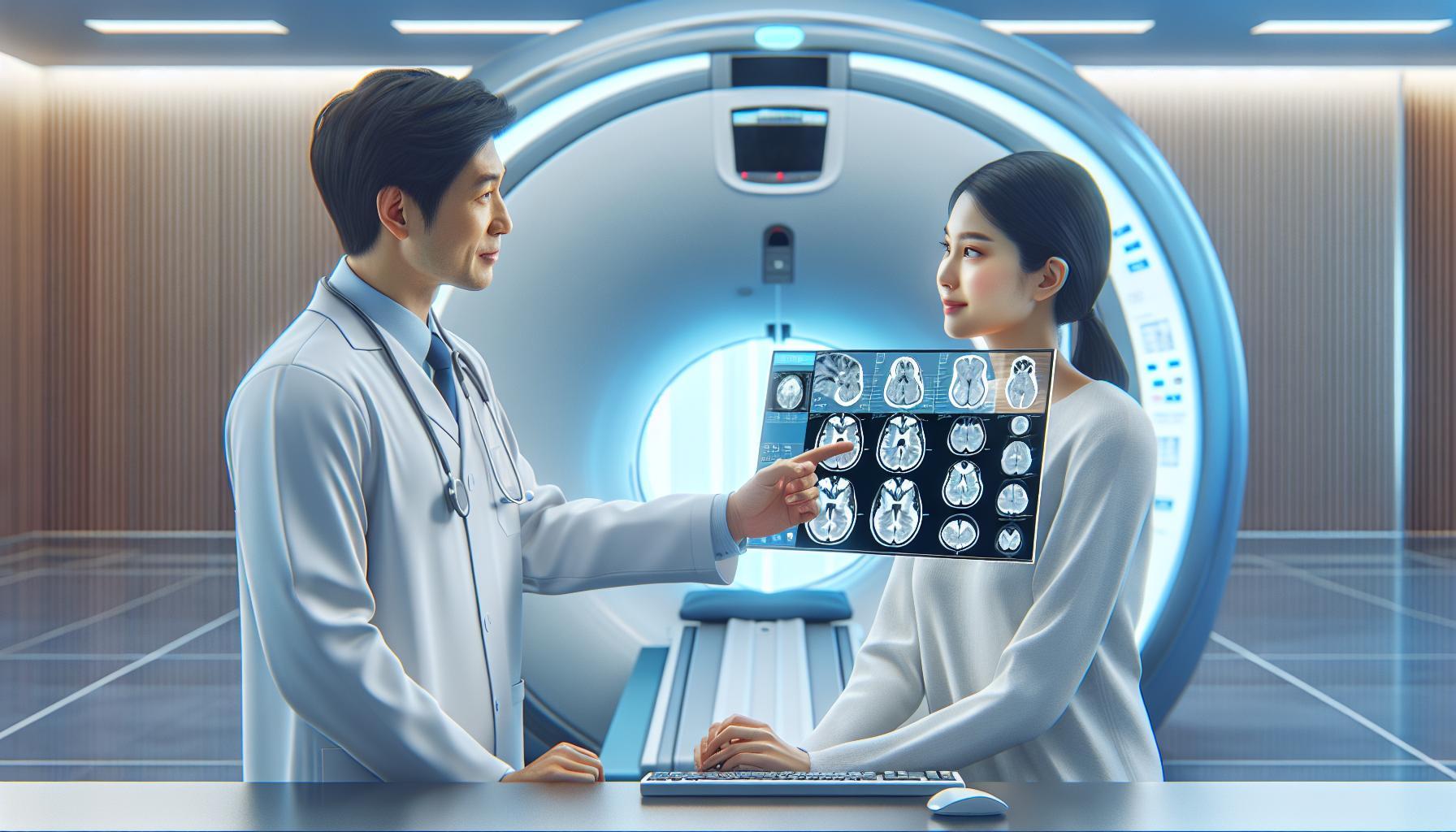
Navigating the complexities of neurological health can be daunting, especially when it comes to understanding how various imaging techniques, such as CT scans, reveal information about nerve damage. While a computed tomography (CT) scan is a powerful tool for visualizing internal structures, many patients wonder: can it effectively show nerve damage? This question is particularly relevant for individuals experiencing unexplained symptoms or chronic pain, making it essential to know the capabilities and limitations of these scans.
As you read on, we will explore the nuances of CT scans in detecting nerve injuries and the factors that may influence the results. Understanding these limitations can empower you to have informed discussions with your healthcare provider, ensuring you receive the most appropriate imaging and care tailored to your situation.
Understanding CT Scans and Nerve Damage
In the realm of medical imaging, CT scans serve as powerful tools for diagnostic insight, yet they have limitations when it comes to assessing nerve damage. While CT scans are excellent for visualizing structural changes in tissues, they may not effectively reveal subtle nerve injuries or the functional status of nerves. This limitation is particularly relevant when evaluating conditions such as neuropathies or nerve compression syndromes, where the intricacies of nerve structure are crucial for accurate diagnosis and treatment planning.
One of the primary strengths of CT scans lies in their ability to provide detailed images of bones and surrounding tissues. This makes them invaluable for diagnosing fractures, tumors, and other conditions that could indirectly affect nerve health. However, they do not capture nerve activity or provide clear images of nerve fibers unless there are significant abnormalities. For instance, a CT scan might show a herniated disc pressing on a nerve root, but it cannot elucidate the extent of nerve damage or functionality following that compression.
Given these limitations, other imaging techniques often complement CT scans for a comprehensive assessment of nerve damage. MRI (Magnetic Resonance Imaging) stands out as a superior option for evaluating soft tissues, including nerves. It provides clear images of nerve structures and can detect changes that CT scans may overlook. Electromyography (EMG) and nerve conduction studies (NCS) are also instrumental in directly assessing nerve function, making them valuable adjuncts in the diagnostic process.
By understanding these aspects of CT scans in relation to nerve damage, patients can approach their diagnostic journey with clearer expectations. It’s always advisable to have a detailed discussion with healthcare professionals who can recommend the most appropriate imaging techniques based on individual symptoms and conditions. This collaborative approach ensures a thorough evaluation and aids in developing effective treatment plans tailored to patient needs.
What a CT Scan Can Reveal About Nerve Damage
In the world of medical imaging, CT scans hold a vital role by providing insight into various health conditions, including some aspects of nerve damage, although their capabilities have limitations. When a patient presents with symptoms suggestive of nerve issues-such as pain, weakness, or numbness-a CT scan can be crucial in assessing the underlying anatomical structures that may be affecting nerve function. For instance, a CT scan can effectively identify conditions like herniated discs or tumors that may compress nerves, revealing structural changes that could lead to nerve symptoms.
A CT scan operates by taking multiple X-ray images from different angles, which are then processed by a computer to create cross-sectional images of the body. This allows for a detailed view of the bones, soft tissues, and organs. While it excels in visualizing obvious problems-such as fractures or significant lesions-it’s important to note that subtle nerve injuries or microstructural changes often evade detection. Thus, while you might see a herniated disc pressing on a nerve root, the CT scan may not clearly indicate the extent of damage to the nerve itself or its functional status post-compression.
Patients should understand that while CT scans can provide valuable information about structural issues that may lead to nerve problems, they do not offer a complete picture of nerve health. For a comprehensive understanding of nerve function and potential damage, imaging modalities such as MRI or diagnostic tests including electromyography (EMG) and nerve conduction studies (NCS) are often necessary. These methods are designed to assess the nerves more directly, helping to paint a full diagnostic picture rather than relying solely on CT imaging.
In summary, CT scans can reveal important insights related to nerve damage by highlighting structural abnormalities that could have implications for nerve health. However, they should be viewed as one component of a multifaceted diagnostic approach. Always consult a healthcare professional to discuss the most suitable imaging strategies based on your individual condition and symptoms. This collaborative dialogue between patient and provider is essential for ensuring comprehensive care and effective treatment planning.
Limitations of CT Scans for Neurological Imaging
In the realm of neurological imaging, CT scans serve as a valuable tool for visualizing structural issues, but they come with important limitations when it comes to assessing nerve damage. While these scans can effectively highlight significant anatomical changes, such as herniated discs or tumors, their ability to diagnose subtle nerve injuries is often constrained. This is largely due to the nature of the imaging technique, which primarily focuses on the bones and major soft tissues, often bypassing finer details related to individual nerves.
One of the most critical limitations of CT scans is their reduced sensitivity in detecting nerve-related pathologies. For instance, while a CT may reveal that a disc is protruding into the spinal canal, it may not adequately convey the extent of any resulting nerve dysfunction or damage. Microstructural changes, such as swelling or inflammation of a nerve, often elude CT scans entirely, requiring alternative imaging methods that focus more specifically on nerve health.
Furthermore, CT scans utilize ionizing radiation, which raises concerns, particularly for individuals requiring multiple scans over time. This element adds another layer of caution, as repeated exposure could pose health risks, especially in vulnerable populations like children. Because of these factors, healthcare providers frequently complement CT imaging with other diagnostic tools, such as MRI, which provides clearer images of soft tissues, and electromyography (EMG) or nerve conduction studies (NCS) that can assess nerve function and health more directly.
For those experiencing symptoms suggestive of nerve damage, understanding these limitations is crucial. While a CT scan may uncover significant findings related to structural abnormalities, it should not serve as the sole basis for a diagnosis concerning nerve health. Close collaboration with healthcare professionals is essential to determine the most appropriate imaging methods tailored to individual needs, ensuring that patients receive an accurate and comprehensive assessment of their neurological condition.
When to Use CT Scans vs. Other Imaging Techniques
CT scans are a prevalent choice in medical imaging, often serving as the first line of assessment for various conditions due to their speed and effectiveness in visualizing detailed internal structures. However, knowing when to choose a CT scan over other imaging techniques is essential, especially in cases involving potential nerve damage. While CT scans excel in identifying structural abnormalities, such as fractures or large tumors, their utility in assessing fine nerve details can be limited.
For situations where significant anatomical alterations are suspected, such as broken bones or bleeding, CT scans can be incredibly beneficial. Conversely, when nerve damage is suspected, healthcare professionals may lean towards MRI or electromyography (EMG). An MRI uses magnetic fields and radio waves to generate highly detailed images of soft tissues, making it superior for visualizing nerves, muscles, and the brain. This imaging technique can effectively highlight issues like nerve compressions or subtle inflammation that a CT scan might miss. EMG and nerve conduction studies provide direct insights into nerve function, highlighting problems in nerve transmission that CT scans cannot assess.
Understanding these distinctions empowers patients to engage in informed discussions with their healthcare providers. It’s important to consider not only the type of injury but also any specific symptoms one might be experiencing. For instance, feelings of tingling or numbness may warrant a more nuanced imaging approach than what a CT scan can provide. In many cases, practitioners will recommend a combination of imaging modalities to create a comprehensive overview that adequately addresses a patient’s condition.
In summary, while CT scans are invaluable for diagnosing many medical conditions, recognizing their limitations in detecting nerve damage can lead to more accurate and effective treatment plans. For patients worried about their symptoms, consulting with healthcare professionals about the most appropriate imaging options is essential for ensuring that they receive a thorough evaluation tailored to their specific needs.
Alternative Imaging Methods for Assessing Nerve Damage
A variety of advanced imaging techniques have been developed to assess nerve damage effectively, providing insights that a CT scan may not reveal. Among these methods, Magnetic Resonance Imaging (MRI) stands out as a premier choice, particularly for examining soft tissues, including nerves and muscles. Using a combination of magnetic fields and radio waves, an MRI generates high-resolution images that can highlight subtle changes in nerve structure, nerve compression, or surrounding inflammation, which are critical for diagnosing conditions like herniated discs or spinal stenosis.
Another valuable option is Electromyography (EMG) coupled with nerve conduction studies. This technique evaluates the electrical activity of muscles and measures how well the nerves can transmit signals. By inserting small electrodes into the muscle and recording electrical activity, EMG can detect issues like nerve damage or neuromuscular disorders. Nerve conduction studies complement this by measuring the speed and strength of signals traveling along nerves, providing direct evidence of nerve functionality.
In addition to MRI and EMG, ultrasound imaging is increasingly being utilized in the assessment of nerve conditions. This non-invasive method uses sound waves to create images of nerves and surrounding tissues. Ultrasound can be particularly effective for identifying conditions such as carpal tunnel syndrome, allowing for real-time observation of nerve movement and surrounding structures.
While these alternative imaging methods each have their strengths, a healthcare professional will consider the specific symptoms and clinical history before recommending the most appropriate technique. Patients are encouraged to discuss their concerns and potential imaging options with their healthcare team to ensure a comprehensive evaluation tailored to their unique situation. Understanding these options helps demystify the process and empowers patients to take an active role in their healthcare journey.
Preparing for a CT Scan: What You Need to Know
Preparing for a CT scan can feel overwhelming, but understanding the process can significantly ease any anxiety you may have. This advanced imaging technique helps reveal critical information about your body, but knowing what to expect will help you feel more at ease and prepared. In the case of assessing nerve damage, a CT scan may provide insights, but it’s essential to have a solid grasp on the steps to take before your appointment.
Prior to the scan, you will likely receive specific instructions from your healthcare provider. These may include dietary restrictions, especially if a contrast material is to be used. Typically, fasting for a few hours before the exam is necessary. It’s crucial to follow these guidelines closely to ensure optimal imaging results. Additionally, inform your healthcare team about any medications you are taking, allergies, or if there is a possibility of pregnancy, as this will affect the scanning process and safety measures.
On the day of your CT scan, wear comfortable clothing without metal fasteners or zippers, as these can interfere with the imaging. If you are required to change into a gown, your healthcare provider will guide you through this process. Specifically for individuals concerned about nerve issues, bringing a list of symptoms and questions can facilitate a productive discussion with your radiologist before the scan.
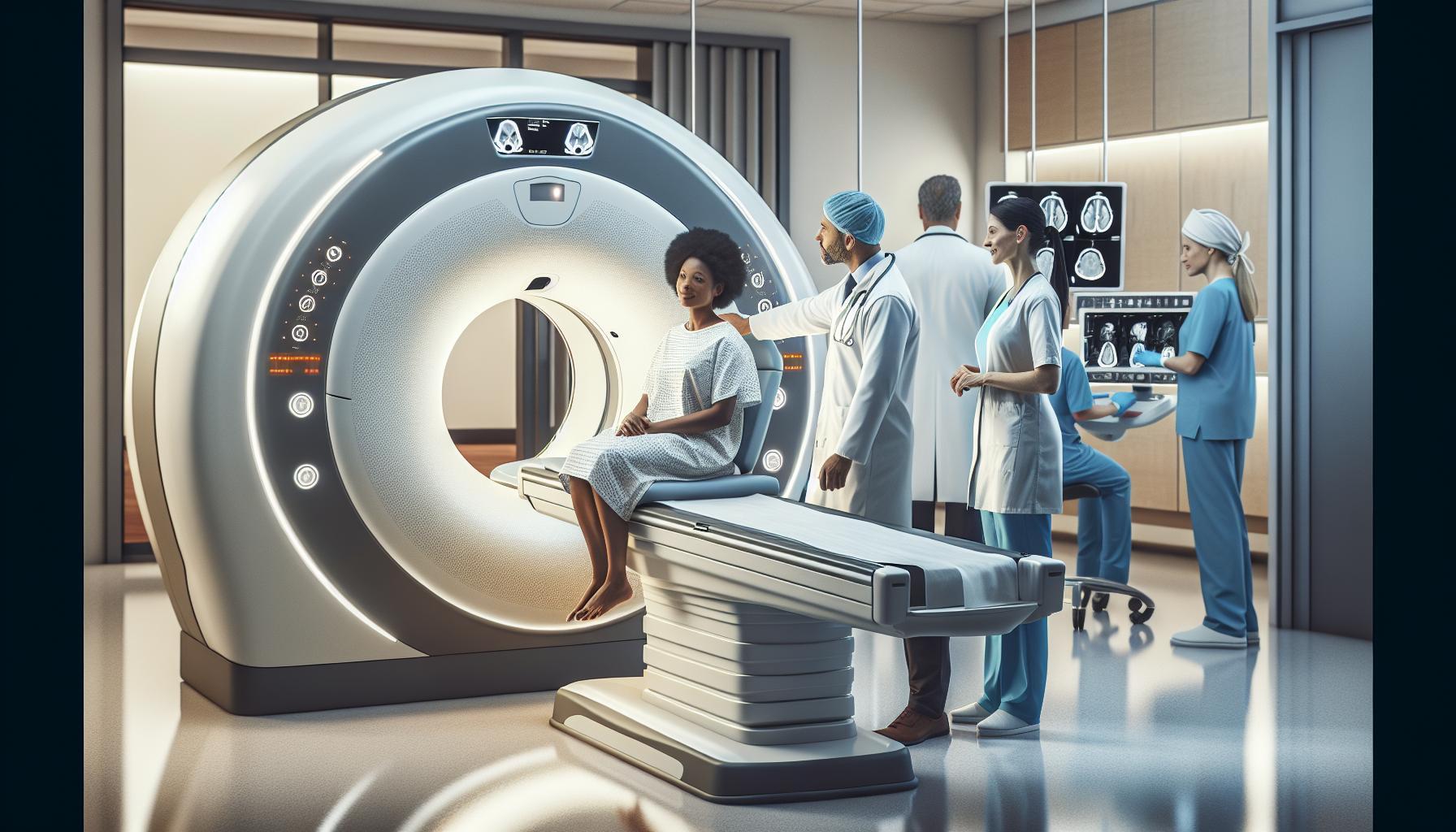
Lastly, remember that the CT scan itself is a quick and non-invasive procedure. You’ll be positioned on a table that moves you into the scanning machine, and you may be asked to hold your breath briefly while images are taken. Knowing these details ahead of time can alleviate stress and uncertainty, allowing you to focus on your health and follow-up care. Always remember that your healthcare provider is your best resource for any questions or concerns regarding your readiness for the CT scan and its purpose.
How to Interpret CT Scan Results for Nerve Issues
Interpreting the results of a CT scan related to nerve issues can seem daunting, especially when faced with terms and images that may not be familiar. Understanding what a CT scan can reveal about nerve damage is critical for making informed decisions about your health. While CT scans are excellent for visualizing structural changes in the brain and spinal cord, such as tumors, bleeding, or fractures, they have limitations in detecting issues specifically related to nerve function.
When assessing results, it’s important to keep in mind the primary insights a CT scan offers. If your healthcare provider indicates potential nerve damage, they will analyze the images for signs of abnormalities such as swelling, compression, or lesions that might affect nerve pathways. For instance, if a herniated disc is present that could be pressing on a nerve root, this might be visible on the scan. However, because CT scans primarily capture anatomical structures, they cannot provide detailed information about nerve function itself, such as how well nerves transmit signals or if there is any electrochemical dysfunction.
After receiving your CT scan results, discussing them with your healthcare provider is crucial. They can explain what the images show and how those findings relate to your symptoms. If abnormalities are detected, your provider may recommend additional imaging techniques, such as MRI or nerve conduction studies, which can provide more comprehensive insights into nerve functionality. Moreover, it’s helpful to jot down any questions you have, such as understanding the implications of specific findings, what further tests might be necessary, and how these results will impact your ongoing care.
Engaging with your healthcare professional about your results can significantly enhance your understanding and alleviate potential anxiety. Remember that your concerns are valid, and an open dialogue with your provider not only empowers you but also contributes to better health outcomes.
The Role of Radiologists in Neurological Diagnoses
Radiologists play a crucial role in the diagnosis and management of neurological conditions, particularly when it comes to interpreting imaging studies like CT scans. These specialists are trained to scrutinize the intricate details captured in the scans, determining whether any abnormalities could indicate conditions affecting the brain, spinal cord, or peripheral nerves. With a keen eye for even the slightest variations in anatomy, radiologists look for signs of dysfunction that could relate to nerve damage, including swelling, fractures, or lesions that might compress nerve pathways.
After a patient undergoes a CT scan, it is the radiologist’s responsibility to analyze the images and provide a detailed report for the referring physician. This report typically highlights key findings, offers differential diagnoses, and includes recommendations for further evaluation or treatment if necessary. Radiologists understand the importance of their role not just in identifying structural problems, but also in helping to guide clinical decision-making. They collaborate closely with neurologists and other specialists to ensure that the data they provide is contextualized within the patient’s overall clinical picture, which is essential for comprehensive care.
It’s important to note that while CT scans offer valuable insights, they have certain limitations when it comes to detecting subtle neurological issues. Unlike other imaging modalities such as MRI, which can show soft tissue detail and functional aspects of nerve health, CT scans primarily reveal anatomical structures. Thus, radiologists must communicate these constraints as they discuss findings with patients and healthcare providers. Patients can feel reassured knowing that radiologists are trained to synthesize complex information from imaging studies, ensuring that any potential nerve damage or related conditions are accurately recognized and appropriately addressed, often leading to further assessment strategies tailored to the individual’s needs.
Engaging in a dialogue with your healthcare provider about the findings from your CT scan can enhance understanding and reduce anxiety. Radiologists often encourage patients to ask questions regarding their imaging results, helping to clarify any uncertainties. This collaborative approach ensures that every aspect of a patient’s health is considered, fostering an environment where informed decisions can be made, subsequently supporting the journey toward recovery.
Insurance and Costs: What to Expect for CT Scans
Navigating the financial landscape of medical procedures can often add stress to an already daunting experience. Understanding the costs associated with CT scans, especially when assessing conditions that may involve nerve damage, is crucial for patients and their families. Typically, the price of a CT scan can range from $300 to $3,000, heavily influenced by factors such as the facility’s location, whether it’s performed in a hospital or an outpatient facility, and if any contrast dye is utilized. Additionally, the complexity of the scan itself can affect pricing; for example, a standard brain scan may cost less than a comprehensive spinal scan that requires more detailed imaging.
Insurance Coverage
Most health insurance plans cover CT scans, but the extent of coverage can vary widely. Patients should check with their insurance provider regarding their specific plan, particularly whether there are any prerequisites, such as a referral from a physician or prior authorization required before scheduling the scan. It’s also important to inquire about co-pays and deductibles since these can significantly affect out-of-pocket expenses. For uninsured patients or those with high-deductible plans, discussing payment options or financial assistance programs with the imaging facility beforehand can alleviate some of the financial burden.
Cost-Saving Tips
When faced with the need for a CT scan, consider the following steps to minimize costs:
- Shop Around: Prices can vary significantly between facilities. Contact multiple locations to inquire about costs and any available discounts.
- Ask About Cash Discounts: Some providers offer lower rates for self-pay patients or those who can pay upfront.
- Check for Bundle Packages: In some cases, facilities may offer packages that include multiple imaging services at a reduced rate.
- Utilize Flexible Spending Accounts (FSA): If available through your employer, using pre-tax dollars for medical expenses can provide savings.
While worrying about costs is understandable, it’s essential to focus also on the importance of receiving the necessary imaging for accurate diagnosis and treatment. Engaging proactive communication with healthcare professionals about costs can help clarify what you might expect, allowing you to make informed decisions without sacrificing care. Remember, these discussions not only empower you with knowledge but also pave the way for a smoother process as you focus on your health and recovery.
Patient Experiences: Real Stories About CT Scans and Nerve Damage
Every patient’s journey with nerve damage often carries a mix of uncertainty and hope, especially when it involves advanced medical imaging such as CT scans. Many individuals seeking answers about their neurological condition can find comfort in real experiences shared by others who faced similar challenges. Take Sarah, for example. After months of experiencing numbness and tingling in her arms, she was referred for a CT scan. The scan revealed structural abnormalities that hinted at possible nerve compression, guiding her doctor towards a more targeted treatment plan. For Sarah, the CT scan became a critical tool in understanding her condition; it provided not just images, but a pathway to recovery.
Others, like Mark, found that while the CT scan did not show definitive nerve damage, it still played a vital role in ruling out more sinister issues. Mark had feared the worst due to his symptoms, and the peace of mind gained from a clear scan helped him focus on other diagnostic avenues, like MRI, which are more suited for nerve assessment. His experience highlights the importance of using CT scans not in isolation but as part of a holistic diagnostic approach, often working in tandem with other imaging methods.
Patients experiencing nerve-related symptoms may feel anxious leading up to their scan. It’s essential to understand that this imaging procedure is generally quick and minimally invasive. Many facilities now offer a patient-friendly environment to alleviate anxiety. Ensuring clarity about what to expect during the procedure-from how to prepare to the actual imaging process-can significantly reduce apprehension. Engaging with healthcare providers is crucial; they can provide reassurance and answer questions that may arise before or after the scan, paving the way for a smoother experience.
Finally, real patient stories often illustrate the emotional aspect of undergoing medical procedures. From feeling relieved after receiving positive news to navigating the disappointment when results are inconclusive, these experiences serve to remind us that each individual’s journey with nerve damage and diagnostics is unique. Support from family, friends, or even support groups can help patients cope with their experiences, emphasizing that they are not alone in this process. Remember, each step taken towards understanding one’s health, whether through CT scans or further assessments, is a step towards recovery and enhanced well-being.
Consulting with Healthcare Professionals: Next Steps After a CT Scan
After a CT scan, your healthcare journey continues with the crucial step of consulting with professionals who can help interpret the results and coordinate your subsequent care. Understanding the role of your healthcare provider can not only alleviate anxiety but also empower you to take an active part in your treatment plan. It’s important to know that a CT scan primarily provides structural imaging; therefore, how you discuss the findings can shine a light on potential nerve issues or guide you towards further evaluations.
During your consultation, your doctor will review the CT scan results in detail. They may explain what the images reveal, pointing out any structural abnormalities, such as herniated discs or signs of spinal stenosis that might be causing your symptoms. This is a good time to ask questions about the implications of these findings. For example, if the scan shows abnormalities but no clear nerve damage, your doctor may recommend additional tests like an MRI, which is more sensitive for detecting nerve-related conditions. Keeping an open line of communication during this discussion is essential; consider writing down your concerns or questions beforehand to ensure you cover everything important.
After discussing the results, your healthcare provider will help you determine the next steps. This could involve referrals to specialists, like neurologists or physical therapists, or suggestions for treatments that may include medication, physical therapy, or even surgical options. Each option will be carefully explained, taking into account the specifics of your condition and your personal health history. Make sure to inquire about the risks and benefits associated with each possible direction for you.
Lastly, maintaining a proactive approach with follow-up consultations will ensure that your condition is continually assessed and managed appropriately. Connecting with healthcare professionals can also provide emotional support, connecting you to support groups or counseling services to help you navigate the psychological aspects of living with nerve-related issues. Taking these steps can help turn a potentially overwhelming experience into a more manageable and reassuring journey towards improved health and well-being.
Q&A
Q: Does a CT scan effectively detect nerve damage?
A: A CT scan is not specifically designed to assess nerve damage. While it can show structural issues like herniated discs or tumors compressing nerves, it typically cannot visualize the nerve tissue itself or subtle nerve injuries. For detailed nerve assessment, other imaging modalities like MRI are often preferred.
Q: What are the limitations of CT scans in neurological imaging?
A: CT scans have limitations in detecting soft tissue abnormalities, including nerve damage. They primarily provide detailed images of bones and can miss subtle changes in nerve structure or function that MRI or neural conduction studies can reveal. Therefore, they may not be the best choice for evaluating all neurological complaints.
Q: When should I choose a CT scan over an MRI for nerve-related concerns?
A: Choose a CT scan when quick imaging is needed, especially in emergency situations to assess fractures or bleeding. For detailed evaluation of nerve issues or soft tissues, an MRI is generally the better option, as it provides more comprehensive information about nerve anatomy and function.
Q: Can other imaging methods be better for assessing nerve damage?
A: Yes, MRI is typically more effective for evaluating nerve damage because it provides high-contrast images of soft tissues, including nerves. Electromyography (EMG) and nerve conduction studies are also valuable complementary tests that directly assess nerve and muscle function.
Q: What symptoms indicate a need for imaging like a CT scan?
A: Symptoms such as persistent pain, weakness, numbness, tingling, or loss of function in specific areas may warrant imaging. If these symptoms suggest possible nerve compression or significant structural issues, a CT scan might be recommended to rule out serious conditions before proceeding with further testing.
Q: How should I prepare for a CT scan focused on neurological concerns?
A: Preparation for a CT scan may include discussing any medications or allergies with your healthcare provider, especially since some scans require contrast material. Arriving with loose clothing and avoiding metal accessories is also recommended. Refer to the “Preparing for a CT Scan” section for more details.
Q: How can I interpret my CT scan results regarding nerve-related issues?
A: CT scan results should be interpreted by a radiologist, but generally, you might look for signs of structural abnormalities that could impact nerves, such as herniated discs or tumors. Always consult with your healthcare provider to understand the implications of the findings.
Q: What should I discuss with my doctor post-CT scan for nerve damage assessment?
A: After your CT scan, discussing the results is crucial. Ask about what the findings mean for your nerve health and whether further tests, such as an MRI or EMG, are needed. Understanding the next steps will help you manage your symptoms and treatment effectively.
In Conclusion
Understanding the limitations of a CT scan in detecting nerve damage is crucial as you navigate your health decisions. While CT imaging can provide valuable insights into neurological conditions, it’s essential to consult with healthcare professionals for a comprehensive evaluation tailored to your needs. If you’ve got lingering questions, consider exploring our guides on “MRI vs. CT for Nerve Imaging” and “Preparing for Your Imaging Appointment” to empower your journey further.
We invite you to delve deeper into our resources, subscribe to our newsletter for the latest updates, or book a consultation with our specialists. Remember, being informed is the first step toward effective care, and we’re here to support you every step of the way. Share your experiences in the comments below or connect with us on social media; we love engaging with our community and addressing your concerns. Your health matters-take action today!