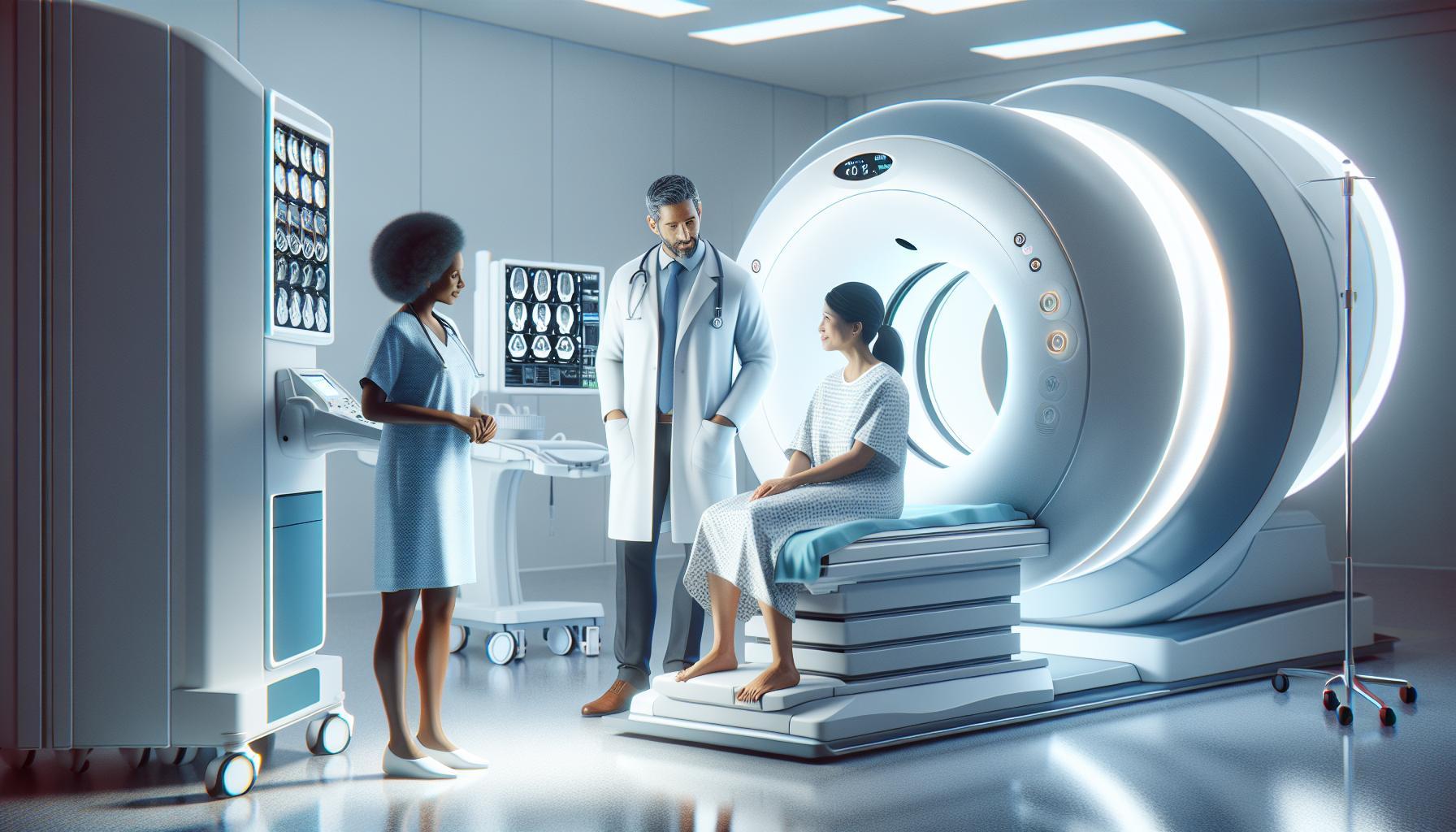
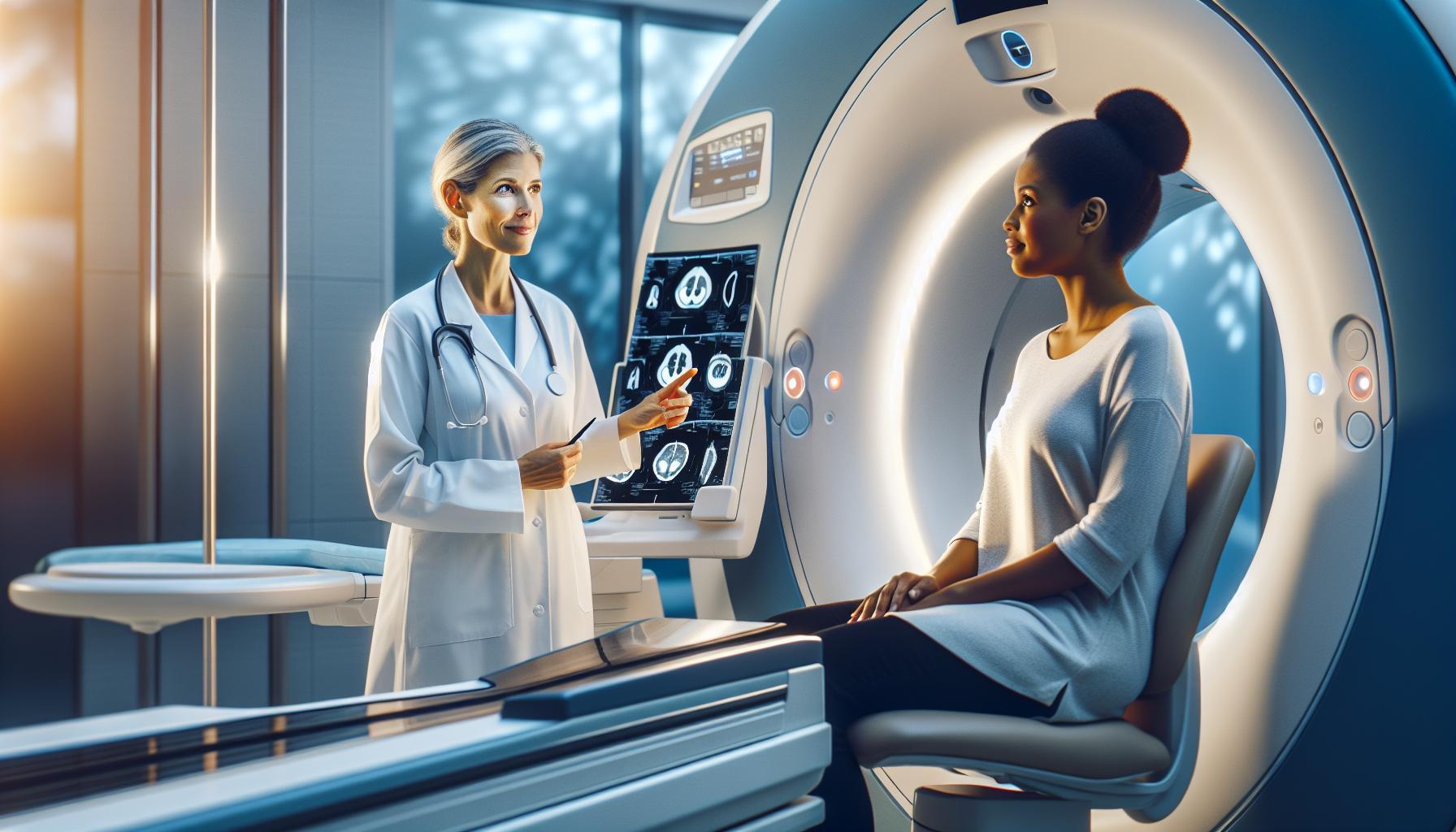
When faced with unexpected health issues, knowing where to turn for quick and effective care is vital. Many patients wonder if urgent care facilities are equipped for advanced imaging, specifically CT scans. These scans can be crucial for diagnosing conditions ranging from fractures to internal injuries, empowering healthcare providers to make informed decisions promptly.
In this guide, we’ll explore the availability of CT scans in urgent care settings, address common concerns about the procedure, and highlight what to expect during your visit. Understanding your options can ease anxieties and equip you with the information needed to make the best choices for your health. Whether you’re considering an urgent care visit or simply want to be informed, this guide will provide valuable insights and practical tips.
Understanding CT Scans in Urgent Care Settings
In urgent care settings, understanding the role of CT scans can be crucial for addressing immediate medical needs. CT, or computed tomography, uses X-ray technology and advanced computer systems to create detailed images of internal structures. This imaging technique is particularly valuable in urgent care because it allows for rapid assessment of various conditions, such as trauma, internal bleeding, and complex fractures, leading to timely diagnosis and treatment.
One of the main advantages of obtaining a CT scan at urgent care is the ability to receive quick imaging results, often on the same day. This rapid turnaround can be essential for patients experiencing acute symptoms who require immediate attention. In many urgent care facilities, CT scans are available on-site, which eliminates the need for patients to visit multiple locations for diagnostic imaging. This can not only save time but also reduce unnecessary stress during what may already be a challenging situation.
When faced with a medical emergency, patients often feel anxious about the unknowns surrounding procedures like CT scans. It is important to know that these scans are typically safe, with the scanning process being relatively quick-usually taking just a few minutes. Furthermore, modern imaging technology minimizes radiation exposure, and healthcare professionals adhere to strict guidelines to ensure patient safety. Communicating openly with medical staff can also provide assurance; they are trained to answer any questions and to help alleviate concerns about the procedure.
In summary, CT scans in urgent care settings serve as a powerful tool for diagnosing and managing urgent medical conditions effectively. Understanding this technology and its role in immediate healthcare can empower patients, helping them feel more informed and prepared for their visit. Always remember to discuss any concerns or specific questions regarding your health with a healthcare professional for personalized guidance.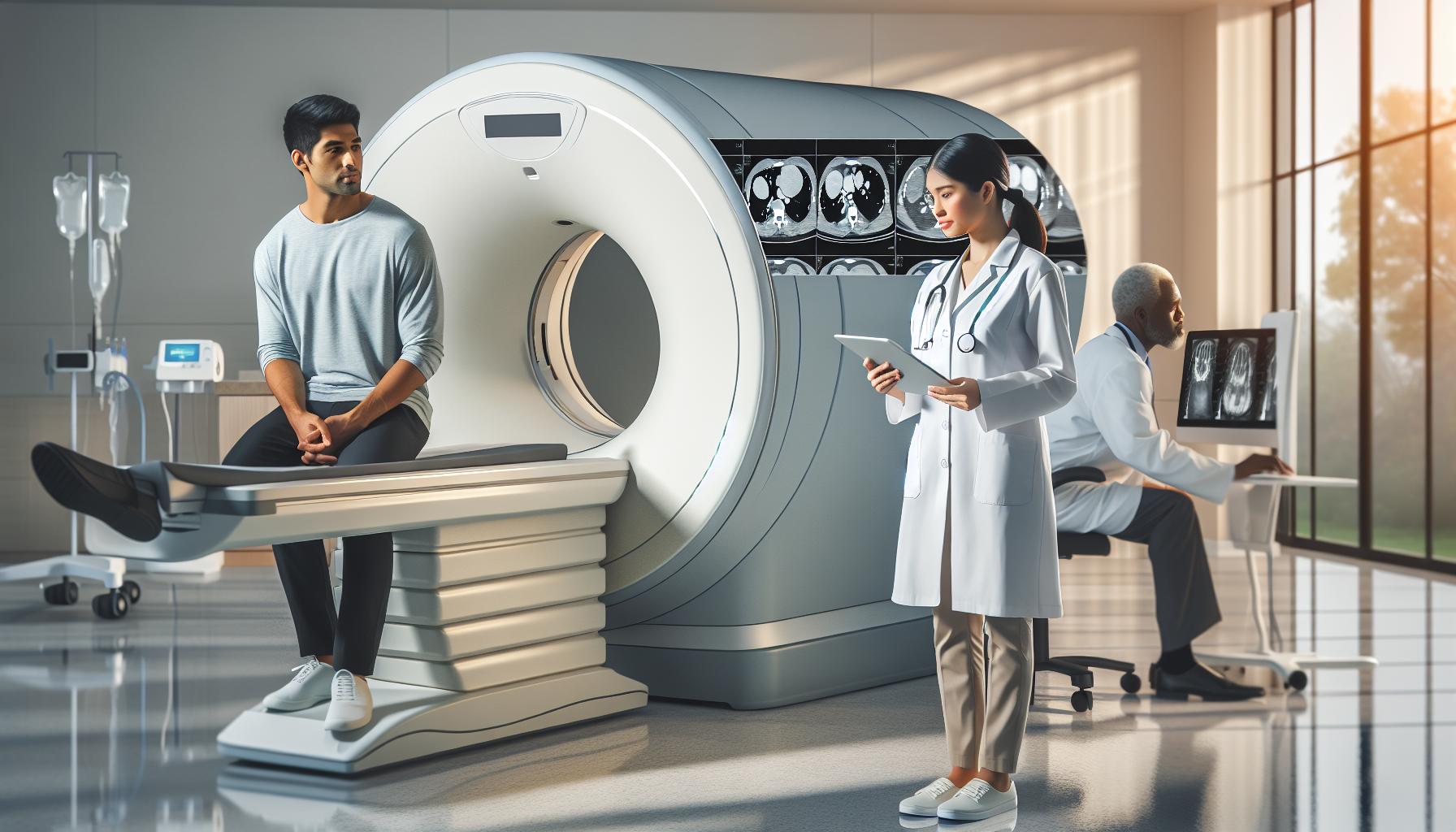
What Services Do Urgent Cares Offer?
In urgent care facilities, patients can access a wide range of services designed to address immediate medical needs without the long wait times often associated with traditional emergency rooms. These centers typically operate on a walk-in basis, making them a convenient option for non-life-threatening conditions. Among the critical services offered, many urgent care clinics provide diagnostic imaging, including CT scans, which allow healthcare providers to observe internal injuries or conditions in detail.
Services Provided by Urgent Care Facilities:
- Diagnostic Imaging: Many urgent cares are equipped with advanced imaging technologies such as X-rays, ultrasounds, and CT scans. This capability enables healthcare providers to quickly identify problems like fractures, internal bleeding, or other complicated conditions.
- Minor Injury and Illness Treatment: Urgent care facilities handle a variety of medical issues, including sprains, strains, small lacerations, and infections. They can also manage common illnesses such as colds, flu, and gastrointestinal issues, providing necessary testing and treatments.
- Preventive Services: Some clinics offer immunizations, health screenings, and physical examinations. This service helps patients stay healthy and proactive in their healthcare management.
- Lab Tests: Many urgent cares have on-site labs that allow for rapid testing, including blood work, urinalysis, and other diagnostics essential for timely treatment.
- Occupational Health Services: For employers, urgent care centers often provide occupational medicine services like drug testing, workers’ compensation evaluations, and pre-employment physicals.
Urgent care facilities are designed to streamline the patient experience, reducing wait times and offering a range of services that cater to diverse health needs. With the availability of on-site CT scans, patients experiencing acute symptoms can receive prompt imaging and diagnosis, which can be especially reassuring during stressful situations. As always, it’s essential to consult with healthcare professionals to ensure the most appropriate care for your specific health concerns.
When to Seek CT Scans: Signs and Symptoms
When experiencing sudden or concerning health issues, recognizing the right moment to seek a CT scan can be crucial for timely diagnosis and treatment. CT scans, or computed tomography scans, are powerful diagnostic tools that help visualize internal structures of the body in great detail, making them invaluable in urgent care settings. They are particularly effective in assessing trauma, internal bleeding, and various urgent conditions that traditional imaging methods might not clearly reveal.
Some signs and symptoms that may warrant a CT scan include:
- Severe Headaches: If you’re experiencing unusually severe headaches that come on suddenly or accompany neurological symptoms, such as vision changes or difficulty speaking, a CT scan can help rule out conditions like bleeding in the brain.
- Chest Pain: Chest discomfort or pain, especially if it feels different from typical heartburn or anxiety, should be evaluated. A CT scan can assist in identifying issues such as pulmonary embolisms or aortic dissections.
- Abdominal Pain: Unexplained or severe abdominal pain, particularly if accompanied by symptoms like vomiting, fever, or a rigid abdomen, may require a CT scan to diagnose conditions like appendicitis or pancreatitis.
- Trauma or Injury: Following a significant fall or accident, a CT scan can be crucial for detecting fractures, organ damage, or internal bleeding.
- Respiratory Issues: If you have difficulty breathing or persistent cough coupled with a fever, a CT scan can help in diagnosing pneumonia or other lung conditions.
Understanding these indicators can empower you to seek care promptly. While it’s natural to feel anxious about undergoing imaging procedures, remember that CT scans are designed to provide critical information that can lead to appropriate and potentially life-saving treatments. Consulting with healthcare professionals at urgent care facilities can ensure that you receive personalized assessments based on your symptoms, helping to clarify whether a CT scan is the right next step in your care journey. Always prioritize open communication with your healthcare provider about any symptoms or concerns, as they will guide you in decision-making regarding your health needs.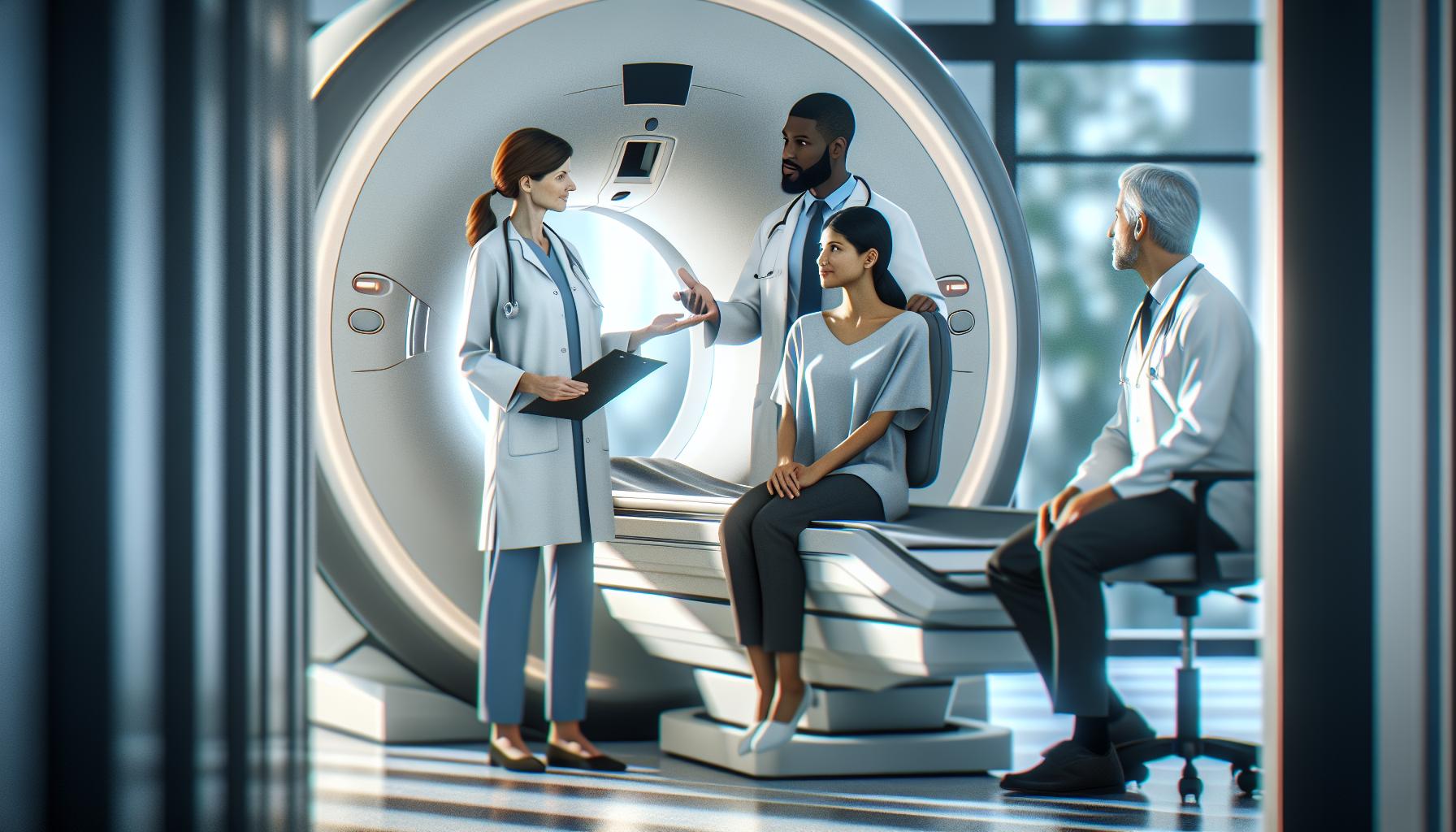
The CT Scan Procedure: What to Expect
When you arrive at an urgent care facility for a CT scan, it’s normal to feel a mix of curiosity and anxiety about the procedure. Understanding what to expect can significantly ease your mind. CT scans utilize advanced imaging technology to create detailed pictures of the inside of your body, enabling quick assessment of conditions that may require immediate attention.
Initially, a healthcare provider will explain the purpose of the CT scan to you based on your specific symptoms. This discussion is critical, as it allows for questions and clarifications about the need for the scan and what it will involve. Following this, you will be guided to the imaging area where the scan will take place. At this stage, it is important to remove any metal objects such as jewelry, eyeglasses, and belts, as these can interfere with the imaging process.
Once you are ready, you will be asked to lie down on a special table that will slide into the CT scanner, a large, doughnut-shaped machine. You may be instructed to hold your breath briefly to ensure clear images, as movement can distort the results. A contrast material might be administered through an IV to enhance the images, allowing for clearer identification of certain conditions.
Throughout the procedure, a technician will monitor you remotely and provide instructions via intercom. The entire CT scan usually takes about 10 to 30 minutes, depending on the specific area being scanned and whether or not contrast is used. After the scan, you can typically resume normal activities right away, unless otherwise advised. If contrast has been used, you’ll be monitored briefly to check for any allergic reactions.
In understanding the CT scan procedure, remember that it’s designed to provide crucial insights into your health, enhancing the urgent care team’s ability to provide timely and appropriate treatment. Speaking openly with medical personnel about any concerns before, during, or after the scan can help ensure a smoother experience.
Patient Preparation for CT Scans
Undergoing a CT scan at an urgent care center may seem daunting, but proper preparation can make the experience much smoother and more comfortable. To give you peace of mind and help you understand what to expect, here are essential steps you can take to prepare for your CT scan.
Before your appointment, consulting with your healthcare provider is crucial. They will clarify the reason for the scan and discuss any specific preparations based on your medical history. It’s important to inform them about any allergies, particularly to contrast dye, as this could affect your eligibility for certain scans. Additionally, if you are pregnant or think you might be, ensure you discuss this with your provider, as they may suggest alternative imaging methods.
In the hours leading up to your CT scan, follow any dietary restrictions that may have been advised by your healthcare provider. Some scans require you to fast for several hours before the procedure, which can enhance the clarity of the images obtained. If you need to receive a contrast material, you may also be advised to drink extra fluids after the scan to flush it out of your system.
On the day of your appointment, wear comfortable clothing without metal fastenings, such as zippers or buttons. You will be asked to remove any metallic objects, including jewelry and hair accessories, so consider leaving them at home to avoid the hassle. Arriving a little early can also give you extra time to fill out paperwork and ask any last-minute questions, which can help ease your nerves. Lastly, it’s always beneficial to have a friend or family member accompany you, both for support and to provide any necessary information regarding your medical history.
By following these practical preparations, you can help ensure that your CT scan experience at an urgent care facility is as efficient and stress-free as possible. Remember, the professionals at the center are there to help and guide you through every step, so don’t hesitate to reach out with any concerns you may have.
Costs of CT Scans in Urgent Care
The cost of a CT scan in an urgent care setting can vary significantly based on several factors, including location, the specific type of scan being performed, and the facility’s pricing structure. On average, patients can expect to pay between $300 to $1,500 for a CT scan without insurance. Factors like whether the scan involves contrast dye, the urgency of the situation, and additional imaging may also influence the final bill.
It’s crucial to consider that many urgent care centers offer transparent pricing, allowing patients to know the expected costs prior to the scan. This can be beneficial, especially for those without insurance or with high deductibles. Some facilities may even have payment plans or discount options available for uninsured patients, making it essential to inquire about these possibilities ahead of time.
Potential Additional Costs
While the cost of the CT scan itself is a primary concern, patients should also be aware of potential ancillary fees. These could include:
- Consultation Fees: A fee may be charged for the initial evaluation by the healthcare provider before the scan.
- Follow-Up Visits: Additional costs may arise for any follow-up appointments to discuss results and treatment plans.
- Contrast Material: If a contrast agent is required, this may add to the total cost.
Insurance Coverage
Understanding how insurance applies to CT scans is integral to managing costs effectively. Many health insurance plans cover CT scans as part of diagnostic services, but coverage can differ based on the plan’s specifics. It’s advisable to contact your insurance provider beforehand to ask whether the CT scan is covered, what your out-of-pocket costs might be, and if there are preferred providers within your network.
By being proactive and gathering information regarding potential costs and insurance coverage, you can approach your CT scan experience at an urgent care facility with greater confidence. Always discuss any financial concerns with your healthcare provider or the billing department; they can provide guidance tailored to your situation.
Safety Concerns: Is a CT Scan Risky?
When considering a CT scan, it’s natural to have concerns about safety. CT scans, or computed tomography scans, utilize X-rays to produce detailed images of the body’s internal structures. While they are valuable diagnostic tools that can help to detect conditions such as fractures, tumors, and internal bleeding, it’s important for patients to weigh the benefits against potential risks.
The primary safety concern associated with CT scans is exposure to ionizing radiation. Unlike traditional X-rays, CT scans involve multiple X-ray images taken from different angles, resulting in a higher cumulative dose of radiation. However, the amount of radiation received during a CT scan is generally considered low, and the benefits of obtaining a precise diagnosis often far outweigh the risks when scans are performed appropriately and with justified medical need. For instance, in urgent care settings, where swift and accurate diagnosis can significantly impact treatment outcomes, the judicious use of CT imaging becomes essential.
Assessing Risks and Benefits
Before undergoing a CT scan, healthcare providers will evaluate the necessity of the procedure against the potential risks involved. This decision-making process includes considering the patient’s specific condition, medical history, and any alternative imaging options. It’s crucial to have an open dialogue with your healthcare team-asking questions about the necessity of the scan, how it will impact your treatment, and the measures being taken to minimize radiation exposure.
Additionally, advancements in technology have led to the development of lower-dose CT scans, which can help reduce the amount of radiation used while still providing high-quality images. In pediatric cases, particular care is taken to adjust the scan parameters to ensure the lowest possible dose while still accomplishing the diagnostic objective.
Addressing Anxiety
It’s completely understandable to feel anxious about undergoing a CT scan. Many patients find reassurance in learning that CT scans are routinely performed in urgent care settings and are handled by trained professionals who prioritize safety. Should you have concerns regarding your specific risk factors or the appropriateness of a CT scan, discussing these with your healthcare provider is encouraged. They can provide clarity and comfort, ensuring that the decision is made with your well-being in mind.
In summary, while CT scans involve some risks due to radiation exposure, they are critical tools for urgent care diagnosis. By being proactive in your discussions with healthcare providers and understanding the risks and benefits, you can feel more empowered and confident as you navigate your medical care.
Interpreting CT Scan Results: A Patient’s Guide
Receiving the results of a CT scan can evoke a range of emotions, from anxiety to curiosity, as you await insights into your health. Understanding what the findings mean is essential and can help alleviate some of that worry. CT scan results are typically interpreted by a radiologist, who will provide a detailed report to your healthcare provider. This report will include observations about any abnormalities, organs, or areas covered in the scan, which are analyzed based on the images produced during the procedure.
What the Results May Indicate
CT scans are powerful diagnostic tools that can reveal a variety of conditions. Common findings include:
- Fractures or other bone irregularities: CT scans can provide a clear picture of bone structure, helping to diagnose fractures that may not be visible in standard X-rays.
- Soft tissue conditions: Diseases such as tumors or infections can often be identified in the organs and tissues.
- Internal bleeding: In cases of trauma, CT scans can detect internal bleeding and assess the extent of injuries.
After the scan, your healthcare provider will discuss the interpretation of these results with you. They’ll explain what the findings mean in the context of your symptoms and medical history. It’s important to engage in this dialogue, asking questions if you’re uncertain about the implications of the results.
Next Steps After Receiving Results
Once you have your CT scan report, your healthcare provider may suggest further steps depending on the findings. This can range from additional imaging tests to a treatment plan if a condition is identified. In some cases, the results may reassure you that no significant problems were found, allowing you peace of mind. Remember, though, that understanding your results is a collaborative process. Don’t hesitate to reach out to your provider for clarification on anything that remains unclear, as clear communication is key in effectively managing your health.
In summary, the process of interpreting CT scan results is integral to effective healthcare, providing you and your healthcare team the information needed to make informed decisions about your treatment and care pathway. By proactively participating in this conversation, you empower yourself with knowledge and contribute to a better outcome in your healthcare journey.
Alternatives to CT Scans: What Are Your Options?
In certain situations, a CT scan may not be the only option available for diagnostic imaging, and understanding the alternatives can help you make informed decisions about your healthcare. For those seeking urgent care, several imaging techniques can provide valuable insights without the necessity of a CT scan, depending on your specific condition and needs.
One common alternative is X-rays, which are often used to assess bone fractures or dental issues. They emit lower doses of radiation and are readily available at most urgent care facilities. If you’re experiencing joint pain or suspect a fracture, an X-ray might provide sufficient information to guide treatment.
Another option is ultrasound, which utilizes sound waves to create images of soft tissues, organs, and blood vessels. This method is particularly effective for examining conditions within the abdomen, pelvis, or during pregnancy. Ultrasound is non-invasive and carries no radiation exposure, making it a comforting choice for many patients.
MRI (Magnetic Resonance Imaging) is another diagnostic tool worth considering, especially for soft tissue injuries. While MRIs are not typically available at urgent care clinics, they can be ordered if a more in-depth analysis is needed after initial evaluations. MRIs are particularly useful for assessing injuries related to the brain, spinal cord, and joints, although they come with longer wait times and greater expense.
Lastly, diagnostic lab tests such as blood work may be performed in conjunction with any imaging studies. These tests can provide crucial information about underlying infections or conditions that may not be visible on imaging alone.
When contemplating alternatives to CT scans, maintaining a dialogue with your healthcare provider is key. They can help assess which imaging option aligns best with your symptoms, medical history, and concerns, ultimately guiding you towards the most effective and least invasive approach for your healthcare journey.
Finding Urgent Care with CT Scans Near You
When seeking urgent care, especially in situations where a CT scan may be necessary, it’s essential to know where to find facilities that can accommodate your needs. Many urgent care centers are increasingly equipped with advanced imaging technology, including CT scanners, allowing for rapid diagnosis and treatment of various medical conditions. Understanding how to locate these centers can significantly enhance your care experience.
Start by checking online directories or health service websites that list urgent care clinics in your area. Many platforms allow you to filter your search specifically for facilities that offer CT imaging. Additionally, you can call ahead to any urgent care location to confirm their imaging capabilities and inquire about the types of CT scans they perform. Asking about their hours of operation can also help you plan your visit more conveniently.
If you’re in a specific area or facing a time-sensitive condition, consider using a mobile health app or your insurer’s website. These resources often have features that enable you to locate nearby urgent care facilities that meet your specific requirements, including the availability of CT scans. Another effective strategy is to ask your primary care physician for recommendations, as they often have connections with urgent care providers that can expedite your access to imaging services.
Remember to check for any required documentation, such as insurance cards or identification, and feel free to inquire about the cost of the CT scan and payment options prior to your visit. By taking these proactive steps, you empower yourself to navigate the urgent care landscape confidently, ensuring you receive the prompt and comprehensive medical attention you deserve in a timely manner.
Insurance and Coverage for CT Scans in Urgent Care
Navigating the world of health insurance can be daunting, especially when faced with unexpected medical needs like a CT scan. Understanding how insurance coverage works in urgent care settings can ease some of that anxiety. Most urgent care facilities that offer CT scans will accept various types of insurance; however, coverage specifics can differ significantly. It’s essential to verify with your insurance provider whether CT scans performed at urgent care centers are fully covered or considered out-of-network services, which could affect your out-of-pocket expenses.
Before seeking a CT scan, contacting your insurance company can clarify your benefits and coverage limits. You can ask detailed questions such as:
- Do I need a referral from my primary care physician?
- What are my out-of-pocket costs for a CT scan at an urgent care facility?
- Are there specific urgent care centers in my network that offer CT scans?
It’s not uncommon for patients to be surprised by unexpected costs, especially if they assume that an urgent care visit will be similar to a traditional doctor’s visit. Some insurance plans may require pre-authorization before a CT scan can be scheduled, meaning that the insurance company must approve the procedure based on medical necessity. Getting this information ahead of time could prevent financial stress and facilitate a smoother experience when you’re in need of care.
In addition, understanding your insurance does not just end with verification. Be proactive during the urgent care visit by:
- Inquiring about the estimated cost of the CT scan before it’s performed.
- Requesting an itemized bill to ensure accuracy after the service.
- Following up on any discrepancies with your insurance claim if the coverage appears less than expected.
Equipped with this knowledge, you’ll feel more in control of your healthcare decisions and less anxious about the financial implications of necessary imaging services. Always consult with your healthcare provider about any specific needs or concerns related to your insurance coverage, as they can offer guidance tailored to your situation.
Frequently Asked Questions About CT Scans
Every patient considering a CT scan may have numerous questions that range from procedural details to health concerns. Addressing these common inquiries can significantly ease apprehension and set realistic expectations for the imaging process.
One of the most frequently asked questions is, “What is a CT scan used for?” CT scans are versatile imaging tests utilized to diagnose a wide variety of conditions, from internal injuries sustained in accidents to diseases like cancer. They offer clearer images of structures inside the body compared to standard X-rays, making them invaluable for urgent care providers assessing acute issues.
Another common concern centers around safety: “Are there risks associated with CT scans?” While CT scans involve exposure to radiation, the amount is relatively low, and the benefits often outweigh the risks, especially in emergent situations where quick diagnosis is necessary. It’s essential to communicate openly with your healthcare provider about any underlying health conditions or allergies, particularly to contrast materials that may be used during some types of scans.
Patients also often wonder about preparation: “How should I prepare for a CT scan?” Generally, preparation may involve fasting for a few hours beforehand, especially if contrast dye will be used. It’s crucial to follow any pre-scan instructions provided by the urgent care center to ensure the best possible imaging results. Finally, understanding the results is vital. Many patients ask, “How long does it take to receive CT scan results?” Typically, results are interpreted by a radiologist within a few hours to a day, and your urgent care provider can discuss the findings with you shortly after.
By addressing these questions, patients can feel more informed and empowered throughout their imaging experience. Always remember, though, each situation is unique, and discussing your specific concerns with a healthcare professional is the best way to ensure you have the right answers tailored to your needs.
Frequently Asked Questions
Q: Do urgent care facilities perform CT scans?
A: Yes, many urgent care facilities offer CT scans as part of their diagnostic services. It’s important to confirm this with your specific urgent care provider as not all locations may have the necessary equipment or staff for CT imaging.
Q: When should I consider getting a CT scan at an urgent care?
A: A CT scan at urgent care is usually recommended for non-life-threatening conditions that require detailed imaging, such as suspected fractures, internal injuries, or complex infections. Refer to the section on “When to Seek CT Scans” for more signs and symptoms that may warrant imaging.
Q: What should I expect during a CT scan at urgent care?
A: During a CT scan at urgent care, you will lie on a table that slides into the imaging machine. The procedure is quick and painless, lasting about 10-30 minutes. It’s vital to remain still during imaging for optimal results. See “The CT Scan Procedure: What to Expect” for detailed steps.
Q: Are there prerequisites before getting a CT scan at urgent care?
A: Yes, patients may need to avoid eating or drinking for a certain period before the scan, particularly if a contrast material will be used. Consult the “Patient Preparation for CT Scans” section for comprehensive instructions relevant to your specific case.
Q: How much do CT scans cost at urgent care centers?
A: The cost of CT scans at urgent care varies widely based on location, insurance coverage, and whether contrast is used. Typically, costs range from $300 to $1,000. Check the “Costs of CT Scans in Urgent Care” section for more information on pricing and potential financial assistance.
Q: Are CT scans safe to get at urgent care?
A: Yes, CT scans are generally safe; however, they do involve exposure to radiation. It’s important to discuss any potential risks with your provider, particularly if you’ve had multiple scans. Refer to the “Safety Concerns: Is a CT Scan Risky?” section for more details.
Q: Can urgent care facilities provide results from CT scans?
A: Yes, urgent care facilities often provide preliminary results from CT scans shortly after the procedure. However, comprehensive reports may take longer, especially if they require evaluation by a radiologist. See “Interpreting CT Scan Results: A Patient’s Guide” for more information.
Q: What if the urgent care does not have CT scans available?
A: If the urgent care you visit does not have CT scanning facilities, they may refer you to a nearby imaging center or hospital. For tips on finding urgent care with CT capabilities, check the section on “Finding Urgent Care with CT Scans Near You.”
In Summary
Thank you for exploring whether urgent cares offer CT scans. Knowing that these facilities can provide essential imaging services may help streamline your medical care, especially in urgent situations. If you still have questions or hesitations regarding the CT scan process, consider accessing our detailed guides on preparing for your appointment and what to expect during the imaging.
Don’t hesitate to jump into our resources on understanding urgent care vs. emergency room services or the costs associated with CT scans to ensure you’re fully informed. Your health decisions are important, and being prepared can alleviate any anxiety. For ongoing updates and insights, subscribe to our newsletter! Join the conversation by sharing your experiences or questions in the comments below-your input can help others navigate their healthcare journey. Remember, while urgent cares can handle many imaging needs, always consult your healthcare provider for personalized recommendations.