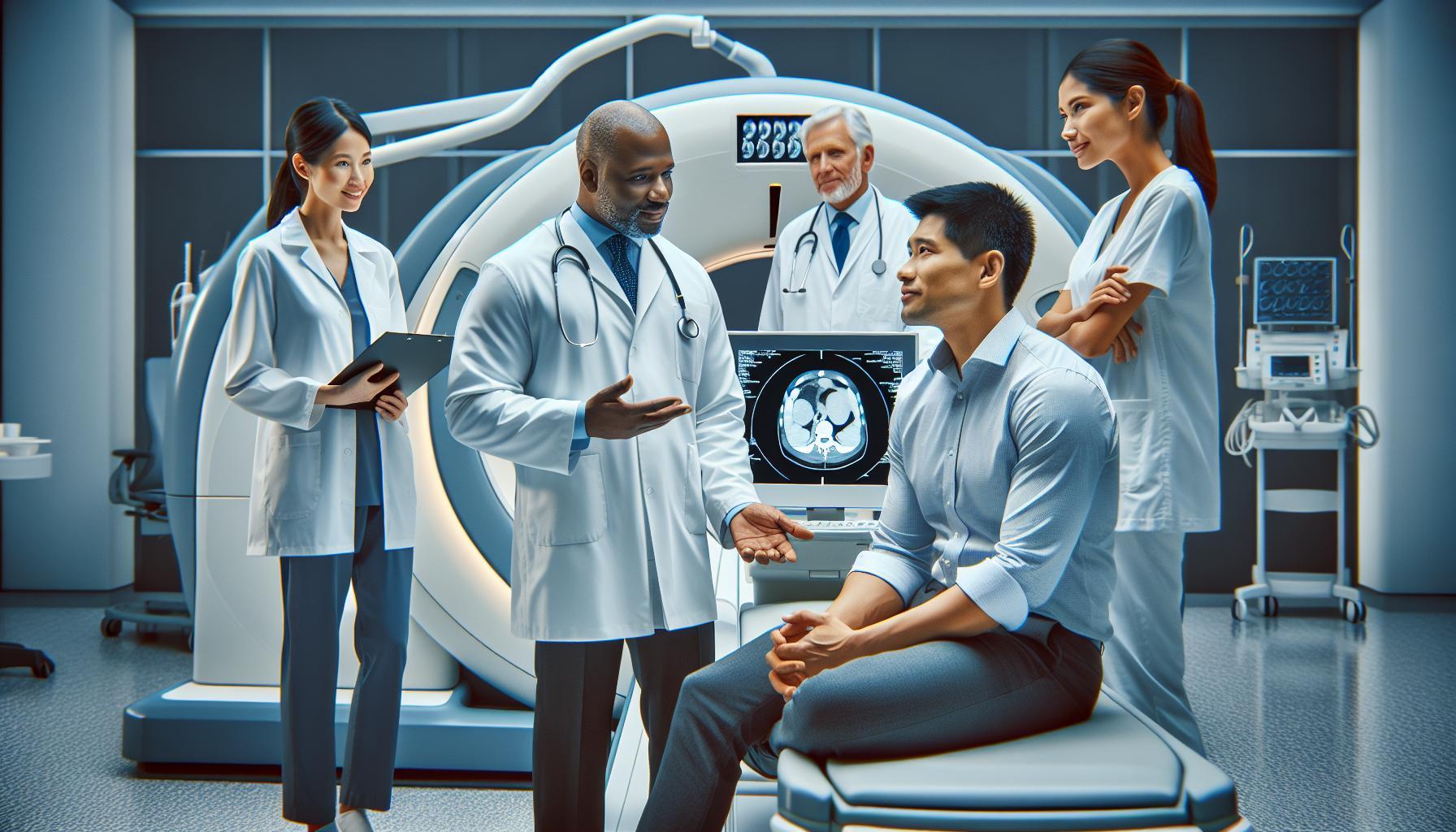
When embarking on a journey through radiation therapy, understanding the tools that guide your treatment can alleviate anxiety and empower you with knowledge. A CT simulator is a specialized imaging device that plays a crucial role in preparing for radiation therapy, helping to create a precise treatment plan tailored to your unique needs. By producing detailed images, this technology ensures that radiation is administered accurately, targeting only the affected areas while sparing healthy tissue.
As you consider your treatment options, it’s natural to have questions about the processes involved and what you can expect. The CT simulator not only aids medical professionals in planning your care but also serves as a cornerstone in making your treatment as effective and comfortable as possible. Join us as we delve deeper into what a CT simulator is, how it works, and why it is vital in the radiation therapy landscape. Understanding this tool will help demystify your treatment path and reassure you as you navigate this important phase of your healthcare journey.
Understanding the Role of a CT Simulator in Radiation Therapy
A CT simulator plays a pivotal role in the radiation therapy process, acting as a crucial tool for planning effective treatment. By creating detailed three-dimensional images of a patient’s anatomy, this specialized imaging device allows radiation oncologists to accurately localize tumors and assess surrounding tissues. This precision ensures that the radiation beams are carefully targeted to minimize damage to healthy tissues while effectively treating malignant cells.
The process begins with the patient being positioned accurately in the CT simulator, often using custom molds or supports to achieve the ideal alignment. As the CT scanner captures images, the oncologist can visualize not just the tumor itself but also essential anatomical structures that may influence treatment decisions. This information facilitates the creation of a tailored treatment plan, significantly enhancing the efficacy of the radiation therapy. A better understanding of the patient’s unique anatomy allows for optimized radiation delivery, leading to improved outcomes.
Moreover, the use of CT simulators is distinctive for their ability to simulate the treatment field, preparing both the healthcare providers and the patients for what to expect during actual radiation sessions. As patients undergo this simulation, it is normal to have questions or concerns about what they will experience. Therefore, understanding the technology and its purpose can help alleviate anxiety, providing reassurance that this step is vital for effective cancer care. With advances in CT simulation technology, the ongoing developments are focused on improving accuracy and safety, ultimately enhancing the overall patient experience in the journey toward recovery.
How CT Simulators Work: Step-by-Step Breakdown
In radiation therapy, understanding how a CT simulator operates is crucial for patients and healthcare providers alike. This technology not only aids in the precise planning of treatment but also serves to alleviate the anxiety many patients feel about their procedures. The process of using a CT simulator typically unfolds in several methodical steps, each aimed at capturing high-quality images of the patient’s anatomy to inform tailored treatment plans.
First and foremost, the patient is positioned carefully on the CT simulator table. In many instances, custom molds or positioning aids are utilized to ensure that the patient remains still and in the exact location needed for target imaging. This meticulous positioning is essential because accurate alignment helps to minimize movement, which can disrupt the quality of the images and the overall treatment plan.
Once the patient is correctly situated, the CT simulator begins to acquire images. The machine emits a series of X-rays that pass through the patient’s body from various angles. These X-rays are collected by detectors and processed to create detailed cross-sectional images, much like slicing through a loaf of bread. The advanced software within the simulator builds these individual slices into comprehensive three-dimensional representations of the patient’s anatomy. Importantly, this imagery not only highlights the tumor but also maps out critical structures such as vital organs and tissues surrounding the area of interest, significantly aiding oncologists in making informed decisions about radiation delivery.
After the imaging is complete, the oncologist and team analyze the collected data to delineate the treatment planning. This information is essential for determining the appropriate doses and angles for radiation delivery, which ultimately enhances the efficacy of the treatment while safeguarding healthy tissues. Furthermore, this step often involves the simulation of the treatment environment, allowing healthcare providers to visualize the procedure itself, thereby preparing them and the patient for what to expect during actual therapy sessions.
With these structured steps, CT simulators play an indispensable role in personalizing and optimizing radiation therapy. By empowering patients with knowledge and reducing uncertainty, these simulators enhance not only the technical aspects of treatment planning but also the overall patient experience, providing reassurance that every measure is being taken for their health and recovery.
Key Components of a CT Simulator and Their Functions
A CT simulator plays a pivotal role in the planning and precision of radiation therapy, employing advanced technology to capture detailed images of a patient’s anatomy. Understanding the can help demystify the process and provide comfort to patients as they navigate their treatment journey.
Imaging System: At the heart of the CT simulator is its imaging system, which is designed to produce high-quality, cross-sectional images of the body. This system uses a rotating X-ray source and an array of detectors to capture images from various angles. The advanced software then constructs these images into detailed 3D representations, which are critical for pinpointing tumors and surrounding structures, ensuring that radiation targets the malignant tissue while sparing healthy cells.
Positioning Equipment
Custom positioning equipment, including molds and immobilization devices, is essential for maintaining patient stability during the imaging process. By securing the patient in a precise manner, these tools minimize movement, enhancing the accuracy of the imaging. This attention to detail not only aids in obtaining clearer images but also ensures consistency in subsequent treatment sessions. For example, if a patient is positioned incorrectly, it could lead to variations in treatment angles and doses, potentially impacting the effectiveness of the therapy.
Laser Alignment Systems
Laser alignment systems are another critical component of a CT simulator, facilitating exact positioning. These laser beams project markings onto the patient’s skin to ensure that the treatment area is aligned accurately with the imaging system. This technology enhances the precision of both the imaging and the delivery of radiation therapy.
Data Analysis Tools
Once the images are acquired, specialized software tools assist medical professionals in analyzing the data. These tools allow for detailed assessments of the tumor’s size, shape, and location, leading to optimized treatment plans. Oncologists can simulate various radiation doses and angles to determine the most effective approach tailored to the individual patient’s needs.
By understanding these components and their functions, patients can feel more empowered as they engage in discussions with their healthcare team about their treatment options. Being informed helps reduce anxiety, fosters transparency, and builds trust between patients and providers, ultimately enhancing the overall experience of radiation therapy.
Patient Preparation for a CT Simulation: What to Expect
Preparing for a CT simulation can be a pivotal step in your journey toward effective radiation therapy, and understanding what to expect can significantly alleviate any apprehensions you may have. When you arrive for your CT simulation, the medical team will provide a supportive environment designed to keep you informed and comfortable throughout the process. It’s natural to have questions or concerns, and knowing the steps involved helps ease the minds of many patients.
Before the simulation, you’ll likely be advised to wear loose, comfortable clothing that does not have metal zippers or buttons, as these can interfere with imaging. Be sure to inform your healthcare team of any medical conditions, allergies, or medications you are taking, as this information is crucial for planning your treatment accurately. Depending on your specific case, you may also be asked to drink plenty of water or refrain from eating for a period before the simulation to ensure clear imaging results.
During the Simulation
The simulation itself typically lasts about 30 minutes. You’ll be positioned on a flat couch that moves into a large, doughnut-shaped machine. Custom molds and immobilization devices may be used to help you stay still during the scan. This means you’ll want to remain as calm and relaxed as possible; you can take deep breaths to ease any anxiety. The imaging technician will reassure you with clear instructions and guidance, promising to communicate throughout the entire process.
Post-Procedure Information
After the simulation, your medical team will analyze the images to create your treatment plan, ensuring every detail is tailored to your specific needs. It’s normal to feel a sense of relief when this step is done, knowing you’re one step closer to beginning treatment. Should you feel any residual anxiety about upcoming treatments or have concerns about what the next steps involve, don’t hesitate to discuss these with your healthcare provider. They’re there to support you and will work with you to develop a comprehensive understanding of your treatment plan moving forward.
This preparatory phase is essential, giving you a clearer understanding of both what the simulation entails and its significance for your treatment path. By being informed and prepared, you empower yourself to navigate this critical moment in your healthcare journey with confidence.
Advantages of CT Simulation in Treatment Planning
A CT simulator plays an invaluable role in modern radiation therapy, serving as a bridge between diagnosis and precise treatment. The integration of CT simulation contributes significantly to the treatment planning process, ensuring that cancer therapies are both effective and tailored to individual patient needs. This approach not only enhances the accuracy of radiation delivery but also minimizes exposure to surrounding healthy tissues, a crucial factor in improving patient outcomes and quality of life.
One of the key advantages of using a CT simulator is the enhanced visualization of anatomical structures. By acquiring detailed cross-sectional images of the area to be treated, radiation oncologists can better delineate tumors and critical organs. This level of detail allows for more precise planning of the radiation beams, ensuring maximum dosage to the tumor while sparing normal tissues as much as possible. For instance, in complex cases involving tumors located near vital organs, such as the heart or lungs, precise imaging can guide the development of specialized treatment plans that leverage advanced techniques like intensity-modulated radiation therapy (IMRT).
Moreover, CT simulation significantly improves the reproducibility of patient positioning during treatment. The use of immobilization devices and custom molds during the simulation process ensures that patients are positioned consistently for each radiation session. This consistency is critical, as even slight variations in positioning can lead to suboptimal treatment outcomes. For patients, this means greater reassurance that they are receiving the best possible care, as every measure is taken to ensure treatment accuracy and effectiveness.
Additional Benefits of CT Simulation
The advantages of CT simulation extend beyond imaging precision and positioning stability:
- Customized Treatment Planning: CT simulations allow healthcare teams to devise personalized treatment strategies that consider the unique anatomy and tumor characteristics of each patient.
- Improved Communication: Detailed imaging can help oncologists better explain the treatment process and expected outcomes to patients, fostering a clearer understanding and enhancing the therapeutic alliance.
- Time Efficiency: By streamlining the planning process, CT simulations can help reduce the overall time needed before treatment begins, enabling patients to start their therapy more promptly and alleviating anxiety associated with prolonged waiting periods.
Incorporating CT simulation into radiation therapy not only optimizes treatment delivery but also creates an environment in which patients feel supported and informed. This emphasis on precision and care translates into an overall positive experience during a challenging time in the patient journey.
Differences Between CT Simulators and Conventional Scanners
In the realm of radiation therapy, understanding the specific functions and advantages of CT simulators compared to conventional CT scanners is essential for both patients and healthcare professionals. CT simulators are specially designed not just for imaging, but to support the meticulous planning required for effective radiation treatments. Unlike conventional scanners, which primarily provide general diagnostic images, CT simulators generate high-precision images that enhance the understanding of tumor locations and surrounding anatomy. This granular detail is critical in creating personalized treatment plans that target cancerous tissues while sparing healthy structures.
One of the most notable differences lies in the imaging capabilities of CT simulators, which employ advanced technology to capture high-resolution, three-dimensional images. This capability allows radiation oncologists to plan treatment beams with remarkable accuracy. For instance, whereas a standard CT scan may show a tumor’s size and position, a CT simulator can provide finer details about its relationship to nearby organs, such as the heart or lungs. This nuance is vital for procedures like intensity-modulated radiation therapy (IMRT), where precise delivery of radiation is necessary to maximize treatment efficacy and minimize damage to healthy tissues.
Additionally, the clinical environment and patient setup differ significantly between the two. CT simulators are equipped with specialized tools to immobilize patients and ensure they remain in the exact position for each treatment session. This level of consistency is crucial; even minor shifts in a patient’s position can lead to significant variations in radiation delivery. On the contrary, conventional scanners do not typically focus on maintaining patient immobilization, which can result in less reliable treatment outcomes.
Finally, the workflow and purpose of these systems underscore their differences. In a radiation therapy context, CT simulators are integrated into a multi-step workflow that includes imaging, treatment planning, and verification of patient alignment. This contrasts sharply with the more singular function of conventional scanners, which do not contribute directly to treatment preparation. The comprehensive capabilities of CT simulators make them an invaluable tool in the radiation oncology arsenal, ensuring that patients receive the highest standard of care through precise and individualized treatment plans.
Safety Measures and Protocols During CT Simulation
Ensuring patient safety during CT simulation is paramount, as this step lays the foundation for precise radiation therapy. Many patients may feel apprehensive about undergoing a CT simulation due to the unfamiliar environment and the equipment involved. However, healthcare professionals are committed to creating a secure and comfortable atmosphere. This commitment includes adhering to established safety protocols that prioritize both the physical well-being and emotional comfort of the patient.
Before the scan begins, patients are introduced to the team and the machinery, often resulting in a more reassuring experience. Safety measures start with a thorough assessment of the patient’s medical history, including any allergies, previous imaging studies, and specific concerns. Practitioners may utilize protective gear, such as lead aprons, to shield other parts of the body from unnecessary radiation exposure. During the procedure, continuous monitoring is essential; radiologic technologists remain nearby, ready to assist or answer any questions that may arise.
Once in position, patients are secured using specialized immobilization devices. This not only enhances the accuracy of the imaging but also minimizes movement, further ensuring safety during the procedure. For those who may feel anxious, deep breathing techniques or small distractions like music can help create a calming environment, promoting relaxation.
Overall, understanding the meticulous safety protocols in place can ease patient anxiety and foster a sense of trust between patients and their healthcare team. Open communication about any fears or discomfort during the simulation is encouraged, as it is vital for healthcare providers to address individual concerns. The goal is always to ensure that each step of the process prioritizes patient safety while delivering accurate, high-quality imaging necessary for effective treatment planning.
Interpreting CT Simulation Results: A Comprehensive Guide
Interpreting the results from a CT simulation is an essential step that lays the groundwork for effective radiation therapy. Each scan produces detailed images that reveal critical information about the patient’s anatomy, including the precise location of tumors and the surrounding tissues. Understanding these results can often feel intimidating, but it can significantly impact treatment planning, ultimately enhancing the efficacy of therapy and minimizing risks to healthy tissues.
The images generated during a CT simulation are typically analyzed by a radiation oncologist and a medical physicist. These professionals work collaboratively to identify the tumor’s dimensions, shape, and proximity to vital structures. They use this data to design a tailored radiation treatment plan that optimally targets the tumor while sparing healthy tissue. The process includes the following key components:
- Common Terminology: Familiarizing yourself with terms like ‘isocenter’ (the point where the radiation beams converge) and ‘treatment fields’ (the specific areas that will receive radiation) is beneficial.
- 3D Reconstructions: Advanced software can create three-dimensional models of the area being treated, allowing for more precise calculations regarding beam angles and positions.
- Dosimetry: This refers to the assessment of the radiation dose delivered, ensuring it meets the protocol for safe and effective treatment.
Patients may sometimes feel overwhelmed when presented with complex imaging data, but it is crucial to encourage questions and discussions with healthcare providers. Understanding what the images reveal can simplify the treatment journey and alleviate some of the anxiety associated with cancer care. Radiologists will often explain findings in clearer terms, framing it within the context of overall treatment goals.
As technology advances, you may also encounter cutting-edge software that enhances how these images are interpreted, allowing for better visualization and simulation of tumor response to radiation. Innovations may include artificial intelligence-driven tools that predict how tumors may change over time based on therapy, providing valuable insights into efficacy and adjustments needed along the treatment path.
Ultimately, while CT simulation results may seem daunting, they serve as a vital tool in the fight against cancer. Engaging with your medical team, staying informed, and expressing any concerns you might have can fortify the patient-provider partnership-important for navigating the complexities of treatment with confidence.
Common Misconceptions About CT Simulators in Radiation Therapy
Despite the critical role that CT simulators play in radiation therapy, many patients harbor misunderstandings about their function, purpose, and process. These misconceptions can be a source of anxiety, hindering a clear understanding of this important part of cancer treatment. One prevalent myth is that CT simulators function just like traditional CT scanners. While both devices utilize similar imaging technology, CT simulators are specifically designed for treatment planning in radiation therapy. They incorporate features that aid in precise positioning and treatment delivery, such as a larger bore, flat table surfaces, and laser positioning systems. This specialized setup allows healthcare providers to gather detailed anatomical information necessary for tailoring radiation plans that maximize tumor targeting while sparing healthy tissue.
Another common misunderstanding is the assumption that CT simulations are painful or invasive. In reality, a CT simulation is a non-invasive, painless procedure where patients lie on a table while the machine captures detailed images of their anatomy. During the simulation, immobilization devices may be used, like plastic masks or vacuum bags, to ensure that patients remain in the same position throughout treatment. This step is crucial for achieving accurate and consistent targeting of the radiation beams. Patients should be reassured that these devices are designed for comfort and security, enabling a smooth experience during the imaging process.
Many patients also worry about the need for dye injections during a CT simulation. While some simulations may require the use of contrast dye to enhance image quality, it is not always necessary. The decision depends on individual medical needs and will be thoroughly discussed by the healthcare team. Patients should feel empowered to ask questions regarding the necessity and safety of contrast agents, ensuring they are well-informed before proceeding with the simulation.
Lastly, there exists the concern that CT simulations may provide misleading results. However, it is essential to understand that the images produced are integral to formulating accurate radiation therapy plans. The collaborative analysis performed by radiologists and radiation oncologists ensures that the data read from these scans directly informs treatment decisions. By dispelling these common misconceptions, patients can approach their CT simulation with greater confidence and comprehension, ultimately easing the stress associated with their cancer treatment journey.
Innovations and Future Trends in CT Simulation Technology
Recent advancements in CT simulation technology are reshaping the landscape of radiation therapy, enhancing precision while addressing patient comfort and safety. One of the most significant innovations is the integration of machine learning and artificial intelligence (AI) algorithms into the simulation process. These technologies enable more accurate tumor delineation by analyzing imaging data and identifying complex anatomical structures that may be challenging to visualize. The AI systems can suggest optimal radiation angles and dosages, allowing healthcare teams to create highly personalized treatment plans tailored to each patient’s unique anatomy.
Another exciting development is the emergence of adaptive radiotherapy, which utilizes real-time imaging data to modify treatment plans based on the patient’s position and physiological changes during therapy. This capability helps to enhance tumor targeting while minimizing harm to surrounding healthy tissues. As patients undergo radiation therapy, changes in tumor size or patient weight can impact treatment effectiveness; adaptive systems allow teams to respond quickly, adjusting radiation delivery without requiring multiple simulations.
Additionally, advancements in 3D and 4D imaging are revolutionizing how simulations are conducted. Traditional 3D imaging provides static images, whereas 4D imaging incorporates time as a factor, capturing organ motion (like breathing) during scans. This leads to superior treatment planning by accounting for dynamic movements, further improving accuracy and outcomes. These cutting-edge technologies work hand-in-hand with virtual reality (VR) environments, which allow radiation oncologists to visualize complex treatments and plan them interactively within three-dimensional spaces, fostering better collaboration and understanding among care teams.
As simulations evolve, the focus on patient experience continues to grow. Innovations like customized immobilization devices, which are designed with patient comfort in mind, feature softer materials and ergonomic shapes that enhance the overall experience during treatment. Moreover, patient education tools, such as interactive applications that inform patients about the simulation process and what to expect, are becoming commonplace-demystifying the experience and significantly reducing anxiety.
These innovations are exciting, pointing toward a future where CT simulators become even more integral in the precision and personalization of radiation therapy. By harnessing advanced technologies, healthcare providers are empowered to deliver safer, more effective treatments, while patients benefit from less stress and a more streamlined process. Each advancement not only enhances medical outcomes but also acknowledges the emotional aspects of the cancer journey, ultimately working toward a more thoughtful, patient-centered approach in cancer care.
Cost Considerations and Insurance Coverage for CT Simulations
Navigating the financial aspects of CT simulations is essential for patients preparing for radiation therapy. Understanding the costs associated with these procedures can alleviate some anxiety, providing clarity and enabling better decision-making. Typically, the cost of a CT simulation can vary significantly based on the specific healthcare facility, geographical location, and whether any specialized technologies or protocols are used during the process. On average, patients might encounter expenses ranging from $1,000 to $3,500, depending on the facility and the complexity of the imaging required.
Insurance Coverage
Most health insurance plans cover CT simulations as a necessary component of treatment planning for radiation therapy. However, coverage may vary widely among insurers. Patients are encouraged to check their specific policy details, as some plans may require pre-authorization before undergoing the simulation. It’s prudent to consult with your insurance provider to understand any potential out-of-pocket costs, such as deductibles or copayments. Asking questions such as:
- Is the CT simulation covered under my plan?
- Are there any network restrictions or preferred facilities?
- What is my deductible for imaging services?
can provide clarity and prevent unexpected expenses.
Financial Assistance and Support
For those without insurance or facing high out-of-pocket costs, many cancer treatment centers offer financial assistance programs. These programs can help manage expenses related to CT simulations and other treatment-related costs. Additionally, organizations like the American Cancer Society provide information on local resources that may offer support. Patients should not hesitate to discuss their financial concerns with their healthcare team, as they can guide individuals towards available resources.
Understanding the cost implications of CT simulations not only empowers patients during their treatment journey but also helps them advocate for themselves in discussions about their healthcare needs. By being informed about financial considerations, patients can focus more on their health and recovery.
Patient Experiences: Testimonials and Real-Life Scenarios
Navigating the journey of radiation therapy can be daunting, but understanding the role of a CT simulator can significantly ease anxieties and enhance the overall experience. Many patients express feelings of nervousness and uncertainty prior to their CT simulation. However, sharing real-life experiences can illuminate the process and reassure those preparing for this crucial step in their treatment journey.
One patient, Sarah, shared her experience before her CT simulation for breast cancer treatment. Initially overwhelmed by the prospect, she found comfort in learning about the procedure from her healthcare team. “I was worried about the unknown,” she explained. “But when the radiologic technologist explained what would happen step-by-step, I felt so much better. They walked me through the entire process, from positioning on the table to what the machine would look like.” This kind of education is invaluable, as it not only provides clarity but also helps patients feel more in control.
Similarly, John, who underwent a CT simulation for prostate cancer, found that the supportive environment of the imaging room made a significant difference. “The staff was incredibly kind and understanding. They played calming music and encouraged me to take deep breaths. When I was on the table, they kept reassuring me that I was doing great,” John recalled. His experience highlights the importance of a compassionate approach in medical settings, which can help alleviate anxiety and foster a sense of safety.
After their simulations, patients often report feelings of relief and empowerment. Knowing that the CT simulation is a key step in crafting an effective, personalized treatment plan is something that many find comforting. Angela shared, “I felt that my worries were validated, but I also realized how crucial this step was for my recovery. I left feeling hopeful and ready to fight.” This shift in perspective underscores the importance of patient involvement and preparation in the treatment journey.
Incorporating patient testimonials and real-life scenarios into discussions about CT simulators creates an encouraging narrative for those facing similar situations. Understanding that fears and concerns are common, and that they can be mitigated through knowledge and support, can empower individuals to approach their treatment plans with confidence. Remember, each journey is unique, and it’s essential to consult your healthcare team about any questions or anxieties you may have as you prepare for your CT simulation.
Faq
Q: What is the purpose of a CT simulator in radiation therapy?
A: A CT simulator is used to create detailed images of a patient’s anatomy, helping radiation oncologists accurately plan targeted radiation treatment. It allows for precise localization of tumors and critical structures, ensuring that radiation is delivered effectively while minimizing damage to surrounding healthy tissue.
Q: How does a CT simulator differ from a regular CT scan?
A: Unlike a standard CT scan, a CT simulator is specifically designed for radiation therapy planning. It incorporates advanced imaging technology to create treatment plans with three-dimensional imaging, allowing for precise positioning of the patient and optimization of the radiation dose.
Q: What can patients expect during a CT simulation appointment?
A: During a CT simulation, patients will lie on a treatment table while a CT scanner captures detailed images. They may receive instructions to hold their breath or remain still. The session is generally painless and can last from 30 to 60 minutes, depending on the complexity of the treatment plan.
Q: Are there any risks associated with using a CT simulator?
A: The primary risk associated with CT simulators is exposure to radiation. However, the radiation dose is carefully calculated to ensure it is as low as necessary for effective imaging. Proper safety protocols are in place, and patients typically undergo CT simulations only a few times for treatment planning.
Q: How should patients prepare for a CT simulation?
A: Patients should follow specific instructions from their healthcare team, which may include fasting for a few hours before the appointment or wearing comfortable clothing. Bringing any previous imaging studies can also aid their healthcare team in creating a comprehensive treatment plan.
Q: What types of cancers frequently utilize CT simulators in planning treatment?
A: CT simulators are commonly used in the treatment planning of various cancers, including lung, breast, prostate, and head and neck cancers. Their precision helps in tailoring radiation therapy to the individual needs of each patient.
Q: Can a CT simulator help in pain management during radiation therapy?
A: Yes, a CT simulator can assist in positioning patients in a way that maximizes comfort during radiation therapy. By accurately mapping the treatment area, it can help avoid unnecessary movements or adjustments, which may alleviate discomfort and reduce pain during subsequent radiation sessions.
Q: How do advancements in CT simulation technology impact radiation therapy?
A: Advancements in CT simulation technology enhance the accuracy and efficiency of radiation therapy planning. Newer systems allow for better imaging quality, faster processing times, and improved integration with treatment delivery systems, leading to more effective and personalized patient care.
In Summary
Understanding how a CT simulator functions as a vital radiation therapy tool can empower you in your treatment journey. By accurately mapping tumor locations and surrounding structures, it enhances the precision of your therapy, ultimately leading to better outcomes. If you have lingering questions or concerns about the process, don’t hesitate to reach out to your healthcare provider for personalized guidance.
To deepen your knowledge, explore our sections on the benefits of radiation therapy and what to expect during a CT scan. Ready to take the next step? Sign up for our newsletter to receive expert insights and resources directly to your inbox or consider scheduling a consultation to discuss your options. Your journey to understanding medical imaging continues here, where we are dedicated to supporting your health and wellness. Engage with us in the comments-your thoughts and experiences can help others on a similar path!