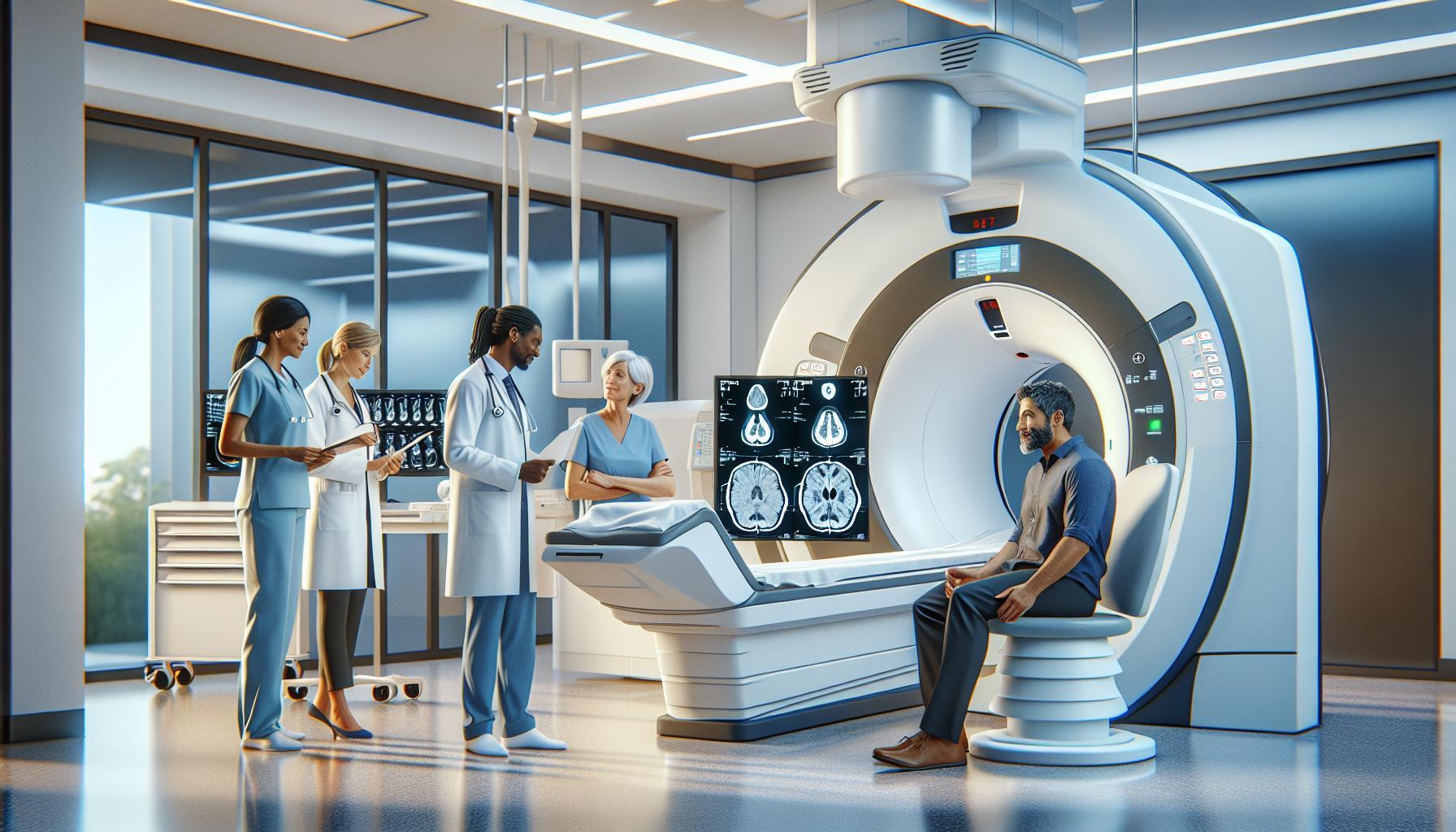
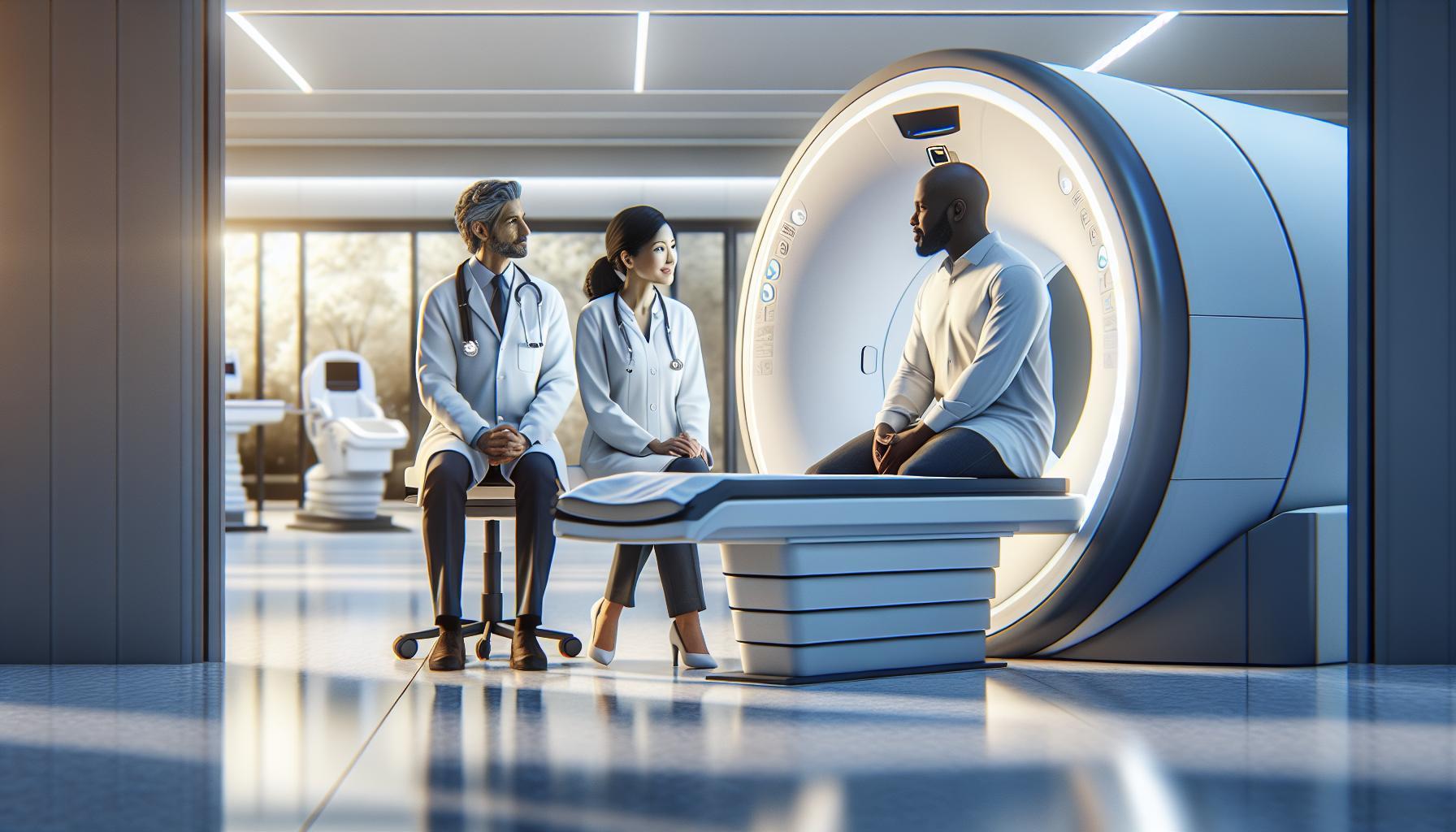
In the ever-evolving world of medical imaging, CT technologists play a crucial role in diagnosing and treating a wide range of conditions. These specialized professionals operate advanced imaging technology that produces detailed cross-sectional images of the body, aiding physicians in making informed medical decisions. Understanding what a CT tech does and the path to becoming one is essential for anyone considering a career in healthcare.
For those seeking a rewarding career, CT technology offers not just job stability but also the opportunity to directly impact patient care. As healthcare systems increasingly rely on imaging for accurate diagnoses, the demand for skilled CT technologists continues to rise. This article will explore the essential functions of these healthcare professionals, outline the necessary education and certifications, and address what it takes to succeed in this vital role in medical imaging. Join us as we delve into the fascinating journey of becoming a CT tech and the invaluable contributions they make to patient health and wellbeing.
What Does a CT Tech Do? Understanding Their Responsibilities
As patients step into a medical imaging facility, their experience often hinges on the professionalism and expertise of the CT technologist. These skilled professionals play a pivotal role in the healthcare system, utilizing computed tomography (CT) technology to produce detailed images of the body’s internal structures. Their responsibilities extend far beyond merely operating the machine; they encompass a range of critical tasks that ensure the safety, comfort, and accuracy of diagnostic imaging procedures.
A CT technologist is responsible for preparing patients for scans, which often includes explaining the procedure to reduce anxiety and answering any questions. This not only helps patients feel more at ease but also ensures they understand the importance of following instructions, such as remaining still during imaging. Throughout the scanning process, the technologist must manage various technical aspects, including adjusting the equipment settings to obtain the best possible images while adhering to safety protocols that minimize radiation exposure.
Additionally, CT technologists must ensure that all images meet the required standards for interpretation by radiologists. They also play a crucial role in maintaining the imaging equipment, performing routine checks, and troubleshooting any technical issues that may arise during a procedure. After scanning, they may also assist in patient follow-up or provide instructions on what the patient can expect next. This multi-faceted position not only demands technical proficiency but also requires strong interpersonal skills to effectively communicate with patients and healthcare staff alike.
Essential Skills for a Successful CT Technologist
In the realm of medical imaging, the role of a CT technologist is not only technical but profoundly interpersonal, requiring a blend of specialized skills that ensures high-quality patient care and effective imaging outcomes. A successful CT tech possesses a range of essential abilities that enable them to perform their duties with confidence and compassion.
Key among these skills is the ability to operate sophisticated imaging equipment effectively. This encompasses understanding how to adjust settings to optimize the quality of the images obtained while also following strict safety protocols to minimize radiation exposure to patients. Technologists must also be adept at troubleshooting during procedures, swiftly addressing any technical issues that may arise. Strong problem-solving skills enable them to navigate the complexities of different imaging scenarios, ensuring precise and accurate results.
Interpersonal skills are equally critical. A CT technologist must be able to communicate clearly and effectively with patients, helping to alleviate anxiety related to medical procedures. This includes explaining the scanning process, answering questions, and reassuring patients about their safety. Empathy and patient-focused communication foster trust and cooperation, key elements in achieving high-quality imaging results. Additionally, teamwork skills are vital as they frequently collaborate with radiologists and other healthcare professionals to ensure seamless workflow and optimal patient care.
Moreover, a thorough understanding of anatomy and medical terminology is important for accurately identifying areas of interest during scans and for contributing effectively to discussions regarding imaging findings. As medical imaging technology continues to evolve, staying updated on the latest advancements through continual education and professional development is also important for maintaining competence in this ever-changing field.
Ultimately, the combination of technical expertise, strong interpersonal skills, and a commitment to ongoing learning makes for a well-rounded and successful CT technologist, capable of delivering exceptional care to patients while advancing their career in the imaging profession.
Educational Requirements for CT Imaging Professionals
To embark on a career as a CT technologist, understanding the educational requirements is foundational. This role demands a unique blend of technical knowledge and practical skills, as the technologist works at the intersection of patient care and advanced imaging technology.
Individuals aspiring to become CT technologists typically begin their education by completing an Associate’s Degree in Radiologic Technology or a related field. This foundational education covers essential topics such as anatomy, physiology, patient care, and the principles of medical imaging. Many programs also offer internships, providing valuable hands-on experience. For those who are already certified radiologic technologists, continuing education through specialized training in CT imaging can be achieved through certificate programs, which focus specifically on computerized tomography.
After completing educational requirements, obtaining certification is crucial. Most employers prefer or require certification from a recognized body, such as the American Registry of Radiologic Technologists (ARRT). This credential demonstrates a commitment to professional standards and indicates that the individual possesses the necessary skills to perform CT scans safely and effectively. Continuous education is also important, as technology and protocols in healthcare are rapidly evolving.
In practical terms, undertaking this educational journey not only equips future CT technologists with essential technical skills but also fosters qualities crucial for excellent patient care. By understanding the intricacies of CT technology, these professionals can reassure patients and ensure a smooth scanning process, ultimately leading to better imaging outcomes and enhanced patient experiences.
Certification and Licensure: A Guide for CT Techs
To ensure excellence in the field of computed tomography (CT), aspiring CT technologists must navigate a clear path of certification and licensure. This gateway to a rewarding career emphasizes not only the essential skills required but also the commitment to patient care and safety that defines this profession.
Obtaining certification typically begins with earning an appropriate primary credential in radiography, nuclear medicine technology, or radiation therapy. Following this, candidates must pursue the American Registry of Radiologic Technologists (ARRT) certification specifically in CT. This certification process involves passing a comprehensive examination that tests the individual’s knowledge and proficiency in CT procedures, patient safety, and imaging techniques. The ARRT certification is widely recognized and preferred by most healthcare employers, as it signifies that a technologist adheres to high professional standards[1[1].
In addition to certification, maintaining licensure is crucial. Many states require radiologic technologists to obtain a state license, which often involves continuing education credits to ensure that technologists are up-to-date with the latest technologies and practices in CT imaging. For instance, institutions like the Pima Medical Institute offer specialized certificate programs in CT that help fulfill educational requirements and prepare technologists for certification examinations[2[2].
Engaging in ongoing education and training is vital for those in the CT field, as technology in medical imaging continuously evolves. This commitment not only enhances professional growth but also enriches the ability to provide compassionate and informed patient care. By staying informed about advancements in CT technology and best practices, technologists can reassure patients and facilitate a smoother imaging experience, ultimately leading to better health outcomes.
Career Advancement Opportunities in CT Imaging
Advancements in the field of CT imaging not only offer an exciting career opportunity but also pave the way for professional growth and specialization. As technology evolves and the demand for skilled technologists increases, numerous pathways present themselves for those aspiring to elevate their careers in this vital sector of healthcare. With a commitment to lifelong learning and a passion for patient care, CT technologists can find a variety of routes to enhance their positions.
One prominent avenue for career advancement is the option to specialize in specific areas of CT imaging. Technologists may choose to focus on pediatric imaging, neurological imaging, or even become experts in advanced imaging techniques such as CT angiography. These specialized roles often command higher salaries and can lead to positions in teaching, consulting, or management. Certifications from recognized bodies, such as the American Registry of Radiologic Technologists (ARRT), can enhance credibility and open doors to these specialized positions.
Moreover, aspiring technologists can pursue leadership roles within their workplace. This could involve becoming a lead technologist, radiology supervisor, or department manager. Such positions often require strong communication, organizational, and mentoring skills, all of which can be developed through experience and targeted training. Participating in workshops, conferences, and further education can provide the knowledge and skills needed to thrive in these roles, fostering an environment of growth not only for the individual but also for their colleagues and the institution as a whole.
Networking is equally essential in this field. Joining professional organizations related to radiology and imaging can provide valuable resources, mentorship opportunities, and connections that may lead to job openings and career-enhancing projects. Engaging in these communities also keeps technologists informed about the latest advancements and trends affecting their field, enabling them to remain competitive and innovative in their practices.
In summary, the landscape of CT imaging is rich with opportunities for those willing to pursue them. By embracing specialization, gaining leadership skills, and actively participating in professional networks, technologists can not only advance their careers but also improve the quality of care they provide to patients, ultimately making a substantial impact in healthcare.
Current Trends and Technologies in CT Scanning
The field of CT imaging is rapidly advancing, with new technologies and trends reshaping how CT scans are performed and utilized in healthcare. These developments not only enhance diagnostic capabilities but also improve patient safety and comfort. For CT technologists, staying informed about these innovations is essential for delivering high-quality care and optimizing patient outcomes.
One of the significant trends in CT technology is the integration of artificial intelligence (AI) in imaging processes. AI algorithms are increasingly being used to assist radiologists in interpreting scans, significantly reducing the time required for diagnosis. This can lead to more accurate readings and quicker turnaround times for patients awaiting results. Furthermore, advancements such as spectral imaging allow for better differentiation of tissues, improving the detection of conditions like cancer and vascular diseases. As these technologies evolve, CT techs must adapt their skills and understanding to collaborate effectively with AI systems.
The shift towards patient-centered care is another essential trend influencing CT practices. Emphasis on patient comfort and reduced anxiety during scans is leading to the implementation of innovative techniques, such as low-dose CT protocols. These techniques are designed to minimize radiation exposure while still providing high-quality images. Additionally, advancements in scanner design, including quieter machines and flexible positioning options, contribute to a more pleasant experience for patients. Technologists play a critical role in guiding patients through procedures, addressing their concerns, and ensuring that they understand the process, which is vital for building trust and reducing anxiety.
As the demand for CT scans continues to grow, driven in part by an increase in patient volume and the complexity of exams, technologists must also be prepared to manage these challenges. Presenting patients with clear information about what to expect not only improves their experience but also helps ensure the accuracy of the scans performed. Moreover, technologists are encouraged to pursue ongoing education and training to stay current with the latest technologies and best practices. Membership in professional organizations can provide valuable resources, opportunities for networking, and access to cutting-edge information on emerging trends in CT imaging.
In summary, the landscape of CT scanning is dynamic and constantly evolving. As a CT technologist, embracing these trends and advancing your skills will not only enhance your career but also improve the quality of care you provide, positively impacting patient health outcomes. Keeping an eye on new developments, understanding their implications, and valuing the patient experience are vital components of a successful career in CT technology.
The Importance of Patient Care in CT Imaging
A CT scan can provoke feelings of anxiety and uncertainty for many patients, making the role of the CT technologist crucial in delivering an empathetic and reassuring experience. CT technologists are not only skilled in operating advanced imaging equipment but also serve as a supportive presence for patients navigating the complexities of medical procedures. Establishing trust and comfort begins with clear communication, helping patients understand the purpose of the scan, what to expect during the procedure, and addressing any concerns they may have.
Effective patient care in CT imaging hinges on several key practices. First, it’s essential to educate patients about the process. A simple breakdown can alleviate fear significantly. For instance, explaining that the scan is painless and involves lying still for a short period demystifies the experience. Providing a step-by-step outline of the scan-from preparation to results-allows patients to feel more in control and less anxious. Technologists can use calming phrases, like “You are doing great” or “We’ll get started soon,” to foster a comforting environment.
Additionally, patient comfort measures are vital in enhancing the overall experience. Technologists can offer support through the emotional aspects of undergoing scans, reassuring patients about the safety of the procedure. For example, using low-dose protocols not only reduces radiation exposure but also enhances patient confidence in the care they are receiving. Creating a quiet, soothing atmosphere with flexible options for positioning during the scan contributes to a more pleasant experience, thereby promoting patient compliance and improving image quality.
Incorporating patient feedback is another instrumental aspect of delivering high-quality care. After the procedure, CT technologists can engage patients in a brief conversation about their experience. This can reveal insights that help improve future patient interactions and care strategies. Ultimately, the impact of compassionate care in CT imaging goes beyond mere technical skill; it combines expertise with empathy, ensuring that every patient feels respected, understood, and cared for during a potentially daunting experience.
Working Conditions: What to Expect as a CT Tech
The working environment for CT technologists is dynamic and often fast-paced. Technologists can expect to work in a variety of healthcare settings, including hospitals, outpatient imaging centers, and specialized clinics. Typically, these facilities are equipped with state-of-the-art computerized tomography (CT) scanners that enable the production of intricate images of the body’s internal structures. Given the technological nature of the job, familiarity and comfort with advanced imaging equipment are essential.
CT technologists often work closely with radiologists and other healthcare professionals, participating in a collaborative healthcare team. Daily activities include preparing patients for scans, ensuring that all safety protocols are followed, and meticulously capturing high-quality images for diagnostic purposes. The technologist’s role also involves maintaining the imaging equipment, which may include conducting routine quality checks to ensure optimal scanner performance. Effectively communicating with patients before, during, and after procedures is crucial for easing any anxiety they may feel and ensuring they understand what to expect.
A typical work schedule can vary significantly, with some technologists working traditional day shifts while others may be required to cover evenings, weekends, or on-call duties as part of a healthcare institution’s commitment to providing round-the-clock care. This flexibility can be rewarding, offering opportunities to learn and create unique patient interactions. It’s essential for aspiring CT technologists to be prepared for the physical demands of the job, which may include standing for extended periods, assisting patients with mobility issues, or adjusting heavy imaging equipment.
Key Aspects of the Working Environment
- Team Collaboration: Regular interaction with medical staff for coordinated patient care.
- Patient Interaction: Direct communication to alleviate fears and provide guidance.
- Equipment Maintenance: Routine checks and troubleshooting of CT scanners.
- Shift Variability: Adaptability to diverse schedules and potential emergency situations.
By understanding these facets of the work environment, aspiring CT technologists can better prepare for this fulfilling career that plays a vital role in the healthcare sector. The combination of patient interaction, technical skill, and teamwork not only enhances diagnostic proficiency but also enriches the overall patient experience.
Salary Expectations and Job Market Outlook for CT Techs
In an evolving healthcare landscape, the demand for skilled CT technologists continues to grow, underscoring the importance of this role in medical imaging. The average salary for a CT technologist in the United States hovers around $79,259 annually, which breaks down to approximately $38.11 per hour. This figure, however, can vary significantly based on factors such as geographic location, years of experience, and the specific healthcare facility. For instance, data from Springfield, IL, reveals that CT technologists earn an average of $2,524 weekly, which equates to about $131,248 annually when extrapolated over the year [[1](https://www.indeed.com/career/ct-technologist/salaries/Springfield–IL)].
The job market for CT techs is promising, with a steady demand projected as healthcare facilities expand their imaging capabilities to offer advanced diagnostic services. As technology advances and more sophisticated imaging solutions become available, employers increasingly seek out qualified professionals who can operate and maintain these systems effectively. Furthermore, certifications and additional specializations can enhance a technologist’s earning potential and employability, leading to various opportunities for advancement within the field.
Job Market Outlook
The outlook for CT technologists remains strong, with job growth expected to increase as medical imaging technologies become integral in patient diagnosis and treatment planning. Factors contributing to this positive trend include a growing aging population that requires more diagnostic services and advancements in imaging technology that allow for less invasive procedural approaches. Those entering the field can anticipate numerous opportunities across hospitals, outpatient centers, and specialized imaging facilities, making it a fulfilling career path for aspiring healthcare professionals.
In summary, the salary expectations and job market for CT technologists reflect a stable and rewarding profession, with competitive pay that is likely to increase as demand rises. Aspiring technologists should consider additional training or certifications to maximize their opportunities in this dynamic field, ensuring they remain at the forefront of medical imaging advancements.
Common Challenges Faced by CT Technologists
The role of a CT technologist is not without its challenges, which can be as varied as the patients they serve. One of the most significant hurdles is managing the increasing workload in healthcare facilities. As medical imaging technology advances, the demand for high-quality scans rises, resulting in technologists frequently juggling heavy patient loads. This scenario can lead to stress and burnout, especially when striving to maintain accuracy and attention to detail essential for patient safety and diagnostic quality.
Another common challenge is staying abreast of rapidly evolving technology and protocols. The imaging field constantly introduces new techniques and equipment, requiring technologists to engage in ongoing education and training. Navigating these advancements can be daunting, particularly for those new to the profession or transitioning from traditional imaging practices. Embracing continuous learning is crucial, as it enhances both competence and confidence in utilizing new technologies effectively.
Effective communication also plays a crucial role in the daily responsibilities of CT technologists. They must clearly explain procedures to patients, many of whom may feel anxious about the process. Calming patient fears while ensuring their understanding of the imaging process is vital. Additionally, collaborating with radiologists and other healthcare professionals requires strong interpersonal skills to ensure accurate outcomes and patient care continuity.
Finally, technologists must address the potential physical demands of the job. Prolonged periods of standing, lifting patients, and working with heavy equipment may lead to fatigue or musculoskeletal issues. Implementing proper ergonomics and self-care routines can mitigate some of these physical strains. Seeking support from management for adequate staffing and resources can also contribute to a more manageable workload, allowing technologists to focus on delivering exceptional care to their patients.
In conclusion, while the role of a CT technologist is rewarding, it comes with its set of challenges. Understanding these hurdles and actively seeking solutions can empower technologists to thrive in their careers while providing high-quality care to those they serve.
Preparing for a Career in CT Technology: Tips and Resources
The pathway to becoming a CT technologist is both rewarding and multifaceted, offering a unique opportunity to blend technical expertise with patient care. Aspiring professionals may find it helpful to approach this journey with a well-defined plan. Engaging in the right educational programs, obtaining necessary certifications, and gaining hands-on experience are essential steps to prepare for a successful career in CT technology.
One practical tip is to begin with foundational courses in radiologic technology, as many CT technologists hold degrees in this area. Community colleges and universities often offer accredited programs, which provide both theoretical knowledge and practical skill development. Pursuing an associate’s or bachelor’s degree in radiologic technology not only equips students with essential competencies related to imaging technology but also establishes a strong groundwork for specialization in computed tomography.
Gaining certification can significantly enhance job prospects. Most employers favor candidates who are certified by recognized bodies such as the American Registry of Radiologic Technologists (ARRT). Consider preparing for the ARRT certification exam by utilizing comprehensive study guides and enrolling in review courses. Additionally, staying informed about various state licensure requirements is crucial, as these can vary and may add further prerequisites to your professional qualifications.
Networking within the healthcare community can also open doors. Joining professional organizations, such as the American Society of Radiologic Technologists (ASRT), allows aspiring CT technologists to connect with mentors and peers, attend workshops, and access valuable resources such as job boards and webinars on industry trends. Volunteer opportunities or internships at local hospitals or imaging centers can provide valuable hands-on exposure and insight into daily operations, helping to bridge the gap between education and real-world practice.
Finally, embracing a mindset of lifelong learning is indispensable in the fast-evolving field of medical imaging. Actively seeking continuing education courses and staying updated with the latest advancements in CT technology will foster professional growth and enhance your capabilities as a CT technologist. By preparing thoroughly and remaining adaptable to change, you’ll be well-equipped to build a fulfilling career in this dynamic field.
Future Prospects: The Evolution of CT Technology and Role
The landscape of computed tomography (CT) technology is rapidly evolving, presenting promising advancements that significantly enhance the role of CT technologists. As we navigate a world increasingly shaped by technological innovations, CT professionals are at the forefront, adapting to new equipment and methodologies that improve patient care and clinical outcomes. With every leap in technology, there arises a compelling opportunity for CT technologists to expand their skillsets, making their roles not just important but indispensable in the healthcare ecosystem.
Recent developments in CT imaging have focused on increasing speed and reducing radiation doses, which is critical for patient safety. Innovations such as dual-energy CT, which allows for improved tissue characterization and differentiation between materials, are changing the way diagnostics are performed. For CT techs, this means staying abreast of new technologies and learning how to operate this sophisticated equipment efficiently. Continuing education is not just beneficial; it’s necessary to maintain competency in the face of continual advancements.
Moreover, the integration of artificial intelligence (AI) within CT technology is paving the way for more accurate readings and improved workflow efficiency. AI algorithms can assist in image reconstruction, making it possible to produce high-quality images quickly while reducing the burden on radiologists. As this technology evolves, CT technologists will find themselves taking on new responsibilities, including the monitoring and troubleshooting of AI systems, collaboration with IT departments, and advanced patient interaction techniques, heightening their roles from mere operators to critical members of the healthcare team.
In addition to technical advancements, the emphasis on patient-centered care is reshaping the role of CT technologists. Increased recognition of patients’ emotional experiences during imaging procedures compels technologists to foster a calmer and more supportive atmosphere. Skills in communication and empathy are becoming equally as important as technical expertise. As technologists work to educate patients about the procedures and what to expect, they play a pivotal role in alleviating anxiety-essential for both patient comfort and cooperation.
As we look to the future, aspiring CT technologists will need to embrace a mindset of continuous learning and adaptability. They should seek out opportunities for specialization, possibly in areas such as pediatric imaging or interventional CT, where their unique skills can greatly impact specialized patient populations. Networking within professional organizations, participating in workshops, and accessing online courses are vital practices for staying informed about the latest trends and enhancing job prospects.
In summary, the future of CT technology is bright, with numerous opportunities for growth and development. CT technologists are encouraged to remain curious, flexible, and open to new ideas as they navigate this dynamic field, ensuring they continue to provide exceptional care and advanced imaging services.
Q&A
Q: What qualifications do you need to become a CT tech?
A: To become a CT tech, you typically need an associate’s degree in radiography or a related field, followed by specialized training in computed tomography. Certification from a recognized authority, such as the American Registry of Radiologic Technologists (ARRT), is also often required for employment.
Q: What is the role of a CT tech in patient care?
A: A CT tech plays a critical role in patient care by ensuring the safety and comfort of patients during imaging procedures. They explain the process, prepare the necessary equipment, and monitor patients throughout the scan, all while ensuring adherence to safety protocols.
Q: How does a CT tech’s work differ from that of a radiologic technologist?
A: While both CT techs and radiologic technologists perform imaging tests, CT techs specialize in computed tomography, which involves cross-sectional imaging of the body. In contrast, radiologic technologists may use X-ray technology for various diagnostic purposes.
Q: What are the common working conditions for CT techs?
A: CT techs typically work in hospitals, outpatient centers, or imaging clinics. They often work irregular hours, including nights and weekends, and must be able to stand for long periods. The environment may also involve exposure to radiation, making safety practices essential.
Q: How can a CT tech advance their career?
A: CT techs can advance their careers by obtaining additional certifications, specializing in areas like MRI or interventional radiology, or pursuing supervisory or management roles. Ongoing education and training in emerging technologies also enhance career prospects.
Q: What technology trends are influencing the role of CT techs?
A: Current trends affecting CT techs include advancements in machine learning and artificial intelligence, which improve imaging capabilities and patient care. Additionally, developments in low-dose CT scans are enhancing patient safety while maintaining diagnostic efficacy.
Q: What are some challenges faced by CT techs on the job?
A: CT techs may face challenges such as working with anxious patients, managing a heavy workload, and ensuring accurate imaging results while adhering to safety protocols. Time management and communication skills are crucial to overcoming these challenges effectively.
Q: How does the salary of a CT tech compare to other imaging professionals?
A: Salaries for CT techs are generally competitive with other imaging professionals, often higher than those of general radiologic technologists due to their specialized training. Factors such as location, experience, and institution type can influence salary levels.
In Retrospect
As you delve deeper into the role of a CT technologist, remember that these skilled professionals are crucial for accurate diagnoses and effective patient care. If you’re considering pursuing a career in imaging or enhancing your knowledge in medical imaging procedures, now is the perfect time to act. Explore our in-depth guides on advanced imaging techniques and the skills needed to excel in this dynamic field.
For those curious about the patient experience, check out our resources on preparing for CT scans to ease any concerns you may have. Don’t forget to sign up for our newsletter to stay updated on the latest trends in medical imaging! Your journey towards understanding the vital contributions of CT techs starts here-engage with our community, leave your comments, and share your experiences. Let’s continue this exploration together!