Concussions are a significant concern, especially in contact sports, where their impact can be profound and long-lasting. If you’ve experienced a head injury, you may wonder if a CT scan can provide answers about your condition. While CT scans can offer critical insights into potential complications that may require immediate intervention, they cannot directly detect a concussion or post-concussion syndrome. Understanding the role of CT imaging is essential for managing your recovery effectively and ensuring your well-being.
As you navigate through this article, you’ll gain clarity on what a CT scan can reveal, the specific scenarios where this imaging is recommended, and the importance of seeking medical advice tailored to your unique situation. This knowledge empowers you to make informed decisions about your health and recovery process, guiding you toward a safer and informed path forward.
Will a CT Scan Detect a Concussion? Understanding the Limits
While many people associate a concussion with visible brain injuries, it’s important to understand the limitations of CT scans in detecting such injuries. A CT scan is highly valuable in ruling out severe damage, such as skull fractures or significant bleeding within the brain, but it often does not reveal the subtle changes that occur with a concussion. This is primarily because concussions affect brain function rather than its structural integrity, leading to normal CT scan results even when a concussion is present.
Despite its effectiveness for imaging major injuries, studies show that CT scans can be normal in patients experiencing mild traumatic brain injuries, including concussions [[3]]. Therefore, reliance solely on CT imaging results may be misleading, potentially causing reassurance when further evaluation is required. For a comprehensive assessment, healthcare providers may also utilize neuropsychological tests and other diagnostic tools, as symptoms of a concussion may not manifest immediately and can sometimes go unnoticed for hours or days [[2]].
Understanding that a CT scan is not the definitive tool for diagnosing concussions can alleviate some anxiety and uncertainty surrounding the process. It emphasizes the critical need for thorough evaluation by a healthcare professional who can interpret symptoms and recommend appropriate follow-up care. With the right support and understanding of these imaging limitations, patients can navigate their health concerns more effectively while prioritizing their recovery journey.
How a CT Scan Works: Step-by-Step Process
A CT scan, or computed tomography scan, is a powerful imaging tool that provides detailed images of the body’s internal structures, including the brain. Understanding how a CT scan works can help alleviate any concerns you might have about the procedure, especially when it comes to diagnosing conditions like concussions.
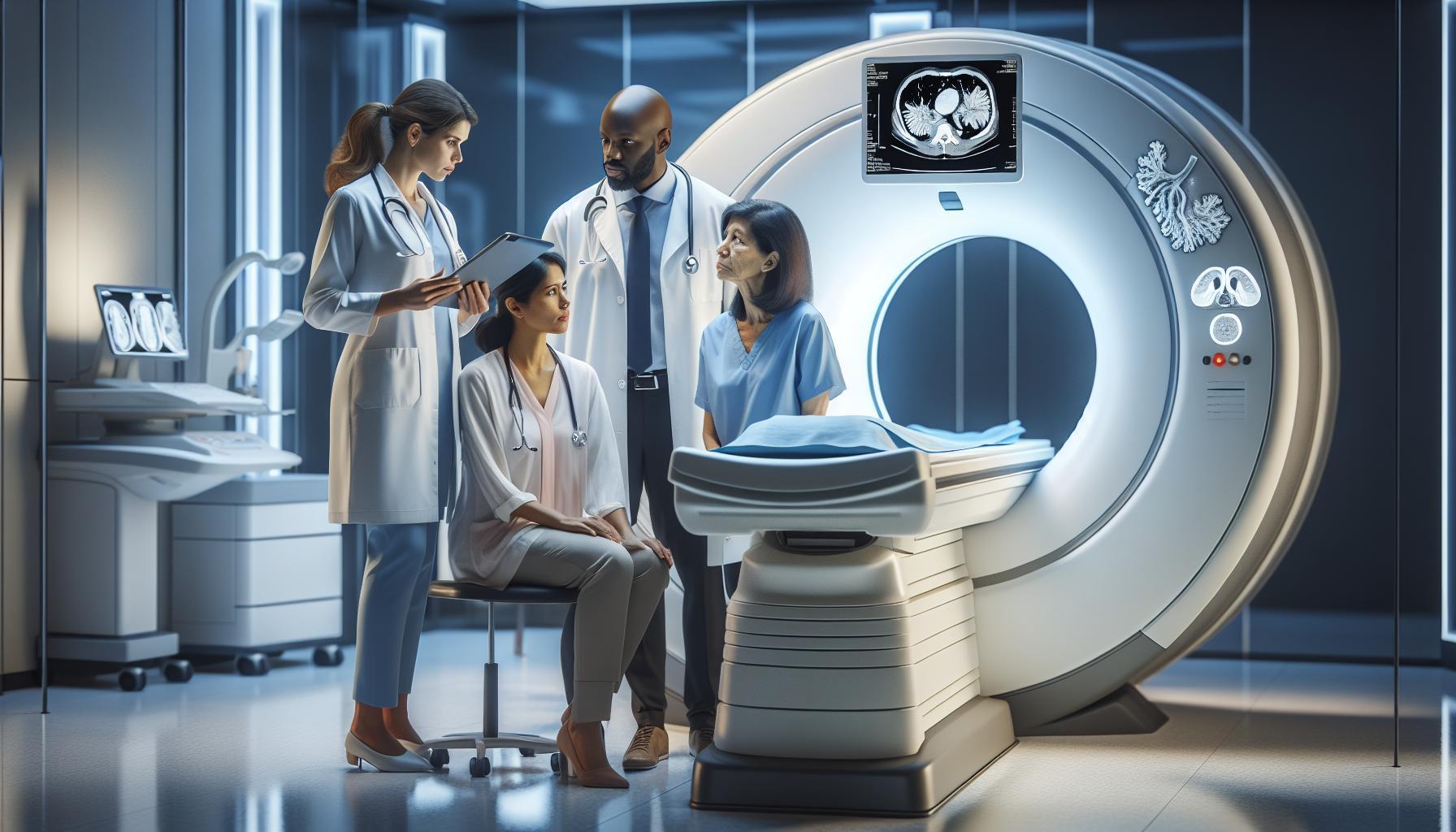
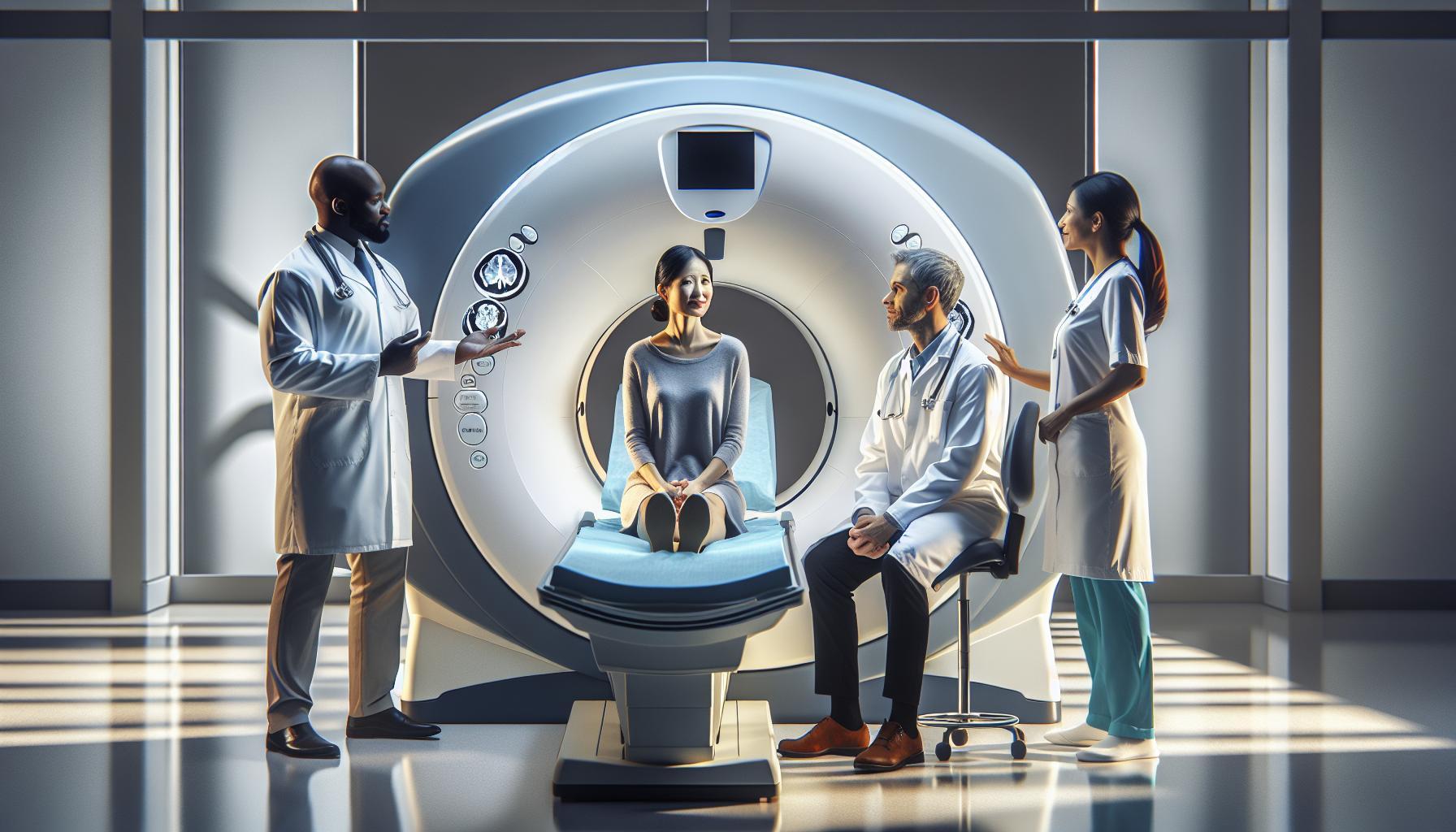
During the CT scan process, you will lie on a narrow examination table that will slide into the circular opening of the CT machine. As the machine rotates around you, it takes numerous X-ray images from different angles. These images are then processed by a computer to create cross-sectional images, or slices, of your brain. Here’s a step-by-step overview of what to expect:
Step-by-Step CT Scan Process
- Preparation: Before your scan, you may be asked to change into a hospital gown. It’s important to inform the medical staff of any allergies, especially to contrast dye if it will be used.
- Positioning: You will be instructed to lie flat on your back. Depending on the area being scanned, pillows may be placed to keep you comfortable and still.
- Machine Operation: The technician will step out of the room and operate the CT scanner from a separate area. They will communicate with you through an intercom. The machine will buzz and whirr as it captures images.
- Breathing Instructions: You may be asked to hold your breath temporarily during the scanning process to prevent movement, which can create blurriness in the images.
- Completion: Most scans take about 10-30 minutes. Once completed, you can resume your normal activities, though if contrast dye was used, you might be monitored for any reactions.
These steps underscore the efficiency and safety of the CT scan procedure. Although the scans can identify more severe injuries like fractures or bleeding, they may not detect subtle functional changes related to a concussion. Understanding this distinction can help manage expectations while ensuring that healthcare providers can interpret your symptoms thoroughly and recommend appropriate care. Remember, your comfort and understanding are paramount, so don’t hesitate to ask the healthcare team any questions you may have about the process before it begins.
When Is a CT Scan Recommended for Concussions?
In certain situations, a CT scan can be a crucial component in managing a concussion or traumatic brain injury (TBI). While CT scans are not designed to diagnose concussions specifically, they are recommended when there’s a suspicion of severe underlying injuries that may require immediate medical intervention. For instance, if a person experiences a significant blow to the head and exhibits symptoms such as prolonged loss of consciousness, severe headache, or neurological deficits, a CT scan may be necessary to rule out more serious conditions such as skull fractures or intracranial bleeding.
Healthcare professionals typically recommend a CT scan if the patient presents with the following symptoms:
- Severe or worsening headache: If the headache is not improving or intensifying, it could signal more serious injury.
- Repeated vomiting: This can indicate increased intracranial pressure.
- Unusual behavior: Confusion, drowsiness, or difficulty with coordination may suggest serious brain injury.
- Seizures: This is a concerning sign that necessitates prompt evaluation.
- Reported loss of consciousness: Even if brief, it warrants further investigation.
It’s important to note that while a CT scan can identify physical injuries, it is less effective in detecting more subtle brain changes associated with concussions, such as functional deficits in brain activity. According to current medical guidelines, CT scans are used primarily to rule out acute complications, while the diagnosis of a concussion itself is often made based on clinical evaluation and symptom reporting. Therefore, if you suspect a concussion, consulting a healthcare professional for a thorough assessment is vital for appropriate care and management.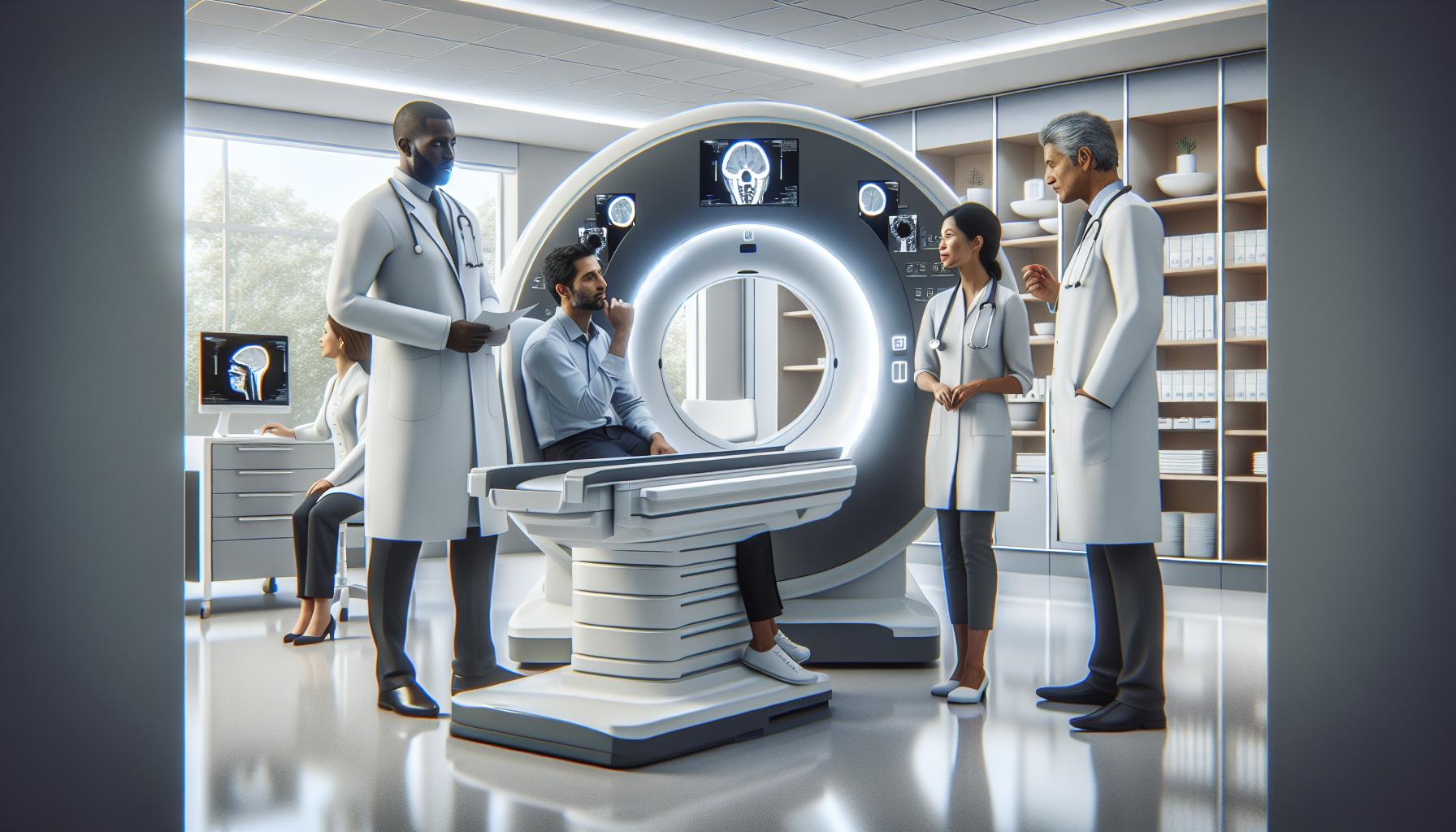
Key Symptoms and Signs of a Concussion
Experiencing a concussion can be alarming, and understanding the signs and symptoms is crucial for timely and appropriate care. A concussion is a type of traumatic brain injury that occurs when the brain is jolted inside the skull, often resulting from a blow to the head or a sudden movement. Individuals may not always recognize the subtle changes in their condition, which is why being aware of key symptoms can make all the difference in seeking medical attention.
One of the most common symptoms of a concussion is a headache, which may start mild but can worsen over time. It’s essential to pay attention to how your body responds; persistent headaches could indicate more severe injury. In addition, symptoms such as confusion or memory loss immediately following the incident should not be overlooked. For example, you might find it challenging to recall events before or after your injury. Physical symptoms can also present, including nausea or vomiting, which may signify increased intracranial pressure, prompting urgent medical evaluation.
Emotional and psychological effects are equally significant but often overlooked. People may experience mood swings, irritability, or difficulty sleeping, which can further complicate the recovery process. Visual disturbances, like blurred vision or difficulty concentrating, are also prevalent and can interfere with daily activities. If you notice these symptoms, it’s a clear indication that you should consult a healthcare professional for a thorough assessment.
If you or someone you know shows any of these signs after a head injury, prioritizing medical evaluation is vital. Remember, while a CT scan can help rule out serious injuries, diagnosis and management of a concussion rely heavily on clinical judgment and patient history. Empower yourself with knowledge about these key symptoms, and don’t hesitate to reach out for help when needed.
CT Scan vs. Other Imaging: What to Know
Understanding the nuances between different imaging techniques can empower you to make informed health decisions, especially when dealing with a concussion. While a CT scan is a common imaging tool used in emergency settings, it is important to recognize its limitations. CT scans primarily excel in identifying acute injuries, such as fractures or significant bleeding. However, they do not detect the microscopic injuries often associated with concussions. These injuries, caused by shearing forces that affect nerve cells, may not produce any visible changes on a CT scan, which often appears normal even when a concussion has occurred [1[1].
In contrast, MRI technology offers a more detailed view of the brain’s soft tissues and is better suited for identifying some chronic changes or conditions that may arise from a concussion. However, like CT scans, standard MRIs may not always show immediate changes post-concussion, as the symptoms can stem from functional disturbances rather than structural damage [3[3]. For instance, a new type of MRI called fNCI (functional Neuroimaging) can illustrate how brain function is affected after concussion, potentially detecting disrupted brain activity even when traditional imaging appears normal [2[2].
When you’re evaluated for a concussion, healthcare professionals may decide the best imaging approach based on your symptoms and risk factors. While it can be concerning to hear that a CT scan may not definitively reveal a concussion, it’s crucial to remember that clinical assessment remains a cornerstone in the diagnosis and treatment process. Consulting with your healthcare provider will ensure that you’re receiving the most appropriate care tailored to your specific situation. Always prioritize your well-being and seek guidance when faced with uncertainties related to your health.
Preparing for a CT Scan: Patient Guidelines
Preparing for a CT scan can be an important step in assessing a potential concussion, and understanding what to expect can help alleviate any anxiety you may feel. While the process is generally straightforward, having a clear plan can make the experience smoother and ensure that you are well-informed. Before your appointment, it’s beneficial to follow some straightforward guidelines to get ready for the scan and to help your healthcare team support your needs effectively.
First and foremost, it’s essential to communicate openly with your healthcare provider about any medications you are taking and any allergies you may have. This information is vital as it can influence the procedure and the results. If you have any surgical implants or devices in your body, such as pacemakers or certain types of metal, make sure to discuss these as well, as they may affect your eligibility for the scan.
On the day of the CT scan, wearing comfortable, loose-fitting clothing is advisable. Avoid clothing with zippers, buttons, or metallic components, as these can interfere with the imaging process. Instead, consider wearing a simple t-shirt or athletic wear. If you are required to change into a hospital gown, don’t worry-your healthcare team will guide you through this process.
Day of the Scan: What to Expect
During the CT scan, you will typically be asked to lie on a table that moves through a large, doughnut-shaped machine. It’s important to stay as still as possible to ensure clear images are captured. You may hear some whirring noises and feel slight movements from the machine, but this is entirely normal. It usually takes only a few minutes to complete the scan, and you will be free to go home shortly afterward, unless otherwise directed by your medical team.
In addition to mental preparation, staying hydrated is essential, but be sure to check if you need to avoid food or drink before the scan as protocols can vary based on your health needs. After the CT scan, your doctor will evaluate the images and discuss the results with you. Understanding that while CT scans are helpful in ruling out serious brain injuries, they may not detect all types of concussive damage can set realistic expectations about your diagnosis. Always reach out to your healthcare provider for personalized advice and support before and after your procedure.
Understanding CT Scan Results: What They Mean
Understanding the results of a CT scan can be both enlightening and concerning for patients seeking answers after a potential concussion. It’s important to note that while CT scans are highly effective at identifying serious brain injuries, such as fractures or bleeding, they have limitations in detecting the subtle changes associated with concussions. This means that a normal CT scan does not necessarily mean that a concussion has not occurred.
When your doctor evaluates the CT scan results, they will look for any visible signs of injury, such as blood clots or structural damage. If these are present, they might indicate a more serious condition requiring immediate treatment. However, since many concussions result from microscopic injuries that affect nerve fibers and are not visible on a standard CT scan, a negative result doesn’t rule out a concussion or post-concussion syndrome. This aspect can understandably cause anxiety, as patients may still experience symptoms like headaches, confusion, or dizziness even after a seemingly normal scan.
If a concussion is suspected despite a clear CT scan, your healthcare provider may recommend further assessments. These could include neuropsychological tests or other imaging techniques, such as MRI, which might provide additional insights into brain function and help in diagnosing any ongoing issues. It’s essential to have open lines of communication with your medical team. They can explain the implications of the CT scan results, offer guidance on symptom management, and outline any necessary follow-up steps to ensure comprehensive care. Remember, each case is unique, and an individualized approach is crucial in navigating the complexities of concussion diagnosis and treatment.
Potential Risks and Safety Considerations of CT Scans
Undergoing a CT scan can understandably evoke anxiety, particularly for individuals seeking answers following a concussion. While these imaging tests are invaluable for identifying significant injuries like fractures or significant bleeding, they do carry some risks and safety considerations that patients should be aware of.
One of the primary concerns with CT scans is exposure to radiation. Although the amount of radiation used in a CT scan is relatively low and generally considered safe, it’s still higher than that of standard X-rays. Repeated exposure to radiation, particularly for younger patients or those requiring multiple scans over time, can increase the risk of developing cancer later in life. Consequently, doctors typically weigh the risks against the benefits and use CT scans judiciously.
Moreover, individuals with a history of allergies or kidney issues should discuss these concerns with their healthcare provider prior to a CT scan. Some CT scans involve the use of contrast agents, which enhance image quality but can lead to allergic reactions or kidney complications in susceptible patients. Hydration before and after the scan is often recommended to help flush the contrast from the system, mitigating potential risks.
While CT scans are crucial diagnostic tools, it’s essential to remain informed and proactive about safety. Ensure your healthcare provider discusses the need for the scan, any associated risks, and the alternative imaging options that might be available, such as MRI, which does not use ionizing radiation. This open dialogue can help alleviate fears and ensure that the chosen diagnostic path is the safest and most effective for your situation.
Cost Factors: How Much Will a CT Scan Cost?
The cost of a CT scan can vary significantly based on various factors, leading many patients to wonder about the financial implications in the context of assessing a concussion. On average, the cost of a CT scan in the United States can range from $300 to $3,000, depending on the location and the facility where the scan is performed. This broad range is influenced by factors such as whether the scan is performed in a hospital or an outpatient clinic, the geographic region, and the specific imaging technology used.
Factors Influencing Cost
Several factors can impact the final price of a CT scan:
- Location: Urban centers usually charge more due to higher overhead costs compared to rural clinics.
- Facility type: Hospitals may have different pricing structures compared to diagnostic imaging centers.
- Insurance Coverage: If you have health insurance, your plan may cover a significant portion of the costs, especially if the scan is deemed medically necessary. It’s crucial to check your policy for specifics on coverage and any applicable co-pays or deductibles.
- Additional Fees: Costs may also include the radiologist’s fees for interpreting the scan, which can be an additional charge.
To better prepare for the expenses associated with a CT scan, discussing with your healthcare provider about the necessity of the scan and possible costs can help in managing expectations. They can provide a clearer understanding of what your insurance is likely to cover and whether alternative imaging options might be more cost-effective.
Ultimately, while the costs may seem daunting, prioritizing your health and ensuring accurate diagnosis in the aftermath of a concussion is invaluable. Many facilities offer payment plans or financial assistance options for those without insurance coverage, ensuring that access to necessary medical imaging remains available. Always remember, following up with your healthcare provider to fully understand both the medical and financial aspects of your care is a wise course of action.
Alternatives to CT Scans for Concussion Diagnosis
When facing a potential concussion, it’s important to know that there are alternatives to CT scans for diagnosing this type of injury. While CT scans are beneficial for ruling out more serious conditions, such as significant brain injuries or bleeding, they do not directly show concussions. Instead, various methods can help assess brain function and provide essential information regarding recovery.
One of the leading alternatives is Magnetic Resonance Imaging (MRI). Unlike CT scans, MRIs use magnetic fields and radio waves to create detailed images of the brain without exposing patients to radiation. While a standard MRI may not definitively diagnose a concussion, specific functional MRIs (fMRIs) can observe changes in blood flow and brain activity, providing insights into brain function post-injury. Additionally, MRIs are particularly useful for visualizing soft tissues and can identify any other underlying conditions that may have been exacerbated by the concussion.
Another promising option is neuropsychological testing. This involves a series of cognitive tests to evaluate memory, attention, reasoning, and problem-solving skills. These assessments help determine the extent of cognitive impairment resulting from a concussion and are often used alongside clinical evaluations. Combining clinical evaluations with neuropsychological assessments can offer a comprehensive understanding of a patient’s condition.
Moreover, some medical facilities use emerging technologies, like functional Near-Infrared Spectroscopy (fNIRS). This non-invasive technique monitors brain chemistry and function by measuring blood oxygenation levels, allowing healthcare providers to gather real-time data about brain health during recovery.
For a proper diagnosis and treatment plan, consulting with a healthcare professional is essential. They can guide you towards the most appropriate alternatives based on individual circumstances. It’s important to understand that while exploring alternatives, the focus remains on ensuring safety, accurate assessment, and facilitating the path to recovery. Being informed empowers you to participate actively in your health care decisions.
The Importance of Follow-Up Care After a Concussion
Experiencing a concussion can be a bewildering time filled with uncertainty and concern. Follow-up care after a concussion is not just a routine procedure, but a vital component of recovery that can significantly impact your long-term health. After an initial assessment, the journey doesn’t end-in fact, it’s just beginning. Proper follow-up can ensure that any lingering symptoms are managed effectively and that patients receive the care necessary to return to their regular activities safely.
Scheduled follow-up appointments with healthcare professionals provide a platform for monitoring symptoms and adjusting treatment plans based on individual progress. These evaluations can identify potential complications or changes in conditions that may require additional interventions. It is crucial to communicate openly with your healthcare provider about any symptoms, no matter how minor they may seem, such as headaches, dizziness, or difficulty concentrating. Early intervention in response to these issues can often lead to quicker recovery times.
In addition to medical evaluations, follow-up care may include specialized rehabilitation programs. These programs are designed to address specific symptoms, such as cognitive difficulties or balance problems, and often involve physical therapists, occupational therapists, or neuropsychologists. For instance, cognitive rehabilitation can aid in recovering mental clarity and everyday functioning, essential for students returning to school or athletes resuming their sport.
Lastly, understanding and managing emotional health is equally important in the recovery process. Many individuals may experience mood swings, anxiety, or depression following a concussion. Follow-up care should include evaluations of mental health, encouraging patients to seek support from therapists or support groups where needed. Remember, recovery from a concussion is often non-linear; consistent and compassionate follow-up care can pave the path to a complete and healthy recovery. Emphasizing safety and health, while remaining attuned to the complexities of recovery, empowers patients to reclaim their lives post-injury.
Frequently Asked Questions About Concussions and CT Scans
When dealing with a concussion, it’s common to have many questions about the role of imaging tests like CT scans. While a CT scan can be a powerful diagnostic tool, it’s essential to understand its limitations when it comes to concussions. A recent study highlights that CT scans typically do not detect concussions or post-concussion syndrome, as these conditions often involve microscopic damage to brain tissue that the scan cannot identify. Instead, other imaging techniques, such as functional MRI, may be more informative in assessing brain dysfunction after a concussion [1].
What Is a CT Scan Good For?
CT scans can be valuable in certain scenarios. If a patient has sustained a head injury and exhibits symptoms such as prolonged loss of consciousness, severe headaches, or neurological deficits, a CT scan may help rule out any serious complications, such as skull fractures or brain hemorrhages [2]. In these cases, the scan serves as a precautionary measure to ensure immediate medical concerns are addressed.
Common Questions to Consider
Many people find themselves wondering about safety, preparation, and potential costs associated with CT scans. Generally, CT scans are quick and painless, typically lasting only a few minutes. It’s important to inform your healthcare provider of any allergies, especially to contrast dyes if one is used, and to discuss whether you are pregnant. Regarding costs, the price of a CT scan can vary widely based on location and type of healthcare facility, so it’s advisable to check with your insurance provider for specifics.
In summary, if there’s concern about a serious injury following a head impact, a CT scan may be warranted. However, it’s crucial to understand that while it plays a role in diagnosing immediate threats, it does not diagnose concussions per se. Always consult with healthcare professionals to tailor any diagnostic approach to your specific needs and to gain a clearer understanding of your condition and treatment options.
Faq
Q: Can a CT scan diagnose a concussion?
A: No, a CT scan cannot diagnose a concussion as it doesn’t reveal the brain’s functional disturbances. However, it can help rule out serious injuries like fractures or bleeding in the brain. For diagnosing concussions, a doctor may use neuropsychological tests and evaluations of cognitive functions.
Q: What imaging tests are best for identifying a concussion?
A: While CT scans are not effective for diagnosing concussions, functional MRI (fMRI) and neurodiagnostic tests, like EyeBoxCNS, can assess brain function and detect abnormalities after a concussion. These tests can help determine cognitive difficulties and the areas of the brain affected.
Q: How are concussions diagnosed if not with CT scans?
A: Concussions are diagnosed through physical exams, symptom evaluations, and cognitive assessments. Doctors may conduct neuropsychological tests to assess memory, attention, and other cognitive functions. This comprehensive evaluation provides insight into the severity of the concussion.
Q: What should I do if I suspect a concussion?
A: If you suspect a concussion, seek medical attention promptly. A healthcare professional will conduct an assessment to diagnose and recommend appropriate management. It’s important to monitor symptoms and avoid physical activities that could exacerbate the injury.
Q: Are there any risks associated with getting a CT scan for concussions?
A: Yes, CT scans expose patients to radiation, which carries potential risks, especially with repeated exposure. Additionally, intravenous contrast used in some scans can cause allergic reactions. Always discuss risks with your doctor, who can advise on the necessity of a CT scan.
Q: What are the symptoms to look for after a concussion?
A: Symptoms of a concussion may include headaches, confusion, dizziness, nausea, balance issues, and sensitivity to light or noise. Cognitive signs can also appear, such as difficulty concentrating and memory problems. Monitoring these symptoms is crucial for recovery.
Q: How can I prepare for a CT scan related to head injuries?
A: To prepare for a CT scan, inform your doctor of any medications, allergies, or conditions. It’s advisable to avoid food or drink for a few hours prior, especially if contrast dye may be used. Wear comfortable clothing without metal before the procedure.
Q: What is the follow-up care after a concussion?
A: Follow-up care for a concussion includes monitoring symptoms, gradually returning to normal activities, and ensuring adequate rest. Medical professionals may recommend physical and cognitive rest periods and may schedule follow-up appointments to assess recovery progress.
Final Thoughts
Understanding whether a CT scan can show a concussion is crucial for anyone navigating head injuries. Remember, while CT scans are valuable for ruling out severe complications, a concussion itself may not be visible on the imaging. If you’re seeking further clarification or have lingering concerns, don’t hesitate to consult your healthcare provider-your health is paramount.
For more information on the importance of neuropsychological tests in concussion diagnosis, visit our article on Diagnosing Concussion or explore When is Brain Imaging Needed to learn about the specific criteria for imaging. Stay informed by signing up for our newsletter to receive updates on similar health topics. Your knowledge is your power-explore further and equip yourself with the information you need for better health outcomes!