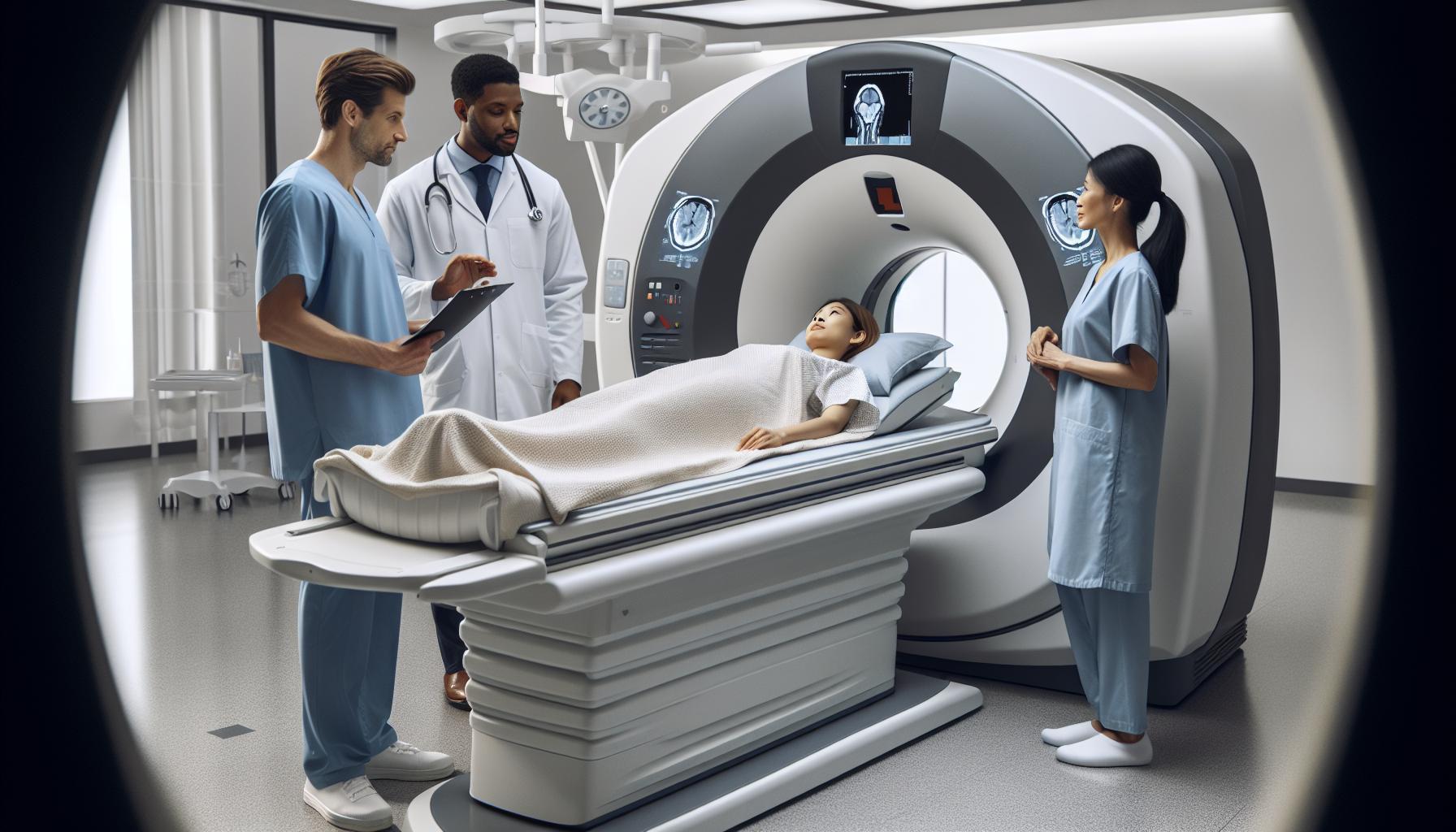
Endometriosis affects millions of individuals, often causing significant pain and distress. Understanding how this condition is diagnosed, particularly through imaging techniques like CT scans, is crucial. However, many patients wonder: will endometriosis show up on a CT scan?
While CT scans can provide valuable insights into various medical conditions, their limitations in detecting endometriosis are noteworthy. This can lead to uncertainty and anxiety for those seeking answers about their symptoms. As we delve into the specifics of CT imaging for endometriosis, we will explore what patients can realistically expect and why it’s essential to consult healthcare professionals for tailored diagnostic approaches. Discovering how endometriosis presents in imaging could empower you with valuable knowledge for discussions with your healthcare team.
Understanding Endometriosis and Its Imaging Challenges
Understanding endometriosis can be daunting, especially when it comes to its detection through imaging. One of the primary methods for visualizing internal pelvic conditions is the CT scan; however, this technique is often not the most effective in identifying endometriosis. Many patients find themselves asking why a CT scan may not reveal this condition, despite experiencing significant symptoms. The challenge lies in the fact that endometriosis can be subtle and may not always lead to the clear, definable masses that CT scans are designed to detect. Tiny lesions, adhesions, or infiltrative growths can be easily overlooked by this type of imaging, particularly when they don’t present with the characteristics of a classic cyst or tumor.
Moreover, the nature of endometriosis varies widely from patient to patient. Some may exhibit extensive disease with apparent lesions, while others have minimal visible signs despite severe symptoms. This inconsistency complicates the interpretation of CT images and can frustrate both patients and healthcare providers. For these reasons, while CT scans play a role in assessing general pelvic pain or complications like bowel obstruction, they fall short for a definitive diagnosis of endometriosis. Instead, clinicians often recommend using MRI or transvaginal ultrasound, as both have been shown to better visualize the soft tissue characteristics and location of endometrial implants.
For patients navigating the intricacies of this condition, understanding these imaging challenges is crucial. It reassures them that if their CT results come back inconclusive, it doesn’t mean their symptoms are any less real. Maintaining open discussion with healthcare providers about the limitations of CT scans and considering alternative imaging methods can lead to a more accurate diagnosis and effective management plan tailored to their unique situation. Empowering yourself with knowledge and an understanding of what various imaging modalities can or cannot show is a vital step in the journey to diagnose and manage endometriosis successfully.
Why CT Scans May Miss Endometriosis
When it comes to diagnosing endometriosis, many patients express confusion and frustration regarding the limitations of CT scans. Although these scans are widely used in medical practice for a range of conditions, their effectiveness in detecting endometriosis is limited. Endometriosis often presents as small, subtle lesions or adhesions that CT imaging may not easily visualize. These lesions can be so tiny that they evade detection altogether, especially when they do not form clearly defined masses like those seen in tumors or cysts. The scans may indicate other issues such as pelvic pain, but they fail to reveal the underlying cause-the endometrial tissue growing outside the uterus.
The diverse nature of endometriosis further complicates its detection. Each patient’s experience can vary significantly; some may have large, visible lesions, while others may have widespread disease with minimal external signs. This inconsistency can lead to inconclusive results from CT scans, leaving both patients and providers puzzled when symptoms persist despite negative imaging findings. Additionally, CT imaging is less effective at distinguishing between endometriosis and other conditions that may cause similar symptoms, leading to potential misdiagnoses or delays in appropriate treatment.
Given these challenges, healthcare professionals often recommend alternative imaging techniques such as MRI or transvaginal ultrasound. These methods offer better soft tissue resolution, allowing for a more detailed view of the pelvic area and the intricate structures that might be affected by endometriosis. Understanding these limitations is essential for patients; if a CT scan fails to provide answers, it is critical to continue seeking care and explore other diagnostic imaging options. This proactive approach not only enhances the likelihood of accurate diagnosis but also empowers patients in their journey towards effective treatment and symptom management.
Alternative Imaging Techniques for Endometriosis Diagnosis
Imaging challenges in diagnosing endometriosis can leave many patients feeling uncertain and frustrated. While CT scans are helpful for visualizing various conditions, they often fall short when it comes to capturing the nuanced features of endometriosis. Fortunately, other imaging techniques can provide a more accurate assessment of this complex condition, offering hope for better diagnosis and management.
One of the most effective alternatives is MRI (Magnetic Resonance Imaging). MRI excels in distinguishing soft tissue structures and is particularly useful for detecting deep infiltrating endometriosis. It creates detailed images of the pelvis, revealing the size, location, and extent of endometriotic lesions, which is essential for surgical planning and treatment decisions. The high contrast resolution of MRI helps visualize even subtle signs of the disease that may be missed by a CT scan, offering a comprehensive evaluation of the pelvic anatomy.
Another powerful imaging modality is the transvaginal ultrasound, which is beneficial for assessing gynecological conditions. This technique allows for dynamic assessment, enabling healthcare providers to observe movement and tenderness in real-time. Known as “soft markers,” these observations can indicate the presence of superficial endometriosis or pelvic adhesions. Transvaginal ultrasound is also utilized to assess the loss of the “sliding sign,” an indication of the pouch of Douglas being affected, which provides crucial insights for surgical planning.
Additional techniques like contrast-enhanced ultrasound (CEUS) also play a role, particularly for evaluating deep pelvic endometriosis. CEUS can help differentiate endometriotic lesions from other concerns, such as neoplasia. Its ability to visualize the layered structure of organs like the intestines is vital for determining the nature and scope of the disease.
In summary, while traditional CT scans may miss endometriosis, other imaging modalities such as MRI and transvaginal ultrasound enhance diagnostic accuracy. By understanding and utilizing these advanced techniques, patients and their healthcare providers can work together towards a clearer diagnosis and more effective treatment strategy. If you’re struggling with symptoms or have had inconclusive imaging results, don’t hesitate to discuss these alternative options with your healthcare provider. Your journey to understanding and managing endometriosis is essential, and exploring the right diagnostic tools can lead to better outcomes.
How to Prepare for a CT Scan: Step-by-Step Guide
Preparing for a CT scan can feel daunting, especially for those already dealing with the challenges of conditions like endometriosis. However, understanding the preparation process can help alleviate some of the anxiety associated with the procedure. CT scans provide valuable information about various health issues, even though they might miss the subtle nuances of endometriosis. Here’s how to get ready for your scan to ensure the best possible results.
Start by consulting with your healthcare provider about any pre-scan instructions. Generally, you may be advised to fast for a few hours before your appointment to ensure that your stomach is empty. This is particularly important if you are receiving contrast material, which is sometimes used to enhance the images. If you have any allergies, especially to iodine or shellfish, be sure to communicate this with your healthcare team in advance.
On the day of your scan, wear comfortable, loose-fitting clothing that will not interfere with the imaging process. It’s recommended to avoid metal accessories such as jewelry, belts, or zippers, as these can obscure the images. Upon arrival at the facility, you may need to change into a hospital gown, so consider wearing something easy to remove.
During the CT scan, you will lie on a table that slides into the machine. It’s important to remain as still as possible while the images are being taken, which usually lasts just a few minutes. The technician will guide you through the process, informing you when to hold your breath and when to breathe normally. If you experience any discomfort during the procedure-like anxiety or claustrophobia-do not hesitate to speak up, as your comfort is their priority.
After the scan, there may be certain post-scan considerations, particularly if you received contrast dye. Drinking plenty of fluids can help flush the dye from your system, and your healthcare provider will inform you about when you can expect to receive your results and any next steps. Remember, while CT scans can provide useful insights, they may not detect all forms of endometriosis accurately, so it’s essential to have a comprehensive evaluation that might include other imaging modalities if needed. Always seek guidance from your healthcare provider regarding the best approach for your specific situation.
What to Expect During a CT Scan for Pelvic Pain
Undergoing a CT scan can understandably be a source of anxiety, especially for those experiencing chronic pelvic pain from conditions like endometriosis. While CT scans are invaluable tools for diagnosing a variety of health conditions, it’s important to understand their limitations when it comes to detecting endometriosis. The technology works by taking a series of X-ray images from different angles to create cross-sectional images of the body, allowing for the assessment of organs, tissues, and structures. However, because endometriosis involves small lesions and adhesions that may be obscured by overlapping structures, it often does not show up clearly on CT scans.
As you prepare for your CT scan, familiarizing yourself with the process can help alleviate some of that anxiety. You’ll typically begin by checking in at the facility where you’ll undergo the scan. After registering, a radiology technician will guide you through the procedure. You’ll lie on a table that slides into the CT machine, which looks somewhat like a large doughnut. It’s crucial to remain still as images are taken, usually lasting just a few minutes. The technician will instruct you regarding when to hold your breath, which is a standard part of the process to minimize movement and ensure clear images.
Many patients express concerns about the contrast dye used during some CT scans. If your healthcare provider deems it necessary, the dye will help enhance visibility of certain structures. It’s often administered intravenously and can cause some temporary sensations, such as warmth or a metallic taste in your mouth. This is completely normal and should subside quickly. After the scan, you’ll be monitored briefly for any immediate reactions to the contrast material, especially if you have known allergies.
Post-scan, hydration is key, particularly if you received contrast dye, as drinking fluids helps flush it from your system. Once you’re done, your healthcare provider will discuss the results with you, typically available within a few days. While CT scans can provide important insights, it’s essential to remember that they might not capture all instances of endometriosis, which could warrant further investigations, such as an MRI or ultrasound, for a comprehensive evaluation of your symptoms. Always consult with your healthcare provider about your specific concerns and imaging needs to ensure the best outcome for your health.
The Role of MRI in Endometriosis Detection
While CT scans are a common imaging method used to assess various medical conditions, they can fall short when it comes to detecting endometriosis. This is primarily due to the nature of the disease itself, which involves small, often hidden lesions that can be obscured by surrounding structures on CT images. In contrast, magnetic resonance imaging (MRI) has emerged as a more effective tool in the detection of endometriosis, showcasing its unique ability to visualize soft tissues in greater detail. This capacity makes MRI an invaluable resource for women suffering from chronic pelvic pain who are seeking answers about their condition.
MRI employs powerful magnets and radio waves to create detailed images of internal structures, which is particularly useful for identifying the more challenging aspects of endometriosis, such as deep infiltrating lesions and adhesions. These factors often elude CT scans due to the overlapping anatomical structures in the pelvic region. Studies have shown that MRI can accurately define the extent and characteristics of endometriosis, helping healthcare providers formulate more informed treatment plans. Additionally, MRI can assist in evaluating other potential complications associated with endometriosis, providing a comprehensive view of the pelvic anatomy.
Preparing for an MRI is generally straightforward, yet understanding the process can help ease any anxiety. Patients are typically advised to wear comfortable clothing without metal parts, as metal can interfere with the imaging process. If you have any medical devices or implants, it’s crucial to inform your healthcare provider, as certain devices may not be compatible with MRI. During the scan, you’ll lie on a table that slides into a large, tube-shaped magnet. It’s important to remain still and may involve brief periods of holding your breath. The entire test usually lasts between 30 to 60 minutes, and the noise produced by the machine can be loud, so headphones might be provided.
As with any medical imaging procedure, clarity of results is essential for effective treatment. Your healthcare provider will review the MRI results and discuss them with you, allowing for a better understanding of your condition. While MRI is not without its limitations, it offers a powerful alternative to CT scans for identifying endometriosis, contributing to more targeted and effective management of this often debilitating condition. For anyone considering imaging options, a conversation with a healthcare provider can clarify which method is most suitable based on individual circumstances.
Common Misconceptions About CT Scans and Endometriosis
Despite the common belief that CT scans are a comprehensive solution for diagnosing various health conditions, many people are unaware that they can significantly miss subtle manifestations of endometriosis. One prevalent misconception is that CT scans are the first-line imaging modality for all types of pelvic pain or suspected endometriosis. In reality, while CT scans provide valuable insights into structural abnormalities, they do not have the sensitivity required to detect the small, often hidden lesions characteristic of endometriosis, as these can be obscured by surrounding anatomy.
Among patients, there is also a belief that more advanced imaging techniques, such as MRI, will always confirm the presence of endometriosis when CT fails. However, it’s essential to understand that while MRI is superior in visualizing soft tissue and can provide a more accurate assessment of the disease, it isn’t infallible either. MRI can help distinguish different endometriosis types, including deep infiltrating lesions, but there are still instances where it may not see microscopic lesions present in the pelvic region. Therefore, relying solely on one imaging modality can lead to missed diagnoses.
Additionally, some patients may assume that if a CT scan does not show signs of endometriosis, they do not have the condition. This thinking can be misleading and may delay necessary treatment. Endometriosis is a complex disease that varies in presentation from one individual to another, and symptoms can manifest differently. Regular evaluations and a multidimensional approach, including clinical findings and sometimes surgical confirmation through laparoscopy, may be crucial to getting a proper diagnosis.
Understanding these common misconceptions is vital for patients navigating their journey with endometriosis. Open communication with healthcare providers is essential to explore appropriate imaging options, manage expectations, and receive a comprehensive evaluation. Empowering yourself with knowledge about the limitations and strengths of various imaging techniques will help facilitate more informed discussions with your medical team, ensuring that you receive the care tailored to your needs.
Interpreting CT Scan Results: Key Insights for Patients
Understanding how to interpret CT scan results can significantly impact the journey of patients dealing with potential endometriosis. One key point to recognize is that while CT scans can reveal structural abnormalities in the pelvic area, they often miss the subtle lesions characteristic of endometriosis. Thus, a seemingly normal CT scan may not necessarily indicate the absence of the condition. This is crucial for patients to understand, as it can serve to temper expectations and guide further discussions with healthcare providers.
When reviewing your CT scan results, consider the following insights:
- Lesion Visibility: Endometriosis lesions can be minute and might not show up distinctly on a CT scan. In contrast, MRI is more proficient in capturing soft tissue variations and might better visualize certain types of endometriosis, particularly deep infiltrating lesions.
- Structural vs. Functional Assessment: CT scans are excellent for assessing structural changes, such as cysts or masses, but they cannot evaluate functional aspects or inflammation, which might accompany endometriosis.
- Consult with Experts: Always discuss your CT scan results with your healthcare provider. They can explain the findings in context, relate them to your symptoms, and recommend further evaluations or alternative imaging methods if necessary.
- Follow-Up Evaluation: If your CT scan does not show signs of endometriosis but symptoms persist, consider engaging in a follow-up evaluation. Your provider may suggest additional imaging, such as an MRI or even exploratory laparoscopy, to investigate further.
In instances where a patient receives a clear CT scan but continues to experience pelvic pain or related symptoms, it may lead to confusion and frustration. It’s essential to remember that the absence of findings on a CT scan does not eliminate the possibility of endometriosis. Engaging in a detailed discussion with your healthcare team about your specific symptoms and health history is critical to ensure a comprehensive approach to diagnosis and management. Ultimately, your journey with endometriosis is personal, and staying informed and proactive will empower you to seek the care you need.
Beyond Imaging: The Importance of Comprehensive Evaluation
Despite advances in medical imaging, the complexities surrounding endometriosis often demand a broader evaluation beyond imaging alone. This multifaceted condition can manifest in diverse ways that imaging techniques, particularly CT scans, may overlook. Endometriosis lesions can be extremely subtle and may not create the clear structural changes necessary for diagnosis via CT imaging. As a result, relying solely on CT scans can lead to missed diagnoses, which may perpetuate the cycle of pain and confusion for many individuals suffering from this chronic condition.
A thorough assessment should include a detailed medical history and a comprehensive physical examination. Healthcare professionals can gather vital information through open conversations about menstrual health, pain levels, and family history of endometriosis. Inquiring about symptoms such as pelvic pain, heavy menstrual bleeding, or bowel and bladder issues can provide context that imaging alone cannot offer. Integrating these insights with imaging results can improve diagnostic accuracy significantly.
Moreover, when imaging does reveal abnormalities, a careful interpretation by specialists who understand the nuances of endometriosis is crucial. As imaging is only one aspect of diagnosis, considering additional tests such as MRI or ultrasound offers complementary perspectives. Since MRI is known to have higher sensitivity in detecting deep infiltrating endometriosis, its use in conjunction with CT can provide a more robust evaluation. Patients should actively engage with their healthcare teams, asking questions and discussing potential further investigations if imaging results do not correlate with persistent symptoms.
In navigating the complexities of endometriosis, a collaborative approach is essential. This includes not just medical imaging but also patient education and advocacy for comprehensive care. Engaging in supportive communities, whether online or in-person, can relieve feelings of isolation and empower individuals with knowledge. Continuous dialogue with healthcare providers is critical, ensuring that patients feel heard and understood as they seek the most effective pathways for diagnosis and treatment. By prioritizing a holistic evaluation approach, individuals with suspected endometriosis can receive a more accurate diagnosis and timely intervention, paving the way for improved health outcomes.
Resources and Support for Endometriosis Patients
Navigating the world of endometriosis can feel overwhelming, especially when it comes to understanding the best pathways for diagnosis and treatment. Patients often find themselves asking how to effectively manage their condition while ensuring they have access to the right resources and support. Fortunately, various organizations and communities are dedicated to providing education, emotional backing, and practical assistance for those facing the challenges of endometriosis.
One of the most valuable resources for patients is support groups and community organizations that offer both online and in-person gatherings. These spaces allow individuals to share their experiences, seek advice from others in similar situations, and find comfort in knowing they are not alone. Organizations like the Endometriosis Foundation of America and EndoWarriors provide invaluable information on the disease, treatment options, and ways to advocate for oneself in the healthcare system. Such networks can empower patients to become active participants in their care.
For those who may need educational materials, many hospitals and clinics offer pamphlets, workshops, or webinars focused on endometriosis care and management. These can be excellent tools for learning more about imaging techniques, including why CT scans might not fully capture the nuances of endometriosis. Furthermore, individuals can find a wealth of information through reputable websites or medical journals, many of which provide downloadable resources that cover everything from lifestyle tips to more in-depth discussions about the science behind endometriosis.
If you have specific concerns about costs or insurance coverage for imaging or other treatments, reaching out to patient advocacy groups is a proactive step. They often have knowledgeable staff who can help clarify what to expect regarding coverage for procedures like MRI or ultrasound, which may provide better diagnostic insight compared to CT scans. Additionally, discussing any financial worries with healthcare providers can lead to options like payment plans or financial assistance programs designed to lessen the burden of medical expenses.
As you embark on this journey, maintaining an open dialogue with your healthcare team is crucial. Don’t hesitate to ask about the best diagnostic approaches tailored to your symptoms and medical history. By being informed and engaged, you can make empowered decisions about your care and connect with supportive communities to help manage your endometriosis more effectively.
Understanding Costs and Insurance Coverage for Imaging
Understanding the financial aspects of imaging for conditions like endometriosis can be just as important as understanding the medical implications. When considering a CT scan or MRI, it’s essential to recognize that costs can vary significantly based on several factors, including your location, the facility you choose, and your health insurance coverage. Typically, a CT scan can range from $300 to $3,000, while MRI costs may start around $500 and go up to $5,000 or more. Given these variations, having a clear understanding of what’s covered by your insurance plan can help alleviate some of the financial stress.
Insurance Coverage Insights
Health insurance policies differ widely, which can affect how much you’ll pay out-of-pocket for imaging tests. Here are a few key points to consider when navigating insurance coverage for imaging related to endometriosis:
- Pre-authorization: Some insurance companies require pre-authorization for CT scans or MRIs. It’s crucial to check your plan’s requirements before scheduling your appointment.
- In-network vs. Out-of-network: Using an in-network provider can substantially reduce your costs. Always verify whether the imaging center you choose is in-network with your insurance.
- Coproducts and Deductibles: Be aware of your copayment and deductible amounts. If you’ve met your deductible for the year, your insurance may cover a larger share of the imaging costs.
- Second Opinions: If necessary, your plan might cover a second opinion regarding imaging results, especially if you’re exploring different treatment options.
Practical Steps for Patients
Taking proactive steps can also improve your experience with imaging costs:
- Contact your insurance provider to understand your coverage for CT and MRI scans, ideally before the appointment.
- Ask your healthcare provider for referrals to providers that are covered by your insurance.
- Inquire about payment plans or financial assistance programs at the imaging facility if costs seem daunting.
- Consider reaching out to patient advocacy organizations, which often have resources for financial assistance or can guide you in navigating insurance challenges.
By proactively addressing these aspects and understanding your insurance policy, you can alleviate some of the stress associated with the costs of diagnostic imaging. Remember, keeping open lines of communication with your healthcare team about any concerns regarding costs can help ensure that you’re receiving the care you need without the added anxiety of financial uncertainty.
Consulting Your Healthcare Provider: What to Discuss
When navigating the complexities of diagnosing endometriosis, especially with imaging techniques like CT scans, it’s crucial to have open discussions with your healthcare provider. Acknowledging the limitations of CT scans in detecting endometriosis, particularly in its less conspicuous forms, can lead to more personalized and effective diagnostic plans. Your doctor may explain that CT scans often miss subtle endometriotic lesions, especially those that are superficial or located in areas less accessible to imaging. Understanding this can empower you to ask informed questions about alternative imaging approaches, such as MRI or transvaginal ultrasound, which have demonstrated greater efficacy in identifying endometrial tissue.
Before your appointment, consider jotting down specific concerns or questions you may have regarding your symptoms and potential imaging options. You might want to ask about the advantages and disadvantages of a CT scan versus other imaging tools, and whether additional tests might provide a clearer picture of your condition. Discussing your health history, including any previous diagnoses or treatments, can also be beneficial. This shared information will assist your provider in tailoring a diagnostic approach that aligns with your unique situation.
During your discussion, don’t hesitate to express any anxieties you have about the procedures, including the preparations and what to expect. This is a common concern for many patients; therefore, your provider can clarify what the imaging process entails, potential side effects, and any preparations required beforehand. Be open about discussing your insurance coverage, as this can affect what tests are pursued. If financial concerns are present, inquire about the costs associated with different imaging methods and whether there are alternatives available that may relieve any financial strain.
Ultimately, remember that your healthcare provider is there to support you, and fostering a collaborative partnership can significantly enhance your experience in managing endometriosis. Your proactive engagement in these discussions can lead to a more comprehensive understanding of your health and ensure that you receive the most appropriate and effective care.
Faq
Q: Can a CT scan detect endometriosis?
A: A CT scan may not reliably detect endometriosis, as it can miss small lesions or atypical presentations. Magnetic resonance imaging (MRI) is often more effective for identifying the condition, particularly in deep infiltrating cases. Consider discussing imaging options with your healthcare provider for better assessment.
Q: Why might endometriosis go undetected on a CT scan?
A: Endometriosis can be subtle, often presenting as small lesions or infiltrating areas that are difficult to differentiate from surrounding tissues on a CT scan. Furthermore, CT images are not optimized to assess soft tissue details compared to MRI, which may result in missed diagnoses.
Q: What imaging techniques are better than a CT scan for diagnosing endometriosis?
A: MRI is generally preferred over CT scans for endometriosis diagnosis due to its superior ability to visualize soft tissues and detail the extent of the disease. Transvaginal ultrasound and rectal endoscopic sonography are also effective alternative methods.
Q: Are there specific limitations of using CT scans for endometriosis?
A: Yes, CT scans may have limitations including lower sensitivity for soft tissues, the potential for missed small or superficial lesions, and difficulty distinguishing endometriosis from other pelvic conditions. Understanding these limitations can inform your imaging choices.
Q: How do doctors decide on imaging for suspected endometriosis?
A: Doctors evaluate symptoms, medical history, and initial findings to determine appropriate imaging. MRI is typically recommended for its detailed assessment of soft tissues, while CT scans may be used for other abdominal concerns. A comprehensive evaluation is essential.
Q: What should I discuss with my doctor about imaging for endometriosis?
A: Discuss your symptoms, previous test results, and the pros and cons of different imaging techniques. Ask about the effectiveness of MRI versus CT scans in your specific case and what preparations might be necessary for these tests.
Q: Can a CT scan show other pelvic disorders alongside endometriosis?
A: Yes, while a CT scan may not effectively reveal endometriosis, it can sometimes identify other pelvic conditions such as ovarian cysts, tumors, or inflammatory diseases. However, other imaging studies might be more specific for endometriosis.
Q: How does a CT scan compare to MRI for detecting endometriosis?
A: MRI is often more effective than CT for detecting endometriosis due to its high-resolution imaging of soft tissues. MRI can reveal the depth of infiltration and subtle lesions, providing crucial information for diagnosis and treatment planning.
To Conclude
While CT scans are not typically used for diagnosing endometriosis due to their limitations, understanding the imaging options available can empower you in managing this challenging condition. If you’re exploring alternative imaging techniques or seeking effective treatment strategies, don’t hesitate to dive deeper into our resources on transvaginal ultrasound and MRI’s role in pelvic imaging.
Your health journey is important, and every step counts. If you have lingering questions about your symptoms or want to consult with a specialist, we encourage you to reach out for personalized medical guidance. Stay informed and take charge of your health by subscribing to our newsletter for the latest insights or consider exploring our services. Your well-being is our priority, and knowledge is your most powerful tool.