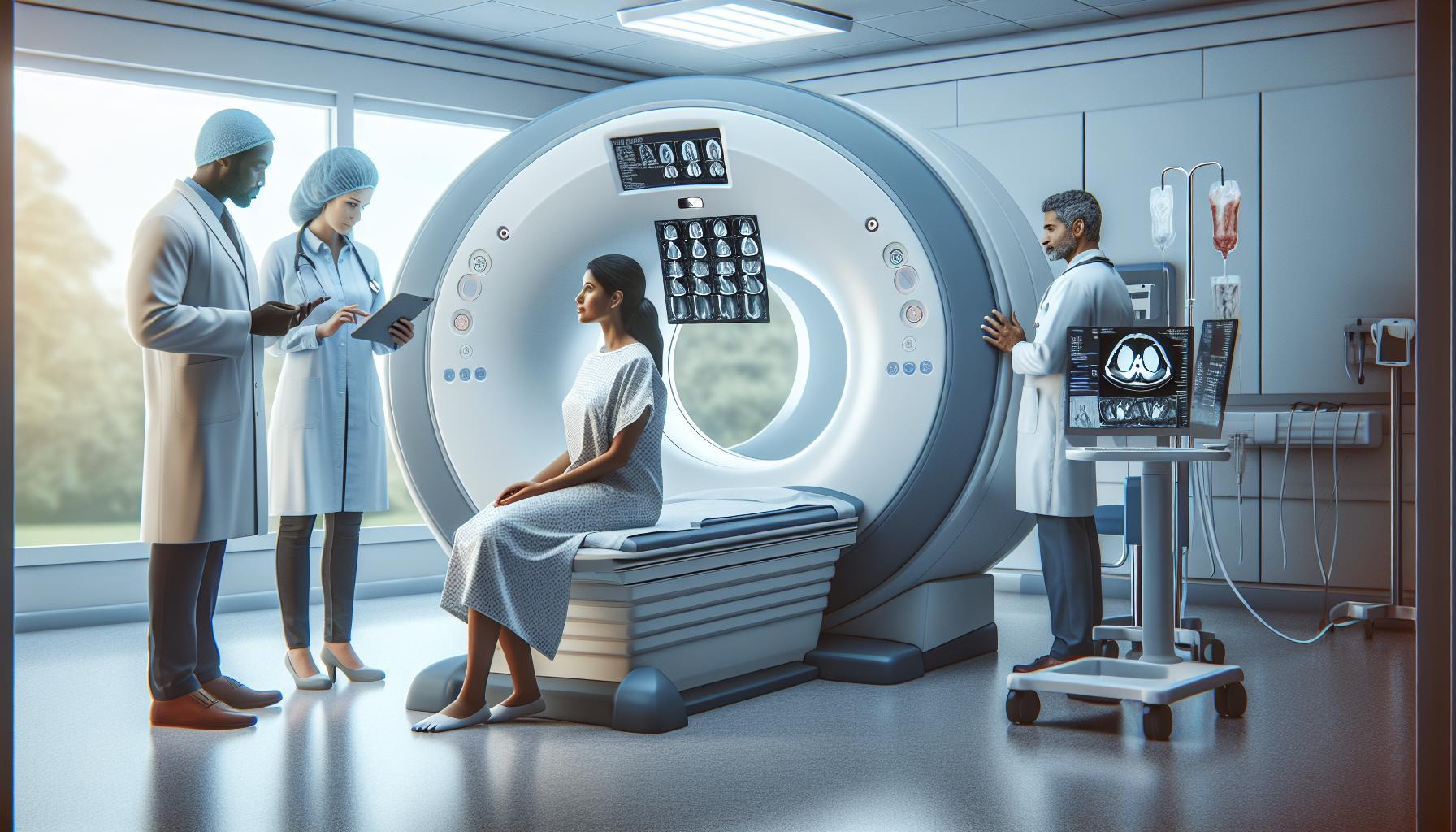
Multiple sclerosis (MS) is a complex neurological condition that can manifest with a range of symptoms, making early detection crucial for effective management. While magnetic resonance imaging (MRI) is often the preferred method for diagnosing MS, many patients might wonder if a CT scan can also provide valuable insights. Understanding the role of CT scans in MS detection is essential for those seeking clarity about their health.
For individuals experiencing unexplained neurological symptoms, knowing what imaging techniques are available can significantly impact their journey toward diagnosis and treatment. CT scans, though typically used for visualizing structural changes in the brain and spinal cord, can assist in ruling out other conditions that may mimic MS symptoms. This article will delve into how CT scans function, their limitations in confirming MS, and when they may still be relevant in the diagnostic process. Empower yourself with the knowledge necessary to navigate your healthcare effectively and understand what to expect during this essential imaging procedure.
Understanding Multiple Sclerosis and Its Symptoms
Understanding Multiple Sclerosis involves delving into a complex neurological condition that impacts the central nervous system. MS, characterized by the immune system attacking the protective sheath (myelin) that covers nerve fibers, can lead to a wide array of symptoms that vary in severity and duration. Common manifestations of the disease include muscle weakness, fatigue, visual disturbances such as blurred vision, and sensory changes like numbness or tingling. This spectrum of symptoms can make MS challenging to diagnose, as they often overlap with other conditions.
Living with MS requires not only medical intervention but also a robust support system. Many patients find that understanding the nature of their symptoms empowers them to manage their condition better. A mixture of medication, physical therapy, and lifestyle adjustments can significantly improve quality of life. It’s essential for individuals experiencing symptoms indicative of MS, such as neurological deficits or irregular visual sensations, to consult healthcare professionals. They can provide personalized advice and guide diagnostic testing, including the use of CT scans or other imaging technologies, to manage this unpredictable disease effectively.
Moreover, staying informed about emerging research and treatment options is crucial for those affected by MS. Engaging with MS community resources can offer additional support and insight into coping strategies and the latest advancements in managing this chronic condition.
How CT Scans Work for MS Diagnosis
A CT scan can be an essential tool in the diagnostic process for multiple sclerosis (MS), although its role is nuanced. CT, or computed tomography, employs X-ray technology coupled with computer algorithms to generate cross-sectional images of the brain and spinal cord. These images can be invaluable for identifying changes or abnormalities in brain structure-such as lesions-that may suggest the presence of MS. However, it’s important to understand that while CT scans can provide useful information, they are not the first-line imaging method used to diagnose MS; that role is typically filled by MRI scans due to their superior capacity to visualize soft tissues and multiple sclerosis lesions.
The process begins when a patient is referred for a CT scan, often after presenting with neurological symptoms that may indicate MS. During the scan, the patient lies on a table that slides into the CT machine. X-ray beams rotate around the patient, capturing thousands of images from different angles, which the computer then compiles into detailed cross-sectional “slices” of the brain. These slices allow doctors to look for abnormalities such as lesions or scars that result from the immune system attacking the myelin sheath surrounding nerve fibers.
While CT scans can indicate the potential presence of MS, they often miss subtle lesions that MRI technology can detect more effectively. This limitation arises because CT scans primarily show the density of tissues and structures rather than providing detailed images of soft tissue changes. Consequently, a healthcare provider may use CT scans as a preliminary or complementary diagnostic tool, particularly in situations where MRI is contraindicated or unavailable. This can be a reassuring understanding for patients-recognizing that while CT is useful, ongoing assessments with MRI may follow for a comprehensive evaluation of their condition.
In preparation for a CT scan, clear communication with healthcare providers is vital. Patients should inform their doctors about any allergies, particularly to contrast materials, and discuss any renal issues, as these may influence the use of contrast agents. While the procedure itself is quick and generally painless, knowing what to expect can help ease any anxiety, allowing patients to focus on their health and well-being as they navigate their diagnostic journey.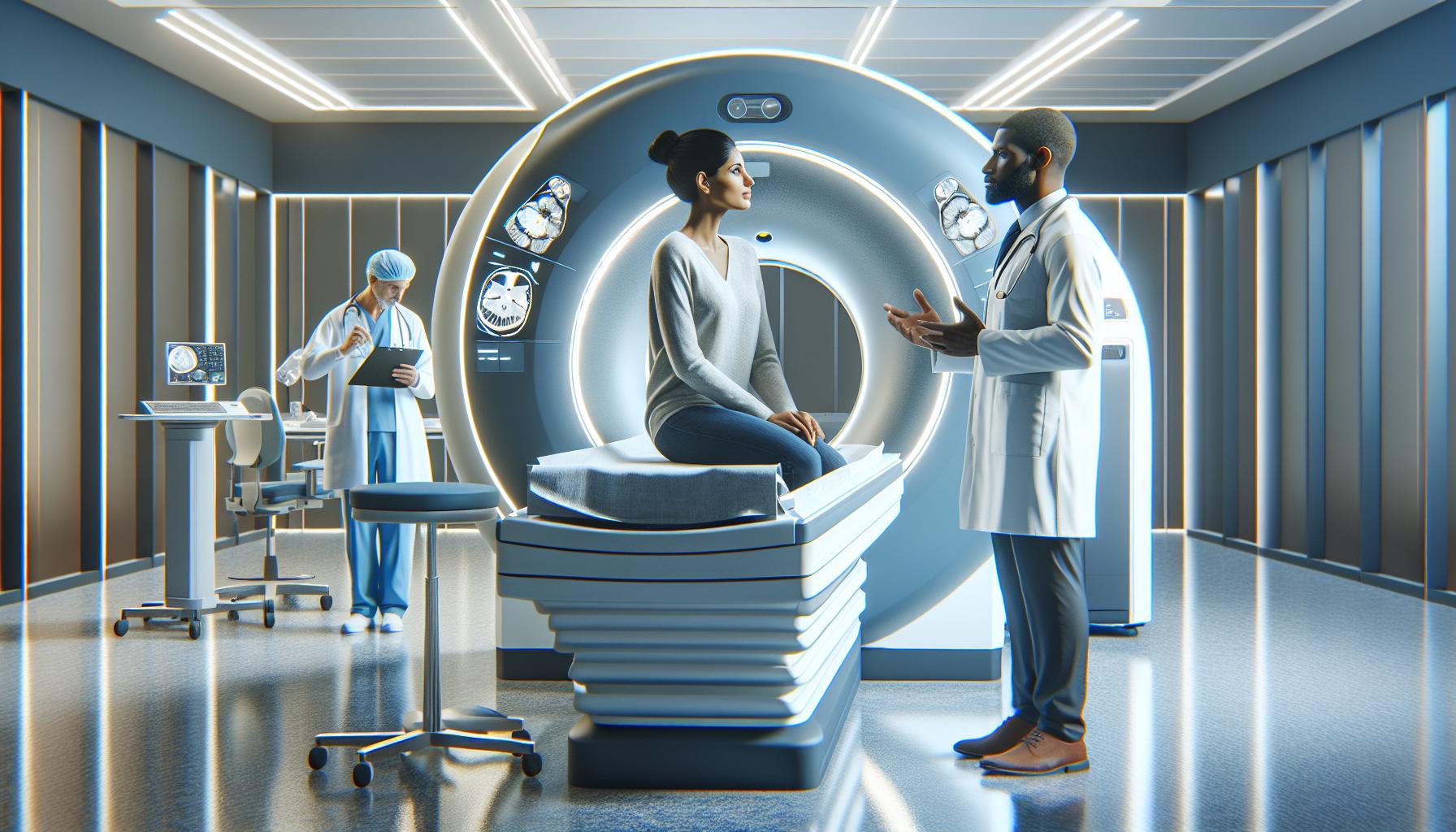
Limitations of CT Scans in Detecting MS
CT scans, while valuable in the diagnostic landscape, have significant limitations when it comes to detecting multiple sclerosis (MS). One of the main drawbacks is that CT scans are less sensitive than MRI scans in identifying the subtle white matter lesions characteristic of MS. These lesions, caused by the immune system’s attack on myelin, are often minute and may not appear clearly on CT images, which focus more on the density of structures rather than the detailed images of soft tissues. This specificity is crucial because the central nervous system’s abnormalities related to MS can easily be overlooked, leading to potential misdiagnosis or delayed treatment.
Additionally, CT scans are not designed to evaluate the pathological changes associated with MS convincingly. They provide a three-dimensional representation of the brain but lack the resolution necessary to capture the intricate changes that occur at the cellular level. For instance, while a CT scan may show larger brain lesions, it will likely miss smaller lesions or the early focal changes that MRIs can easily detect. This limitation underscores why healthcare providers tend to use CT as an adjunct rather than a primary imaging tool for MS diagnosis. They may recommend a CT scan to rule out other conditions or in emergency scenarios where MRI access is limited, but they typically follow up with MRI for a detailed assessment.
Moreover, the exposure to radiation during CT scans can be a concern for patients, especially those who may require multiple imaging studies over time. Although the doses are relatively low, repeated exposure could pose risks that patients need to consider, particularly as MS can often lead to a long-term management strategy involving ongoing monitoring. As such, it’s essential for patients to have an open discussion with their healthcare providers about the best imaging modalities tailored to their individual situations.
Ultimately, while CT scans can play a role in the diagnostic process, they should not be solely relied upon for detecting MS. Engaging in dialogue with healthcare professionals about the limitations of CT scans and the advantages of MRI is vital for ensuring accurate diagnosis and management of multiple sclerosis.
Comparison of CT Scans and MRI for MS
When it comes to diagnosing multiple sclerosis (MS), the choice between a CT scan and an MRI can greatly impact the accuracy of the results. Understanding the differences between these imaging modalities is essential for patients navigating the diagnostic process. CT scans are primarily utilized for their speed and availability, making them a go-to option in urgent medical situations. However, they focus primarily on the structure of the brain, capturing images that provide a broad overview rather than detailed insights into soft tissue or subtle brain changes.
In contrast, MRI scans are superior in detecting the small white matter lesions that characterize MS. MRIs utilize powerful magnets and radio waves to create detailed images of soft tissues, allowing healthcare providers to see intricate changes in the brain and spinal cord associated with the disease. These techniques can reveal lesions that other imaging modalities might overlook, making MRI the gold standard in MS detection. The ability to visualize these lesions is crucial, as early detection can lead to timely treatment and management of symptoms.
A common misconception is that CT scans can effectively diagnose MS on their own, but this is far from the truth. When comparing the two methods, it’s important to recognize the role each plays in the diagnostic continuum. For example, a physician might order a CT scan to rule out other conditions that could mimic MS symptoms, such as a tumor or stroke. However, since CT scans are less sensitive in identifying MS lesions, they are typically followed up with MRI for a comprehensive assessment.
Moreover, patient safety is another critical consideration. CT scans involve exposure to ionizing radiation, albeit at low doses, which can accumulate with repeated exams. This risk becomes particularly relevant for individuals requiring ongoing imaging for monitoring their condition over time. As technology advances, the emphasis on MRI for evaluating MS both in the initial diagnosis and during the follow-up stages continues to grow, reaffirming its value in the healthcare landscape.
In summary, while CT scans can serve an important function in the diagnostic process, especially in emergent cases, the precision and detail provided by MRI make it the preferred choice for diagnosing MS and monitoring its progression. Patients are encouraged to discuss imaging options thoroughly with their healthcare providers to ensure they receive personalized and effective care tailored to their specific needs.
What to Expect During a CT Scan for MS
Undergoing a CT scan can be a crucial step in the diagnostic journey, especially for conditions like multiple sclerosis (MS). A pivotal aspect to ease patient anxiety is understanding what the procedure entails. During the scan, you’ll lie down on a comfortable table that slides into a large, doughnut-shaped machine. This device captures a series of X-ray images from different angles, which a computer then compiles to create detailed cross-sectional images of your body.
While the scan itself is quite quick, taking only a few minutes, it’s essential to remain still, as movement can blur the images. Before the scan, you may be asked to remove any metal objects like jewelry and wear a gown. If your doctor has ordered a contrast material for clearer images, it will be administered through an IV. This may create sensations of warmth in your body, which is completely normal.
It’s common to feel apprehensive, but remember that CT scans are designed with patient comfort and safety in mind. The procedure is painless, and the technologist will be there to guide you throughout. Should you feel uneasy, don’t hesitate to voice your concerns; healthcare providers appreciate patient communication. After the scan, you can typically return to your normal activities immediately unless instructed otherwise.
In terms of safety, CT scans utilize low doses of ionizing radiation, and the benefits of obtaining diagnostic information often outweigh the minimal risks. However, it’s crucial to discuss your medical history with your healthcare provider, especially if you’re planning to have multiple scans over time. This dialogue will help ensure your comfort and address any safety concerns, reassuring you that you are receiving the best care personalized to your health needs.
Preparing for a CT Scan: A Patient’s Guide
Before undergoing a CT scan, knowing what to expect can help alleviate anxiety and ensure a smoother experience. Preparing for this imaging procedure plays a crucial role in obtaining clear and accurate results. One of the first steps is to communicate openly with your healthcare provider. They can guide you through specific preparations based on your medical history and the requirements of your scan, especially if contrast material is involved.
Here are some key points to consider as you prepare for your CT scan:
Follow Pre-Scan Instructions
- Diet: Depending on the type of CT scan, you may be advised to refrain from eating or drinking for a certain period before the procedure, particularly if you will receive contrast dye.
- Medication: Inform your doctor about any medications you are taking, as they may provide guidance on whether to continue or hold your medications before the scan.
Wear Appropriate Clothing
- Comfort: On the day of your scan, wear comfortable clothing without metal fasteners, zippers, or embellishments, which can interfere with image quality. You may be asked to change into a gown for the procedure.
- Remove Accessories: Take off any jewelry, glasses, watches, or other metal objects to prevent potential interference during the imaging process.
Understanding Contrast Material
Some CT scans require a contrast agent to enhance the visibility of specific areas within the body. If contrast will be used, it’s important to:
- Discuss Allergies: Inform your healthcare provider if you have any allergies, especially to iodine or shellfish, as this may affect your use of contrast agents.
- Procedural Comfort: Be aware that the administration of contrast may cause temporary sensations like warmth or a metallic taste, which are common and usually harmless.
Transportation and Support
If you will receive sedation before your CT scan or if the contrast may cause any undesirable reactions, arrange for someone to drive you home afterward. Having a trusted friend or family member accompany you can ease any feelings of apprehension and provide support.
With these proactive measures, you’ll be better prepared for your CT scan. Knowing that this procedure is a valuable tool in diagnosing conditions such as multiple sclerosis empowers you to approach it with greater confidence. Always remember that it’s perfectly acceptable to ask your healthcare team any questions you may have-they’re there to support you and ensure you feel comfortable throughout the process.
Interpreting CT Scan Results: Key Insights
The results of a CT scan can be pivotal in diagnosing conditions like multiple sclerosis (MS), but understanding what those results indicate can be challenging. When you receive your CT scan results, it’s important to approach them with clarity and context. Typically, a CT scan might show lesions in the brain or spinal cord, which are indicative of MS; however, their presence does not confirm the diagnosis on its own. Other conditions can present similarly, making it essential for healthcare providers to cross-reference these results with clinical symptoms and possibly further imaging tests, like an MRI, which is more sensitive to changes associated with MS.
Key Factors in Interpreting CT Scan Results
CT scan results are assessed on the basis of several key factors:
- Lesion Location: Areas of demyelination often appear as white spots on a scan. The specific locations can give clues about the type of lesions present.
- Size and Number of Lesions: A higher number of lesions may suggest a more active disease process, while larger lesions could indicate older, more chronic activity.
- Presence of Contrast Enhancement: If contrast material was used, areas of active inflammation may show up as enhanced due to increased blood flow, suggesting ongoing activity in MS.
Despite its usefulness, CT scanning has limitations in detecting MS compared to MRI, which can render finer details of the brain’s white matter and is currently the preferred method for diagnosing MS. Familiarity with these distinct aspects can empower patients in discussions with healthcare providers regarding their CT results.
It’s crucial to have a comprehensive evaluation of CT scan results, considering both physical examination findings and patient history. Engaging in open dialogue with your healthcare team about your results is key; they can provide clarification and discuss further steps or additional testing necessary for a definitive diagnosis. Understanding the results in the context of your overall health will help alleviate anxiety and foster a clearer path for managing your condition.
Emerging Technologies in MS Detection
As technology advances, the field of medical imaging is continually evolving, leading to new methods that enhance the detection and understanding of multiple sclerosis (MS). Recent innovations include advanced MRI techniques, artificial intelligence algorithms, and other imaging modalities that offer significant promise in identifying and monitoring this complex disease.
One of the most notable developments is the use of high-resolution MRI with diffusion tensor imaging (DTI). This technique provides detailed insights into the brain’s white matter, allowing for better visualization of microstructural changes associated with MS. DTI can reveal disruptions in the pathways that connect different brain regions, enabling healthcare providers to assess disease severity and progression more accurately. Such precision is crucial for tailoring treatment plans and understanding the potential impact of the disease on cognitive functions.
Artificial intelligence is also making strides in MS detection. Machine learning algorithms are being trained to analyze MRI scans more effectively than traditional methods by identifying subtle patterns that may indicate the presence of lesions when they are not easily discernible to the human eye. These systems can assist radiologists and neurologists in making quicker, more informed decisions about diagnosis and treatment options. Furthermore, leveraging AI can help in predicting long-term outcomes for patients, thus providing a more personalized approach to care.
Emerging imaging techniques like PET scans are being explored for their potential to enhance our understanding of MS. Using positron emission tomography, healthcare professionals can visualize metabolic activity in the brain, which complements the structural information gained from MRI. This fusion of data may uncover correlations between inflammation and clinical symptoms, guiding more effective management strategies.
These advancements in imaging technology present exciting prospects for individuals living with MS. However, it remains essential for patients to engage in discussions with their healthcare providers about the most appropriate diagnostic tools tailored to their unique situations. As research continues to unfold in this area, emerging technologies will undoubtedly play a vital role in shaping the future of MS diagnosis and treatment, ultimately improving the quality of life for those affected.
Support and Resources for MS Patients
Navigating a multiple sclerosis (MS) diagnosis can be an emotional journey, filled with questions and uncertainties about future health and well-being. Understanding available support and resources can make a significant difference in how patients and their loved ones cope with this complex condition. It is reassuring to know that numerous organizations and communities are dedicated to providing assistance, information, and support tailored specifically for those affected by MS.
Support Organizations and Resources
Many reputable organizations offer comprehensive resources for MS patients, including educational materials, support groups, and advocacy programs. The National Multiple Sclerosis Society is a pivotal resource, providing information on treatment options, local support services, and community events. They also have helplines available for immediate advice and guidance. Additionally, local chapters often host events that foster connection among patients and their families, creating an essential network of support.
Another key resource is the Multiple Sclerosis Association of America (MSAA), which focuses on improving the quality of life for individuals with MS by offering free services such as MRI Access Fund assistance, educational programs, and support groups, both in-person and online. The MS Resource Center is another valuable tool for patients to find reliable information regarding healthcare providers, treatment options, and wellness practices.
Patient Empowerment and Peer Support
Connecting with others who share similar experiences can be incredibly empowering. Many platforms and online forums, such as MS World and MyMSTeam, allow patients to share their stories, challenges, and triumphs, fostering a sense of community. Participating in peer support groups can provide valuable insights as individuals discuss coping strategies and personal experiences with MS symptoms, treatment regimens, and lifestyle adjustments.
Educational workshops and seminars are often offered by local healthcare providers or MS organizations. Attending these can enhance your understanding of MS and the latest research on management and treatment. This knowledge not only empowers patients but also helps in making informed decisions regarding their health.
Counseling and Mental Health Resources
Mental health is just as important as physical health when managing a chronic condition. Many MS organizations provide resources for counseling and mental health services, recognizing the emotional toll MS can inflict. Speaking with a mental health professional who understands the implications of living with a chronic illness can be beneficial. Furthermore, mindfulness practices and stress-relief techniques, like yoga and meditation, can also provide relief from anxiety and promote overall well-being.
In summary, the journey through MS requires a comprehensive support system that encompasses medical guidance, emotional support, and community engagement. Whether through organizations dedicated to MS, peer support networks, or mental health resources, patients have the ability to create a robust foundation for navigating their diagnosis and ensuring a quality life despite the challenges they may face. Always consult with healthcare providers to tailor a support plan that specifically meets individual needs.
Frequently Asked Questions About CT Scans and MS
Understanding the role of CT scans in diagnosing multiple sclerosis (MS) can ease some of the concerns you might have about the process. Many people have questions regarding the effectiveness of CT scans in revealing MS and what to expect from this imaging technique. While CT scans can provide some information about the brain and spinal cord, they are not typically the first choice for diagnosing MS. Instead, magnetic resonance imaging (MRI) is often preferred due to its superior ability to detect lesions characteristic of MS.
The most common inquiries about CT scans often revolve around their limitations and comparisons with MRI. One crucial aspect to note is that while a CT scan can identify some changes in brain structure, it often cannot detect the plaques that are indicative of MS. In practice, a healthcare provider may use a CT scan as part of a broader diagnostic process, particularly if there are concerns about other conditions. However, when confirming MS, MRI remains the gold standard.
If you are preparing for a CT scan, it is generally a straightforward and quick procedure, lasting only about 10 to 30 minutes. Patients are usually advised to wear loose-fitting clothing without metal fastenings and to remove any jewelry. Before the scan, you might be asked about your medical history and any allergies, particularly to contrast materials, if one is to be used. While the scan itself is painless, some patients report feeling anxious about the enclosed space of the scanner. Communicating these feelings to the medical staff can help them assist you better during the procedure.
After the CT scan, results are typically available within a few hours to a few days, depending on the facility’s protocols. A radiologist will interpret the images and send a report to your healthcare provider. If lesions or other abnormalities are found, your provider will discuss the implications thoroughly and may recommend further testing, like an MRI, for a more comprehensive assessment. Understandably, waiting can be stressful, but staying informed and engaged with your healthcare team can significantly enhance your experience during these evaluations.
Frequently Asked Questions
Q: Can a CT scan definitively diagnose multiple sclerosis (MS)?
A: A CT scan cannot definitively diagnose multiple sclerosis. While it may reveal some brain lesions, MRI is the preferred imaging technique for a more accurate diagnosis of MS due to its superior ability to detect lesions typical of the disease.
Q: What symptoms might lead a doctor to order a CT scan for MS?
A: Symptoms such as unexplained vision problems, numbness, muscle weakness, or coordination issues may prompt a doctor to order a CT scan to rule out or investigate multiple sclerosis among other conditions.
Q: How does a CT scan compare to an MRI in detecting MS?
A: While a CT scan can identify some MS lesions, MRI provides higher-resolution images and better sensitivity for detecting the characteristic plaques associated with multiple sclerosis, making it the gold standard for diagnosis.
Q: What should I expect during a CT scan for MS?
A: During a CT scan, you’ll lie on a table that slides into the scanner. It’s a quick, painless procedure, typically lasting 10-30 minutes. You may hear clicking sounds, but there is no discomfort, and you can communicate with the technician throughout the process.
Q: Are there risks associated with CT scans for MS evaluation?
A: Yes, CT scans expose patients to ionizing radiation. Although the doses are generally low, repeated exposure increases risk. Always discuss your specific risks and benefits with your healthcare provider before the scan.
Q: How are CT scan results interpreted in relation to MS?
A: CT scan results are interpreted based on the presence of lesions in the brain. However, because CT is less sensitive than MRI, your doctor may require additional imaging tests or neurological evaluation for a comprehensive diagnosis.
Q: Why might a doctor choose a CT scan over an MRI for MS?
A: A doctor might choose a CT scan if MRI is unavailable or if a patient has contraindications to MRI (like certain implants). CT scans are also faster and more widely accessible, providing a preliminary assessment.
Q: Is it possible for a CT scan to miss signs of multiple sclerosis?
A: Yes, a CT scan may miss signs of multiple sclerosis due to its lower sensitivity for detecting lesions. Many cases of MS are better identified with MRI, which highlights areas of demyelination more effectively than CT scanning.
For further information on interpreting results and the importance of imaging techniques in MS diagnosis, refer to the sections on “Limitations of CT Scans in Detecting MS” and “Comparison of CT Scans and MRI for MS.”
Key Takeaways
Understanding the role of CT scans in multiple sclerosis detection is crucial for your health journey. If you have lingering questions or are contemplating a CT scan, remember that timely action can make a significant difference in your care. For more insights on imaging procedures, explore our articles on “How CT Scans Work” and “Preparing for Your First CT Scan” to empower yourself with knowledge and reduce any anxiety.
Don’t hesitate-subscribe to our newsletter for the latest updates on neurological health and advancements in imaging technology. Your health matters, and having the right information is the first step in making informed decisions. Join our community of readers and feel free to share your thoughts or experiences in the comments below. We’re here to support you every step of the way.