In today’s active world, understanding brain injuries like concussions has become increasingly crucial. Many individuals who experience a bump or blow to the head wonder, “Will a CT scan reveal the extent of my injury?” While CT scans can detect some serious complications, they often fall short in identifying subtle brain injuries, leaving many patients confused and concerned about their health.
This article aims to clarify the role of CT scans in concussion evaluation and expose the limitations of traditional imaging techniques. Many people face ongoing symptoms after a concussion, and knowing when and how imaging is used can empower you to seek the best care. By demystifying the process and emphasizing the importance of tailored medical guidance, we hope to provide you with the assurance you need on your journey to recovery. Let’s explore how the brain can be evaluated and what steps you can take if you or a loved one faces potential brain injury.
What is a CT Scan and How Does It Work?
A CT scan, or computed tomography scan, is a pivotal imaging technique that utilizes a series of X-ray images taken from different angles combined with computer processing to create cross-sectional images of bones, blood vessels, and soft tissues inside the body. This powerful tool has transformed how medical professionals diagnose a variety of conditions, including traumatic brain injuries, allowing for rapid and detailed visualizations of the brain in emergency situations.
During the procedure, the patient typically lies on a comfortable table that slides into the CT machine, which resembles a large, doughnut-shaped structure. As the machine rotates around the patient, it captures multiple X-ray images; these are then processed to produce detailed slices of the brain, making it easier for doctors to identify abnormalities. CT scans are particularly effective for detecting acute brain injuries, such as bleeding or swelling, which can result from a concussion. However, they are less sensitive to the subtle changes that might occur at the microscopic level.
For those preparing for a CT scan, there are several reassuring factors to note. The procedure is quick, often taking just a few minutes, and there is typically no need for hospitalization. Patients are advised to remain still during the scan to ensure high-quality images. It’s also essential to inform the healthcare provider about any existing health conditions, particularly if there is a risk of allergies to contrast dyes, which may be used to enhance visibility during the scan.
Understanding the functioning of a CT scan can alleviate some anxieties associated with the procedure. By offering precise imaging capabilities, CT scans play a critical role in diagnosing conditions and guiding subsequent treatment, ensuring patients receive timely and effective care. This confidence in the process is essential, particularly in the context of concussion management, where rapid assessment can be crucial to patient outcomes.
Understanding Concussions: Symptoms and Causes
Concussions are a form of traumatic brain injury that can occur following a blow to the head or body, causing the brain to move rapidly within the skull. This can lead to a variety of symptoms, which are often not immediately apparent. Awareness of these symptoms is crucial for anyone involved in contact sports, as early identification can significantly affect recovery outcomes. Common symptoms include headache, confusion, dizziness, memory issues, balance problems, and sensitivity to light or noise. Some individuals may also experience mood changes, fatigue, or difficulty concentrating. Understanding these signs can help prompt necessary medical evaluation and intervention.
The causes of concussions extend beyond sports-related injuries; falls, vehicle accidents, and violent shaking (such as in domestic abuse) can also lead to traumatic brain injuries. It’s important to remember that concussions can occur even in incidents that do not result in a loss of consciousness. Many people may not realize they have sustained a concussion because symptoms can manifest hours or even days after the injury. Being attentive to any changes in behavior, cognition, or physical capabilities following a head injury can be vital for timely diagnosis and treatment.
To help mitigate the risk of concussions, individuals should take preventive measures such as wearing appropriate protective gear during physical activities and adhering to safety protocols in potentially hazardous environments. With the right knowledge and awareness, individuals can contribute to their own safety and the safety of those around them. Always consult a healthcare professional if concussion symptoms arise. Early intervention not only can help manage the immediate effects of the injury but also reduce the likelihood of long-term complications.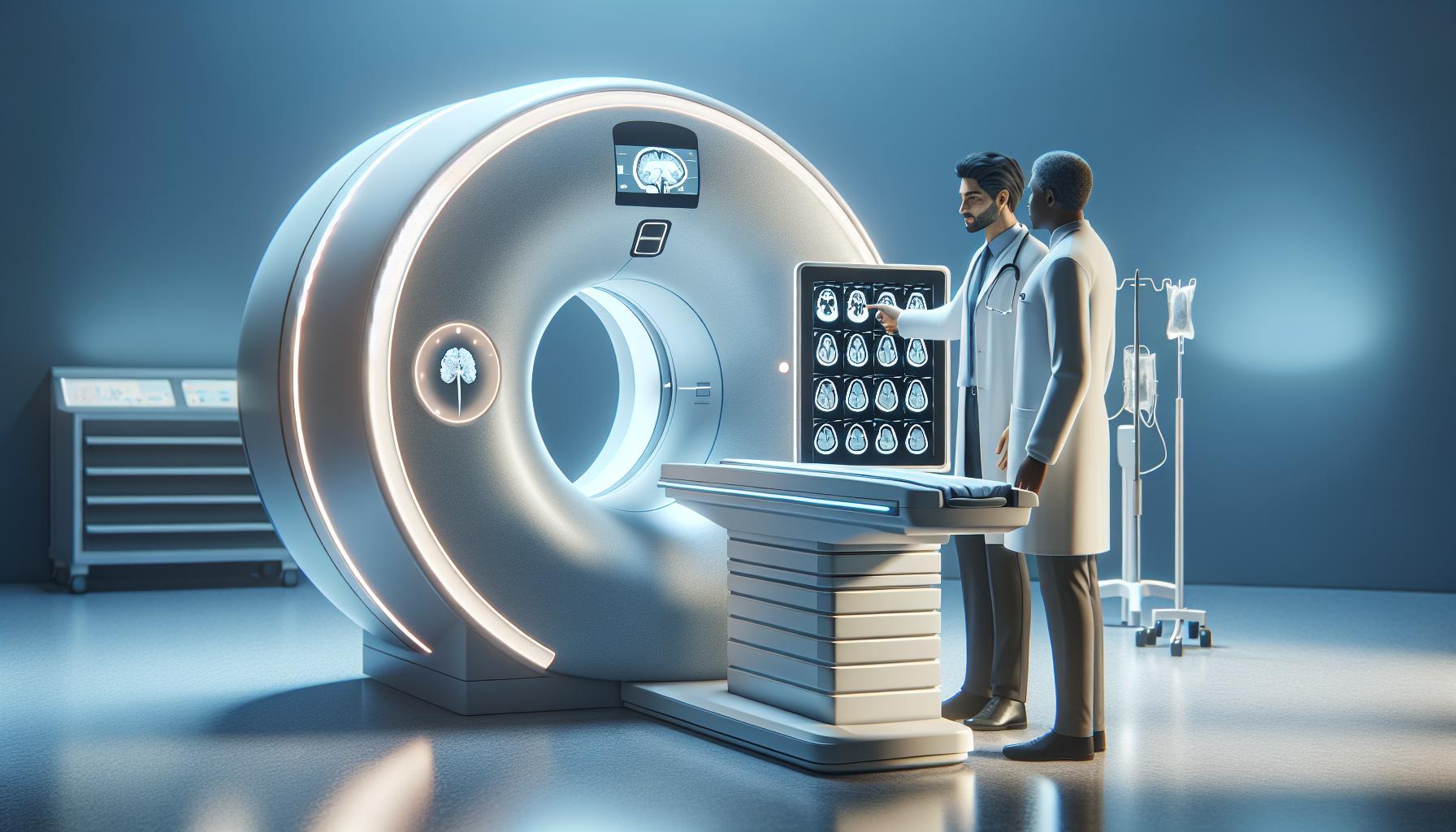
Can CT Scans Detect Brain Injuries?
While many people associate CT scans with diagnosing various medical conditions, their effectiveness in detecting concussions specifically is limited. A CT scan is designed to identify structural abnormalities in the brain, such as fractures, bleeding, or swelling. In the context of concussions, which are typically caused by a rapid movement of the brain inside the skull, the technology might not reveal any obvious damage. This means that while a CT scan can help rule out more serious injuries, it often does not provide conclusive evidence of a concussion itself.
Understanding the Role of CT Scans
CT scans utilize X-ray technology to create detailed images of the brain. When performed after a head injury, they may help detect conditions such as intracranial hemorrhages (bleeding in the brain) or skull fractures. However, symptoms of a concussion-like confusion, headaches, or dizziness-may not present any visible signs on a CT scan. This can lead to frustration for patients and caregivers seeking clarity following an injury. The inability of CT scans to directly show concussions or post-concussion syndrome is why healthcare providers often emphasize additional evaluation methods, such as neuropsychological testing or functional MRI, particularly for ongoing cognitive problems following a head injury[[1](https://www.cognitivefxusa.com/blog/do-ct-scans-show-concussions-and-pcs)].
When Are CT Scans Recommended?
CT scans are most useful when there is a suspicion of more severe brain injuries that require immediate intervention. For example, if a patient exhibits symptoms that indicate potential life-threatening injuries, such as loss of consciousness, severe headache, or repeated vomiting, a CT scan may be ordered for a comprehensive evaluation. In cases where the doctor expects a possible surgical intervention, a CT scan becomes critical[[3](https://www.sportssafect.com/blog/when-is-brain-imaging-ct-mri-needed-for-a-concussion)].
Understanding these limitations and knowing when further evaluation is necessary allows patients to advocate for themselves effectively. It also reinforces the idea that if concussion symptoms persist or worsen over time, patients should continue to seek medical attention, as more advanced imaging or assessments may be required to determine the best course of action for recovery.
Limitations of CT Scans for Concussion Diagnosis
When evaluating a concussion, understanding the limitations of a CT scan is crucial for both patients and healthcare providers. CT scans are primarily designed to identify structural damage, such as skull fractures or significant bleeding inside the brain. However, concussions typically result from the brain rapidly moving within the skull, a mechanism that often leads to subtle changes not easily detectable by a CT scan. This fundamental disconnect means that while a CT scan can assist in ruling out acute, life-threatening injuries, it frequently fails to provide a clear diagnosis for the concussion itself.
Symptoms commonly associated with concussions-such as confusion, dizziness, and headaches-may not correspond with observable findings on a CT scan. After such an injury, you might find yourself wondering why, despite experiencing significant symptoms, the scan returned normal results. This experience can understandably lead to frustration and anxiety. It’s important to remember that healthcare providers often complement CT scans with other assessment tools. For example, neuropsychological testing can offer invaluable insights into cognitive function post-injury, providing a more comprehensive understanding of recovery needs.
Moreover, the decision to proceed with a CT scan often hinges on the presentation of severe symptoms indicating potential immediate risks, such as loss of consciousness or persistent vomiting. In these scenarios, the value of a CT scan lies in its ability to determine whether further medical intervention is necessary. For individuals experiencing mild symptoms or where there’s suspicion of a concussion, it’s essential to pursue a holistic approach that might include observation, rest, and cognitive evaluations rather than relying solely on imaging results.
As you navigate the complexities of concussion management, staying informed about the limitations of CT scans empowers you to ask relevant questions and advocate for a complete evaluation process. Your healthcare provider can guide you in determining when to seek additional testing or evaluations, ensuring that every concern, no matter how small, is addressed thoughtfully and thoroughly. Remember, understanding your health is a collaborative journey, and your voice is vital in steering your recovery.
Comparative Imaging Techniques for Brain Injury
Diagnostic imaging plays a crucial role in identifying brain injuries, but no single technique is one-size-fits-all. Among the various options, CT scans, functional MRIs, and traditional MRIs each offer unique benefits and limitations when it comes to diagnosing concussions and other brain-related issues.
CT scans are particularly effective for spotting acute structural injuries such as skull fractures or hemorrhages. This imaging technique utilizes X-rays and produces detailed 3D images of the brain, making it invaluable for ruling out severe conditions following an injury. However, CT scans are limited as they cannot depict subtle changes in brain function or soft tissue damage that often accompanies concussions, which primarily affect how the brain functions rather than its structural integrity.
In contrast, traditional MRIs take longer to perform and are more sensitive to soft tissue injuries. This means they may show changes in brain tissue or signs of inflammation that a CT scan cannot detect. Although MRIs are not typically employed for immediate concussion assessment due to their cost and the time required to perform them, they can be valuable in the follow-up stage if symptoms persist long after the initial injury.
An emerging technology called functional MRI (fMRI), or a type known as fNCI, offers exciting possibilities for understanding concussion impacts on the brain. Unlike standard imaging, fMRI measures brain activity by detecting changes in blood flow, allowing it to identify dysfunctional areas post-concussion, even when no structural damage is present. This advanced technique can provide crucial insights into a patient’s cognitive recovery and help tailor more effective rehabilitation approaches.
In summary, while CT scans are excellent for ruling out immediate, life-threatening conditions, they should be part of a broader diagnostic plan. Healthcare providers may recommend complementary imaging techniques like traditional MRIs and fMRIs to better understand how the brain is functioning after a concussion. Consulting with a medical professional can help determine the most appropriate imaging strategy based on individual circumstances and the specific nature of the injury.
Patient Preparation: What to Expect During a CT Scan
Preparing for a CT scan can seem daunting, especially in the context of a concussion, but understanding the process can significantly alleviate your concerns. A CT scan, or computed tomography scan, is a quick and painless procedure that uses X-ray technology to create detailed images of the brain. This is particularly useful for assessing injuries and ruling out serious conditions following trauma. Being well-informed about what to expect can help you feel more relaxed during this critical evaluation.
Before your CT scan, you will typically be asked to change into a hospital gown and remove any metal objects, such as jewelry or glasses, as these can interfere with the imaging results. It’s vital to inform the technician of any allergies, particularly to iodine, or if you are pregnant or may be pregnant. In some cases, a contrast dye might be injected into a vein to enhance the images, which can help delineate certain structures in the brain more clearly. If you need the contrast, your healthcare team will provide specific instructions, including fasting for a few hours prior to the scan.
When it’s time for the scan, you will lie down on a motorized table that moves into the CT scanner. The procedure itself lasts only a few minutes, during which you may be instructed to hold your breath briefly while images are taken. It’s normal to feel a little anxious, but remember that it’s crucial to remain still to ensure clear images. The machine emits a series of X-rays from different angles, which are then processed by a computer to create cross-sectional images of your brain.
After the CT scan, there is typically no recovery time, and you can return to your normal activities unless your physician advises otherwise. The results will be analyzed by a radiologist, and your healthcare provider will discuss them with you, typically within a few days. This follow-up is an opportunity to address any questions or concerns you may have about the findings and to plan any further interventions if necessary. If you have any doubts or need more information before your appointment, reach out to your healthcare provider; they can help further ease your worries and prepare you for your scan.
Understanding CT Scan Results for Concussions
Understanding how to interpret CT scan results is crucial for anyone who has experienced a concussion. It’s important to know that while CT scans can effectively identify certain types of brain injuries, they may not directly diagnose a concussion itself. Concussions are typically characterized as mild traumatic brain injuries where the brain may not show visible changes on a scan, leading to significant symptoms without detectable damage in many cases. This can be particularly concerning for patients and their families, who might expect clear answers from imaging results.
When reviewing the results of a CT scan after a suspected concussion, a healthcare provider will primarily focus on ruling out serious injuries such as fractures, bleeding, or swelling within the brain. Often, the scan will reveal a normal brain structure, which is common in concussion cases. In fact, studies indicate that many individuals with traumatic brain injuries (TBI) may have completely normal CT scans despite showing persistent symptoms like headaches or dizziness [[3]](https://www.asnr.org/patientinfo/conditions/tbi.shtml). This can be particularly frustrating, but it highlights the nuanced nature of brain injuries, where microscopic changes might be the cause of long-term issues that a CT cannot capture.
After the CT scan, the results will be analyzed by a radiologist who will look for any abnormalities. If the scan returns normal, it does not eliminate the possibility of a concussion; instead, it reinforces the need for continued observation and management of symptoms. Your healthcare provider will discuss the results with you, addressing any ongoing concerns or treatment options that may help alleviate lingering symptoms. It’s essential to remember to communicate openly with your provider about your experiences and symptoms following the injury, as they play a significant role in understanding the full picture of your recovery path.
When to Seek Further Evaluation for Brain Injuries
Experiencing a concussion can be a disorienting event, leaving individuals, families, and friends concerned about the possibility of more severe brain injuries. Understanding when to seek further evaluation after an initial CT scan can play a crucial role in ensuring proper care and recovery. While CT scans can provide vital information about brain structure and rule out life-threatening conditions like blood clots or fractures, they may not always capture the subtler changes associated with concussions that affect functional outcomes.
If you or someone you know has suffered a head injury and continues to experience symptoms such as persistent headaches, dizziness, confusion, difficulty concentrating, or mood swings, it is essential to reach out to a healthcare provider for further evaluation. This is especially true if symptoms worsen over time or new symptoms emerge, such as vision disturbances, vomiting, or seizures. These signs could indicate complications or secondary injuries that require immediate medical attention.
Another important aspect to consider is the duration and intensity of symptoms. If lingering issues disrupt daily life, such as impacting work, academics, or personal relationships, it’s time to seek additional evaluations. Neuropsychological assessments, which examine cognitive function and emotional well-being, can help address ongoing symptoms that a CT scan might not reveal. Follow-up appointments with healthcare providers can also facilitate access to specialized testing or therapy, including physical or occupational rehabilitation, designed to support the recovery process.
In the journey to recovery from a concussion, maintaining open communication with healthcare professionals is paramount. Your health and well-being should always come first, and it’s okay to advocate for yourself or a loved one if symptoms persist. Remember, while CT scans are effective for detecting serious injuries, the nuanced nature of concussions often requires a multi-faceted approach, including continued observation and additional assessments to ensure comprehensive care. Your proactive engagement in this process is a vital step toward recovery.
Cost and Accessibility of CT Scans for Concussions
For many individuals experiencing concussion symptoms, understanding the cost and accessibility of CT scans is vital in navigating their recovery journey. CT scans can vary widely in cost depending on several factors, including the healthcare facility, geographical location, and whether the patient has insurance coverage. On average, a CT scan can cost between $300 and $1,000. Patients without insurance or those with high deductible plans may face the higher end of this spectrum. It’s crucial to check with your healthcare provider and insurance company to get a precise estimate tailored to your situation.
Accessibility also plays a significant role in the decision-making process regarding CT scans. Many hospitals and urgent care facilities are equipped with CT machines, ensuring that patients can receive timely imaging after a head injury. However, in rural or underserved areas, access may be limited, requiring patients to travel longer distances for evaluations. Additionally, wait times can vary; some facilities might offer immediate access, while others may schedule appointments days or weeks out.
It’s important to consider the urgency of your situation when seeking a CT scan. If symptoms are severe or worsening, prioritizing facilities that provide same-day imaging can be critical for timely diagnosis and treatment. Be proactive by discussing your needs with your healthcare provider, who can guide you on the best course of action and identify facilities that suit your logistical and financial capabilities.
Lastly, many healthcare providers recognize the importance of imaging in managing concussions and may work with patients to offer payment plans or financial assistance programs to ease the burden of costs. Engaging in open conversation about these options can help make essential diagnostic procedures more attainable, ensuring that you receive the necessary care without financial strain.
Patient Stories: Real-Life Experiences with CT Scans
Experiencing a concussion can be an alarming and confusing time for many, especially when it comes to seeking diagnosis and understanding the role of imaging tests like CT scans. Here are some powerful real-life experiences shared by patients who navigated this critical aspect of their recovery journey.
Many patients report that their journey began with an unsettling symptom after a fall or impact, such as a severe headache or momentary confusion. For example, one individual vividly described how the sudden intensity of their headache led them to the emergency room. After explaining their symptoms, they found themselves being wheeled into a CT scan room, feeling a mix of anxiety and anticipation. The patient recounted, “I remember lying there, feeling vulnerable, but the staff reassured me that this would help give the doctors important insights. It eased my mind knowing it was a routine procedure.”
After the scan, some patients experienced relief when informed that their CT results showed no significant trauma; however, others found themselves frustrated when their symptoms persisted despite normal imaging results. One athlete recalled, “I couldn’t fathom how I felt so off even with a clear CT scan. It was a wake-up call that concussions aren’t always detectable by imaging, and that other evaluations were necessary for my symptoms.” This moment of realization highlighted the need for further assessments beyond imaging, emphasizing the importance of thorough examinations, neuropsychological testing, and ongoing communication with healthcare providers to determine the best path forward.
Another insightful perspective came from a parent of a young athlete who experienced a concussion during a game. They shared their mixed emotions, explaining that while CT scans were pivotal, the process underscored the necessity of paying attention to symptoms and consulting specialists trained in concussion management. They said, “The doctor’s explanation helped us understand that even if the CT scan was normal, we needed to monitor my child closely and consider cognitive rest and gradual returns to activity.” This case illustrated how using CT imaging as a tool-while understanding its limitations-can lead to comprehensive management plans involving multiple healthcare professionals.
These stories collectively reaffirm the importance of patience and open dialogue with medical professionals during recovery. While a CT scan can provide valuable information, understanding its limitations and being aware of the importance of further evaluations is crucial for effective concussion management. Engaging with the healthcare team not only reassured these patients but also empowered them to take an active role in their recovery journey. For anyone facing similar concerns, remember that you are not alone-consulting with qualified professionals can illuminate the path toward recovery and help manage symptoms after a concussion more effectively.
FAQs About CT Scans and Concussion Diagnosis
When it comes to understanding the role of CT scans in concussion diagnosis, many individuals have questions that reflect their concerns and uncertainties. It’s essential to clarify that while CT scans are a valuable tool in assessing brain injuries, they do have limitations, particularly in detecting concussions, which are fundamentally functional and not structural injuries.
One common question is whether a CT scan will show a concussion. The answer is that a CT scan is primarily designed to detect observable brain injuries such as bleeding, swelling, or fractures. Concussions often do not result in physical changes visible on a CT scan, meaning that normal results can sometimes be misleading, leaving patients and their caregivers searching for answers about ongoing symptoms. As a patient once expressed, “Getting a clear CT scan made me feel relieved, yet confused about why I still felt unwell. It was important for me to learn that further testing might be necessary.” This highlights the necessity for comprehensive evaluations, including clinical assessments and neurocognitive testing, to determine the extent of a concussion.
Another frequent inquiry revolves around the safety and experience of undergoing a CT scan. Patients often worry about potential radiation exposure during the procedure. It’s reassuring to note that the amount of radiation from a CT scan is generally low and weighed against the benefits of identifying dangerous brain injuries. During the procedure, a patient usually lies still on a table while the machine takes detailed images of the brain from different angles, which typically lasts only a few minutes.
Lastly, understanding the next steps after receiving CT scan results is crucial. If the scan indicates no significant injuries, it is essential to engage in ongoing monitoring of symptoms. Healthcare providers may suggest strategies for cognitive rest and gradual reconditioning. Individuals are encouraged to maintain open communication with their medical team, as this collaborative approach plays a vital role in recovery. As one parent of a young athlete observed, “Even when the scan came back clear, our doctor emphasized the importance of listening to my child’s symptoms and adjusting activities accordingly.”
In conclusion, while CT scans are a key diagnostic tool in certain situations, they are just one part of the larger picture in managing concussions. It is pivotal to discuss any ongoing concerns or symptoms with a healthcare professional who can provide personalized guidance tailored to individual needs and circumstances.
Faq
Q: Can a CT scan confirm a concussion diagnosis?
A: No, a CT scan cannot confirm a concussion diagnosis since it primarily detects structural brain injuries. Concussions are functional injuries rather than structural; instead, functional MRIs may identify brain region dysfunction post-concussion. Consult your healthcare provider for proper evaluation methods.
Q: How long does it take to get CT scan results for a concussion?
A: CT scan results are typically available within a few hours to a day, depending on the facility’s processing times and the urgency of the case. Always consult your doctor for interpretation and next steps based on the results.
Q: What alternatives to CT scans are available for evaluating concussions?
A: Alternatives include MRIs, which can detect subtle brain changes, and advanced imaging techniques like functional MRI or diffusion tensor imaging, which assess brain function and connectivity. Discuss with your healthcare provider the most appropriate imaging for your situation.
Q: How does a CT scan of the brain work?
A: A CT scan uses X-ray technology to create detailed cross-sectional images of the brain. The process is quick and typically painless, allowing for comprehensive evaluation of brain structure to identify any severe injuries that may require immediate attention.
Q: When should someone get a CT scan after a head injury?
A: A CT scan is advised if a person exhibits symptoms like loss of consciousness, severe headache, repeated vomiting, or confusion after a head injury. These symptoms suggest a need to rule out serious brain injuries. Always consult a healthcare professional for guidance.
Q: Are there risks involved with getting a CT scan?
A: While CT scans are generally safe, they expose patients to radiation, which carries some risk. Discuss with your healthcare provider whether the benefits of the scan outweigh the potential risks in your specific case.
Q: Can a concussion occur without a loss of consciousness?
A: Yes, a concussion can occur without loss of consciousness. Symptoms such as headache, dizziness, confusion, and balance issues can arise even if the person remained conscious during the injury. Monitoring symptoms is crucial for appropriate care.
Q: What should I do if my CT scan results for a concussion come back normal?
A: If your CT scan results are normal but symptoms persist, it’s essential to follow up with your healthcare provider. They may recommend additional tests or treatments to address ongoing symptoms and ensure a complete recovery.
In Summary
Understanding whether a CT scan can detect a concussion is crucial for your health journey. While CT scans can reveal structural brain injuries, many concussions do not show visible signs on imaging. If you have lingering symptoms or concerns about a possible brain injury, it’s essential to consult with a healthcare professional for personalized guidance.
Explore our additional resources on concussion diagnosis and brain imaging protocols to deepen your knowledge and clarify any lingering questions. Don’t hesitate to join our newsletter for the latest updates on brain health and injury prevention. Your safety and well-being are paramount-take the next step towards informed care today!