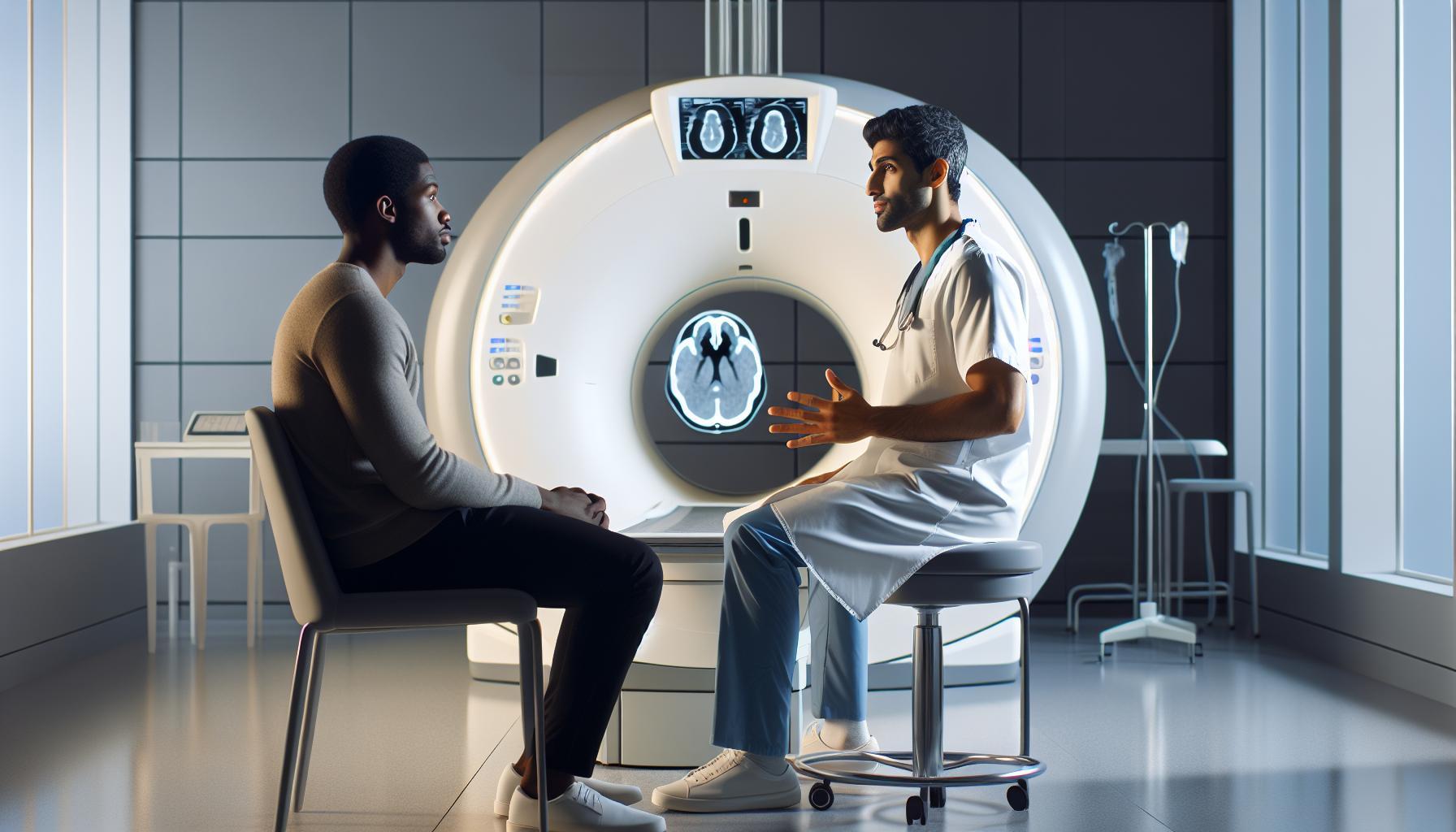
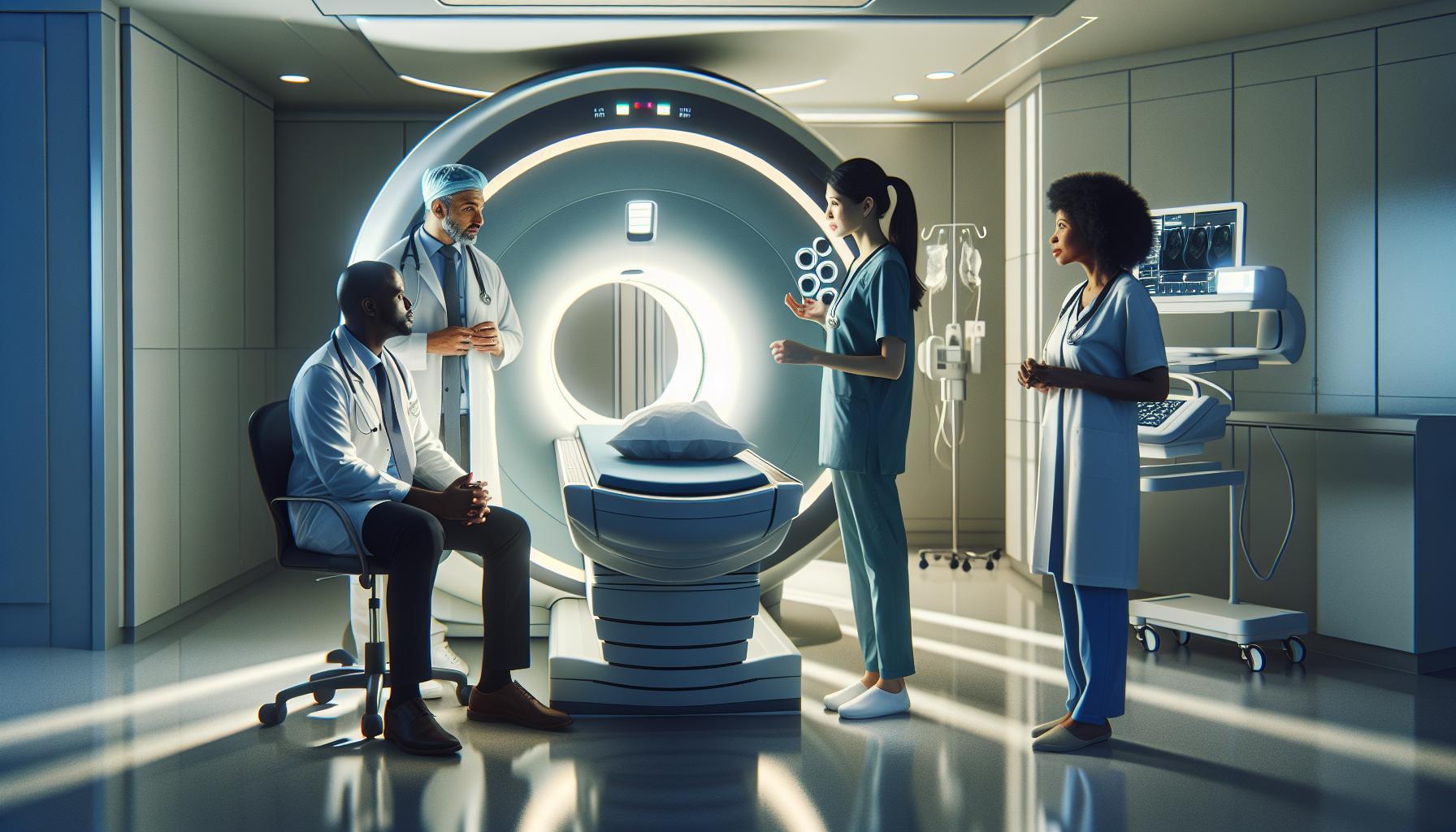
When facing health concerns, such as headaches or unexplained neurological symptoms, the idea of a brain tumor can be daunting. A CT scan serves as a crucial diagnostic tool in this scenario, providing detailed imaging that can reveal abnormalities, including tumors. Understanding whether a CT scan can detect a brain tumor is essential for anyone seeking clarity about their health.
As you navigate through the uncertainties, it’s natural to wonder how accurately this imaging technology can provide answers. Knowing the capabilities and limitations of a CT scan can empower you to engage proactively with your healthcare team. In this article, we’ll explore how CT scans work, their effectiveness in identifying brain tumors, and what the results can mean for your diagnostic journey. This knowledge can ease your concerns and help you make informed decisions about your health care.
Will a CT Scan Detect a Brain Tumor?
A CT scan, or computed tomography scan, is a crucial tool in the detection of brain tumors due to its ability to produce high-resolution, cross-sectional images of the brain. This imaging technique is particularly useful because it allows healthcare providers to visualize the structure of the brain and identify any abnormalities, such as tumors, swelling, or lesions. When evaluating symptoms like persistent headaches, changes in vision, or neurological changes, a CT scan can provide insights that guide further diagnostic measures.
While a CT scan is effective at detecting significant tumors, its sensitivity can vary depending on several factors including tumor size, type, and location. For example, a larger tumor may readily appear on the scan, while smaller tumors or those located in complex regions might not be as easily identifiable. This means that while a CT scan is a powerful initial diagnostic tool, it may not always provide a definitive answer regarding the presence of a tumor. Should abnormalities be detected, further imaging studies, such as MRI scans, might be recommended for more detailed visualization.
Understanding what a CT scan entails can alleviate some of the anxiety associated with the procedure. Patients typically lie on a table that slides into the CT scanner, which resembles a large doughnut. As X-ray beams rotate around the head, images are taken from multiple angles and compiled by a computer to create detailed slices of the brain. This procedure usually takes only a few minutes, making it efficient and convenient.
Finally, it’s essential to remember that while a CT scan can be instrumental in identifying brain tumors, any findings need comprehensive interpretation by a qualified healthcare professional. They will be able to provide context, explain what the results mean for your health, and discuss potential next steps, ensuring a tailored approach to diagnosis and treatment.
How CT Scans Work for Brain Imaging
CT scans are an integral component in modern medicine, offering a window into the complexities of brain anatomy that can be critical in detecting abnormalities like tumors. Utilizing advanced imaging technology, the CT scanner employs a narrow beam of X-rays rotated around the patient’s head to produce a series of detailed cross-sectional images, or slices, of the brain. These images allow physicians to discern various structures and detect any irregularities, including tumors, in a noninvasive manner.
During the scan, the patient lies on a movable table that slowly glides into the CT scanner, which resembles a large, doughnut-shaped machine. As the X-ray machine rotates, it captures images from multiple angles, enabling the construction of a comprehensive view of the brain. This process typically takes only a few minutes, which helps minimize anxiety for patients concerned about the duration of the procedure. The resulting images can provide essential insights, particularly when evaluating troubling symptoms such as unexplained headaches, visual disturbances, or neurological changes.
In comparison to traditional X-rays, CT scans yield higher resolution images that can help identify not just the presence of a tumor but also its size and location. This capability is especially important because the effectiveness of tumor detection can vary with factors such as tumor type and stage. For instance, while larger tumors may be easily visible, smaller lesions or tumors hiding in more intricate regions of the brain may require additional imaging techniques, such as MRI scans, for definitive diagnosis.
Understanding the mechanics of CT scans can empower patients by alleviating concerns and aiding in their preparation for the procedure. It’s important to remember that although a CT scan is a powerful diagnostic tool, any abnormal findings must be interpreted by qualified healthcare professionals who can contextualize the results and guide patients toward appropriate next steps in their care. This collaborative approach not only ensures accurate diagnosis but also fosters a supportive environment for navigating healthcare decisions.
Understanding the Types of Brain Tumors
Certain characteristics of brain tumors can aid in understanding their classification and the implications for treatment. Brain tumors are broadly categorized into primary tumors, which originate in the brain, and secondary tumors, which result from cancer spreading from other body parts. Both categories can exhibit diverse behavior, symptoms, and treatment options, making it essential for patients to understand the different types they may encounter.
Types of Brain Tumors
The following are some common types of brain tumors classified based on their cellular origins:
- Gliomas: These arise from glial cells, which support and protect neurons. Subtypes include astrocytomas, oligodendrogliomas, and ependymomas. Gliomas often vary in aggressiveness, with grades ranging from benign (low grade) to malignant (high grade).
- Meningiomas: Originating from the meninges, the protective membranes surrounding the brain, these tumors are usually benign but can affect brain function based on their size and location.
- Pituitary Tumors: Located at the base of the brain, these tumors can alter hormone levels, leading to a variety of systemic symptoms.
- Medulloblastomas: Common in children, these fast-growing tumors typically originate in the cerebellum and can spread to other areas of the brain and spinal cord.
- Brain Metastases: These are secondary tumors that occur when cancer cells from other parts of the body spread to the brain. Common sources include lung, breast, and skin cancers.
Understanding these tumor types can empower individuals to engage in informed discussions with their healthcare providers. Consider that some tumors may not exhibit symptoms until they reach a significant size or affect nearby structures. Common symptoms can include persistent headaches, seizures, cognitive changes, or motor function impairments, prompting a CT scan for evaluation.
Being aware of the types of brain tumors can alleviate anxiety and direct focus toward proactive steps in care and treatment. However, remember that a CT scan is a critical tool that helps in detection and does not replace the nuanced understanding that healthcare professionals possess regarding diagnosis and treatment. Personalized medical guidance from specialists is vital to navigate the complexities of brain tumors and their management effectively.
Patient Preparation for a CT Scan
Preparing for a CT scan can be a pivotal step toward understanding any concerns regarding brain tumors. It’s completely normal to feel anxious, but being well-prepared can help alleviate some of that stress. A CT scan is a quick, non-invasive procedure that offers detailed images of the brain, enabling doctors to evaluate any abnormalities. Understanding what to expect and how to prepare can make a significant difference in your experience.
Before undergoing a CT scan, it’s essential to follow specific instructions provided by your healthcare team. You may be advised to refrain from eating or drinking for several hours before the scan, especially if a contrast material will be used to enhance the images. Being clear about your medical history, including any medications you take and allergies, will help the medical staff tailor the procedure to your needs. For those who may be apprehensive about the scan, it’s helpful to bring along an audio device or a stress-relief item, as this can provide comfort during the imaging process.
On the day of the procedure, wear comfortable clothing without metal fasteners or embellishments, as these can interfere with the imaging. If you have long hair, you might want to tie it back to avoid any obstruction in the scanning area. Arriving early is recommended to complete any necessary paperwork and to allow time for any pre-scan preparations, such as being given a contrast agent if required. It’s crucial to ask any lingering questions you may have, as clear communication with the medical team can contribute to your peace of mind.
During the scan itself, you will lie on a padded table that slides into the CT scanner. You may be instructed to hold your breath briefly as the machine captures the images. Keeping still is vital for obtaining clear results. Afterwards, any discomfort or concerns you might have can be addressed immediately by the radiology staff. Understanding this process can significantly ease your nerves, leaving you feeling empowered and informed as you take a proactive step in your health journey.
What to Expect During Your CT Scan
Lying on a padded table as it glides into a ring-like CT scanner can feel a bit surreal, but it’s often a pivotal moment in assessing brain health. This procedure, notably quick and typically painless, plays a crucial role in diagnosing conditions like brain tumors. As you nestle into the machine, you’ll be asked to remain still while high-resolution images of your brain are captured, some of which take mere seconds. The technology uses X-rays to provide detailed cross-sectional images, allowing doctors to identify abnormalities within brain tissues.
While inside the scanner, anticipate occasional noises-whirrs and clicks-as the machine processes the imaging. It’s important to focus on your breathing and stay relaxed to ensure clear images are produced. If a contrast dye is utilized to enhance the images, it may feel warm as it flows through your veins, creating a brief sensation of heat. This contrast helps outline the brain structures more distinctly, offering clearer insights into potential issues such as tumors, swelling, or hemorrhages.
After the scan, you might wonder about the next steps. Patient comfort is prioritized: radiology staff typically check on you immediately following the procedure to address any questions or concerns you may have. Results often don’t take long, and your healthcare provider will discuss the findings with you, helping to contextualize what the images reveal.
This experience might bring forward anxiety about potential outcomes, but it’s essential to remember that CT scans are one of the most reliable methods for visualizing the brain’s structure. Whether detecting a tumor or monitoring its progress, these scans provide invaluable information that guides medical decisions. Trust in the expertise of your healthcare team as they work to decode the images and support you in your health journey.
Interpreting CT Scan Results for Brain Tumors
The intricate process of is a vital component of effective medical diagnosis and treatment. CT scans create detailed cross-sectional images of the brain using X-rays, revealing not only the size and location of any potential tumors but also their structure and effects on surrounding brain tissues. This information is crucial as it helps healthcare providers gauge the tumor’s nature, whether benign or malignant, and assess the immediate impact on overall brain health.
When your CT scan results are discussed, the healthcare provider may describe several key aspects of the images, including the tumor’s size, shape, and density. For instance, benign tumors may appear as smooth-edged masses, while malignant tumors often present with irregular borders and surrounding edema (swelling). Understanding the relationship of the tumor to vital structures in the brain, such as blood vessels and neural pathways, can also provide insight into potential treatment options. In some cases, the presence of other conditions, such as inflammation or cysts, can be differentiated from tumors through the characteristics observed on the scan.
It’s essential to remain engaged and ask questions during your appointment. To help demystify the results, consider preparing a list of inquiries based on your knowledge and concerns about brain health. For example, you might ask about the implications of the tumor’s characteristics, or whether further tests, such as an MRI or biopsy, are necessary for a more definitive diagnosis. Your provider is there to support you, and fostering open communication can ease anxiety about the findings.
Finally, understanding that CT scans are powerful tools in the diagnostic arsenal can provide comfort when facing this daunting process. While navigating the uncertainties of potential brain tumors, remember that every case is unique, and your healthcare team is committed to developing a tailored plan to suit your specific needs. Their expertise will guide you through each step, ensuring you have the necessary support and information to make informed decisions about your health.
Common Misconceptions About CT Scans
Many people carry misconceptions about the role of CT scans in diagnosing brain tumors, leading to unnecessary anxiety or confusion. One common belief is that a CT scan is always definitive in determining the presence of a brain tumor. In reality, while CT scans are powerful imaging tools that can reveal tumors and assist in distinguishing between benign and malignant growths, they may not detect every type of tumor, especially smaller ones or those located in complex areas of the brain. Additionally, the clarity of the images can be affected by various factors, including the brain’s anatomical structures and the tumor’s characteristics.
Another misconception revolves around the idea that CT scans use excessive radiation and are unsafe. However, modern CT technology has improved significantly, and the radiation dose is typically low compared to the potential benefits of accurately diagnosing a medical condition. Healthcare providers prioritize patient safety and will only recommend CT scans when the diagnostic advantages outweigh any risks. It’s crucial for patients to understand that discussing concerns about radiation exposure with their doctor can provide reassurance and clarity on the necessity and safety of the procedure.
Some may also think that CT scans can replace other imaging methods like MRIs for brain evaluation. While CT scans are excellent for quickly assessing acute conditions, MRIs are often better suited for detailed views of soft tissues and brain structures, making each imaging modality valuable in its own right. The choice between these tests depends on individual circumstances, including the suspected condition and the information needed for diagnosis or treatment planning.
Understanding these misconceptions helps empower patients to have informed conversations with their healthcare providers. Equipped with accurate knowledge about CT scans and their role in diagnosing brain tumors, patients can better navigate their healthcare journeys, enhancing their confidence and ensuring they receive appropriate evaluations tailored to their specific needs.
Alternatives to CT Scans for Brain Tumors
When considering options for evaluating potential brain tumors, it’s essential to be aware of alternatives to CT scans that can provide critical insights while ensuring patient comfort and safety. Various imaging techniques, each with its unique advantages, can complement or serve as alternatives to CT scans. Magnetic Resonance Imaging (MRI), for instance, is one of the most common alternatives. Unlike CT scans, MRIs use powerful magnets and radio waves to create detailed images of the brain’s soft tissues, making it particularly beneficial for identifying tumors that may not be visible on a CT scan. MRI is often preferred for its ability to produce high-resolution images without ionizing radiation, which can be a significant concern for patients.
Additionally, Positron Emission Tomography (PET) scans offer valuable insights by detecting metabolic activity in various brain regions. PET scans are particularly useful for identifying aggressive types of tumors and determining the efficacy of treatment by showing how well the brain is responding to therapy. Sometimes, PET scans are used in conjunction with CT or MRI scans to provide a more comprehensive view of the tumor’s behavior and its impact on surrounding tissues.
Moreover, for patients who might be undergoing ultrasound or single-photon emission computed tomography (SPECT), these methods can also provide useful diagnostic information, albeit less commonly than MRI or PET scans. For example, ultrasound is non-invasive and can be used in certain situations, especially in pediatric patients or when assessing external structures of the brain.
It’s important to discuss these options with your healthcare provider to ensure that the imaging method chosen is appropriate for your specific situation. Each imaging technique has its own set of indications, benefits, and limitations, making it crucial to have a thorough understanding of your medical history and the symptoms you’re experiencing. Engaging in open conversations with your doctor can help clarify which option is best suited to address your concerns and provide the most accurate diagnosis.
Safety Considerations for CT Scans
While undergoing a CT scan can be a crucial step in diagnosing brain tumors, it’s important to understand the safety considerations associated with this imaging technique. With its use of X-rays to create detailed cross-sectional images, patients often express concerns regarding exposure to radiation. However, modern CT scanners are designed to minimize radiation exposure to the patient while still producing high-quality images. The amount of radiation used in a CT scan is typically comparable to the amount a person would receive from natural background radiation over a period of several years.
Understanding Radiation Risks
Most doctors agree that the benefits of a CT scan in diagnosing conditions such as brain tumors outweigh the potential risks associated with radiation exposure. The key is to ensure that CT scans are utilized judiciously and only when necessary. If your healthcare provider recommends a CT scan, it’s often because the diagnostic information gained from it cannot be obtained through less invasive imaging techniques. Discussing concerns about radiation with your doctor can provide clarity on why this test is essential for your health.
Comfort and Monitoring
During the scan itself, safety is also a priority. Technicians take special precautions to make patients feel comfortable and secure, often using padding and supports to keep them still. For those who may experience anxiety in medical settings, discussing options to help manage stress, such as deep breathing techniques or listening to calming music, can be beneficial. Additionally, caregivers may be allowed to stay with the patient during the procedure to offer support.
In rare instances, patients may have allergies to the contrast material used in some CT scans. If you have a history of allergies, particularly to iodine-based compounds, it is crucial to inform the medical staff beforehand. They can take steps to either avoid using contrast or provide alternative imaging methods that do not require it.
Ultimately, understanding and addressing safety considerations can help alleviate fears surrounding CT scans and ensure you are well-informed. Your healthcare team is there to provide personalized guidance and support, so don’t hesitate to bring any questions or concerns regarding the procedure or its risks.
Costs and Insurance Coverage for CT Scans
The financial implications of undergoing a CT scan can be a significant concern for many patients, especially when faced with the uncertainty of a potential diagnosis like a brain tumor. It’s essential to understand not only the costs of the procedure itself but also how insurance coverage can play a crucial role in managing these expenses. Typically, the cost of a CT scan can vary widely based on several factors, including the geographic location, the specific facility where the scan is performed, and whether any contrast materials are needed.
Understanding Costs
The price of a CT scan without insurance can range from $300 to $3,000, depending on the complexity of the scan and the facility’s pricing policies. On average, patients can expect to pay around $1,000 for a standard brain CT scan. It may also be helpful to note that facilities often offer payment plans or financial assistance for those in need, making it worthwhile to inquire about options if financial strain is a concern.
Insurance Coverage Insights
Insurance coverage for CT scans generally falls under diagnostic imaging benefits, but specifics can vary considerably between different insurance plans. In many cases, if a CT scan is deemed medically necessary-for example, if a doctor suspects a brain tumor-insurance providers are more likely to cover the majority of the costs. Patients are encouraged to check with their insurance provider regarding coverage details, as some plans may require pre-authorization before undergoing the scan. This step is crucial to ensure that you are not left with unexpected expenses.
When it comes to out-of-pocket costs, individuals should be aware of their deductible and copay amounts, as these will impact the total cost burden. Many facilities provide an estimate of costs before the procedure, which can help patients plan financially. If you’re facing difficulties or have questions about your bill, don’t hesitate to reach out to the billing department of the facility where you received care; they can provide clarity and support.
By being proactive about understanding the costs associated with a CT scan and securing appropriate insurance coverage, patients can alleviate much of the anxiety surrounding this essential diagnostic procedure. Remember, discussing your financial concerns with healthcare providers can also lead to alternative solutions or resources to assist you.
Follow-Up Care After a CT Scan
After undergoing a CT scan, particularly when investigating concerns like a brain tumor, follow-up care becomes a crucial component of your overall health journey. It is common for patients to feel a mix of anxiety and anticipation during this period, as they await results that may significantly influence their health decisions. Establishing a clear plan for follow-up care can empower you and support your well-being.
Firstly, it’s essential to have a scheduled appointment with your healthcare provider to discuss the scan results. This meeting allows you to receive comprehensive insights into what the images reveal and what the next steps should be. During this consultation, don’t hesitate to ask questions. Inquire about the implications of the findings and possible further diagnostic steps if necessary. Having a clear understanding helps alleviate uncertainty and empowers you to make informed decisions about your health.
In addition to discussing results, it’s vital to monitor any symptoms you may experience. Changes in headaches, vision, or cognitive function should be noted and reported to your healthcare team. They may relate to the condition being evaluated or may signal new developments that require prompt attention. Keeping a symptom diary can be helpful in tracking any changes over time and will provide valuable information for your physician.
Lastly, consider establishing a support system. Whether through family, friends, or support groups, connecting with others who have experienced similar medical issues can provide emotional support and resources. This community can offer insights into managing health concerns and coping with the emotional aspects of facing potential diagnoses.
Overall, diligent not only fosters a proactive approach to your health but also ensures you have the support and information needed during what can often be a challenging time. Always remember that your healthcare providers are there to navigate these waters with you, providing needed resources and guidance to ensure optimal care.
When to Discuss Results with Your Doctor
It’s natural to feel a whirlwind of emotions as you await the results of a CT scan, especially when it pertains to something as serious as a potential brain tumor. Understanding when and how to discuss these results with your healthcare provider can help alleviate some of the anxiety surrounding this uncertain time. Make it a priority to have a follow-up appointment as soon as possible after the scan; this ensures you receive timely information about your health status and any next steps that may be necessary.
During your appointment, start the conversation by expressing how you’re feeling and any specific concerns you may have. This approach sets a collaborative tone and helps your healthcare provider address your emotional and informational needs. Ask direct questions such as, “What did the scan reveal?” or “Is there a need for further testing?” Having a list of questions prepared can also help you stay focused during the discussion, ensuring you don’t forget important topics. Responsibilities may shift depending on the findings, so understanding the implications of the results is crucial.
If the results indicate the presence of a tumor or any anomaly, your provider may discuss different treatment options or the need for additional imaging. It’s important to understand not only the findings but also why certain tests or treatments are recommended. Clarify any medical jargon that may be confusing and take notes, or bring someone along who can assist you in remembering the information discussed. Follow-up care, including symptom monitoring and lifestyle changes, may also be discussed, emphasizing the ongoing nature of your health management.
Ultimately, approach this conversation with a mindset of empowerment. Staying informed and proactive about your health can significantly ease your mind and ultimately lead to better outcomes. Your healthcare team is there to support and guide you, helping you navigate the journey ahead with clear and compassionate direction.
FAQ
Q: Can a CT scan detect all types of brain tumors?
A: A CT scan can detect many types of brain tumors, particularly larger ones. However, some small tumors may not be visible. It’s essential to consult with your healthcare provider for comprehensive imaging options that may include MRI for better detail.
Q: How effective are CT scans in diagnosing brain tumors compared to MRIs?
A: While CT scans provide quick images and can identify significant masses, MRIs offer superior detail of brain structures and are more effective for diagnosing smaller tumors and assessing their effects on surrounding tissues.
Q: What symptoms indicate that a CT scan for a brain tumor might be necessary?
A: Symptoms such as persistent headaches, seizures, changes in vision or speech, and neurological deficits may warrant a CT scan to rule out potential brain tumors. Always discuss these symptoms with a healthcare professional for proper evaluation.
Q: What can the results of a CT scan reveal about a brain tumor?
A: CT scan results can reveal the size, location, and type of mass in the brain, indicating whether it is likely benign or malignant. However, a complete diagnosis typically requires further testing and evaluation.
Q: Are there alternatives to CT scans for brain tumor diagnosis?
A: Yes, alternatives include MRI and PET scans, which can provide more detailed images of brain structures and functionality. These options are often recommended based on individual patient needs and specific symptoms.
Q: How should I prepare for a CT scan aimed at checking for a brain tumor?
A: Preparation may include fasting for a few hours prior to the scan and informing your doctor about any allergies, especially to contrast materials. Detailed instructions will be provided by your healthcare facility prior to the scan.
Q: When can I expect to receive the results of my CT scan for a brain tumor?
A: Generally, results from a CT scan are available within a few hours to a few days. Your healthcare provider will discuss the results with you, including any necessary follow-up steps based on the findings.
Q: Can CT scans cause any risk or side effects related to brain imaging?
A: CT scans involve exposure to radiation, which carries a minimal risk. However, the benefits of accurate diagnosis usually outweigh these risks. Always discuss any concerns with your healthcare provider before the procedure.
Final Thoughts
Understanding whether a CT scan can reveal a brain tumor is crucial for many facing health concerns. Remember, while CT scans are valuable diagnostic tools, consulting with your healthcare provider ensures you receive personalized advice tailored to your unique situation. To further empower your journey, explore our articles on “Understanding CT Scan Results” and “Common Symptoms of Brain Tumors” for deeper insights.
If you’re feeling anxious or uncertain about the procedure, take a moment to read our patient preparation guide, which outlines steps to help you feel more at ease. Don’t hesitate to reach out or leave a comment below if you have questions-your health matters, and we’re here to help! For ongoing updates and expert advice, consider signing up for our newsletter. Remember, knowledge is your ally in health, so let’s keep learning together!