Kidney stones can cause severe discomfort and may lead to complications if left undetected. While CT scans are highly effective in diagnosing these stones, the question arises: can they be missed? Understanding the detection rate of kidney stones on CT scans is crucial for individuals experiencing symptoms like back pain or blood in the urine. This article will explore the reasons why some stones might evade detection, the implications for treatment, and what patients can do to ensure thorough evaluation. As you read on, you’ll gain valuable insights that could empower your conversations with healthcare providers about your kidney health.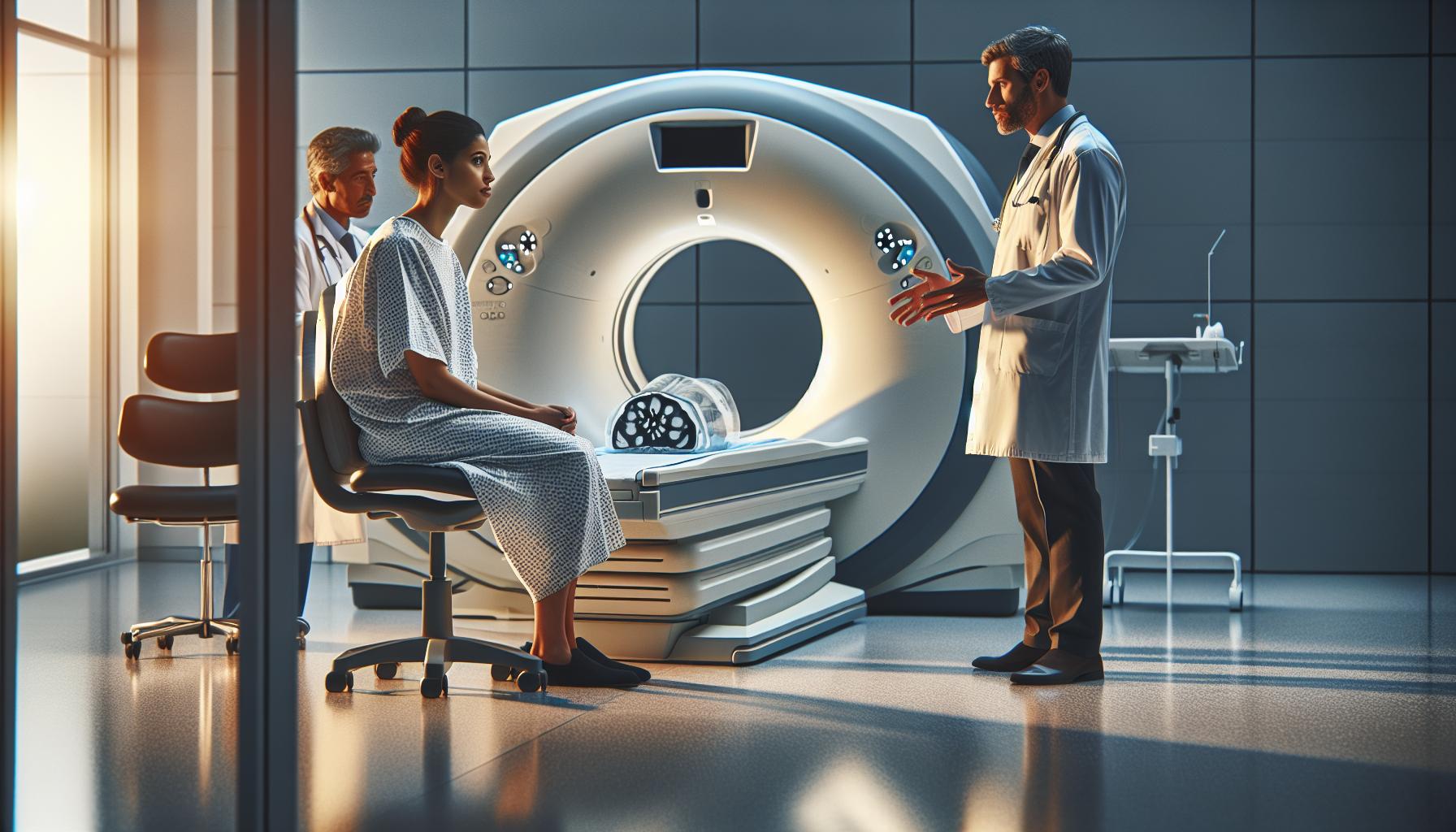
Understanding Kidney Stones and CT Scans
Kidney stones, which are hard mineral and salt deposits that form in the kidneys, affect millions of people worldwide. When experiencing severe abdominal pain, nausea, or blood in urine, a healthcare provider may recommend a CT scan to diagnose the presence of kidney stones accurately. This imaging technique uses advanced technology to create detailed cross-sectional images of the body’s internal structures, making it highly effective in detecting stones that are often too small to be identified through traditional X-rays. However, despite its efficiency, there are instances where kidney stones can be missed during a CT scan, leading to ongoing discomfort or complications.
Understanding the intricacies of how a CT scan detects kidney stones is crucial. The scan generates images by utilizing X-rays and computer technology, allowing healthcare providers to view the anatomy of the kidneys and the urinary tract in great detail. High-resolution imaging can illuminate the size, shape, and location of any stones. However, several factors influence the detection rate of these stones, including the size of the stone, its location within the urinary tract, and the patient’s hydration level prior to the scan. Stones less than 3 mm in diameter or those that are obscured by overlapping structures may not be visible, which can lead to missed diagnoses.
Additionally, patient-related factors such as body habitus (e.g., obesity) can also impact scan clarity. For instance, excess body fat may obscure the view of the kidneys, complicating detection efforts. Consequently, proper preparation for the scan is essential. Patients are typically advised to drink plenty of fluids before the procedure to ensure adequate hydration, which may help delineate kidney stones more clearly in the imaging process. After the CT scan, results are often discussed promptly. If stones are detected, healthcare professionals can devise an appropriate treatment plan, which may involve dietary changes, medication, or surgical options in more severe cases.
In summary, while CT scans are a powerful tool in identifying kidney stones, awareness about their potential limitations and the importance of patient preparation can significantly enhance diagnostic accuracy. If symptoms persist or if a stone is suspected, a dialogue with a healthcare provider remains vital for effective management and follow-up care.
How CT Scans Detect Kidney Stones
When kidney stones are suspected due to symptoms like severe pain or hematuria (blood in urine), healthcare providers often turn to CT scans as a definitive diagnostic tool. This advanced imaging technique employs X-rays and sophisticated computer algorithms to create highly detailed cross-sectional images of the body. Unlike conventional X-rays, CT scans can visualize kidney stones that may be too small or positioned in ways that render them undetectable by other methods, making them invaluable in assessing the presence and severity of kidney stones.
A CT scan operates by rotating around the patient, capturing multiple images from various angles. These images are then processed to provide a comprehensive view of the kidneys and urinary tract. This capability allows clinicians to identify crucial details about kidney stones, including their size, shape, and specific location within the urinary system. While this technique boasts a high sensitivity rate-able to detect stones as small as 2-3 mm-certain factors can influence the overall effectiveness of detection. For example, the hydration level of the patient plays a pivotal role; dehydration can lead to less distinct images, making detection more challenging.
Moreover, structures within the body can impede the clarity of CT images. Stones may be overshadowed by surrounding anatomical features or overlapping tissues, particularly if they are situated in complex areas of the urinary tract. Additionally, factors such as a patient’s body weight can affect the quality of the scan. Patients with obesity might experience reduced scan clarity, underscoring the importance of thorough preparation for the procedure. Ensuring proper hydration before the scan is strongly advised to enhance visibility-this should involve drinking an adequate amount of fluids as directed by healthcare providers.
In conclusion, CT scans remain one of the most effective means of detecting kidney stones, but understanding their operation and the factors influencing diagnostic accuracy is crucial for patients undergoing evaluation. By fostering an informed dialogue with healthcare professionals, individuals can optimize their preparation for the scan and ensure timely, effective treatment.
Factors Influencing Detection Rates in CT Scans
Various factors can significantly influence the effectiveness of CT scans in detecting kidney stones, which is essential for understanding the possibility of missed diagnoses. Surprisingly, even with the advanced technology that CT imaging provides, certain conditions related to the patient and the imaging process can impede clarity and detection rates.
The hydration level of a patient is one of the most critical variables affecting the quality of CT images. Dehydration can cause urinary concentration that may obscure stones, resulting in less distinct images. Patients advised to consume adequate fluids before the scan typically yield better results, so hydration should not be overlooked. This simple preparatory step can make a substantial difference in the clarity of the scan and the likelihood of stones being detected.
Moreover, anatomical structures can complicate the imaging process. Kidney stones could be positioned in such a way that they are obscured by nearby tissues or anatomical features. For example, larger kidney stones may cast shadows over smaller ones, leading to missed detections. This highlights the importance of the scan’s angle and the expertise of radiologists in interpreting the images. In some cases, specific body configurations or conditions, such as obesity, can affect image resolution, further complicating detection efforts.
Finally, the timing of the CT scan in relation to a patient’s symptoms can affect detection. If a scan is performed when a stone has recently moved or is causing intermittent pain rather than continuous distress, it may not be present or visible during the imaging. Consequently, open communication with healthcare providers about symptoms and their timing can help ensure that imaging is performed at the most opportune moment for detection.
In summary, understanding these influencing factors can help patients prepare effectively for their CT scans and engage in meaningful discussions with their healthcare providers about improving their chances for an accurate diagnosis.
Common Reasons for Missed Kidney Stones
Many individuals may be surprised to learn that despite the advanced technology of computed tomography (CT) scans, kidney stones can still occasionally go undetected. Understanding the common reasons behind these missed detections can be crucial for patients seeking clarity and peace of mind regarding their health. One significant factor is the composition and size of the stones themselves. Smaller stones, particularly those less than 3 mm, may be more challenging to identify on a CT scan. They can blend into their surroundings, leading to oversight, especially if the radiologist’s focus is on larger, more prominent stones present in the same scan.
Another important reason relates to the positioning of the stones within the kidneys or urinary tract. The kidneys are complex organs, and the presence of fat or other anatomical structures can obscure the view of certain stones. For instance, if a stone is located behind an organ or in a position that does not align with the scanning angle, visibility may be compromised. This encapsulates the necessity for skilled radiologists who can interpret images with a nuanced understanding of anatomy and pathology. They often rely on correlating clinical symptoms with CT findings-if a patient has intermittent pain, the timing of the scan can affect whether the stone is visible.
Additionally, the patient’s hydration status plays a vital role. Dehydration can concentrate urine, which may cause stones to be less distinct on scans. Physicians frequently recommend that patients hydrate adequately prior to their scan to improve image quality. When patients do not follow these guidelines, it could result in a missed diagnosis. It is essential for patients to communicate any recent variations in symptoms, hydration, or changes in health to their healthcare provider, as this can aid in making more informed decisions regarding imaging timing and methods.
In summary, while CT scans are a powerful tool in diagnosing kidney stones, several factors can lead to missed detections. By being knowledgeable about these reasons and actively communicating with healthcare providers, patients can contribute to a more accurate diagnostic process, ensuring they receive the appropriate care for their condition.
Types of CT Scans Used for Kidney Stone Diagnosis
When it comes to diagnosing kidney stones, computed tomography (CT) scans are some of the most effective imaging tools available. A variety of CT scan types can be utilized depending on the clinical situation, the patient’s health status, and specific diagnostic needs. Understanding these different types and their applications can significantly enhance the diagnostic process and improve treatment outcomes.
Types of CT Scans
There are two primary types of CT scans typically used in diagnosing kidney stones:
- Non-Contrast CT Scan: This is the most commonly used test for identifying kidney stones. The procedure does not involve any contrast dye, making it quick, safe, and effective at detecting even small stones, especially those less than 3 mm. Non-contrast scans are often the first choice for emergency settings, as they can rapidly clarify the cause of renal colic.
- Contrast-enhanced CT Scan: Sometimes used in specific clinical scenarios, this scan includes the injection of a contrast dye. Though not typically necessary for the initial evaluation of kidney stones, it may be beneficial in assessing other potential complications or conditions of the urinary tract, such as obstruction or tumors. It’s crucial for patients to discuss any allergies to contrast material with their healthcare provider prior to having this type of scan.
It’s also worth noting that advanced techniques such as CT Urography can provide a detailed overview of the urinary system, correlating the functional and anatomical aspects of the kidneys, ureters, and bladder. Though not a primary diagnostic tool for stones, it can be useful in comprehensive assessments, especially when repeated imaging is necessary.
Considerations for Scan Selection
The choice of CT scan type may depend on various factors, including the patient’s overall health, the size of the stones, and any pre-existing medical conditions. For instance, individuals who may have kidney dysfunction or allergies to contrast agents often benefit from non-contrast CT options. It’s also essential to communicate any previous kidney stone episodes or urinary symptoms to your healthcare provider, as this context can guide them in selecting the most appropriate scan.
Engaging with your healthcare team about the benefits and potential drawbacks of each CT scan type can help ease anxiety and ensure you feel informed and prepared for your imaging procedure. Remember, knowledge empowers you to make informed decisions about your healthcare and fosters a proactive approach to addressing kidney stone concerns.
How Patient Factors Affect CT Scan Results
Various factors related to patients can significantly influence the results of computed tomography (CT) scans when diagnosing kidney stones, potentially affecting the detection rates and outcomes. One crucial aspect is the patient’s body composition. Individuals with higher levels of body fat or larger body mass indices (BMIs) may pose challenges for imaging technology, as fat can hinder the ability of the scan to detect small stones. Moreover, anatomical variations, such as kidney position or renal structure abnormalities, can complicate the identification of stones, leading to possible missed diagnoses.
The timing of the scan also plays a pivotal role. For instance, if a patient experiences acute pain but then reports relief by the time of the scan, there may be a decreased likelihood of detecting stones. Patients may be advised to have their scans conducted shortly after the onset of symptoms to optimize the chances of detection. Furthermore, hydration levels are essential; adequate hydration can help enhance the contrast between stones and kidney tissues, while dehydration could lead to less clear images, making it more difficult to identify stones.
Patient history, including previous occurrences of kidney stones, urinary tract infections, or ongoing health conditions, should also be communicated to healthcare providers. Such background information enables radiologists and physicians to tailor imaging protocols more effectively, potentially improving the accuracy of the scans. Engaging in an open dialogue about any existing health issues not only assists in determining the most suitable scan type but also fosters a better understanding of individual patient needs, ultimately enhancing diagnostic precision.
In preparing for a CT scan, patients should be aware of any dietary restrictions, particularly if a contrast-enhanced scan is planned. For non-contrast scans, there are typically fewer preparatory requirements, but staying well-hydrated is universally encouraged. Addressing these factors helps prepare patients for successful imaging experiences and can significantly impact the reliability of CT scan results concerning kidney stones. Understanding these elements can reduce anxiety and empower patients to take an active role in their health care journey, ensuring they communicate effectively with their medical teams.
Preparing for a CT Scan: What Patients Need to Know
Preparing for a CT scan can seem daunting, especially when the focus is on diagnosing something as uncomfortable and concerning as kidney stones. However, being well-prepared can not only enhance the accuracy of the results but also help alleviate any anxiety you may feel about the procedure. One essential aspect is to understand the type of CT scan you will undergo, whether it’s a non-contrast or contrast-enhanced scan. Knowledge of these differences can set the stage for how you should prepare.
Here are some key steps to consider as you prepare for your CT scan:
Hydration is Key
Staying well-hydrated before your scan is crucial. For many CT scans, particularly those evaluating kidney stones, adequate fluid intake can improve image clarity. Aim to drink plenty of water, as this will help differentiate between kidney stones and surrounding tissues. However, if you’re scheduled for a contrast-enhanced scan, be sure to follow your healthcare provider’s specific instructions regarding fluid intake prior to the exam.
Dietary Guidance
Depending on the type of CT scan, dietary restrictions may be necessary. If a contrast dye is involved, you might be advised to avoid food for a period before your scan. Typically, patients are instructed not to eat solid food for several hours but can consume clear liquids. Always confirm these details with your medical team to ensure the best outcomes.
Communicate with Your Doctor
Prior to your CT scan, it’s critical to discuss your medical history with your healthcare provider. Inform them about any past occurrences of kidney stones, allergies to contrast dyes, and any medications you are currently taking. This information can help the healthcare team tailor the scan protocol to your needs and minimize risks.
Comfort and Clothing Considerations
On the day of your scan, wear comfortable clothing that is free from metal, such as buttons or zippers, as these can interfere with the imaging process. In some cases, you may be asked to change into a hospital gown to ensure the scan remains unobstructed. Consider bringing a support person with you for added comfort during the appointment, as they can help calm any nerves and provide reassurance.
Taking these steps can empower you as a patient and help ensure that the imaging process goes as smoothly as possible. Being proactive in your preparation not only promotes better results but also enhances your overall experience. Remember, your healthcare team is there to support you, so don’t hesitate to reach out with any questions or concerns you may have as you get ready for your CT scan.
What Happens After a CT Scan for Kidney Stones
The period following a CT scan for kidney stones is crucial for understanding the findings and taking appropriate next steps. Once the imaging is complete, the radiologist will meticulously analyze the scans, looking for any signs of kidney stones as well as other anomalies that may impact your renal health. This analysis typically takes place within a few hours to a couple of days, depending on the facility’s workload and protocols.
Once the results are available, your healthcare provider will discuss them with you. You may not receive a detailed interpretation immediately after the scan, but your doctor will inform you of any significant findings and what they mean for your health. If kidney stones are detected, you will also discuss options for management and treatment, which may range from lifestyle modifications and dietary changes to potential medical interventions if the stones are large or symptomatic. Preparing questions in advance can be helpful; think about aspects like the size of the stones, their location, and how they will affect your health moving forward.
If no stones are found, it does not necessarily rule out other underlying issues. In some cases, additional imaging or tests may be recommended to further evaluate your symptoms. It’s vital to stay informed and engaged in this discussion with your healthcare provider and express any ongoing concerns or symptoms you experience.
Patients often wonder about the implications of missed stones on CT scans due to the technology’s high accuracy. Despite this, factors such as the stone’s size, location, and density can contribute to detection variability. Your doctor will explain the relevance of these findings and any potential need for follow-up imaging. Regular communication with your healthcare team is essential, ensuring you feel supported throughout the process and enabling timely decisions to safeguard your health.
Alternative Imaging Techniques for Kidney Stones
While CT scans are often the gold standard for diagnosing kidney stones due to their speed and effectiveness, there are alternative imaging techniques that can also provide valuable insights. Understanding these options can help patients feel more empowered when discussing the best approach to their kidney stone management with their healthcare providers.
One common alternative is the ultrasound, which utilizes sound waves to create images of the kidneys and urinary tract. This method is radiation-free and is especially useful in certain populations, such as children and pregnant women, where minimizing exposure to radiation is crucial. Ultrasound can effectively detect larger stones and assess kidney swelling or other potential issues, although it might struggle with smaller stones or those located in certain areas.
Another option is the X-ray, particularly the KUB (Kidneys, Ureters, Bladder) series. This imaging technique can reveal radiopaque stones-those containing calcium-that are easily visualized. However, this method has limitations, as not all stones are visible on X-rays, particularly those that are radiolucent (such as uric acid stones). Therefore, X-rays are often used in conjunction with other imaging methods to increase diagnostic accuracy.
In some cases, MRI (Magnetic Resonance Imaging) might be considered, especially for patients who cannot undergo a CT scan due to allergies to iodinated contrast material or other contraindications. MRI offers detailed images without the risks associated with radiation, making it a safe alternative, though its availability and cost can be barriers.
It’s essential for patients to discuss their specific circumstances and symptoms with their healthcare providers, as individual cases may warrant different imaging strategies. Understanding the strengths and limitations of each technique can help provide clarity and peace of mind in navigating kidney stone diagnosis and treatment. Always remember that the primary goal of any imaging is to ensure an accurate diagnosis, paving the way for effective management and improved health outcomes.
The Importance of Follow-Up Care in Kidney Stone Detection
Navigating the aftermath of a CT scan for kidney stones can be just as crucial as the imaging process itself. While CT scans are highly effective in diagnosing kidney stones, there remains a possibility that some stones may be missed. Therefore, follow-up care becomes an essential component of ensuring proper management and treatment of kidney stones. A well-structured follow-up plan enables patients to monitor their condition closely and address any complications that may arise.
To begin with, understanding the results of a CT scan is important. The healthcare provider will interpret the imaging findings and communicate them to the patient, often providing clarity on whether any stones were identified and their size, location, and potential treatment options. If the scan shows no stones but symptoms persist, further evaluation may be warranted. This could involve additional imaging or different tests to ensure that the patient’s concerns are thoroughly addressed. Regular discussions with a healthcare provider about symptoms and concerns can lead to timely interventions and prevent further complications.
It’s also important to engage actively in preventive measures. Patients can work with their healthcare team to develop a personalized management plan, which may include dietary modifications, increased hydration, or medication to prevent future stone formation. Keeping a log of symptoms and any changes in health can be instrumental in guiding these discussions and refining the treatment plan.
Lastly, for individuals who’ve previously had kidney stones, routine monitoring and follow-up imaging may be recommended. Regular check-ups can help identify any new stones early, allowing for more effective management and reducing the risk of acute episodes. This proactive approach not only facilitates early detection but also fosters a sense of control over one’s health, reassuring patients that they are taking steps to protect themselves.
In summary, consistent follow-up care is integral in the management of kidney stones, ensuring that any potential issues are swiftly addressed and equipping patients with the knowledge and support needed to navigate their health journey confidently.
Understanding CT Scan Risks and Safety Measures
Radiology is a powerful tool in modern medicine, but understanding the risks and safety measures associated with CT scans is essential for patients facing potential kidney stone diagnosis. While computed tomography (CT) scans are highly effective in visualizing kidney stones, they do expose patients to radiation-a concern that understandably causes anxiety for many. However, it’s crucial to recognize that the benefits of detecting kidney stones often outweigh these risks.
Preparing for a CT scan begins with an open dialogue about your medical history and any underlying health conditions. Patients are encouraged to inform their healthcare provider if they are pregnant or have previously undergone numerous scans, as these factors can influence the decision to proceed with imaging. Furthermore, hydration plays a key role in preparation: being well-hydrated can enhance the quality of the scan and help flush out any stones if present.
To mitigate risks, most healthcare facilities adhere to the principle of “as low as reasonably achievable” (ALARA) in radiation exposure. This means the radiation used is minimized while still obtaining high-quality images necessary for an accurate diagnosis. Patients can also ask whether alternatives like ultrasound or MRI are suitable options, especially if they have concerns about radiation. Additionally, understanding how your scan will be performed-often in a quick, painless process-can alleviate fears.
In instances where a CT scan identifies kidney stones, the follow-up doesn’t end with the imaging. Emphasizing the importance of discussing results and next steps with your healthcare provider can empower you to manage your condition effectively. Safety measures, open communication, and proactive engagement with healthcare professionals contribute to making the CT scan experience safer and more reassuring for patients navigating kidney stone concerns.
Patient Experiences: Real Stories About CT Scans and Kidney Stones
Often, patients embarking on a CT scan journey for kidney stones share similar feelings of anxiety and uncertainty, wondering if the procedure will yield a definitive answer to their suffering. One patient, Sarah, had endured intense abdominal pain that left her unable to function daily. After consulting with her doctor, she underwent a CT scan, which, in her case, promptly revealed a sizeable stone in her ureter. This timely diagnosis was crucial, as it allowed her to pursue treatment swiftly. However, Sarah also learned that while CT scans are highly accurate, they are not infallible. A second CT performed later revealed additional stones that were initially overlooked, prompting a deeper discussion about detection rates and limitations.
Several other patients have shared their stories reflecting the complexity of CT scans in detecting kidney stones. For instance, John, who experienced recurrent urinary tract infections, found that his initial CT scan showed no stones, leading to a misdiagnosis that prolonged his discomfort. It wasn’t until a follow-up ultrasound, prompted by continuing symptoms, that multiple stones were detected. It is vital for patients to remember that if symptoms persist despite initial imaging, they should communicate openly with their healthcare providers about the need for further evaluation. Achieving the best possible outcomes often hinges on this dialogue.
What Patients Should Know:
- Detection Rates: Studies indicate that while CT scans can detect around 95% of kidney stones, there are instances-especially with smaller stones-where detection may falter.
- Taking Charge of Your Health: If your symptoms persist after a CT scan, seek a second opinion or ask for alternative imaging techniques to ensure nothing is missed.
Tips for Navigating the Process:
- Always express any lingering concerns or symptoms to your healthcare team.
- Consider asking questions about your imaging results and next steps; being proactive empowers you in your health journey.
- Understand that human error or overlapping symptoms can lead to missed stones, and remain vigilant in monitoring your health.
Ultimately, the stories of patients like Sarah and John underline the importance of patient advocacy and keen communication with healthcare providers. With the right questions and follow-ups, you can navigate the complexities of kidney stone detection effectively.
Q&A
Q: Can kidney stones be missed on a CT scan?
A: Yes, kidney stones can sometimes be missed on a CT scan, particularly if they are very small, located in challenging areas, or overshadowed by other structures. It’s essential to discuss any ongoing symptoms with your doctor, as they may recommend follow-up imaging or alternative methods.
Q: What factors influence the detection rate of kidney stones on CT scans?
A: Factors influencing detection rates include the size and composition of the stones, the type of CT scan performed, the patient’s anatomy, and the quality of the imaging. Ensuring thorough preparation and communication with the imaging team can help improve outcomes.
Q: How effective are CT scans for diagnosing kidney stones?
A: CT scans are highly effective, boasting a sensitivity of about 95% for detecting kidney stones. However, this rate can vary based on several factors including stone size and patient-specific conditions. For best results, follow any pre-scan preparation guidelines closely.
Q: Are there alternatives to CT scans for kidney stone detection?
A: Yes, alternatives include ultrasound and X-ray imaging. While these methods can be useful, they may not provide the same level of detail as CT scans. Always consult with a healthcare professional to determine the most suitable imaging method based on individual circumstances.
Q: What should I do if kidney stones are suspected despite a clear CT scan?
A: If kidney stones are suspected but a CT scan is clear, consult your doctor about further evaluation. They may suggest additional imaging, blood tests, or monitoring symptoms. Keeping track of pain and any changes can aid in diagnosis.
Q: How soon after a CT scan should I follow up if I suspect kidney stones?
A: It’s best to follow up with your healthcare provider as soon as possible if symptoms persist or worsen after a CT scan. Early intervention can be crucial in managing potential kidney stones and preventing complications.
Q: Can the preparation for a CT scan affect kidney stone detection?
A: Yes, proper preparation can enhance the clarity of CT scans, improving detection rates. Patients should follow guidelines regarding fasting and hydration as recommended by their healthcare provider before the scan.
Q: What are common reasons kidney stones might be missed during a CT scan?
A: Common reasons include the presence of very small stones, positioning during the scan, or overlapping anatomical structures that obscure visualization. Discussing any irregularities in symptoms post-scan with a physician can facilitate timely re-evaluation.
To Wrap It Up
Understanding the nuances of CT scans and their ability to detect kidney stones is crucial for effective healthcare decision-making. While these scans are highly effective, it’s vital to recognize that stones can sometimes be missed, which brings to light the need for secondary evaluations or alternative imaging methods. If you’re still concerned about your symptoms or the potential for kidney stones, don’t wait-speak to a healthcare professional today.
For more insights on kidney health, consider checking out our articles on kidney function and maintenance or the latest advancements in imaging technology. Don’t forget to subscribe to our newsletter for expert tips on kidney care and preventive strategies. Remember, your health is a priority, and staying informed is the first step to making empowered choices. Join the conversation below-share your experiences, ask questions, or simply let us know what topics you’d like us to cover next. Your journey to better health is just beginning!