Getting a CT scan might feel intimidating, but understanding the process can greatly ease your concerns. A CT scan, or computed tomography scan, provides detailed images of the inside of your body, helping healthcare providers diagnose various conditions accurately. Knowing how long the procedure will take is essential for managing expectations and planning your day.
Many patients worry about the time commitment involved, especially when balancing work, family, and health obligations. The duration of a CT scan can vary based on several factors, including the type of scan and whether contrast material is used. By shedding light on this process, we aim to empower you with the knowledge you need, making your experience smoother and more manageable. Join us as we explore the complete CT scan process, from preparation to results.
How a CT Scan Works: Understanding the Technology
A CT scan, or computed tomography scan, is an advanced imaging technology that creates detailed cross-sectional images of the body using a combination of X-rays and computer technology. This innovative procedure allows healthcare professionals to better visualize the internal structures of the body, including organs, bones, and blood vessels. The remarkable aspect of a CT scan lies in its ability to provide a more comprehensive view compared to traditional X-rays by taking multiple images from different angles around the body and reconstructing these into a single, comprehensive image.
During a CT scan, the patient lies on a table that slides into a large, doughnut-shaped machine. Inside this machine, the X-ray tube rotates around the patient, capturing a series of images as it moves. A computer processes these images to create cross-sectional slices of the body known as tomograms. This technology is not only faster than standard X-rays but also enhances detail, making it invaluable for diagnosing a wide range of medical conditions, such as tumors, internal bleeding, and bone fractures. The process typically takes just a few minutes, and the images can be generated very quickly, enabling rapid diagnosis and treatment planning.
It is essential to consult with your healthcare provider about the necessity and purpose of a CT scan, particularly if special contrast materials are involved. These contrast agents are sometimes used to enhance the visibility of specific areas within the body, allowing for even more precise imaging. Understanding the technology behind CT scans can empower patients by alleviating concerns and clarifying the procedures being conducted. Remember, the insights gained from a CT scan play a crucial role in guiding effective treatment options tailored to your specific health needs.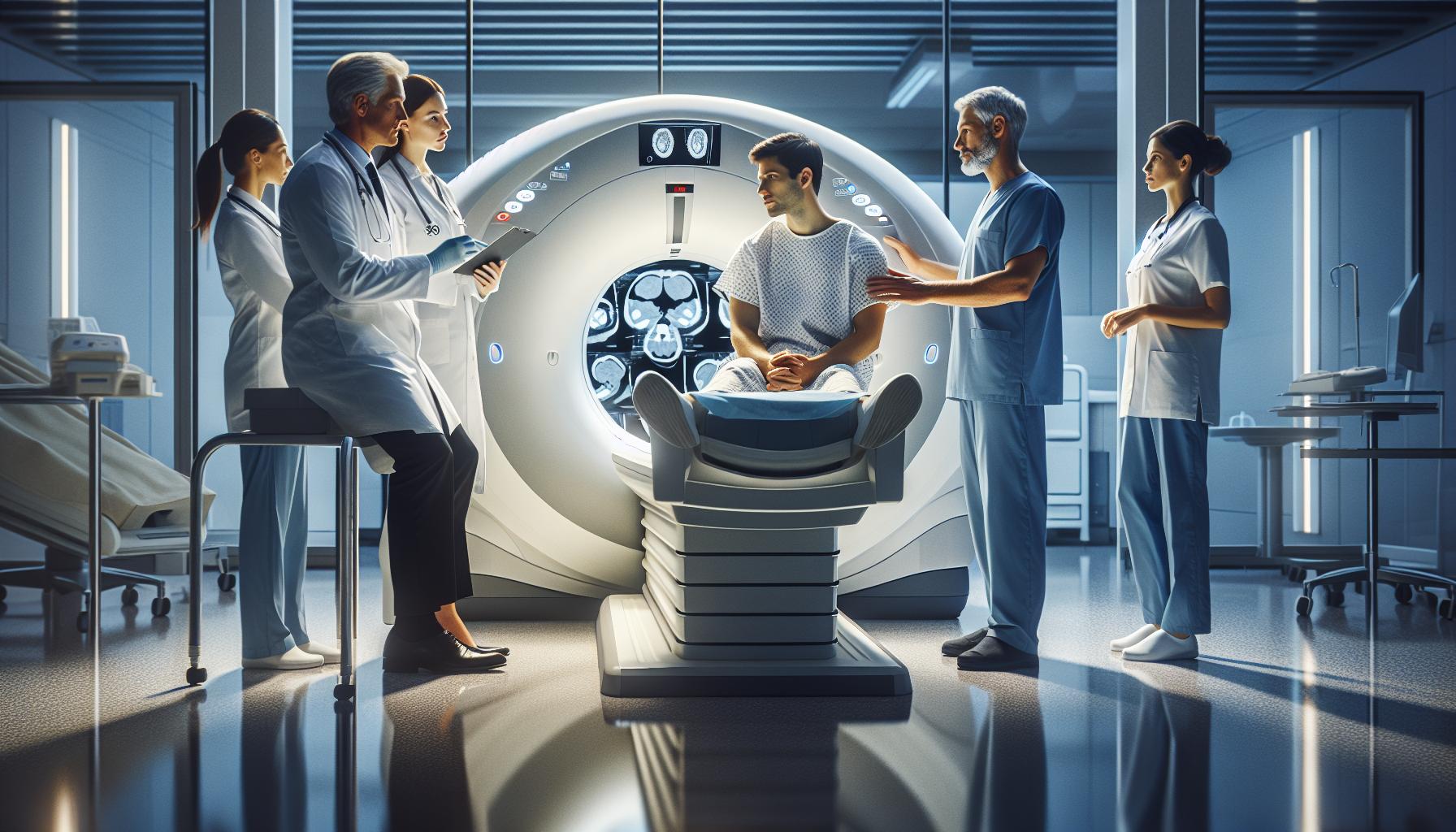
The Timeline of a CT Scan: What to Expect
Understanding what to expect during the timeline of a CT scan can greatly alleviate any anxiety related to the procedure. Typically, the entire process from arrival to completion can take anywhere from 30 minutes to a few hours, depending on various factors, including the complexity of the scan and whether contrast dye is used. By breaking down the experience into digestible steps, patients can feel more empowered and informed.
Upon arrival at the imaging center, patients will first go through a check-in process. During this time, healthcare professionals will confirm your appointment and may ask for information regarding your medical history, particularly any allergies to contrast materials, as well as current medications. If required, you may need to change into a provided gown to ensure that clothing does not interfere with the imaging. Depending on the facility’s operations, this preliminary step may take around 10 to 15 minutes.
Once prepared, you will be escorted to the CT scan room. The actual scanning process is relatively quick, generally lasting between 10 to 30 minutes. During this time, you’ll lie on a table that moves through the center of the CT scanner, a large, doughnut-shaped machine. It’s crucial to remain still during the scan to ensure the images are clear and diagnostic. If you’re receiving a contrast dye injection, this will be administered just before the scan, possibly adding a few extra minutes to the process. The CT machine will emit a series of low-dose X-rays that create detailed images of your body from multiple angles.
After the scan, you may be asked to wait briefly while the technician reviews the images to ensure they meet quality standards. If everything looks satisfactory, you will be free to leave the facility, and any further instructions or information about when to follow up with your physician will be provided. Overall, understanding this timeline helps minimize uncertainty and ensures that you feel more comfortable and prepared on the day of your CT scan.
Preparing for Your CT Scan Appointment
Preparing for a CT scan can feel daunting, but understanding what steps to take can alleviate much of that anxiety. Knowing the right preparations can empower you to approach your appointment with confidence. The first crucial step is to communicate openly with your healthcare provider about your medical history, including any allergies, particularly to contrast dye, and your current medications. This dialogue helps ensure safety and effectiveness throughout the procedure.
As your appointment day approaches, there are specific preparations you might need to follow based on the type of CT scan you will undergo. For instance, if your scan requires the use of contrast dye, you are often advised not to eat or drink anything for a period prior to your appointment-typically four hours before the scan. This restriction optimizes the clarity of the images captured during the procedure. For CT scans focusing on the abdomen or pelvis, you may need to drink an oral contrast solution to enhance image quality, which can vary in timing and details based on your provider’s protocols.
On the day of the scan, arrive early to complete any necessary check-in requirements. Bring essential documents, including your photo ID, insurance cards, and a list of medications, both prescription and over-the-counter. If required, you may need to change into a hospital gown-this ensures that your clothing does not obstruct the visualization needed for the imaging process. Allow about 10-15 minutes for this initial check-in process, as the facility will confirm your appointment details alongside your medical history.
Finally, while the scanning process may only last from 10 to 30 minutes, the preparation you do beforehand can significantly impact the accuracy and effectiveness of the results. Taking these steps not only helps ensure high-quality images but also fosters a smoother experience overall. By being prepared and informed, you can transform what may feel like a stressful experience into one that is straightforward and manageable. Always remember, if you have any questions or concerns, don’t hesitate to reach out to your healthcare provider for personalized guidance.
What Happens During a CT Scan: Step-by-Step
As you step into the CT scan room, it’s normal to feel a mix of curiosity and apprehension. Knowing what to expect can make this experience significantly easier. The entire CT scan process usually takes about 10 to 30 minutes, depending on the areas being imaged and whether contrast dye is used. Here’s a breakdown of what happens during a CT scan, step by step.
First, after checking in, you’ll be escorted to the scanning room where you’ll meet the radiologic technologist. They will explain the procedure and answer any questions you may have to help ease your mind. You’ll likely be asked to remove any clothing or accessories that could interfere with the imaging. If your exam requires contrast, it may be administered through an injection or taken orally, depending on the specific procedure.
Next, once you’re ready, you’ll lie down on a padded table that slides into the CT scanner, a large, donut-shaped machine. It’s important to remain as still as possible during the scan, which usually lasts only a few minutes. As the machine rotates around you, it will capture a series of detailed images from different angles. You might hear some humming or whirring sounds from the machine, but it is perfectly normal and signifies that the scan is in progress. The technologist will be in another room, but they can see and hear you throughout the entire process, so if you need assistance, just let them know.
After the scanning is complete, you can simply relax as the images are processed. If contrast dye was used, you may be monitored for a short while to ensure there are no adverse effects. Finally, the images will be reviewed by a radiologist, who will send the results to your healthcare provider for discussion. Understanding this flow can help you feel more prepared, relieving some anxiety about the unknowns of your CT scan. Always communicate openly with your healthcare provider about your concerns or questions, as they can offer personalized guidance tailored to your specific situation.
Post-CT Scan: What Comes Next?
After completing a CT scan, patients often wonder what happens next. The good news is that for most individuals, there are few immediate concerns. One of the key steps post-scan is the processing of the images, which typically occurs within minutes. If you received a contrast agent during your scan, the healthcare team will ensure you are monitored for any adverse reactions, which is a routine precaution.
Once the images are prepared, they are sent to a radiologist for interpretation. This professional will thoroughly examine the scans for any abnormalities or signs of conditions that might be affecting your health. The radiologist will compile a report summarizing their findings and send it to your healthcare provider, who will discuss the results with you. Depending on the hospital or clinic’s protocol, this can take anywhere from a few hours to several days, so be sure to follow up if you have not heard back within the expected timeframe.
During this waiting period, it’s natural to feel a mix of anticipation and anxiety. You may consider engaging in calming activities such as deep breathing exercises or gentle walks to help manage any emotional stress. If you have lingering questions or concerns, don’t hesitate to reach out to your healthcare provider; they can provide clarity and support.
In the following days, once you receive your results, your healthcare provider will explain what the findings mean and discuss any further steps or treatments that may be necessary, if applicable. Remember that understanding your health is an empowering process, and being proactive in discussions about your CT scan results will help you feel more in control of your care.
Understanding CT Scan Results: Timelines and Insights
Receiving the results of a CT scan can often feel like a daunting waiting game for patients. The anticipation of understanding what the images and reports reveal about your health is a common and very human experience. Upon completion of your scan, the images are typically processed within minutes, but the entire journey from scan to results can vary depending on several factors, including the facility’s protocols and the complexity of the case.
After processing, the images are sent to a radiologist who specializes in interpreting these detailed scans. This expert will carefully examine the images for any abnormalities or signs of medical conditions that may need to be addressed. The timeline for this interpretation can range from a few hours to several days, with many factors influencing the speed, such as the facility’s workflow and the radiologist’s caseload. While waiting, it’s completely natural to feel a mix of emotions ranging from anxiety to curiosity. Engaging in relaxing activities, like reading or taking a short walk, may help alleviate some of this stress during the waiting period.
Once the radiologist completes their review, they will compile a report summarizing their findings and share it with your healthcare provider. Schedule a follow-up appointment to discuss the results and any further action that may be needed. This is a perfect opportunity to ask questions about the findings, potential next steps, and any further tests that might be required. Feeling informed and engaged about your health can significantly enhance your sense of control during this process.
It’s important to remember that understanding your CT scan results is a collaborative process. If there’s anything that seems confusing or concerning, don’t hesitate to communicate openly with your healthcare provider. They are there to provide support and clarity, helping you navigate the next steps in your healthcare journey. Prioritizing open dialogue about your results can empower you on your path to health and well-being.
Cost Factors: How Much Does a CT Scan Cost?
The cost of a CT scan can be a significant concern for many patients, especially as they navigate their healthcare journeys. Understanding the various factors that influence the price of a CT scan can empower you to make informed decisions about your medical care. Several variables come into play when determining the cost, including location, type of scan, facility type, and whether or not you have insurance.
In different regions, the cost of a CT scan can vary widely. For example, in Virginia, prices for a CT scan with contrast can range from $425 to $755 depending on the facility and the specific services provided [[1]]. On the other hand, in Washington D.C., the average cost is approximately $1,436, reflecting the higher price points often found in urban healthcare markets [[2]]. These price differences highlight the importance of comparing facilities and understanding the local market.
In addition to geographic variations, the type of CT scan performed also affects cost. Scans that involve the use of contrast agents tend to be more expensive due to the materials and additional resources required. Furthermore, the type of facility-be it a hospital, outpatient center, or specialized imaging clinic-can also dictate pricing. Hospitals typically have higher overhead costs, which may translate to higher patient charges compared to standalone imaging centers.
Insurance coverage plays a critical role in managing out-of-pocket expenses for CT scans. Many insurance policies cover part or all of the cost, but this can be contingent on prior authorization and the specific terms of your plan. If you are uninsured or face high deductibles, it may be beneficial to inquire about cash payment discounts or consider payment plans offered by some facilities. Taking these proactive steps can alleviate financial stress and ensure that you receive essential imaging services without unnecessary burden.
Safety Considerations for CT Scans
Undergoing a CT scan is a pivotal step in diagnosing various medical conditions, but understanding the safety implications can significantly ease any apprehensions you might have. It’s important to remember that while CT scans do involve radiation exposure, the levels are typically very small, and the diagnostic benefits often far outweigh the associated risks. In fact, the risk of developing cancer from a single CT scan is minimal-estimated at less than 0.05%, according to some studies [[3]]. This perspective can help alleviate concerns, especially when a CT scan is essential for effective healthcare decisions.
Before your CT scan, discussing any concerns about radiation exposure with your healthcare provider is crucial. They can provide personalized information about the necessity of the scan, the dosage of radiation you will receive, and specific protocols in place to ensure your safety. For instance, modern scanning technologies come with features that minimize radiation levels while still providing high-quality images-an advancement that highlights the commitment of healthcare professionals to patient safety amidst necessary diagnostic procedures [[1]].
Furthermore, if you are pregnant or may be pregnant, it’s essential to inform your clinician, as alternative imaging methods that emit no radiation, such as ultrasound or MRI, may be recommended. When preparing for your scan, it’s also advisable to follow any instructions given, such as fasting beforehand, as this can enhance image clarity and further ensure the best possible outcome.
In conclusion, while safety considerations surrounding CT scans are valid and important, the overall risk associated with the procedure remains low. Being informed about the technology, engaging in open communication with your healthcare team, and following pre-scan preparations will help you navigate the process with confidence and peace of mind.
Common Misconceptions About CT Scans
Many individuals have concerns about CT scans, often fueled by common misconceptions that can create unnecessary anxiety. One prevailing myth is that a CT scan always provides a complete picture of the body and can detect all medical conditions. While CT scans are incredibly advanced and provide detailed imaging, they are not infallible. The accuracy of these scans can depend on various factors, such as the type of condition being assessed and the quality of the images captured. It’s vital to understand that while CT scans are powerful diagnostic tools, they may not detect every issue; thus, additional tests may be necessary for a comprehensive evaluation [[2]].
Another widespread concern is the potential for CT scans to cause cancer due to radiation exposure. While it is true that CT scans utilize radiation, the risk from a single scan is minimal-estimates suggest a chance of less than 0.05% for developing cancer from a single CT scan. The risk increases only with repeated scans over time, not from a singular visit [[3]]. Healthcare providers are now equipped with advanced technologies that aim to minimize radiation doses while maintaining high image quality, thereby prioritizing patient safety.
Lastly, there’s a belief that CT scans are only applicable for severe cases. In reality, they can be vital for diagnosing a wide range of conditions-some of which may not be immediately apparent through other diagnostic methods. It’s important for patients to have open conversations with their healthcare providers about the necessity and benefits of a CT scan based on their unique medical situations. Understanding the context in which CT scans are employed can empower patients and reduce anxiety, enabling them to approach their care with confidence and clarity.
Alternatives to CT Scans: When Are They Used?
When diagnostic imaging is necessary, it’s crucial to know that alternatives to CT scans exist, offering distinct advantages depending on the situation. Alternatives such as MRI, ultrasound, and conventional X-rays may be employed based on the specific medical needs of the patient.
Magnetic Resonance Imaging (MRI) is widely recognized for its superior detail in soft tissues, making it particularly useful for diagnosing conditions related to the brain, spinal cord, muscles, and joints. Unlike CT scans, MRIs do not use ionizing radiation; instead, they utilize strong magnetic fields and radio waves to create images. Although MRIs generally take longer than CT scans, their non-invasive nature and lack of radiation are significant advantages, especially for patients concerned about exposure. For example, a doctor might choose an MRI to evaluate a brain tumor or spinal injury, where soft tissue detail is paramount.
Ultrasound, another non-radiative option, uses high-frequency sound waves to produce images of soft tissues and organs. It is often employed in obstetrics to monitor fetal development or evaluate abdominal organs such as the liver and kidneys. This technique is quick, safe, and provides real-time imaging, making it a fantastic alternative when assessing fluid-filled organs or guiding procedures like biopsies. For instance, a healthcare provider may prefer an ultrasound to view a cyst’s characteristics rather than exposing the patient to radiation via a CT scan.
Conventional X-rays can also serve as an alternative for specific situations. While they provide less detail than CT scans, they are effective for evaluating bone injuries, infections, and certain lung conditions. The speed and simplicity of X-rays make them an appropriate first step in many diagnostic pathways, potentially leading to a CT scan if further detail is warranted.
Ultimately, the decision regarding which imaging modality to use will depend on various factors, such as the area of the body being examined, the specific health condition suspected, and the individual patient’s needs. It’s essential to engage in discussions with healthcare professionals who can guide the decision-making process, ensuring that patients receive the most appropriate and safe imaging approach tailored to their circumstances. This collaborative dialogue not only alleviates anxiety but also empowers patients to feel confident in their healthcare choices.
How to Reduce Anxiety Before a CT Scan
Feeling anxious before a CT scan is entirely normal, and understanding how to manage that anxiety can make a significant difference in your experience. One effective approach is to familiarize yourself with the procedure. Knowing what to expect helps demystify the process and allows you to approach it with a calmer mindset. For example, CT scans are typically quick, often completed in less than 30 minutes, which can be a reassuring detail for those concerned about longer procedures.
Communication with your healthcare team is crucial. Don’t hesitate to express your concerns about the scan. Technologists and radiologists are trained to assist anxious patients and can walk you through each step of the process. They may also offer practical strategies, such as bringing a comforting item or a friend to accompany you, which can help ease feelings of claustrophobia or unease. Additionally, practicing calming techniques like deep breathing exercises before and during the scan can significantly reduce anxiety levels.
Consider engaging in positive visualization as well. Imagine a successful scan with a positive outcome or recall a calming memory that brings you peace. This mental exercise can distract you from anxiety-inducing thoughts and foster a more relaxed state.
Lastly, remember that you are in a safe environment, and technicians are there to monitor your comfort throughout the procedure. By arming yourself with knowledge and employing these strategies, you can help alleviate some of the naturally occurring stress related to a CT scan, allowing you to benefit from the valuable information these scans provide about your health.
Frequently Asked Questions About CT Scans
The process of undergoing a CT scan can often raise questions and uncertainties for patients. Understanding common inquiries can provide clarity and ease any concerns. One frequent question is: How should I prepare for my CT scan? You’ll typically be given specific instructions based on the type of scan being performed. This may include fasting for a few hours before the procedure, especially if contrast dye is involved. Be sure to communicate any medications you are taking to your healthcare team, as some might require special considerations.
Another important inquiry revolves around the safety of CT scans, particularly regarding radiation exposure. While it’s true that CT scans use higher doses of radiation than standard X-rays, the benefits of obtaining crucial diagnostic information usually far outweigh the risks. Newer technology has helped minimize radiation exposure and make the procedure as safe as possible. Always discuss your concerns with your doctor, who can explain the necessity and safety measures involved with your specific scan.
Patients also frequently wonder, What happens after the scan? Generally, you can resume normal activities immediately unless your doctor advises otherwise. If contrast dye was used, drinking plenty of fluids afterward helps flush it out of your system. Results from your CT scan may not be available immediately; they typically take a few days as radiologists analyze the images, but your healthcare provider will inform you about when you can expect to receive them.
Lastly, a common concern is related to the duration of the scan itself. Patients can take comfort in knowing that most scans are completed within 15 to 30 minutes. The scan itself is quick, though you might spend longer in the facility for preparation and post-procedure instructions. Understanding these aspects helps demystify the experience, allowing you to feel more at ease during your appointment. Always consult with your healthcare provider for personalized guidance regarding your CT scan.
Frequently asked questions
Q: How long does the actual CT scan take?
A: The actual CT scan typically takes about 10 to 30 minutes, depending on the area being scanned and the specific protocol used. It’s usually quick, but preparation may add to the overall time at the facility.
Q: What should I expect during the waiting time before a CT scan?
A: Before a CT scan, you may experience a waiting period where paperwork is completed, and any necessary contrast material is administered. This can add an additional 15 to 60 minutes to your visit, depending on the situation.
Q: Do I need to fast before a CT scan, and how long?
A: Many CT scans, especially those with contrast, require fasting for at least 4 to 6 hours before the procedure. Always follow your healthcare provider’s specific instructions for fasting to ensure accurate results.
Q: Can I return to my normal activities after a CT scan?
A: Yes, most patients can resume normal activities after a CT scan, unless you received sedation or specific instructions to limit activities. Consult your healthcare provider for personalized guidance.
Q: Is there any paperwork I need to fill out before a CT scan?
A: Yes, you will likely need to complete paperwork that includes your medical history, current medications, and any allergies. Arriving early can help ensure all documentation is complete before your scan.
Q: How soon will I receive results from a CT scan?
A: Results from a CT scan are commonly available within 24 to 48 hours. Your healthcare provider will discuss the results with you, so be sure to ask when you can expect to hear back.
Q: Is there a difference in preparation time for different types of CT scans?
A: Yes, preparation time can vary depending on the type of CT scan. For instance, scans that require contrast material may necessitate additional screening and waiting time.
Q: Why might a healthcare provider request a CT scan?
A: Healthcare providers may request a CT scan to diagnose conditions such as internal injuries, tumors, infections, or to guide certain treatments. Discussing any specific concerns with your provider can help clarify the purpose.
In Conclusion
Understanding the CT scan process can demystify your upcoming appointment and alleviate any concerns you may have. Remember, the entire procedure typically takes just a short amount of time, and being informed allows you to focus on the valuable insights the scan provides for your health. If you’re curious about what happens before or after the scan, or how it compares with other imaging methods like MRI, explore our detailed articles on CT scan safety and CT vs. MRI.
Feeling anxious? That’s completely normal. Our resources are here to empower you with knowledge, fostering confidence as you navigate your health journey. Don’t hesitate to reach out for more personalized information or to schedule your consultation today. We invite you to leave your questions or share your experiences in the comments. Your health is important-take the next step in your care!