Computed Tomography (CT) scans are a vital tool in modern medicine, enabling healthcare providers to visualize the internal structures of the body with remarkable precision. However, one common question arises: Can CT effectively detect unmineralized tissue? This inquiry is important for patients concerned about their health and the reliability of diagnostic imaging, as unmineralized tissues, such as certain types of soft tissue, can present challenges in identification.
Understanding the limitations of CT technology is essential for informed decision-making. By exploring how CT scans work and the specific challenges associated with imaging unmineralized tissues, patients can better grasp the diagnostic process and its implications for their health. Additionally, this knowledge empowers individuals to engage in meaningful conversations with their healthcare providers about the most suitable imaging options available for their particular circumstances. As you read on, discover how CT scans operate and the advancements that continue to enhance their diagnostic capabilities, ultimately contributing to better patient outcomes.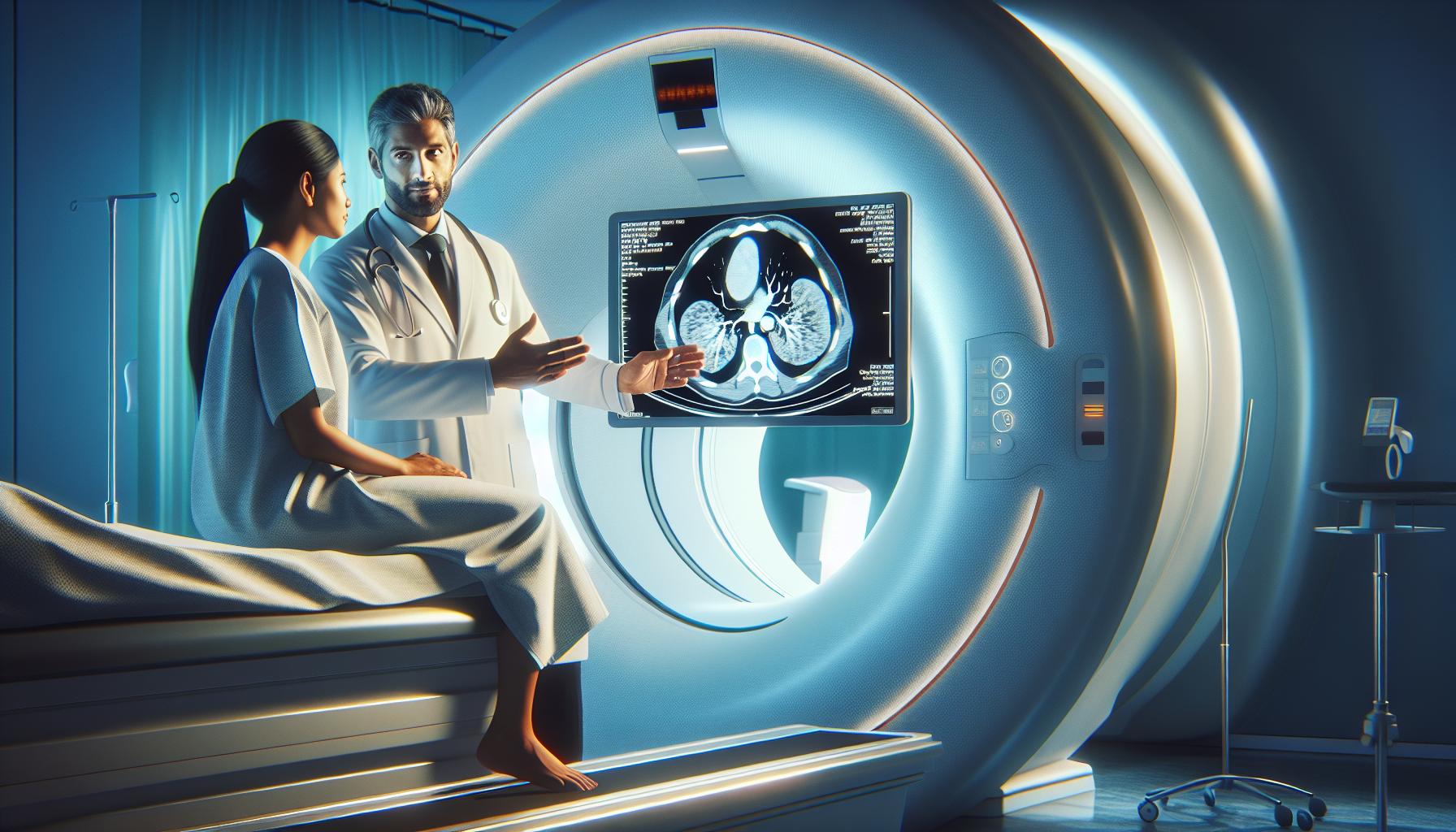
Understanding Unmineralized Tissue in CT Imaging
is crucial for accurate diagnosis and care. Unmineralized tissues, such as muscles, organs, and certain tumors, have similar densities, which makes them challenging to visualize using traditional CT scans that are predominantly designed to detect denser structures like bones. CT imaging relies on differences in tissue density and composition to create detailed cross-sectional images, emphasizing the need for distinguishing features that may not always be pronounced in softer tissues.
One of the key challenges in identifying unmineralized tissue lies in the inherent limitations of the imaging technology itself. CT scans utilize X-rays to create images based on varying degrees of attenuation as the beam passes through different body parts. While this method excels at outlining boundaries between high-density and low-density tissues, the subtle differences within unmineralized tissues can be easily overlooked. For example, muscles and internal organs may blend together on a scan, complicating interpretations and leading to potential diagnostic errors.
To enhance the visibility of unmineralized tissues, various techniques are applied. These include the use of contrast agents that temporarily enhance the visibility of particular tissues or structures by altering their density in relation to surrounding areas. Additionally, advancements in CT technology, such as multi-energy CT and iterative reconstruction, aim to improve soft tissue contrast and resolution, providing radiologists with better tools to visualize these challenging areas. Using these advanced techniques can significantly improve the detection of abnormalities that might otherwise go unnoticed, empowering healthcare providers to make informed decisions based on clearer diagnostic images.
In summary, recognizing the limitations of standard CT techniques when it comes to unmineralized tissues underscores the importance of continuous innovation in imaging technology and collaboration with healthcare professionals. Patients are encouraged to communicate openly with their healthcare providers about imaging options that may be best suited for their specific situations, ensuring a comprehensive approach to their diagnostic needs.
The Science Behind CT Scan Technology
The ability of CT scans to provide detailed images of the body’s internal structures has transformed diagnostic medicine, but the intricacies of this technology can often raise questions for patients. At its core, a CT (computed tomography) scan combines a series of X-ray images taken from different angles and processes them using computer algorithms to create cross-sectional images or “slices” of bones, organs, and other tissues. This imaging technique allows healthcare professionals to view complex anatomical structures in a way that traditional X-rays cannot, making it a powerful tool for diagnosing a variety of conditions.
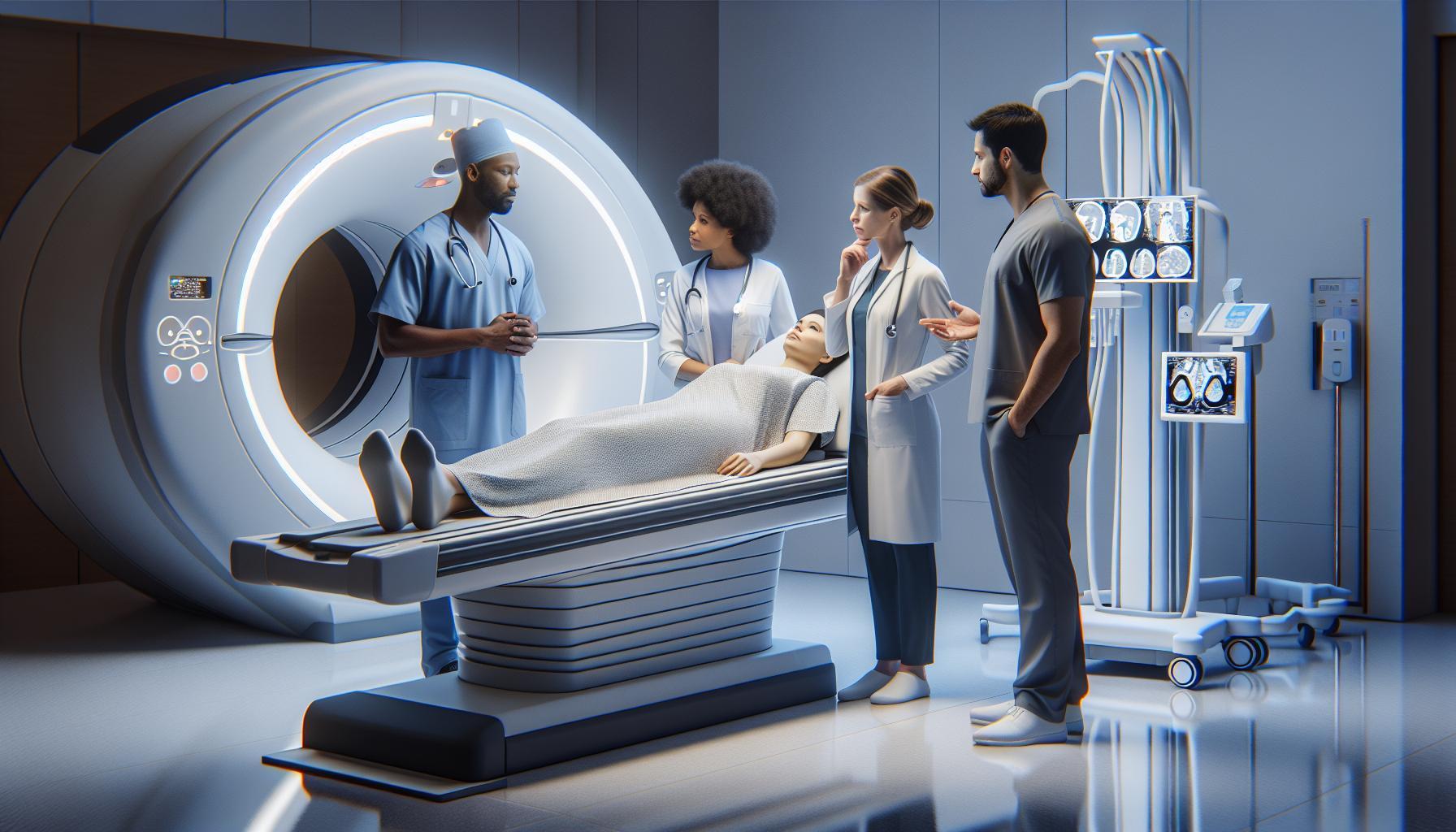
Understanding how CT scanning technology works can alleviate some anxiety for patients who may be apprehensive about the process. When a patient undergoes a CT scan, they typically lie on a table that moves through a circular machine. Within the machine, a rotating X-ray tube emits a series of X-ray beams. The detector measures the amount of X-ray radiation that passes through the body and transmits this data to a computer, which reconstructs it into detailed images. One of the remarkable features of CT technology is its ability to differentiate between high-density tissues, like bone, and lower-density tissues, such as air-filled lungs or soft tissues, to produce precise images for assessment.
However, despite these advancements, CT scans have limitations, particularly regarding the visualization of unmineralized tissues, like muscles and certain organs. These tissues often have similar densities, making it difficult for standard CT imaging to distinguish between them effectively. Patients may find reassurance in knowing that radiologists continually strive to improve imaging techniques, utilizing methods such as contrast agents to enhance visibility or employing advanced techniques like multi-energy CT, which allows for better differentiation of tissue types.
In light of these advancements and challenges, patients should feel empowered to discuss their concerns with healthcare providers. Understanding the strengths and limitations of CT scans ensures that patients can make informed decisions about their healthcare options, setting the stage for effective communication and personalized care in their imaging experiences.
Limitations of CT in Visualizing Soft Tissue
Despite the significant advances in medical imaging technology, computed tomography (CT) scans can encounter particular challenges when it comes to visualizing unmineralized tissues, such as muscles, organs, and certain soft tissues. One key limitation is the inherent similarity in density between these tissue types, which often makes it difficult for standard CT imaging to differentiate between them. Unlike bones, which have a high density and produce clear images on CT scans, soft tissues have similar attenuation properties, leading to overlapping signals that can obscure specific structures.
Moreover, the resolution of CT scans is influenced by factors such as the size of the area being imaged and the settings of the machine used. For instance, when imaging larger areas, pixel size must increase, which can reduce the level of detail captured. This scenario poses a challenge, particularly when clinicians aim to assess or diagnose conditions related to soft tissues, where precise visualization is paramount. In some instances, subtle lesions or abnormalities may remain undetected, leading to potential misdiagnoses or delayed treatment.
While these limitations can be worrisome, there are strategies and technologies available to enhance CT scan efficacy in visualizing soft tissue. The use of contrast agents, which can help highlight specific areas of concern, and advanced modalities like multi-energy CT, which uses different X-ray energies to differentiate tissue characteristics better, exemplify the ongoing efforts to improve soft tissue imaging. It’s essential for patients to discuss these options with their healthcare providers to ensure an appropriate imaging approach that aligns with their specific medical needs.
Understanding these limitations allows patients to have informed discussions with their healthcare providers, ultimately fostering a partnership that enhances diagnostic accuracy and patient care. Addressing any questions or concerns can help alleviate anxiety about the process, enabling a more comfortable imaging experience while ensuring the best possible outcomes.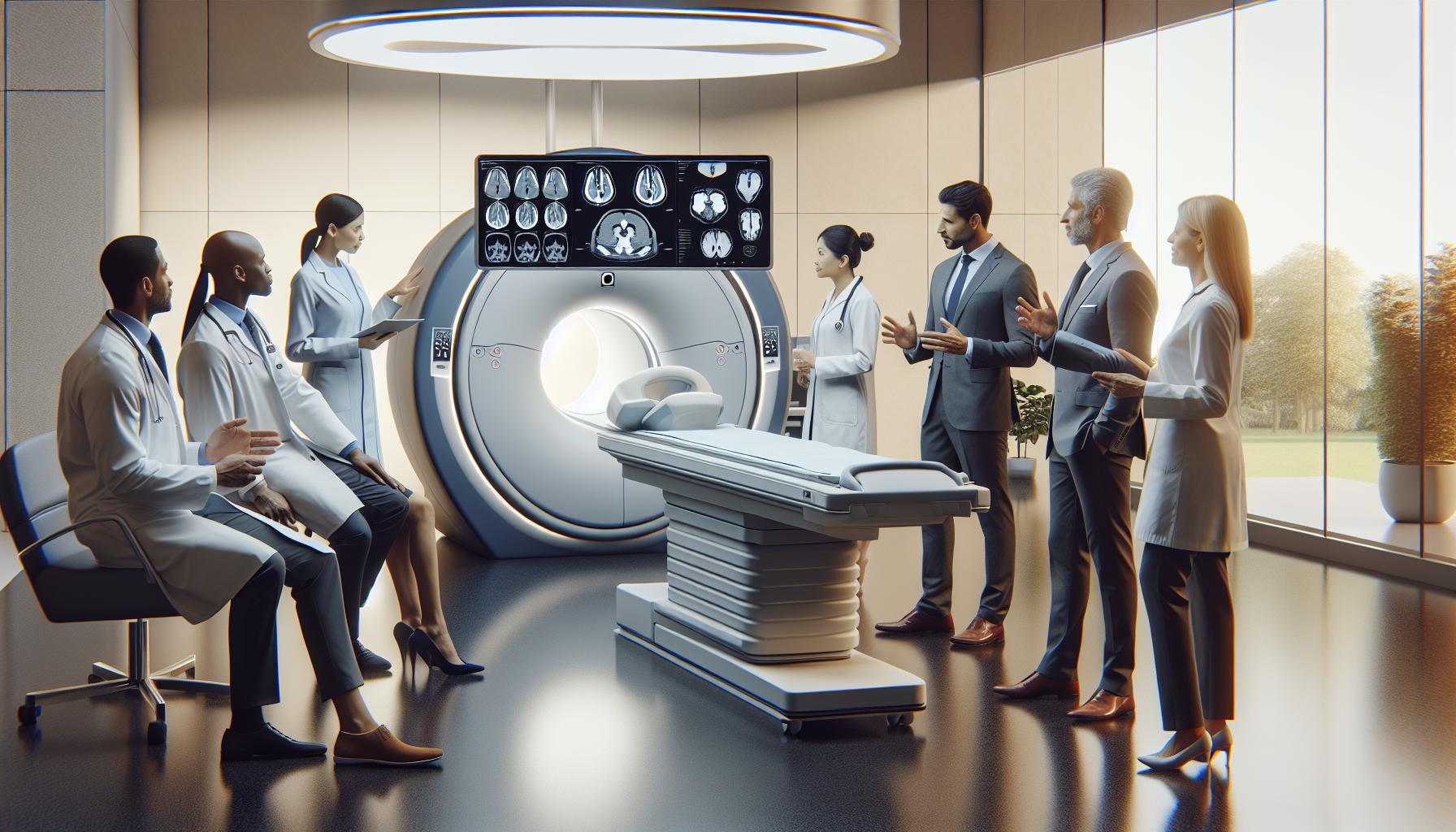
Exploring Alternatives: MRI vs. CT for Soft Tissue
In the realm of medical imaging, selecting the right technological approach is crucial for effective diagnosis and treatment. When it comes to visualizing unmineralized tissues, such as muscles and organs, patients often find themselves at a crossroads between two powerful imaging modalities: MRI and CT. Understanding the differences between these two methods can empower you to make informed decisions about your healthcare.
MRI, or Magnetic Resonance Imaging, stands out as a superior option for soft tissue visualization due to its ability to produce highly detailed images without the use of ionizing radiation. The technology relies on strong magnetic fields and radio waves to generate images, rendering it particularly adept at distinguishing between different types of soft tissues. For instance, it excels in detecting abnormalities in the brain, spinal cord, muscles, and joints. An MRI can show nuanced differences in soft tissue structure, making it the preferred choice for diagnosing conditions such as tumors or inflammatory diseases in these areas.
On the other hand, while CT scans are remarkably efficient at providing detailed cross-sectional images of the body, they can struggle with differentiating between similar soft tissues due to their density characteristics. However, CT does offer advantages in terms of speed and accessibility, particularly in emergency situations where quick imaging is essential. Additionally, CT is invaluable when assessing bone structures and can be enhanced through the use of contrast agents to increase visibility of certain soft tissues.
When considering which modality might be more appropriate for your specific needs, it’s essential to consult with your healthcare provider, who can guide you based on your medical history, symptoms, and the specific areas that require evaluation. This partnership will ensure that you receive the most applicable imaging technique, allowing for accurate diagnosis and timely treatment. Always remember that your comfort and safety are paramount; discussing any concerns you have about the procedures or technology with your healthcare team is a vital step in the process.
How Patient Preparation Affects CT Scan Results
Proper preparation for a CT scan is critical as it directly impacts the quality of the images obtained, which in turn affects diagnosis and treatment planning. A well-prepared patient can significantly enhance the radiologist’s ability to visualize unmineralized tissues, ensuring that anomalies are detected effectively. For example, patients may be asked to avoid food or drink for a specific period before the scan. This fasting helps reduce the amount of gas in the intestines, improving image clarity and minimizing the risk of artifacts that can obscure soft tissue visualization.
In addition to dietary restrictions, the use of contrast agents is another important consideration in patient preparation. If contrast is required for the CT scan, patients may need to hydrate adequately and disclose any allergies, especially to iodine or shellfish, as these can affect the safety and effectiveness of the contrast dye. Patients with diabetes or kidney issues may also need to prepare differently, as contrast agents can sometimes impact renal function. Informing the healthcare provider about all medications and health conditions is essential so that they can tailor instructions to each individual’s needs.
Additionally, wearing comfortable, loose-fitting clothing can help ease the process, as some facilities may request that patients remove metallic items or clothing that could interfere with imaging. Understanding the scan’s purpose and the technology used can also alleviate anxiety. Patients should feel encouraged to ask questions about their preparation, what to expect during the scan, and how the results will be communicated. This knowledge empowers patients, fostering a sense of control as they navigate the imaging process.
Ultimately, successful patient preparation combines understanding, communication, and following guidelines provided by healthcare professionals. By being proactive and informed, patients can play a crucial role in enhancing the accuracy of their CT scans, leading to better diagnostic outcomes and peace of mind.
Advancements in CT Technology for Soft Tissue Detection
In recent years, significant advancements in CT technology have transformed the landscape of soft tissue imaging, enabling radiologists to detect unmineralized tissues more effectively than ever before. One of the most promising innovations is the development of improved contrast agents, which enhance the visibility of soft tissues during scans. Unlike traditional contrast materials, newer agents are designed to provide better delineation of vascular and non-vascular structures, thereby aiding in the identification of abnormalities in soft tissue regions such as muscles, organs, and connective tissues.
Another key advancement is the advent of multi-energy CT scanning, which utilizes different energy levels of X-rays to create highly detailed images. This technology allows for the differentiation of tissue types based on their chemical composition, even when they are adjacent to each other. By applying this multi-energy approach, radiologists can achieve better soft tissue characterization, increasing the diagnostic capabilities for conditions such as tumors and inflammatory processes.
Furthermore, software improvements, including deep learning algorithms and image reconstruction techniques, have greatly improved image quality and reduced noise in CT scans. These enhancements facilitate clearer visualization of soft tissue structures, making it easier for healthcare providers to identify pathological changes. For instance, applications of artificial intelligence (AI) in analyzing CT scans have shown promising results in automating lesion detection, which not only speeds up the diagnostic process but also aids in minimizing human error.
Investing in these advanced technologies elevates the efficacy of CT scans, allowing healthcare professionals to obtain a more comprehensive view of a patient’s condition. As these advancements continue to progress, patients can feel more assured that their imaging studies will yield accurate and informative results, ultimately leading to better care and treatment decisions. Consulting with healthcare providers about the specific technologies used in your CT scan can provide a deeper understanding of how these advancements may impact your diagnostic journey.
Case Studies: Successful Detection of Unmineralized Tissue
The evolution of computed tomography (CT) scanning technology has led to remarkable success stories in detecting unmineralized tissue, showcasing the method’s increasing diagnostic capabilities. While traditionally, CT scans have struggled with soft tissue differentiation due to their reliance on X-ray attenuation, recent advancements have empowered radiologists to observe these tissues more effectively.
One compelling case involved a patient presenting with unexplained abdominal pain. Initial examinations, including ultrasounds, yielded inconclusive results. Upon conducting a multi-energy CT scan, radiologists were able to discern subtle differences in chemical composition between adjacent soft tissues, ultimately identifying an early-stage soft tissue sarcoma that standard imaging techniques had overlooked. This case highlights how enhanced imaging techniques provide a clearer view of unmineralized tissues, broadening the diagnostic spectrum for conditions that would otherwise remain hidden.
Similarly, in the evaluation of inflammatory diseases such as pancreatitis, the utilization of improved contrast agents has proven invaluable. A patient displaying symptoms of severe abdominal distress underwent a CT scan with an upgraded contrast medium specifically designed to illuminate vascular structures. The scan clearly revealed the presence of peritoneal inflammation and fluid collections that would not have been distinguishable with older imaging techniques. This early detection facilitated timely intervention, significantly improving the patient’s outcome.
This growing body of evidence illustrates the promising role of modern CT technology in successfully detecting unmineralized tissues. As you contemplate your imaging options, it’s essential to engage with your healthcare provider about these advancements. Doing so will not only empower you with knowledge but also ensure that your medical journey is guided by the latest and most effective imaging methods available.
Interpreting CT Scan Results: What to Expect
Interpreting the results from a CT scan can be an important step in understanding your health, especially regarding the detection of unmineralized tissues. Understanding what your results mean may alleviate concerns and empower you to make informed decisions about your health journey. When you receive your report, it will often include detailed descriptions of the scans taken, focusing on different anatomical areas and any notable findings. The language can sometimes feel technical, but it’s essential to recognize that radiologists are trained to present information in a way that helps physicians form a complete picture for diagnosis and treatment planning.
One key aspect of interpreting CT scan results is knowing that findings are typically categorized as either normal or abnormal. Abnormalities may include unexpected masses, changes in tissue density, or inflammation. The report might describe unmineralized tissues, which are soft tissues that CT scans traditionally struggle to visualize. Thanks to recent technological advancements, radiologists can employ specialized techniques to better identify these areas. For example, reports may reference the use of enhanced contrast agents or multi-energy scanning, which allows for improved differentiation between various types of tissue.
What should you expect during the follow-up after receiving your results? It’s common to discuss findings with your healthcare provider, who will interpret them within the context of your symptoms and medical history. They may suggest additional imaging, such as MRI or ultrasound, if necessary, especially for further evaluation of soft tissue. Consider jotting down questions or concerns before your appointment to ensure you address all relevant points with your doctor.
Understanding your CT scan results can be daunting, but knowing what to look for and how to interpret the information can help demystify the process. Always remember that every patient’s situation is unique, and your healthcare provider can provide clarification and guidance tailored specifically to your health needs. It’s your right to seek clarity on any aspect of your scan results, including the implications they may have for your treatment and overall health strategy.
Safety Concerns with CT Scans and Soft Tissue Imaging
The decision to undergo a CT scan often comes with valid safety concerns, particularly when it involves the nuanced task of imaging unmineralized soft tissues. It is important to understand that, while CT imaging is a powerful tool, it does expose patients to ionizing radiation, which can increase the risk of cancer over a lifetime. That said, the radiogenic risk is generally low and should be weighed against the potential benefits when accurately diagnosing conditions. Healthcare providers carefully consider these factors to ensure that the diagnostic advantages justify the radiation exposure.
When preparing for a CT scan, patients should communicate openly with their healthcare providers about any concerns they may have regarding safety. This includes disclosing previous imaging tests, comparing the necessity of CT scans to other forms of imaging like MRI or ultrasound, which do not use radiation. Patients might also inquire about measures taken to minimize exposure, such as utilizing modern equipment that can adjust doses based on the patient’s size or the area being scanned. Techniques such as iterative reconstruction can reduce the amount of radiation needed while enhancing image quality.
Understanding the Risks
The nature of CT scans means that they are particularly advantageous when detailed images of your body’s internal structures are required. However, the risks associated with CT scans are emphasized through the concept of “as low as reasonably achievable” (ALARA). This principle guides medical professionals to keep radiation exposure to the minimum necessary for effective imaging. Patient information is key-those who are pregnant or may become pregnant should discuss alternative imaging options to mitigate risks to the developing fetus.
Many patients also express concerns over potential allergic reactions to contrast materials used in some CT scans. Although serious allergic reactions are rare, it is vital for patients to inform healthcare providers of any known allergies beforehand. Monitoring protocols are typically in place during the procedure to ensure the patient’s safety, providing peace of mind amidst the imaging process.
Ultimately, awareness, preparation, and open dialogue with healthcare providers are essential for alleviating safety concerns associated with CT imaging. This proactive approach empowers patients to participate actively in their healthcare journeys, fostering a better understanding of not only the risks but also the necessity and benefits of such diagnostic procedures.
Cost Factors of Soft Tissue Imaging Procedures
When considering soft tissue imaging procedures, it’s essential to understand the various factors that influence the costs associated with CT scans. The total expense can vary widely based on a multitude of factors, making it important for patients to be informed and financially prepared. Generally, the costs of a CT scan can range from several hundred to a few thousand dollars, depending on the specifics of the procedure and the healthcare facility involved.
One of the primary factors affecting the cost is the type of CT scan being performed. For example, a standard abdominal CT may cost less than a specialized scan that involves contrast materials or advanced imaging techniques. Additionally, facility fees can significantly contribute to the overall price, as hospitals typically charge more than outpatient imaging centers. Location also plays a role; urban centers may have higher prices compared to rural facilities due to increased operational costs.
Insurance coverage greatly impacts out-of-pocket expenses for patients. Depending on the individual’s plan, costs such as deductibles, copays, and coinsurance can vary. Understanding your insurance benefits, including whether pre-authorization is needed, can help mitigate unexpected costs. It’s advisable to contact your insurance provider ahead of the procedure to get a clear picture of what will be covered.
Furthermore, some healthcare providers offer payment plans or discounts for patients who pay out of pocket. Exploring these options can ease financial burdens, especially in cases where multiple imaging sessions are required.
In summary, while CT scans can be effective for diagnosing conditions related to unmineralized soft tissues, being informed about cost factors can help patients make better financial decisions regarding their healthcare. It is always prudent to consult with healthcare providers to gain clarity on potential expenses and explore available options to minimize costs.
Future Trends in CT Imaging for Unmineralized Tissue
The field of medical imaging is continuously evolving, and the future of CT (Computed Tomography) scanning for detecting unmineralized tissue holds great promise. Advances in technology are driving efforts to enhance the sensitivity and specificity of CT scans in visualizing soft tissues, which have traditionally posed challenges in diagnosis. One of the most exciting developments is the integration of artificial intelligence (AI) into imaging systems, which aims to improve the interpretation of CT images by identifying subtle changes in tissue characteristics that may indicate pathology.
Moreover, advancements in CT hardware, such as multi-energy or spectral CT, allow for more detailed imaging by capturing data at multiple energy levels. This enables the differentiation of materials based on their atomic number, which helps delineate soft tissues with better precision. Such improvements open new avenues for detecting conditions that involve unmineralized tissues, including cancers and inflammatory diseases, resulting in earlier and more accurate diagnoses.
Another critical aspect to consider is the reduction of radiation exposure through innovative scan techniques. Newer generations of CT machines are designed to optimize radiation doses while maintaining image quality. Techniques such as iterative reconstruction and low-dose protocols are already being implemented, allowing patients to receive effective imaging with minimal risks associated with radiation exposure.
Finally, with the growing emphasis on personalized medicine, future trends in CT imaging will likely focus on tailored imaging strategies based on individual patient profiles and specific clinical questions. This approach not only enhances diagnostic accuracy but also increases the relevance of imaging studies to patient care. As these technologies advance, they will empower both healthcare providers and patients to make informed decisions regarding imaging options, ultimately leading to improved outcomes in the management of conditions impacting unmineralized tissue.
Consulting Your Healthcare Provider About Imaging Options
is an essential step in addressing concerns about unmineralized tissue detection with CT scans. With the advent of advanced imaging technology, navigating the landscape of medical imaging can feel overwhelming. However, engaging in a thoughtful dialogue with your healthcare provider can clarify the best approach tailored to your individual health needs.
The importance of personalized imaging strategies cannot be overstated. Each patient presents unique clinical scenarios, including factors such as medical history, symptoms, and other imaging results. These details will guide your doctor in determining whether a CT scan is the most suitable option, or if other imaging modalities, like MRI, may yield better results for soft tissue visualization. For instance, if there’s a specific area of concern, your provider might recommend targeting scans that utilize advanced techniques like spectral CT, which can offer improved differentiation of soft tissues.
When you consult with your provider, consider making a list of questions to ensure you cover all your concerns. Here are some pointed inquiries to consider:
- What specific unmineralized tissues are being assessed with this imaging?
- How does the CT scan compare to other imaging options, such as MRI, for my particular situation?
- What potential risks or limitations should I be aware of regarding this imaging technique?
- How do the advantages of a CT scan in my case outweigh potential concerns, such as radiation exposure?
Being well-informed will not only reduce anxiety but will also enable you to participate actively in the decision-making process. Additionally, discussing preparation steps, safety protocols, and budget considerations with your provider ensures a smoother experience leading up to the imaging appointment. This collaborative approach not only fosters trust but also empowers you to understand your diagnostic journey, ultimately leading to better management of your health concerns.
FAQ
Q: Can a CT scan differentiate between mineralized and unmineralized tissue?
A: No, a CT scan primarily utilizes X-rays to visualize structures with varying densities. While it excels at detecting mineralized tissue, it struggles to distinguish unmineralized soft tissue due to similar attenuation values. For better soft tissue differentiation, MRI is often recommended.
Q: What are the scanning limits of a CT for soft tissue detection?
A: CT scans have limitations in soft tissue imaging, primarily due to their reliance on density differences. Conditions such as edema or inflammation may not be clearly visualized. Therefore, alternative imaging methods like MRI are preferable for detailed assessments of soft tissue.
Q: How does patient preparation affect CT scan results for soft tissue?
A: Proper patient preparation, such as avoiding food and fluid intake before the scan, can enhance image quality. This reduces artifacts and improves the chances of accurately detecting soft tissues. Consult your healthcare provider for specific preparation instructions tailored to your needs.
Q: Are there specific types of unmineralized tissue that CT scans can reliably detect?
A: CT scans can sometimes identify large masses or lesions of unmineralized tissue but are less effective for smaller, diffuse soft tissue abnormalities. MRI is usually the preferred method for detailed visualization of these types of tissues.
Q: What alternatives exist to CT scanning for examining soft tissues?
A: Alternatives to CT include MRI and ultrasound, which provide superior visualization of soft tissue structures. MRI is particularly effective for differentiating unmineralized tissue due to its high contrast resolution for soft tissues.
Q: Why might a healthcare provider choose a CT scan over an MRI for soft tissue evaluation?
A: A healthcare provider may recommend a CT scan for quick assessment, ease of access, or when dealing with patients who cannot tolerate an MRI. However, they will consider the specific clinical scenarios and the type of tissue requiring evaluation.
Q: Can advancements in CT technology improve its ability to detect unmineralized tissue?
A: Yes, advancements such as high-definition detectors and phase contrast imaging are being researched to enhance the ability of CT scans to visualize soft tissues. These technologies aim to improve contrast resolution and reduce scanning limits.
Q: What role does contrast material play in CT scans for soft tissue?
A: Contrast material can significantly enhance the visibility of certain soft tissues during CT scans. It works by increasing the attenuation difference between structures, allowing for better differentiation and detection of abnormalities. Always discuss possible reactions with your healthcare provider.
Insights and Conclusions
In conclusion, understanding the limits of CT scans in detecting unmineralized tissue is crucial for effective diagnosis and treatment planning. While CT technology continues to advance, it’s essential to consult with healthcare professionals about the best imaging options tailored to your needs. If you have further questions or seek expert advice, consider our comprehensive guides on CT imaging and patient preparation resources to stay informed. Don’t hesitate-explore our related articles on medical imaging techniques and advancements to enhance your knowledge. Your health journey deserves informed decisions, so join our community by signing up for our newsletter for the latest insights and expert advice. Remember, knowledge empowers your health choices, and we’re here to support you every step of the way.