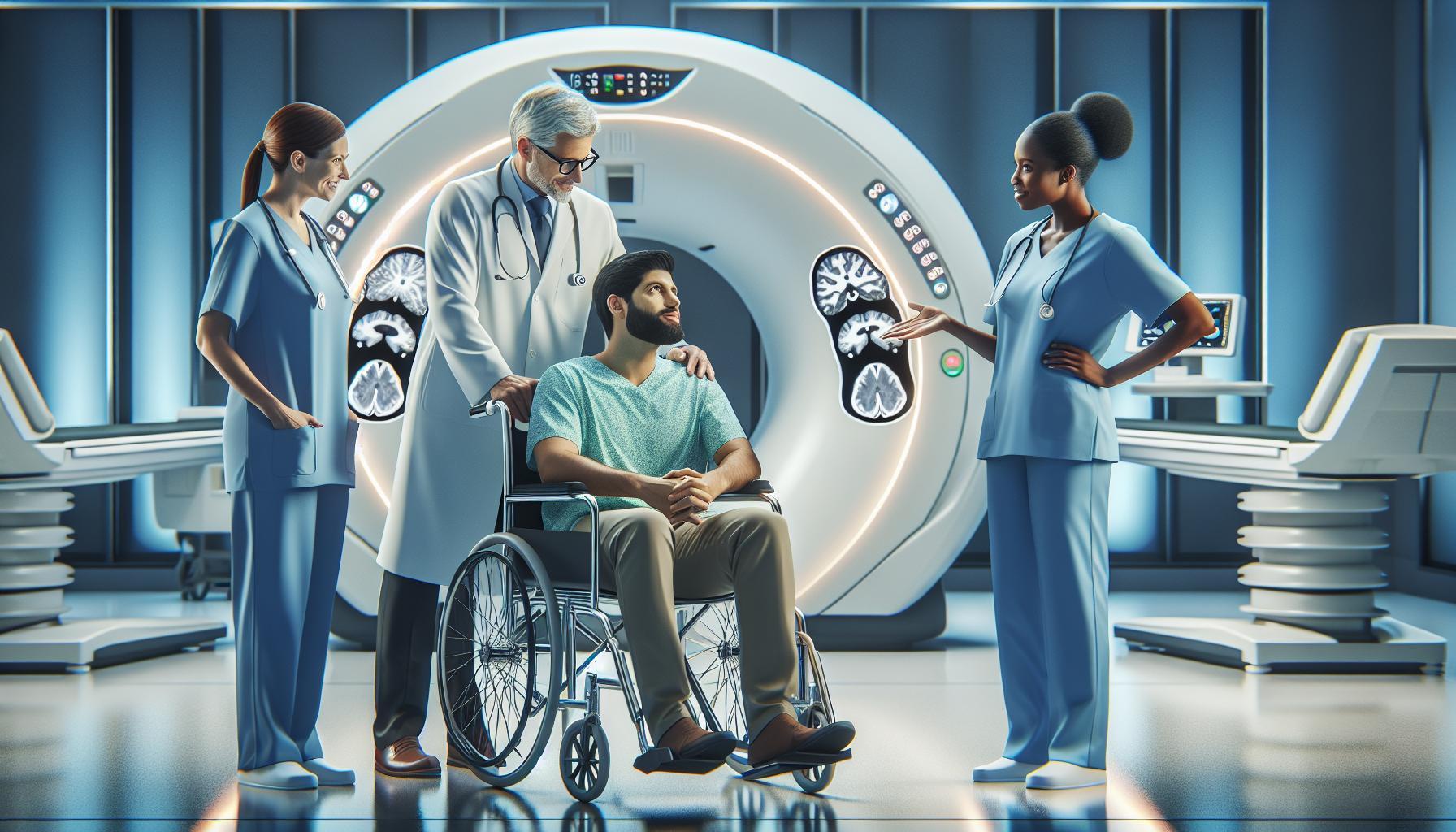
When facing health concerns, understanding the diagnostic process can alleviate anxiety. A CT scan of the brain is a crucial tool that healthcare providers use to gather detailed images, helping to identify issues like tumors or bleeding. Typically, a brain CT scan takes about 10 to 15 minutes, but additional time may be needed for preparation and positioning.
Knowing what to expect during this procedure can empower you, alleviating worries and ensuring you feel more comfortable. Whether you’re preparing for your first scan or assisting a loved one, comprehending the timeline and process can enhance the experience. In this quick guide, we’ll explore the duration of a brain CT scan, what to expect beforehand, and tips for easing the process. Your health is vital, and being informed is the first step toward peace of mind.
Understanding the CT Scan Procedure for Your Brain
A brain CT scan is an efficient, powerful tool for diagnosing various neurological conditions, thanks to its speed and detailed imaging capabilities. Generally, the actual scan takes only about 10 to 30 minutes, but you might spend additional time in preparations and waiting. Factors such as the specific type of scan, whether a contrast material is used, and individual patient needs can influence the total duration. Understanding the process helps alleviate anxiety and uncertainties surrounding the scan.
During a brain CT scan, you’ll be asked to lie still on a table that moves through a large, donut-shaped machine. The scanning equipment will pivot around your head, taking a series of X-ray images that are processed by a computer to create detailed cross-sectional views of the brain. The images highlight both the bone and soft tissues, enhancing the physician’s ability to identify issues like bleeding, tumors, or signs of stroke effectively. It’s crucial to remain calm, as even slight movements can blur the images and necessitate a repeat of the procedure.
Before your scan, ensure you communicate with your healthcare provider regarding any medications you’re taking or known allergies, especially to contrast dyes if used. It’s also recommended to wear comfortable, loose clothing and avoid jewelry that could interfere with the imaging process. Post-scan, most patients resume regular activities immediately, although those receiving contrast material may monitor for any adverse reactions. Being prepared with these insights not only rids fear but also equips you with the knowledge to engage in your healthcare actively.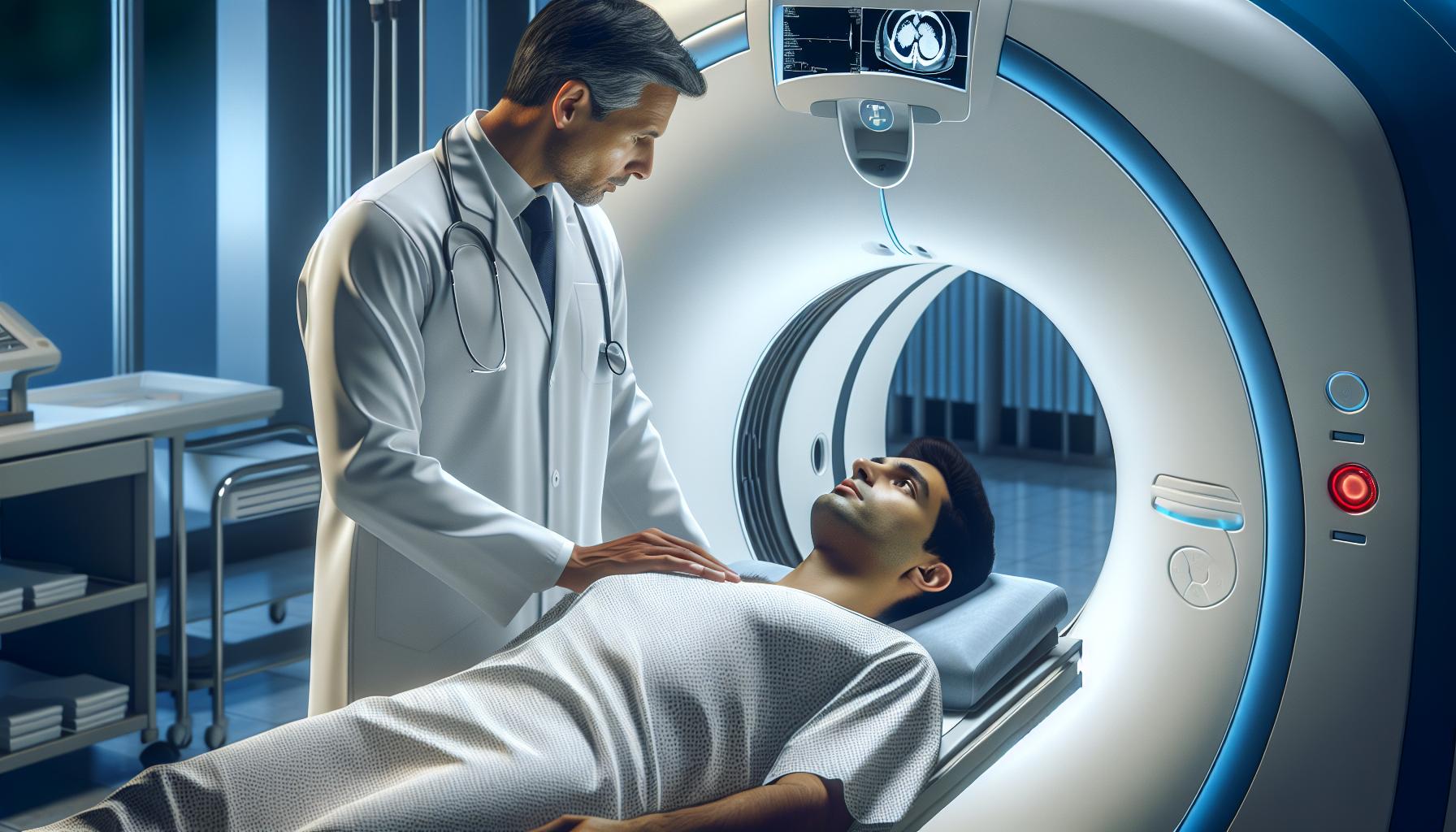
How Long Does a Brain CT Scan Actually Take?
A brain CT scan is widely recognized for its speed and efficiency, making it a go-to diagnostic tool in medical imaging. The actual scanning process typically takes about 10 to 30 minutes, but it’s essential to understand that the total time spent at the imaging center might be longer due to preparation, waiting, and post-procedure steps.
Several factors can influence the overall duration of your visit. For instance, if your doctor has ordered a scan with contrast material, you may need to arrive earlier for an injection of the dye used to enhance the images. This contrast agent allows the radiologist to achieve clearer images of blood vessels and any abnormalities present in the brain, potentially increasing the time spent in the facility. Moreover, patient-specific considerations like anxiety levels or the need for additional imaging can affect how long the entire process takes.
During the scan itself, you will lie still on a table that moves through a donut-shaped machine, where multiple X-ray images are taken quickly and efficiently. The environment is designed to be calming, often with background music to help distract and ease any nervousness. Each movement is crucial – any slight shift can result in unclear images and the possibility of having to repeat the scan, which may extend your overall appointment time.
To make your experience as smooth and brief as possible, it’s wise to follow pre-scan instructions carefully. For instance, wearing comfortable clothing and removing any metal accessories will help minimize delays. By understanding these factors and preparing ahead, you can significantly ease the process, be well-informed, and feel more relaxed during your CT scan.
Factors Influencing the Duration of a CT Scan
Several elements can influence the duration of a CT scan, particularly when it comes to brain imaging. Understanding these factors can help ease any anxieties and prepare you for the experience.
A primary factor is whether contrast material is used. If your physician has deemed it necessary to use a contrast agent to improve the clarity of the images, you might need to plan for additional time. This preparation includes an earlier arrival for the injection of the contrast dye, which may require monitoring for any allergic reactions or side effects. Depending on the facility, this could add anywhere from 30 minutes to an hour to your overall visit.
Another significant influence is the patient’s specific needs and circumstances. Factors such as age, underlying medical conditions, and anxiety levels can affect how smoothly the process goes. For instance, patients who are anxious may require extra assurance and time to relax before the procedure can begin. Additionally, if a patient has difficulty lying still, the technician may need to spend more time providing instructions or even scheduling a repeat scan if images are not clear.
It’s also essential to consider scheduling and the facility’s workflow. If the imaging center is particularly busy, wait times could be longer. Facilities strive for efficiency, but unexpected delays can arise. Arriving on time and following pre-scan guidelines, such as wearing comfortable clothing and removing any metal accessories, can help minimize your waiting time and streamline the process.
Ultimately, understanding these factors can make your experience less daunting. Preparing adequately and being aware of what to expect can alleviate discomfort and make the visit more manageable, ensuring that your brain CT scan goes as smoothly and quickly as possible.
Step-by-Step: What Happens During a Brain CT Scan
Undergoing a brain CT scan can be an unfamiliar experience, but knowing what to expect can significantly reduce your anxiety. The entire process is designed to be efficient, comfortable, and clinically informative. Here’s a detailed step-by-step breakdown of what typically happens during a brain CT scan.
First, when you arrive at the imaging facility, you will be greeted by the staff who will guide you through the check-in process. Make sure to inform them of any allergies, especially to contrast dye, if it’s necessary for your scan. If contrast is needed, you might need to receive an injection either in the arm or hand which may add a few minutes to your visit.
Next, you will be taken to the scanning room where you will meet the radiologic technologist. They will explain the procedure in detail. You will be asked to lie flat on a table, which will slide into the CT scanner. It’s important to remain as still as possible throughout the scan to prevent motion blur in the images. If you’re nervous about lying still, take a few deep breaths and remember that the entire scanning process usually lasts only about 10 to 30 minutes, depending on whether contrast is used.
Once you’re positioned correctly, the technologist will step behind a protective barrier to start the scan. You may hear a clicking or whirring noise from the machine, which is normal. Occasionally, the machine might instruct you to hold your breath briefly while images are being taken. This instruction is crucial for capturing clear images and usually lasts only a few seconds.
After the scan is completed, the technologist will verify that all necessary images have been captured. If any images are unclear, they may request a repeat scan, but this is typically uncommon. Once the procedure is done, you can get dressed and resume your normal activities unless your doctor advises otherwise. If contrast material was used, it may take a little longer for you to be monitored for any adverse reactions.
Understanding this step-by-step process can help demystify the brain CT scan experience. It’s a quick and painless procedure, designed to provide your healthcare provider with vital information. If you have any questions or concerns before or after your CT scan, don’t hesitate to reach out to your medical team for guidance.
Preparing for Your Brain CT Scan: What You Should Know
Preparing for a brain CT scan can be a pivotal step in ensuring the process is as smooth and anxiety-free as possible. Understanding what to expect not only equips you with vital knowledge but also empowers you to take an active role in your health care. A brain CT scan is typically quick, often taking between 10 to 30 minutes, but being well-prepared can make all the difference in your experience.
Before your appointment, it’s essential to have a conversation with your healthcare provider about any medications you’re on and any allergies, particularly to contrast materials if they are necessary for your scan. It’s advisable to ask whether you should skip your regular medications on the day of the scan. For most brain CTs, special preparations are minimal, but dietary restrictions, such as abstaining from food and drink for several hours prior to the scan, might be necessary if contrast dye is being used.
Understanding the practical aspects of preparation can also help alleviate stress. Arrive a bit early to allow time for check-in procedures and to fill out any required paperwork. When you meet with the radiologic technologist, don’t hesitate to express any concerns or ask questions about the procedure. They are there to ensure you feel comfortable and informed. If you have a history of anxiety during medical procedures, mention this; they may offer techniques or medications to help you remain calm during the scan.
After the scan, there are typically few restrictions, but be sure to follow any specific guidelines your healthcare provider gives you, especially if you received contrast dye. Hydration post-scan can help flush the substance from your system. Most importantly, remind yourself that this is a critical step in ensuring you receive appropriate care based on the findings from your imaging. Preparing thoroughly will not only enhance your comfort but also contribute to the effectiveness of your medical evaluation.
What to Expect After Your Brain CT Scan
After undergoing a brain CT scan, it’s natural to have questions about what comes next and how to care for yourself. One of the comforting aspects of this procedure is that it typically doesn’t require extensive post-scan recovery. Most patients can return to their normal activities almost immediately, barring any specific instructions from their healthcare provider, especially if contrast dye was used during the scan.
If contrast dye was administered, you may be advised to drink plenty of fluids to help flush it out of your system. Staying hydrated is essential as it aids in eliminating the contrast material effectively and can help prevent any potential minor side effects like headache or nausea. Monitoring how you feel after the scan can also be beneficial; if you experience any unexpected discomfort or symptoms, do not hesitate to reach out to your healthcare provider for guidance.
In terms of results, there may be a waiting period before you receive your scan’s interpretation. Radiologists analyze the images produced by the CT scan, and their findings will be sent to your referring doctor, who will discuss them with you. Understanding the findings and their implications is crucial, so preparing questions in advance can lead to a more informative follow-up appointment. If there’s a particular concern that prompted the scan, you might want to address those during your visit.
Overall, approaching the post-scan period with a clear understanding of what to expect can significantly ease any lingering anxiety. Recognizing that the scan is a tool in your healthcare journey can provide reassurance as you await the next steps in your care. Always feel empowered to seek clarification or support from your healthcare team-they’re there to assist you every step of the way.
Safety Considerations for CT Scans: What Patients Should Know
Undergoing a CT scan can be a daunting experience, especially when it involves the brain, an area crucial to our overall health. Understanding safety considerations surrounding the procedure can help alleviate anxiety and empower patients. CT scans utilize X-ray technology to produce detailed images, which can significantly aid in diagnosing various conditions. However, it’s essential to understand both the benefits and risks associated with this imaging technique.
One primary concern patients often have is related to radiation exposure. Although a CT scan involves a higher dose of radiation than a standard X-ray, the amount is typically still within a safe range for most individuals. According to research, the associated risk of developing cancer due to a single CT scan is estimated to be very low, approximately less than 0.05 percent [2[2]. However, it’s critical for patients to discuss their specific situation with their healthcare provider, particularly if they require multiple scans over time or have specific health considerations, such as pregnancy.
Being prepared can contribute significantly to patient safety. Always inform the imaging staff if you are pregnant, have allergies (especially to contrast dyes), or have any existing medical conditions. If you need a contrast agent for the scan, staff will explain why it’s necessary and how to manage any associated side effects. To minimize potential discomfort or adverse reactions, ensure you follow pre-scan instructions regarding food and fluid intake carefully.
Hydration is another aspect often overlooked but highly relevant to safety post-scan. If you receive contrast dye, drinking plenty of water afterward can help flush it from your system and minimize any minor side effects like headache or nausea. Staying in tune with your body afterward is also essential; don’t hesitate to reach out to your healthcare provider if you experience any unusual symptoms.
In conclusion, understanding the safety elements associated with brain CT scans can mitigate fears and empower you to make informed decisions. Your healthcare team is a valuable resource, so engage them with your questions and concerns to tailor the experience to your unique health needs.
Cost Breakdown: How Much Does a Brain CT Scan Cost?
The financial aspect of healthcare can often be a source of stress, particularly when it comes to imaging procedures like brain CT scans. Understanding the costs involved can help alleviate some of that anxiety and make the experience more manageable. On average, the price for a brain CT scan can range significantly, with costs typically falling between $825 and $4,800. This broad range reflects various factors, including location, facility type, and whether contrast dye is used during the procedure[[2]].
Several elements contribute to the varying costs of a CT scan. First, the facility where the scan is performed can significantly affect the price. For instance, hospital-based facilities often charge more than independent imaging centers, which may offer competitive rates. Additionally, the complexity of the scan itself influences the cost; a simple scan may be on the lower end of the scale, while advanced techniques or scans requiring contrast will generally be higher. It’s also essential to factor in your insurance coverage; many plans will cover a portion of the scan, which can drastically reduce out-of-pocket expenses.
Moreover, researching and comparing prices in your area can provide a clearer picture of what to expect; tools like MDsave indicate that a CT scan with contrast in the Washington D.C. area ranges from $425 to $755[[1]]. Utilizing such platforms can empower you to make informed choices regarding your healthcare. It’s always wise to consult with your healthcare provider about the necessity of the scan and any cost-related concerns upfront. By having an open dialogue, you can explore options that suit both your medical needs and financial situation.
In conclusion, while the costs associated with brain CT scans can vary, understanding the factors that influence these prices can ease the financial burden of the procedure. Always remember to engage with your healthcare team regarding any concerns, as they can guide you towards resources and options that may be available to help manage your expenses effectively.
Interpreting Your Brain CT Scan Results: What Happens Next?
After undergoing a brain CT scan, the anticipation of your results can feel overwhelming. It’s essential to remember that modern imaging technology allows for rapid analysis of your scans, often within a short timeframe. Once your scan is completed, the images are processed and interpreted by a radiologist-an expert trained to read and analyze medical images. Typically, you can expect to receive your results within a few days to a week, depending on the facility and their workload.
During this waiting period, it’s helpful to understand what the radiologist will be looking for in your images. They will examine structures in your brain for abnormalities, such as swelling, bleeding, or tumors. The findings from the CT scan will then be compiled into a report, which will provide specific details about the condition of your brain and any areas of concern. It’s worth noting that not all findings indicate serious issues; some may require further monitoring, while others may prompt immediate action.
Once the report is completed, your healthcare provider will review the results with you. This is an important moment for you to ask questions and gain clarity about what the findings mean for your health. Remember, no matter how uncertain the results may seem, your provider is there to guide you through your next steps, which may include further testing, treatment options, or simply reassurance if everything appears normal.
To ease your mind, consider jotting down any questions or concerns you have ahead of your appointment. Being proactive in your communication can help you feel more in control and informed about your healthcare journey. Always remember, your healthcare team is a vital resource, and it’s their responsibility to ensure you understand your results and what they mean for your health moving forward.
Common Myths About Brain CT Scans Debunked
Many individuals harbor misconceptions about brain CT scans, often based on outdated information or myths circulating in popular media. Understanding the truth behind these myths can significantly reduce anxiety and empower patients during their healthcare journey. One prevalent myth is that CT scans are invasive and painful. In reality, brain CT scans are non-invasive imaging techniques; patients simply lie on a table while a machine rotates around them, capturing images in a few minutes. The entire process is typically quick, often taking only 10 to 30 minutes, depending on the specific protocol used.
Another common misunderstanding is related to the safety of CT scans concerning radiation exposure. While it is true that a CT scan does involve radiation, modern advancements in technology have significantly reduced the doses. Healthcare providers are trained to use the lowest possible radiation dose while still obtaining high-quality images. This means that, for many patients, the benefits of obtaining clear diagnostic images far outweigh the minimal risks associated with radiation.
Many also worry that a CT scan may detect every possible health issue. However, it’s essential to clarify that while CT scans are effective at identifying problems like tumors, bleeding, and certain structural brain abnormalities, they may not detect every condition. The interpretation of a CT scan is a crucial step conducted by skilled radiologists, who correlate the findings with the patient’s symptoms and history.
Lastly, some believe that a CT scan is an unnecessary hassle and can be postponed indefinitely. This is a dangerous misconception. If a healthcare provider recommends a CT scan, it is typically to address specific symptoms or concerns that must not be ignored. Timely imaging can be vital in diagnosing conditions early, allowing for effective interventions and better health outcomes. Always consult with your healthcare provider if you have concerns or questions regarding the necessity and safety of a CT scan.
When to Expect Follow-Up Appointments After a CT Scan
After undergoing a brain CT scan, it’s natural to wonder when and how follow-up appointments might occur, especially considering the potential implications for your health. Typically, the timeline for any follow-up visits hinges on what the CT scan revealed. In many cases, your healthcare provider will schedule a follow-up appointment within a week or two post-scan to discuss the findings and outline any necessary next steps. This allows them time to thoroughly review the images and correlate those with your symptoms and medical history.
During your follow-up visit, your doctor will explain any findings from the CT scan in detail. They may recommend additional tests, imaging, or referrals to specialists based on the results. This could include further assessments like MRIs or consultations with neurologists, particularly if the scan suggests any abnormalities that require deeper investigation. Being prepared with questions is beneficial; you might want to inquire about the implications of the results, treatment options, and the need for additional monitoring.
It’s important to note that in some instances, immediate follow-up appointments may not be necessary, especially if the results are normal. However, your doctor will advise you on the importance of staying vigilant with any symptoms you may experience and instruct you on when to seek further medical attention. To foster your health journey, always consider maintaining an open line of communication with your healthcare provider regarding any ongoing concerns or changes in your condition.
Real Stories: Patient Experiences with Brain CT Scans
Experiencing a brain CT scan can evoke a range of emotions, from anxiety to curiosity. Many patients find comfort in connecting with others who have gone through similar situations. For instance, Sarah, a 28-year-old teacher, shared her experience of undergoing a CT scan after experiencing severe headaches. “I was nervous about what they might find,” she recalled. “But the staff was incredibly reassuring. They explained the process step by step, which helped ease my worries.” Sarah’s scan took about 15 minutes, and she appreciated the technician’s calm demeanor, making the experience feel less intimidating.
Similarly, John, a retired engineer, underwent a CT scan following a fall that left him disoriented. “I was surprised at how quick and straightforward it was. The worst part for me was lying still,” he said. Many patients feel this way, and it’s important to normalize these feelings. Technicians are proficient at guiding you through the process, ensuring comfort throughout the scanning duration, which typically lasts just a few minutes once the actual imaging begins.
In another instance, Maria, a grandmother of three, underwent a CT scan to investigate memory issues. “The hardest part was waiting for results,” she mentioned. “However, knowing that the scan was going to help my doctor make sense of my symptoms gave me peace.” Patience and communication with healthcare providers about concerns and questions can significantly enhance the experience. Understanding that a CT scan is a crucial tool for diagnosing conditions and guiding treatment plans is vital.
Ultimately, connecting with real stories like these can empower patients facing a brain CT scan. Sharing experiences can inspire confidence, alleviate fears, and foster a sense of community. Sharing your concerns and queries with medical professionals beforehand can also help demystify the procedure, making the journey less daunting and more manageable.
Faq
Q: How long does a typical brain CT scan take?
A: A typical brain CT scan usually takes about 10 to 30 minutes. The actual imaging process is quick, often lasting only a few minutes, but preparation time may add to the overall duration. For more detailed information, refer to the section on “How Long Does a Brain CT Scan Actually Take?” in the article.
Q: What factors can affect the duration of a brain CT scan?
A: Several factors can influence the duration of a brain CT scan, including the complexity of the case, the need for contrast material, and whether the patient can remain still during the procedure. More details can be found in the section on “Factors Influencing the Duration of a CT Scan.”
Q: What is the preparation required for a brain CT scan?
A: Preparing for a brain CT scan may involve fasting for several hours, especially if contrast material is used. Always follow the specific instructions provided by your healthcare provider. See the “Preparing for Your Brain CT Scan” section for comprehensive guidelines.
Q: Will I feel any discomfort during a brain CT scan?
A: Most patients do not experience discomfort during a brain CT scan, but some might feel slightly anxious or claustrophobic. If you have concerns, consider discussing them with your doctor prior to the scan for reassurance.
Q: How is a brain CT scan different from an MRI?
A: A brain CT scan uses X-rays to create detailed images, while an MRI uses magnetic fields and radio waves. CT scans are typically faster and more suitable for emergencies, whereas MRIs offer greater detail for soft tissues. Refer to “Understanding the CT Scan Procedure for Your Brain” for further insights.
Q: When will I receive the results of my brain CT scan?
A: You will usually receive the results of your brain CT scan within a few days. Your healthcare provider will often discuss the findings during a follow-up appointment. Check the “Interpreting Your Brain CT Scan Results” section for more information.
Q: Are there any risks associated with a brain CT scan?
A: While brain CT scans are generally safe, they do involve exposure to ionizing radiation, and there is a slight risk of allergic reactions if contrast dye is used. Discuss any concerns with your healthcare provider as emphasized in the “Safety Considerations for CT Scans” section.
Q: Can I drive after a brain CT scan?
A: Driving after a brain CT scan is typically safe unless you were sedated or experienced anxiety during the procedure. Always verify with your healthcare provider based on your specific situation. Additional recommendations can be found in the “What to Expect After Your Brain CT Scan” section.
Insights and Conclusions
Understanding the duration of a brain CT scan is just the beginning of your journey toward clarity and peace of mind. With the scan typically lasting around 10 to 30 minutes, being informed can alleviate anxiety and empower you to take charge of your health. If you’re feeling uncertain about the procedure or its implications, don’t hesitate to consult your healthcare provider for personalized guidance.
For more insights, explore our articles on “Preparing for Your First CT Scan” and “Understanding Imaging Results,” which provide practical tips and deeper understanding of the process. Don’t forget to subscribe to our newsletter for the latest updates on medical imaging and health tips to support your well-being. Your health journey starts here, so take the next step toward informed decisions today!