As advancements in medical imaging continue to enhance our understanding of lung health, questions often arise regarding the appropriate follow-up after negative PET/CT scans. Low-dose lung CT scans are increasingly being discussed for their ability to provide further clarity when initial PET/CT results are inconclusive. Understanding whether this additional imaging is indicated can significantly alleviate concerns and guide the next steps in patient care.
Many patients may wonder if a negative PET/CT truly rules out the need for further examination, especially if symptoms persist or if there are risk factors involved. In this context, it’s essential to weigh the potential benefits of a low-dose lung CT scan, which can offer a more detailed view of lung structures, against the reassurance provided by previous imaging results.
This discussion is crucial for empowering patients to engage in informed conversations with their healthcare providers, ensuring that they receive personalized care tailored to their unique circumstances. Join us as we delve into the considerations surrounding the indication for low-dose lung CT scans following negative PET/CT results, helping you make sense of the possibilities ahead.
Is Low Dose Lung CT Indicated After Negative PET/CT?
While a negative PET/CT scan offers valuable insights and can provide reassurance, it does not eliminate the possibility of underlying conditions, especially when symptoms persist. Low-dose lung CT scanning is often considered a follow-up for patients, particularly if there remains a suspicion of lung cancer or other pathologies. The sensitivity of low-dose CT to detect smaller, potentially malignant nodules makes it an effective tool for further evaluation after a negative PET/CT.
One common scenario is a patient who exhibits persistent respiratory symptoms despite a clear PET/CT. In these cases, a low-dose lung CT might be indicated to explore the lung parenchyma in more detail. Studies indicate that while PET/CT is excellent for detecting metabolically active lesions, it may miss smaller or indolent tumors that a CT scan could reveal. Therefore, obtaining a low-dose lung CT can be a prudent decision in managing such cases.
Moreover, low-dose lung CT has the benefit of reduced radiation exposure compared to traditional CT scans while still providing critical information regarding lung health. Patients should, however, engage in an open dialogue with their healthcare providers to discuss the necessity and timing of any follow-up imaging, weighing the risks and benefits based on individual health concerns. This collaborative approach ensures the best care tailored to each patient’s needs while addressing any anxiety related to medical imaging.
Understanding Low Dose Lung CT Scanning
A low-dose lung CT scan can be a crucial tool in identifying potential health issues, particularly when patients have underlying concerns despite a negative PET/CT result. This imaging technique uses advanced technology to generate detailed images of the lungs while minimizing radiation exposure. The primary advantage of low-dose lung CT lies in its ability to detect smaller lung nodules that may not be visible on PET/CT scans. This sensitivity is particularly important for early diagnosis of lung cancer or other respiratory conditions, potentially leading to timely and more effective treatment options.
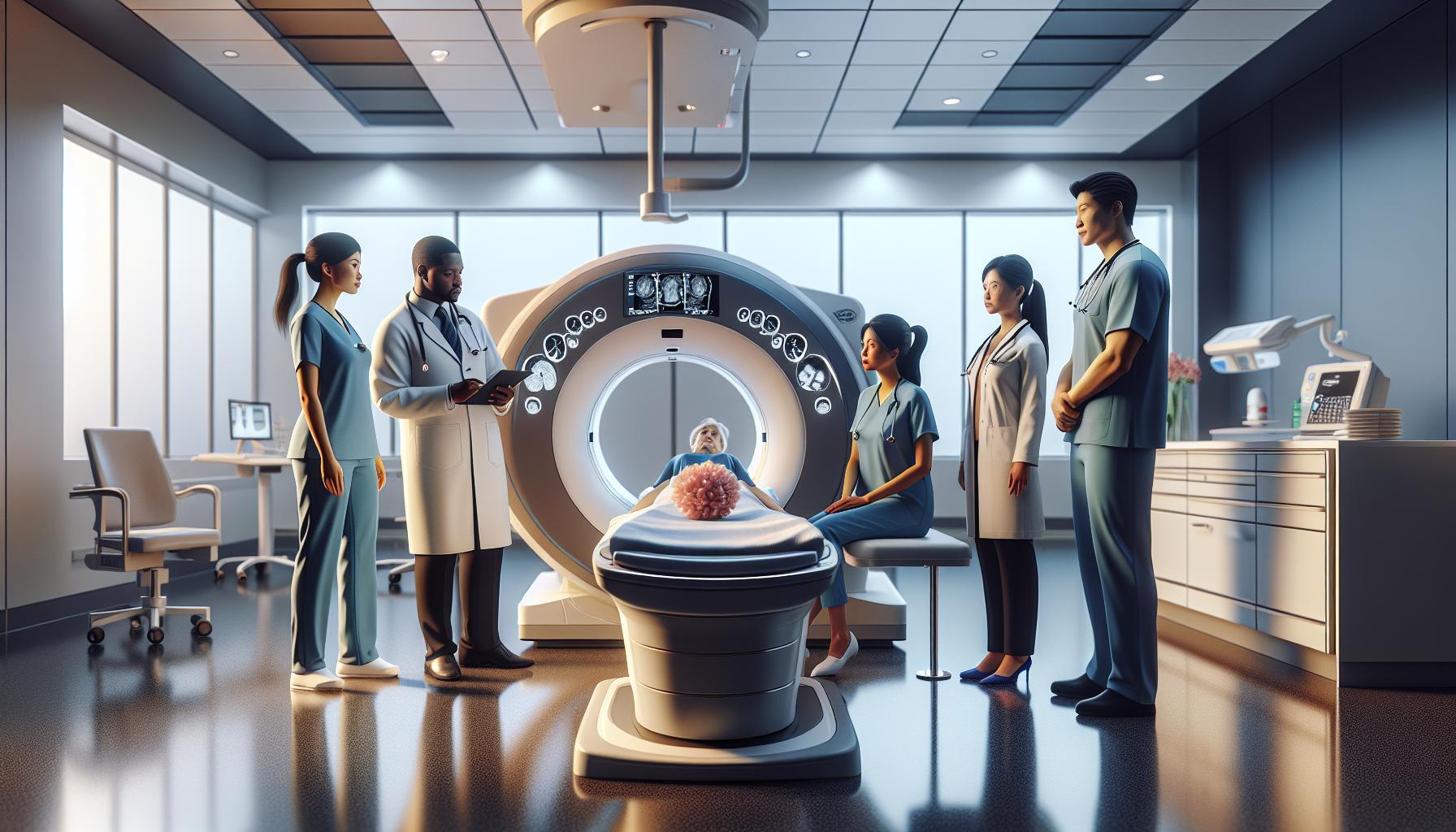
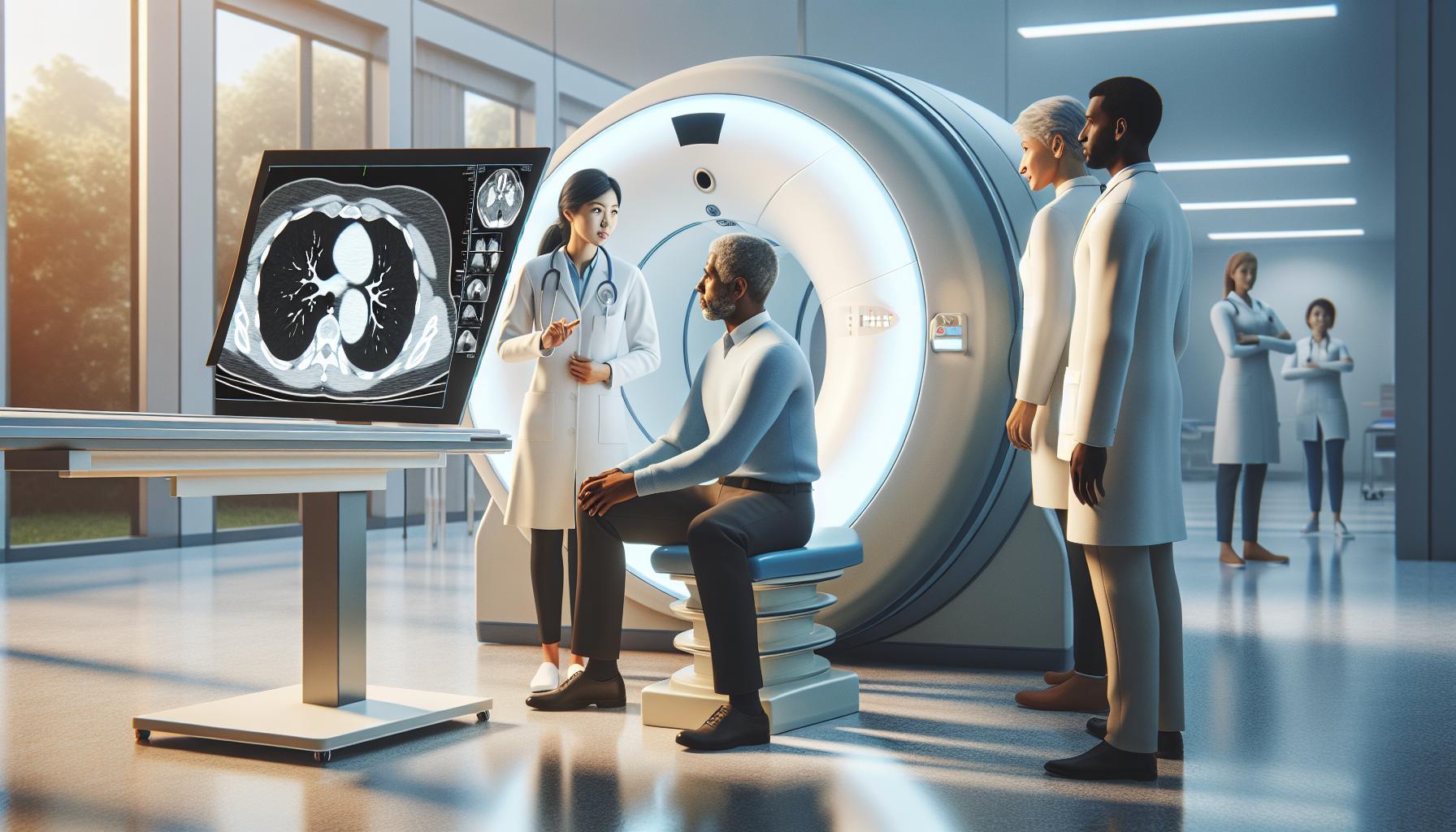
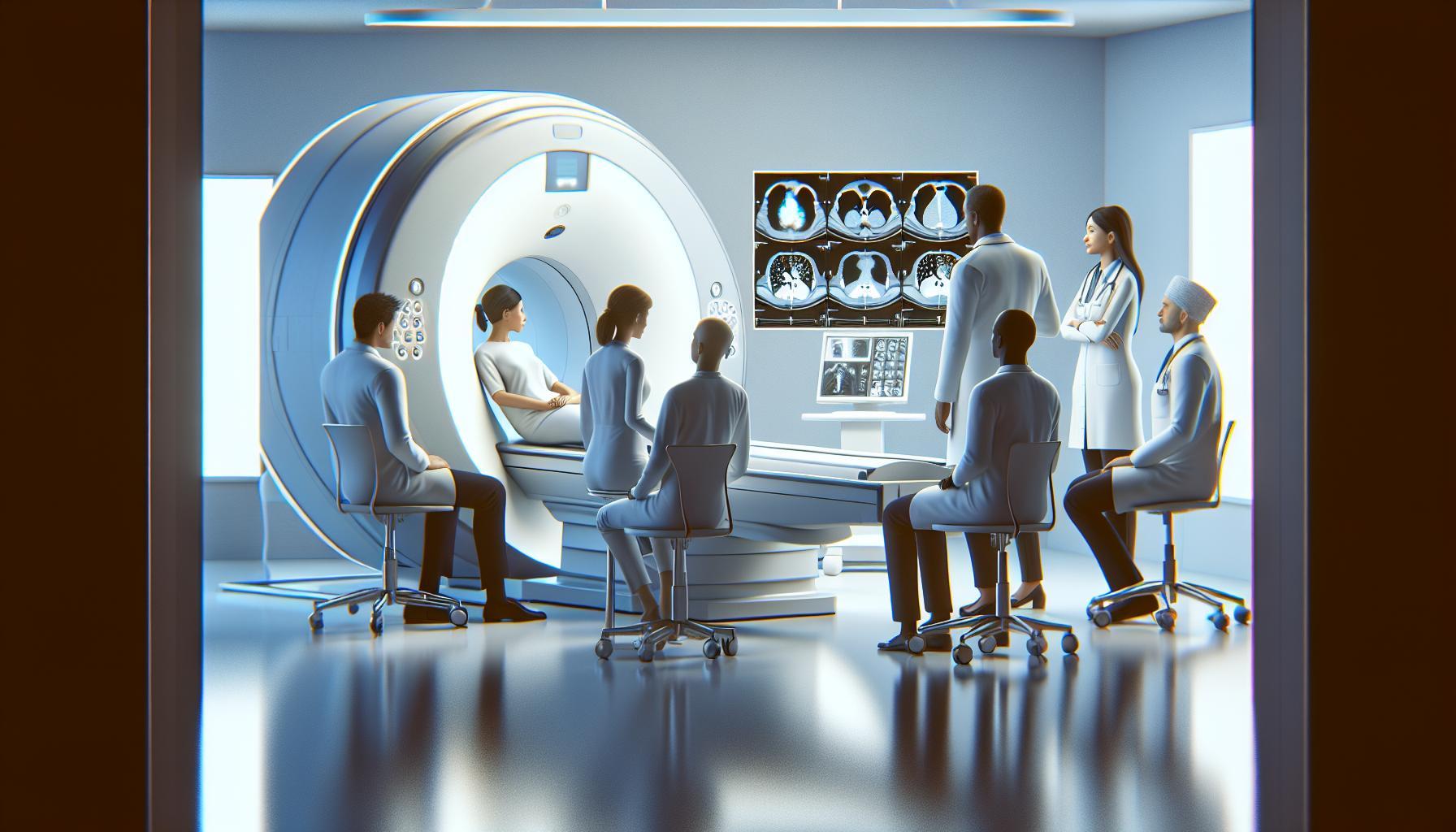
When considering a low-dose lung CT, it is essential to understand the procedure itself. The scan typically lasts only a few minutes and involves the patient lying down on a table that moves through a large, doughnut-shaped machine. During the scan, patients must remain still and may be asked to hold their breath briefly to optimize image clarity. Most patients find the process quick and manageable, which can help in alleviating any anxiety regarding the imaging.
Before undergoing a low-dose lung CT, patients are encouraged to discuss their specific symptoms and concerns with their healthcare provider. This dialogue helps to create a tailored imaging plan that aligns with individual health needs. For instance, if a patient has a history of smoking or presents ongoing respiratory symptoms, a low-dose lung CT may be indicated to monitor for potential issues. Additionally, advancements in technology have made these scans safer than ever, further reducing apprehension surrounding the procedure.
Ultimately, staying informed and actively participating in healthcare decisions ensures the best possible outcomes. Patients are urged to remain proactive about their health and maintain open lines of communication with their medical team throughout any imaging processes. By doing so, individuals can appreciate not only the utility of low-dose lung CT scanning but also how it fits into their comprehensive care strategy.
The Role of PET/CT in Lung Imaging
Imaging techniques such as PET/CT play a pivotal role in assessing lung health, particularly when evaluating suspicious lung nodules or detecting lung cancer. This advanced imaging modality combines Positron Emission Tomography (PET) with Computed Tomography (CT) to provide a comprehensive view of the lungs, allowing for both anatomical and functional assessment. The combination enhances diagnostic accuracy, making it a preferred choice for oncologists and radiologists when a patient presents with concerning symptoms or abnormal results from other tests.
PET/CT scans can detect metabolic activity in tissues; cancerous cells typically consume more glucose than normal cells, which is highlighted in the imaging results. The ability to pinpoint areas of increased metabolic activity is invaluable, but it is important to understand that false positives can occur-instances where the scan indicates cancer, but the lesion is benign. This uncertainty can leave patients anxious and unsure about their next steps. It is crucial to relay these findings sensitively and assure patients that further evaluation, possibly involving additional imaging like low-dose lung CT, may be necessary to clarify the results.
While PET/CT scans offer significant insight, their main limitation is that they can sometimes miss small lesions or subtle changes in lung tissue that low-dose lung CT scans might catch. For example, tiny nodules that don’t show increased metabolic activity may not be flagged during a PET/CT scan, yet could indicate early-stage lung cancer if assessed by a low-dose CT scan. Therefore, following a negative PET/CT result, a low-dose CT may be indicated for a more thorough investigation, particularly in high-risk groups such as smokers or those with a family history of lung disease.
Patients should feel empowered to discuss any lingering concerns or symptoms with their healthcare provider following a PET/CT scan. Open communication about the rationale for further imaging, such as low-dose lung CT, can significantly enhance patient understanding and staff rapport, promoting a more active role in their healthcare journey. It’s essential to prioritize patient well-being, ensuring they understand the purpose and potential benefits of each imaging modality in helping to achieve accurate diagnosis and effective care.
When to Consider Low Dose Lung CT
When evaluating lung health, particularly after receiving a negative PET/CT scan, many patients wonder about the next steps in ensuring that no significant issues have been overlooked. Low-dose lung CT scans emerge as a valuable option in this context, particularly for individuals at higher risk for lung diseases. These scans are designed to detect potentially harmful conditions, such as early-stage lung cancer, that might not be observable through metabolic activity in a PET/CT scan.
A negative PET/CT result can provide reassurance, yet it’s essential to remain vigilant, especially if there are identifiable risk factors. For instance, if you are a current or former smoker, or if there is a family history of lung cancer, a follow-up low-dose lung CT could be indicated for closer inspection. These scans utilize advanced imaging technology to capture detailed pictures of the lungs, offering a sensitive method for discovering small nodules or changes that might signify underlying issues. Engaging in a conversation with your healthcare provider about your personal health background can illuminate whether additional imaging is prudent.
In situations where symptoms persist-such as unexplained cough, chest pain, or breathlessness-a low-dose lung CT offers a proactive approach. This imaging technique allows healthcare professionals to scrutinize the lungs for changes that might warrant further investigation or intervention. Moreover, since low-dose scans expose patients to significantly lower levels of radiation compared to traditional CTs, this option strikes a balance between thoroughness and safety.
Ultimately, the decision to pursue a low-dose lung CT after a negative PET/CT should be a collaborative effort, rooted in a comprehensive discussion of your individual health profile and concerns. Asking questions, expressing doubts, and exploring the rationale behind further imaging can empower you to take control of your healthcare journey, ensuring that you remain proactive in the quest for clarity and peace of mind regarding your lung health.
Benefits of Low Dose Lung CT for Patients
Receiving a negative PET/CT scan can feel reassuring, but challenges may still linger for patients, particularly those with risk factors like smoking or a family history of lung issues. In such cases, low-dose lung CT (LDCT) presents a compelling follow-up option, providing an additional layer of scrutiny that can be pivotal in catching conditions that may not have been evident through PET/CT alone.
One of the primary benefits of low-dose lung CT is its ability to detect smaller lung nodules or lesions that could signify early-stage lung cancer. This imaging technique employs advanced technology that focuses on minimizing radiation exposure while enhancing image quality. With significantly reduced radiation compared to a standard CT scan, patients can undergo this assessment with greater peace of mind, knowing it strikes a favorable balance between thoroughness in diagnosis and safety in terms of radiation exposure.
Moreover, LDCT scans are not just about catching cancer; they can also assist in monitoring existing respiratory conditions like chronic obstructive pulmonary disease (COPD) or pulmonary fibrosis. For patients experiencing ongoing respiratory symptoms, the detailed images generated by low-dose scans can guide healthcare providers in making informed and timely medical decisions. Each scan serves as a vital tool in an ongoing dialogue about lung health, ensuring that any significant changes in respiratory conditions are promptly addressed.
Additionally, low-dose lung CT scans are quick and non-invasive, typically taking just a few minutes. Many patients report feeling a sense of empowerment, knowing they are taking proactive steps to monitor their respiratory health. Engaging in a discussion with a healthcare provider about the risks and benefits of LDCT can help patients feel more confident in understanding their health journey and making informed decisions moving forward. This collaborative approach ensures a tailored experience that considers individual medical histories and personal concerns, fostering a supportive atmosphere in healthcare.
Interpreting Results: Low Dose CT vs. PET/CT
Receiving a low-dose lung CT (LDCT) scan after a negative PET/CT can raise important questions about the meaning of results from both imaging modalities. While PET/CT scans provide a comprehensive view of metabolic activity in tissues, they can occasionally yield false negatives-especially in the early detection of lung abnormalities. LDCT, with its refined focus on lung imaging, complements PET/CT by offering greater sensitivity for smaller nodules or lesions that may indicate early-stage lung cancer or other pulmonary conditions.
When interpreting results, it’s essential to understand that LDCT scans excel in visualizing structures within the lungs, allowing for the clear identification of nodules that PET/CT might miss. For instance, a 2 mm nodule may be overlooked in a PET scan but become visible in a high-resolution LDCT image. This difference is pivotal for patients, particularly those with risk factors such as smoking, as even small changes in lung tissue can be significant indicators of potential health issues. The high-resolution capabilities of LDCT make it an effective tool for surveillance and early detection.
Moreover, LDCT plays a crucial role in follow-up care. Should a patient have a suspicious finding on their PET scan or remain symptomatic despite a negative result, LDCT serves as a valuable resource. It allows healthcare providers to monitor existing respiratory conditions-such as chronic obstructive pulmonary disease (COPD) or pulmonary nodules-while keeping radiation exposure low. For patients, this means a proactive approach in their healthcare, ensuring that any significant changes are captured early, facilitating timely intervention.
Communication with healthcare professionals about these results is key. Understanding the nuances between LDCT and PET/CT results empowers patients to participate actively in their health care decisions. Patients should feel encouraged to ask questions about any findings, the implications for their health, and the next steps in their diagnostic journey. This collaboration not only alleviates anxiety but also fosters a more personalized approach to maintaining lung health, ultimately leading to informed choices regarding their ongoing care.
Comparative Effectiveness: Radiology Perspectives
Understanding the comparative effectiveness of low-dose lung CT (LDCT) after a negative PET/CT scan sheds light on the intricate landscape of lung imaging, particularly in oncology. A pivotal aspect of this discussion revolves around the complementary roles that these imaging modalities play in patient care. On one hand, PET/CT scans are exceptional for evaluating metabolic activity, which is crucial for assessing potential malignancies. Yet, this technology is not without its limitations. Research indicates that PET/CT can miss small or early-stage lung lesions, which may pose significant risks for patients, particularly those with a history of risk factors such as smoking.
Where LDCT excels is in its ability to capture high-resolution images of the lung structures. This technology is adept at detecting small nodules and can provide detailed insights that PET/CT scans might overlook. For instance, a nodule as small as 2 mm may be invisible on a PET scan but clearly visible on an LDCT image. This sensitivity is particularly important for early detection and ongoing surveillance of lung conditions, potentially leading to earlier interventions that can significantly improve patient outcomes.
It’s also worth noting that from a radiology perspective, combining these modalities can foster a more holistic approach to patient management. When a PET/CT scan returns negative results, yet clinical suspicion remains due to persistent symptoms or risk factors, following up with LDCT not only provides clarity but also reinforces confidence in monitoring strategies. This backup ensures that any subtle changes in lung health are detected early on, enabling timely and effective treatment options.
Incorporating LDCT into the imaging pathway after a negative PET/CT scan offers patients an added layer of reassurance. As the communication between healthcare providers and patients evolves, patients are encouraged to engage in discussions about their imaging results and the rationale for follow-up procedures. This proactive approach not only alleviates anxiety but also empowers patients to take an active role in their healthcare decisions, ensuring that their lung health is continuously monitored with the latest advancements in imaging technology.
Cost Considerations for Lung Imaging Procedures
The financial implications of lung imaging procedures, particularly after a negative PET/CT scan, are an often overlooked but crucial aspect of patient care. While patients primarily focus on health outcomes, understanding the costs associated with Low Dose Lung CT (LDCT) can empower them to make informed decisions that align with both their medical needs and financial considerations.
When considering LDCT, patients should be aware of various factors influencing its cost. These include the healthcare provider, geographical location, and whether the imaging is performed in an outpatient clinic, hospital, or academic institution. Generally, the cost of LDCT is significantly lower than that of a PET/CT scan, making it a more accessible option for follow-up imaging. However, even within LDCT, prices can vary, ranging from $300 to $500, depending on the facility and whether insurance covers the procedure. Patients are encouraged to check with their insurance providers about coverage specifics, as some plans may offer partial or full coverage for follow-up imaging after an inconclusive PET/CT scan.
In light of the financial burden lung imaging may impose, it’s vital for patients to explore options that enhance affordability. Many medical facilities offer financial assistance programs or payment plans that can ease the upfront costs. Additionally, patients should inquire about any bundled services that include consultations, imaging, and follow-up visits, which may provide cost savings.
Moreover, discussing the potential necessity and benefits of LDCT with healthcare providers could illuminate its value beyond immediate costs. Educated discussions regarding clinical suspicion of lung conditions may lead to more cost-effective care pathways, guiding patients toward procedures that deliver the most significant clinical benefit while minimizing unnecessary financial strain.
In conclusion, while navigating the costs of lung imaging can seem daunting, proactive engagement with healthcare providers and financial departments can greatly aid in alleviating concerns. Patients can take comfort in knowing that they have the agency to question, discuss, and ultimately tailor their healthcare choices to suit both their medical and financial circumstances.
Preparing for a Low Dose Lung CT Scan
can feel overwhelming, but understanding the process can help ease your concerns. A Low Dose CT (LDCT) scan is a vital tool in lung imaging, especially for patients with previous negative PET/CT results. Knowing what to expect can empower you as you take this important step in managing your health.
Before your scan, it’s important to follow some simple preparation steps to ensure the best possible results. Firstly, you might be advised to avoid eating or drinking for a few hours prior, especially if a contrast material is being used, although many LDCT scans do not require this. Always confirm any specific instructions with your healthcare provider beforehand. Additionally, wearing comfortable clothing that is free of metal zippers, buttons, or jewelry can assist in the scanning process, as these items may interfere with the images captured.
During the procedure itself, you’ll be asked to lie on a table that moves through the CT scanner. The experience is quick, usually taking no more than 10 minutes. You’ll hear a whirring sound as the machine takes images, which generally involves holding your breath for several seconds at a time. While this can be a source of anxiety, knowing that the staff will guide you through each step can provide reassurance.
Post-scan, it’s helpful to know that results typically take a few days to be processed and relayed to your healthcare provider. During this time, focus on self-care and allow yourself to relax, knowing that you are taking proactive steps toward your lung health. If you have any immediate questions or concerns, don’t hesitate to contact your healthcare provider for clarification about your results or next steps.
By taking these steps to prepare for your Low Dose Lung CT scan, you can approach the procedure with confidence and peace of mind, ensuring that you are doing everything possible for your well-being and health monitoring.
Patient Safety: Risks and Considerations
The use of Low Dose Lung CT (LDCT) scans is a crucial consideration in lung health management, particularly when navigating the implications of negative PET/CT results. Although LDCT is generally regarded as a safer option due to its lower radiation exposure compared to standard CT scans, understanding the risks and considerations associated with this imaging technique is essential.
One of the primary concerns regarding any imaging procedure is radiation exposure. While LDCT significantly reduces radiation doses, it is still essential for patients to be informed that any exposure to radiation carries a slight risk. The goal of LDCT is to detect lung issues at an early stage, which can potentially outweigh these risks through early intervention. Additionally, ongoing advancements in imaging technology continuously work towards minimizing radiation doses while enhancing image quality.
Before undergoing an LDCT scan, consider the following:
- Discuss personal and family health history with your healthcare provider, as this information can affect the necessity and frequency of imaging.
- Make sure to address any allergies, especially to contrast materials, if they are being used in conjunction with the scan.
- Be aware of any medications that may affect kidney function, as this can be crucial when using contrast materials.
Another critical aspect is the potential for anxiety associated with the imaging process. The thought of being scanned and the outcomes of these tests can create significant stress for many patients. Understanding what to expect during the LDCT procedure-such as the duration, the sound of the machine, and the requirement to hold your breath-can greatly alleviate some of this anxiety. The presence of compassionate medical professionals can further enhance the comfort level, providing reassurance and support throughout the process.
Lastly, it’s vital to recognize the importance of follow-up after imaging. Depending on the findings of the LDCT, further tests or repeat imaging may be necessary. Having open conversations with your healthcare provider about results and potential next steps can empower you to take control of your lung health journey while reinforcing the importance of timely follow-up and care.
Impact of False Negatives in PET/CT Scans
The complexities of lung imaging can often leave patients feeling uncertain, especially when results from PET scans return negative. However, it’s crucial to recognize that false negatives, where the imaging does not identify existing abnormalities, can occur. This means that despite a negative PET/CT result, there may still be underlying issues that need attention. Research suggests that PET scans may miss certain lung cancers or nodules, especially if they are small, slow-growing, or located in areas that do not produce significant metabolic activity.
The consequences of a false negative can be significant, as it may delay the diagnosis of conditions that require early intervention. For patients, understanding this aspect can help ease some anxiety about potential undiagnosed health concerns. If a PET/CT scan shows no signs of disease but symptoms persist or new symptoms develop, it is vital to remain vigilant and engaged with your healthcare provider. They might recommend additional imaging, such as a Low Dose Lung CT (LDCT), which offers a more detailed look at lung structure and can identify abnormalities that a PET scan might overlook.
It’s important for patients to maintain an open dialogue with their healthcare team regarding any continuing or new symptoms post-PET/CT scan. Establishing a follow-up plan can empower patients and provide reassurance. This might include discussions about lifestyle changes, routine screening recommendations, or even immediate LDCT scans, depending on individual risk factors and personal history.
Ultimately, while a negative PET/CT result can be reassuring, it’s essential to understand that further investigation may sometimes be warranted. Keeping informed and proactive about one’s health can make a significant difference, leading to timely intervention and better health outcomes.
Follow-Up Care After Imaging: What to Expect
Following the completion of imaging procedures like PET/CT scans, patients often have questions about what comes next. While receiving a negative result can provide some relief, it is essential to understand the importance of follow-up care to ensure comprehensive health management. Imagine undergoing a testing process, and though the results are clear, your lingering symptoms or personal health concerns prompt the need for more investigation. This is not uncommon, and your healthcare team is your best resource for navigating these scenarios.
When a negative PET/CT scan raises questions about potential undiagnosed issues, your physician may suggest a Low Dose Lung CT (LDCT). This specialized scan offers a detailed view of lung anatomy and can potentially identify abnormalities that PET scans may miss. Before your LDCT, it is beneficial to discuss any ongoing symptoms with your provider, as this dialogue can help tailor the imaging approach. In preparation for your scan, here are some typical steps to follow:
- Notify Your Provider: Inform your healthcare provider of any changes in symptoms since your last imaging.
- Understand the Procedure: LDCT is less invasive, uses lower radiation doses, and provides excellent detail about lung structures.
- Follow Pre-Scan Instructions: Depending on the facility, you may need to avoid eating or drinking for a few hours before the scan.
After the imaging is completed, discussing the results with your healthcare provider becomes the next critical step. Understanding what the findings mean in the context of your health is paramount. Your provider should offer clear insights into any identified issues and how they relate to previous tests. It’s normal to feel a mix of concern and reassurance, so ask questions to clarify uncertainties. Moreover, if the LDCT reveals any abnormalities, your provider will guide you on the next steps, which may include further tests or treatment options.
In summary, a negative PET/CT scan is just one piece of your health puzzle. Engaging in follow-up care and remaining vigilant about any new or persistent symptoms empowers you and promotes proactive health management. This commitment can substantially enhance the quality of care you receive and ultimately lead to timely interventions when necessary.
Frequently Asked Questions
Q: What is the purpose of a low dose lung CT scan after a negative PET/CT?
A: A low dose lung CT scan serves to provide detailed images of the lungs, helping to rule out any conditions not detected by the PET/CT. It is particularly useful for further evaluating any suspicious areas or persistent symptoms after a negative PET/CT result.
Q: How does a low dose lung CT differ from a standard CT scan?
A: A low dose lung CT scan uses reduced radiation levels while still providing high-quality images. This minimizes exposure without compromising the diagnostic capability, making it especially suitable for routine lung screening or follow-ups after other imaging tests.
Q: Why might a doctor recommend a low dose CT scan if the PET/CT is negative?
A: Doctors may recommend a low dose CT scan to obtain clearer images of lung structures, investigate lingering symptoms, or assess nodules or lesions that may not have been fully characterized by the PET/CT, helping ensure a comprehensive evaluation.
Q: When should patients consider low dose lung CT following a negative PET/CT?
A: Patients should consider a low dose lung CT scan if they exhibit symptoms like persistent cough, unexplained weight loss, or if there are clinical findings that warrant further investigation despite a negative PET/CT result to ensure no underlying issues are missed.
Q: What are the risks associated with low dose lung CT scans?
A: While low dose lung CT scans involve lower radiation exposure than traditional CT scans, there is still a small risk concerning radiation exposure. However, the benefits of accurately detecting lung conditions typically outweigh these risks, especially in high-risk groups.
Q: How does the interpretation of a low dose lung CT compare to that of a PET/CT?
A: Interpreting a low dose lung CT focuses on anatomical details and morphology, while PET/CT combines metabolic activity with anatomical imaging. This complementary approach allows for a more comprehensive assessment when evaluating lung conditions and potential malignancies.
Q: Can low dose lung CT scans detect lung cancer effectively after a negative PET/CT?
A: Yes, low dose lung CT scans can detect lung cancer effectively, especially in early stages. They provide high-resolution images that can identify changes in lung tissue that PET/CT may miss due to its focus on metabolic activity.
Q: What follow-up care is needed after a low dose lung CT scan?
A: Follow-up care after a low dose lung CT scan includes discussing results with a healthcare provider, potential further imaging or testing if abnormalities are detected, and monitoring any symptoms or changes in health status as advised by the physician.
In Summary
As we conclude our exploration of whether low-dose lung CT is indicated after a negative PET/CT, it’s essential to recognize the complexity of medical imaging decisions. Understanding when to utilize these advanced imaging techniques can make a significant difference in patient outcomes. If you have further questions about your imaging options or need personalized guidance, don’t hesitate to consult your healthcare provider.
For those looking to delve deeper into related topics, consider reading our articles on “The Role of CT Scans in Lung Health” and “Understanding PET/CT Results.” These resources can help you gain a clearer understanding of your health journey.
Take the next step towards informed health choices-subscribe to our newsletter for the latest updates in medical imaging and research, or explore our consultation services for expert advice tailored to your needs. Your health matters, and empowering yourself with knowledge is the best way to advocate for it. Share your thoughts in the comments, and don’t forget to pass this information on to loved ones who may benefit!