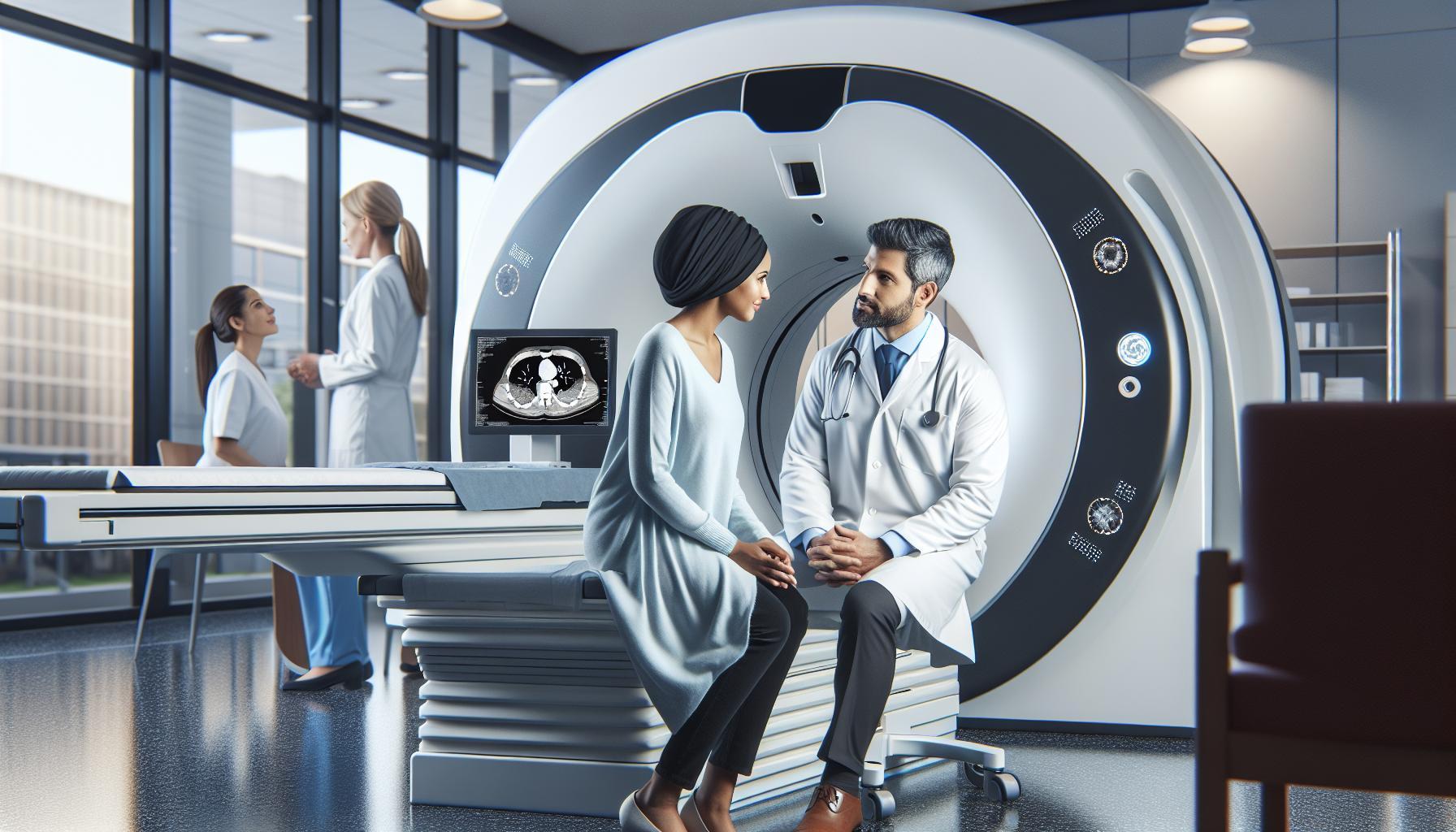
Did you know that the terms “CAT scan” and “CT scan” are often used interchangeably? Both refer to advanced imaging techniques that help doctors diagnose various medical conditions by producing detailed cross-sectional images of the body. Understanding the differences and similarities between these terms can empower you to engage more confidently with your healthcare provider about imaging procedures.
Many patients feel anxious or overwhelmed when they hear about imaging tests, unsure of what to expect and how these procedures relate to their health concerns. By demystifying the terminology and technology behind these scans, you’ll gain insights that not only clarify their purpose but also equip you with the knowledge to make informed decisions about your healthcare. Join us as we explore whether a CAT scan and a CT scan are truly the same, shedding light on key medical facts that matter to you.
Are CAT Scans and CT Scans Really Different?
It’s a common misconception that CAT scans and CT scans refer to different technologies. In fact, both terms refer to the same diagnostic imaging technique: Computed Tomography. The term “CT scan” is the official name, while “CAT scan” stands for “Computed Axial Tomography.” This name reflects an earlier generation of technology that produced images in a cross-sectional manner, primarily focused on the axial plane of the body. However, advancements in imaging technology have rendered the terms virtually interchangeable today.
The primary function of a CT scan is to provide a detailed cross-sectional view of the body, which assists in diagnosing a variety of medical conditions, including tumors, internal injuries, and diseases. This imaging technique uses a combination of X-rays and computer technology to create comprehensive images, allowing for a three-dimensional view of tissues and organs. The clarity of these images means that they can reveal significant information about a patient’s health status, making CT scans crucial in many medical evaluations.
When preparing for a CT scan, it’s essential to understand that while the technology and the process are the same, the context in which you encounter these terms may differ. Physicians might use either term depending on their training or preference. Regardless of the terminology, it’s important to have a clear dialogue with healthcare providers regarding the purpose and implications of the scan. If you have concerns or questions about the procedure itself, including potential risks or preparation steps, be sure to discuss these with your doctor. They can provide tailored advice and support to ensure you feel comfortable and informed throughout the process.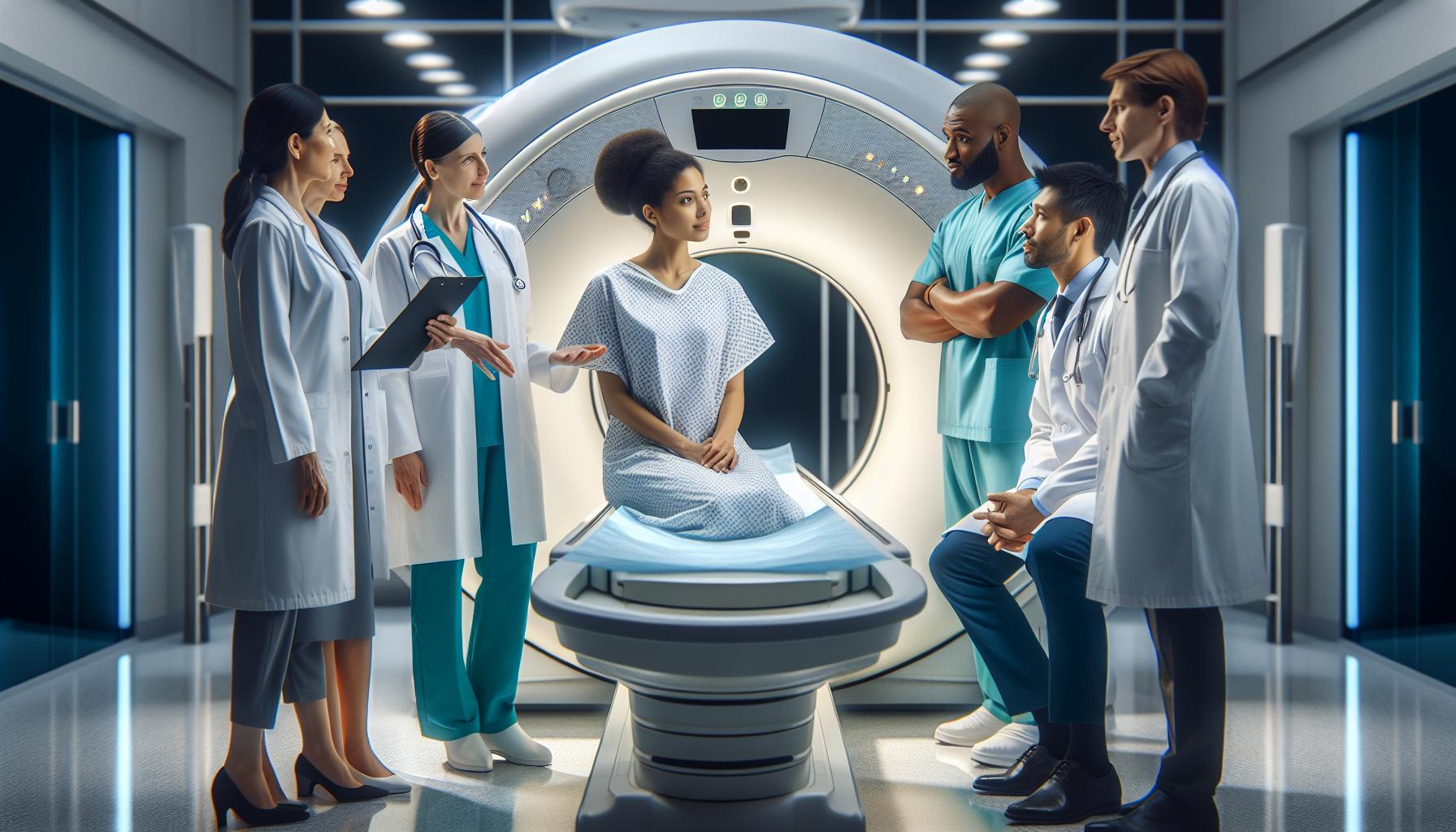
Understanding the Basics of CT Imaging
A CT scan, also known as a CAT scan, is a revolutionary medical imaging technique that plays a vital role in modern diagnostics. It merges X-ray technology with advanced computer processing to create detailed cross-sectional images of the body. These high-resolution images can help healthcare providers diagnose a wide range of conditions, from broken bones to tumors, providing insights that are often not possible with standard X-ray images alone. With the ability to visualize internal structures in three dimensions, CT imaging enhances the diagnostic process significantly.
In essence, CT imaging works by taking multiple X-ray measurements from different angles around a specific area of the body and using computer algorithms to construct an intricate visual cross-section of the anatomy. This meticulous approach allows for the assessment of organs, blood vessels, and soft tissues, making it an invaluable tool in emergency medicine and routine evaluations alike. For many patients, the prospect of undergoing a CT scan may raise questions and concerns. It’s important to know that the procedure is generally quick, with most scans completed in just a few minutes.
Preparing for your CT scan involves only a few straightforward steps. Depending on the type of scan being performed and the body area being examined, you may be instructed to fast for several hours prior to the procedure or possibly drink a contrast solution that highlights specific areas in the images. Always feel empowered to discuss any concerns or questions with your healthcare provider; they can provide personalized guidance tailored to your unique situation. By equipping yourself with knowledge, you can approach your CT scan with confidence, knowing it is a safe and effective method for clinicians to gather crucial health data.
Understanding the fundamentals of CT imaging helps demystify the process and alleviates anxiety for patients. With exceptional detail and precision, CT scans continue to play an essential role in enhancing patient care and outcomes.
How a CT Scan Works: Step-by-Step Guide
Imagine having the ability to see inside your body, revealing intricate details about your organs and tissues. This is exactly what a CT scan, or CAT scan, offers, utilizing advanced imaging technology to enhance medical diagnosis. Understanding how this remarkable process works can ease any apprehensions you may have about undergoing the procedure.
A CT scan begins with you lying comfortably on a moving table that slides into a large, doughnut-shaped machine known as a CT scanner. As the scan initiates, X-ray beams rotate around your body, capturing multiple images from various angles. The computer then analyzes these images and reconstructs them into detailed cross-sectional slices of your anatomy. This three-dimensional representation provides healthcare professionals with a comprehensive view of areas that may be difficult to examine with traditional X-rays.
Before the scan, it’s crucial to follow any specific preparation instructions provided by your doctor. Depending on the area being examined, you may need to fast for several hours or consume a contrast agent, which can be a drink or an injection that helps highlight certain structures in your body. This preparation ensures that the images captured are as clear and accurate as possible, aiding in a more effective diagnosis.
During the scan, you might hear various sounds as the machine works, but rest assured, the process is quick, typically lasting only a few minutes. You may be instructed to hold your breath at certain points, which allows for clearer images without any blurring from movement. Once completed, the images are examined by a radiologist who will interpret the findings and share them with your healthcare provider. By understanding this step-by-step process, you can feel more informed and relaxed about your upcoming CT scan, appreciating its critical role in modern medicine.
Common Uses of CAT and CT Scanning
Advanced imaging technology plays a critical role in modern medicine, and among its many applications, CAT scans and CT scans are indispensable tools for diagnosis and treatment planning. While they are often used interchangeably, they refer to the same imaging process, utilizing X-rays to create detailed cross-sectional images of the body. This technique is particularly useful in a variety of medical situations, allowing healthcare professionals to diagnose conditions ranging from fractures and tumors to internal bleeding and infections.
Common Applications of CT and CAT Scanning
CT scans are widely used in multiple medical fields due to their ability to produce high-resolution images quickly and with a degree of precision that is often unmatched by other imaging methods. Some of the most common uses include:
- Trauma Cases: CT scans are frequently utilized in emergency situations to quickly assess injuries in patients, especially in cases of head trauma where rapid decision-making can be lifesaving.
- Oncology: They play a vital role in cancer diagnosis and treatment by helping oncologists visualize tumors, determine their size and location, and monitor response to therapy.
- Cardiovascular Imaging: CT angiography allows doctors to view blood vessels and assess conditions such as blockages or aneurysms, making it essential for cardiovascular health evaluation.
- Abdominal and Pelvic Conditions: Physicians often use CT scans to diagnose appendicitis, kidney stones, or liver disease due to their detailed views of internal organs.
- Guided Biopsies: Radiologists often employ CT imaging to guide needles precisely into areas of concern, improving the accuracy of biopsies for various conditions.
This technology not only aids in diagnosing existing conditions but also helps in planning surgical interventions by providing a comprehensive view of the anatomy involved. For instance, in complex surgeries, understanding the precise layout of organs and structures can significantly enhance surgical outcomes.
Furthermore, CT scans are invaluable in screening processes, such as detecting lung cancer in high-risk patients through low-dose scans, which emphasize the preventive aspects of this technology. As research continues to evolve, the potential uses of CT scans expand, supporting a future where diagnostic imaging continues to push the boundaries of accuracy and reliability in healthcare.
Overall, understanding the extensive range of applications for CT and CAT scanning can alleviate concerns about the procedure and enhance patients’ comfort levels, knowing that these images play a crucial role in diagnosing and treating various medical conditions effectively. Always consult with your healthcare provider for more personalized information and advice based on your specific medical needs.
Preparing for Your CT Scan Appointment
Preparing for a CT scan can significantly enhance the experience and outcomes of the procedure. Understanding what to expect can alleviate anxiety and ensure you are ready for the imaging process. It’s important to follow your healthcare provider’s specific instructions closely, as they will tailor guidelines based on your individual needs and the purpose of the scan.
The preparation for a CT scan usually begins with dietary restrictions. Often, patients are advised to avoid solid food for a few hours prior to the appointment. In some cases, your healthcare provider may instruct you to consume only clear liquids or to fast completely for a designated period. Additionally, if your scan involves the use of contrast dye to enhance image quality, you may be asked to refrain from eating or drinking for several hours before the procedure. Adequate hydration is encouraged unless otherwise specified, as this helps with the contrast agent’s elimination from your body post-scan.
It’s also crucial to inform your healthcare provider of any medications you are taking or specific health conditions you have, such as allergies or kidney issues, which may affect the use of contrast dye. For patients with diabetes or certain other conditions, additional precautions may be necessary regarding medication management before undergoing a CT scan.
In terms of clothing, wearing loose, comfortable attire that does not contain metal is advisable, as items like belts, zippers, and jewelry may need to be removed. Arriving at your appointment a bit early can allow time for check-in and any necessary documentation. Lastly, it’s important to bring any required paperwork, such as physician referrals or prior imaging records, which can assist in better interpreting your results.
By understanding and adhering to these preparation steps, you can help ensure that your CT scan proceeds smoothly, providing the clearest possible images for your medical team to support an accurate diagnosis and effective treatment plan. Always prioritize communication with your healthcare provider to clarify any doubts or concerns before your scan.
What to Expect During a CT Scan
Undergoing a CT scan can feel intimidating, but understanding the process can help ease your concerns. This advanced imaging technique allows for detailed views of the inside of the body, making it invaluable in diagnosing a variety of conditions. When you arrive for your scan, the experience will be organized and straightforward, guided by trained professionals who are there to assist you every step of the way.
Before the scan starts, a technologist will review your medical history and explain what to expect. You’ll be asked to change into a hospital gown to ensure there’s no interference from external clothing. It’s important to remove any metal objects, such as jewelry or hairpins, which could affect the imaging results. If your doctor has ordered the use of a contrast dye to enhance the images, you may receive it orally or through an injection, depending on the specifics of your scan.
When it’s time for the procedure, you will lie on a motorized table that moves you into the CT scanner, which looks like a large doughnut. During the scan, it’s crucial to stay still; this is to ensure the images remain clear and free from blurring. You might hear whirring and clicking sounds as the machine takes images from various angles. The entire process usually lasts only a few minutes, but it might feel longer, so it’s helpful to practice deep breathing or visualization techniques to remain calm during the scan.
Afterward, you can go back to your normal activities. If contrast dye was used, drinking plenty of water can help flush it from your system. Your healthcare provider will schedule a follow-up to discuss the results. Remember, it’s completely normal to feel anxious before a medical procedure, but knowledge and communication are your best tools in ensuring a smooth experience. Don’t hesitate to reach out to your medical team with any questions or concerns-they are there to help you.
CT Scan Risks and Safety Measures
Undergoing a CT scan is generally safe, but like any medical procedure, it comes with certain risks and considerations that patients should be informed about. One of the primary concerns is exposure to radiation. CT scans use X-rays to create detailed images of the body, and while the amount of radiation a patient receives during a CT scan is relatively low, it is significantly higher than that of a conventional X-ray. It’s essential for patients to discuss their individual risk factors with their healthcare provider, particularly if they have undergone multiple scans in the past.
Minimizing radiation exposure can be achieved through several methods. For instance, informing your doctor about previous imaging tests can help them decide whether a CT scan is necessary or if an alternative imaging method may suffice, such as an MRI or ultrasound, which do not use ionizing radiation. Additionally, new technologies and protocols are being developed continuously to lower radiation doses while maintaining image quality, allowing for safer imaging practices.
In some instances, a contrast dye is used to enhance the imaging results. While contrast agents can be beneficial, they can also pose risks, especially for patients with kidney problems or allergies to iodine-based products. If you have a history of such conditions, it’s important to communicate this with your healthcare team before the procedure. They may need to perform additional tests or take precautions to ensure your safety.
Following the scan, drinking plenty of fluids can help flush out any contrast dye from your system. If you experience any unusual symptoms post-scan, such as persistent pain or allergic reactions, it’s crucial to seek medical advice promptly. Understanding these risks and safety measures not only empowers you but also fosters a more informed discussion with your healthcare provider, ensuring that your CT scan experience is as safe and comfortable as possible.
Comparing Costs: CAT vs. CT Scans
The financial aspect of medical imaging can weigh heavily on patients’ minds, particularly when considering the costs associated with different procedures like CAT and CT scans. In most cases, there is no meaningful difference between a CAT scan and a CT scan, as they refer to the same imaging technology. This can often lead to confusion regarding pricing, as facilities may label the procedures differently, yet pricing remains consistent across the board.
When evaluating costs, several factors come into play:
- Location: Prices can vary significantly depending on the geographic area and type of medical facility. Urban centers may charge higher rates due to increased operational costs compared to rural facilities.
- Insurance Coverage: Many health insurance plans cover CT scans, but the extent of coverage varies. It’s crucial to contact your provider beforehand to clarify what your policy entails to avoid unexpected expenses.
- Facility Type: Hospital-based imaging centers might have different rates compared to outpatient clinics or standalone radiology facilities. Generally, outpatient centers may offer more competitive pricing.
- Use of Contrast Dye: If your scan requires a contrast agent, this can increase overall costs. It’s beneficial to discuss this with your healthcare team, as they can provide insights on potential additional expenses.
While the average cost of a CT scan can range from $300 to $3,000, depending on the above factors, being proactive in understanding these variables can help you manage expenses effectively. Remember, it’s essential to feel comfortable discussing costs with your healthcare provider; they can assist in providing clarity and potentially guiding you toward more affordable options if necessary. Additionally, exploring if there are payment plans or financial assistance programs available at your chosen facility can ease the burden of these out-of-pocket costs.
Interpreting Your CT Scan Results
Understanding the results of your CT scan can be both enlightening and overwhelming. As you await your results, it’s normal to feel a mix of curiosity and anxiety. The images produced by a CT scan provide critical insights into your health, helping your healthcare provider diagnose conditions, plan treatments, or monitor the progression of diseases. However, interpreting these results requires careful consideration and expertise.
When your healthcare provider reviews the CT scan images, they are looking for various indicators to ascertain the state of your health. These indicators can include the size and shape of organs, the presence of tumors, any signs of inflammation, or abnormalities in blood vessels. It’s essential to understand that not all findings are indicative of a serious problem; some may be benign or require no immediate action. For example, small cysts on the kidneys may often be harmless and unlikely to affect your health.
It’s crucial to have an open dialogue with your healthcare provider when discussing your CT scan results. They will explain what the images reveal in the context of your overall health history, symptoms, and any other diagnostic tests. Always feel empowered to ask questions, no matter how trivial they may seem. You might consider asking about:
- What specific findings were noted in the scan?
- Do these findings require further testing or immediate treatment?
- What are the implications of these findings for my health going forward?
Ultimately, remember that while CT scans can provide valuable information, they are just one part of the larger healthcare picture. Engaging thoughtfully with your healthcare team and following their recommendations are key to effectively managing your health based on your CT scan results.
The Future of CT Imaging Technology
Modern advancements in CT imaging technology are transforming the landscape of medical diagnostics, enhancing both the precision and accessibility of this essential tool. As healthcare continues to evolve, innovations such as dual-energy CT, artificial intelligence (AI), and improved imaging algorithms are paving the way for clearer, more informative scans that can lead to better patient outcomes.
One of the most promising advancements is the integration of dual-energy CT scanners, which utilize two different energy levels of X-rays during imaging. This allows for better differentiation of tissues and materials, helping radiologists identify conditions such as kidney stones, tumors, and even subtle differences in disease states. For instance, dual-energy techniques can improve the visibility of vascular structures and aid in the assessment of certain cancers, providing clinicians with richer information that can inform treatment decisions.
In addition, the application of artificial intelligence in interpreting CT scans is rapidly gaining traction. AI algorithms can analyze images for anomalies far more quickly than traditional methods, potentially flagging concerns for radiologists to review. This technology not only speeds up diagnosis but also reduces the likelihood of human error, offering a second set of eyes on complex images. As AI models continue to learn and adapt, they promise to enhance the accuracy of interpretations, providing insights based on vast datasets that a single clinician might not have access to.
As these technologies become more standardized in clinical practice, patients can expect faster results and improved diagnostic capabilities. However, it remains crucial to remember that while technology aids in diagnosis, the interpretation of these results should always be conducted by qualified healthcare professionals. Engaging in open dialogues with your healthcare provider about any new advancements, including CT imaging capabilities used in your assessments, can be empowering and help you better understand your health and treatment options.
Overall, the future of CT imaging promises not only greater technological advancements but also a more comprehensive and inclusive approach to patient care, ultimately aiming to improve health outcomes through more accurate and timely diagnoses.
Frequently Asked Questions About CT Scans
Many individuals find themselves curious and perhaps a little anxious about what to expect from a CT scan. One of the most common questions is whether a CAT scan and a CT scan refer to the same procedure. In reality, they do; the term “CAT scan” (Computed Axial Tomography) is often used interchangeably with “CT scan” (Computed Tomography). Both terms describe the same imaging technique that produces detailed cross-sectional images of the body, helping healthcare professionals diagnose various conditions.
Before undergoing a CT scan, patients frequently inquire about preparation steps. It’s essential to follow your healthcare provider’s instructions, which may include fasting for a few hours before the procedure or avoiding certain medications. If your scan involves a contrast dye to enhance visibility, it’s important to discuss any allergies or kidney issues with your doctor beforehand. This can help ensure your safety and the efficacy of the imaging process.
During the procedure, many patients worry about the safety of exposure to radiation. While it’s true that CT scans use X-rays, the amount of radiation exposure is generally low compared to the benefits they provide in diagnosing serious medical conditions. Modern CT scanners are designed to minimize radiation use while still delivering high-quality images. If you have concerns about radiation or the necessity of the scan, a discussion with your physician can help clarify these.
After the scan is complete, results are usually available within a few days, depending on the facility. Radiologists will interpret the images and share findings with your doctor, who will explain the results and discuss any necessary next steps. Engaging in this conversation can help demystify the results and ensure clarity about your health status. Remember, it’s vital to stay informed and proactive in addressing any questions or concerns with your healthcare provider throughout the entire process.
Q&A
Q: What does CAT stand for in CAT scan?
A: CAT stands for “Computed Axial Tomography.” This term has largely been replaced by the term “CT scan” (Computed Tomography), but both refer to the same imaging technology used for diagnosing various medical conditions.
Q: Are the radiation risks the same for CAT and CT scans?
A: Yes, the radiation exposure is similar for both CAT and CT scans, as they use the same technology and principles. Always discuss potential risks with your healthcare provider to understand the necessity and safety of the scan [[7]].
Q: How are CAT scans different from MRI scans?
A: CAT scans use X-ray technology to create images, while MRI scans utilize magnetic fields and radio waves. Each type of scan is suited for different medical assessments, with CT often used for bone injuries and MRI for soft tissue evaluations [[5]].
Q: Can CAT scans detect cancer?
A: Yes, CAT scans are commonly used to detect cancer, assess its spread, and monitor treatment effectiveness. They provide detailed images that help physicians in diagnosis and planning treatment [[5]].
Q: How long does a typical CAT scan take?
A: A typical CAT scan session lasts about 10 to 30 minutes, depending on the area being scanned and the type of scan. Preparation time may vary, so it’s good to arrive early for your appointment [[6]].
Q: Do you need to prepare for a CAT scan?
A: Yes, preparation for a CAT scan may involve fasting for several hours prior, especially if contrast dye is being used. Ensure you follow specific instructions from your healthcare provider to ensure accurate results [[6]].
Q: Are there any side effects from a CAT scan?
A: Side effects are rare, but some people may experience a mild allergic reaction to contrast dye. Always inform your doctor about any allergies or previous reactions to ensure proper precautions [[5]].
Q: Why might a doctor recommend a CAT scan?
A: A doctor may recommend a CAT scan to diagnose conditions, guide treatment decisions, evaluate injuries, or monitor the effectiveness of treatments for various diseases. It is often chosen for its speed and detailed imaging capabilities [[5]].
Concluding Remarks
In summary, understanding the distinction between CAT scans and CT scans is crucial for making informed healthcare decisions. Both imaging technologies play significant roles in diagnosing medical conditions, but knowing their nuances empowers you to discuss your needs more effectively with your healthcare provider. If you have further questions or concerns about preparation or what to expect during these procedures, don’t hesitate to explore our dedicated guides on CT scan preparation and common imaging questions.
Take the next step in your health journey: consider subscribing to our newsletter for the latest insights and updates on medical imaging topics. Remember, gaining knowledge brings you one step closer to peace of mind and informed choices. Engage with us by sharing your thoughts or experiences in the comments below, and keep exploring our site for reliable information that enhances your understanding of healthcare.